Autovia Roadster

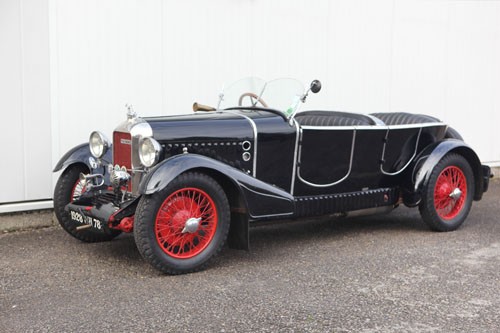
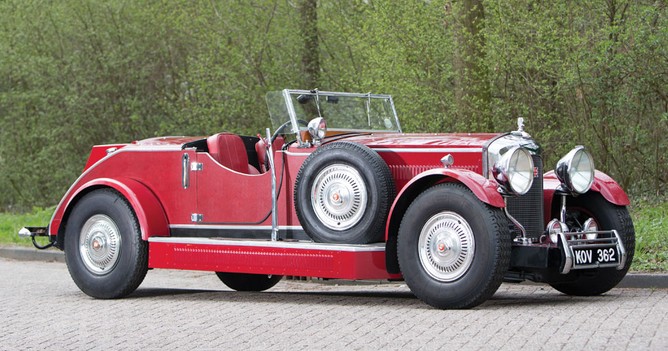
1939 Autovia 3-Litre

Offered by Coys | Graz, Austria | October 12-13, 2013
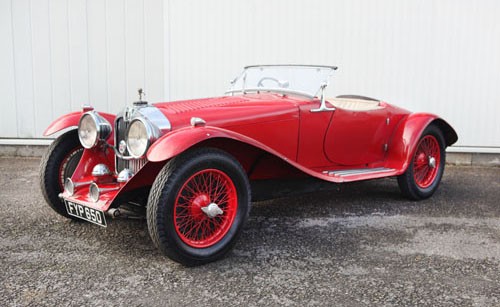
1939 Autovia 3-Litre

There are sporty cars from the U.K. from the 1930s that everyone knows about, like the SS100 and Invictas. Then there are the lesser known ones like Arabs and this beautiful Autovia.

Like Arab, Autovia was a very short-lived marque. Founded in Coventry in 1937 as a subsidiary of well-known Riley. The cars were expensive, luxurious and sporty. It was a market that was already full of more prominent manufacturers. Two different sedan bodstyles were offered, as well as a limousine. In total, only 38 four-door cars were built. There were also six bare chassis sold – this is one of those cars. The Autovia proved an expensive experiment that ultimately bankrupted Riley, which was acquired by the Nuffield Organization in 1938. Autovia disappeared forever after that.

This car is the only Autovia to receive two-door aluminium roadster bodywork. What sets this roadster apart from many other British sports cars of the day is the engine. It’s a 3.0-liter V-8 making 125 horsepower. That’s a lot more than most of its competition – it’s Bugatti territory. This is a very quick car.

And very desirable too. Only eight Autovias are thought to survive, with this one having the most desirable coachwork (by far). This is definitely one of the stars of this auction. You can read more here and find out what other cars will be crossing the block here.

Update: Sold for about $110,000.
Philos Double Phaeton

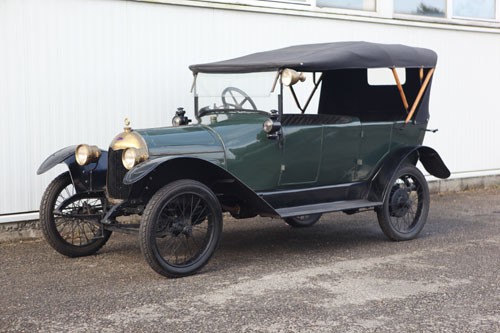
1913 Philos Ballot Double Phaeton

Offered by Coys | Graz, Austria | October 12-13, 2013

1913 Philos Ballot Double Phaeton

SA Nouvelle des Automobiles Philos was founded in Lyon, France, in 1912. In 1923 they were acquired by Jean Gras – another French automobile manufacturer. While Jean Gras soldiered on until 1930, 1923 was the end of the line for Philos. Early Philos cars used engines from Ballot.

This car, being from the second year of manufacture, uses an aforementioned Ballot engine: it’s a 1.1-liter straight-four. Later cars used engines of varying size from a variety of manufacturers. The design feature that set the Philos apart was its curved V-shaped radiator.

This car is offered in preserved, all-original condition. It is a very fine example of early French motoring. You can read more here and check out more from Coys here.

Update: Sold for about $16,100.

One of the World’s First Microcars

1921 Moll-Mobil III Chemnitz Roadster

Offered by Coys | Graz, Austria | October 12-13, 2013

1921 Moll-Mobil III Chemnitz Roadster

The Moll was introduced during the cyclecar craze of the early 1920s. Many cyclecars of the era were small – but this was was downright tiny. It was one of the first true microcars ever built.

Introduced in the early 1920s, the Chemnitz Roadster was constructed by Moll-Werke AG of Chemnitz, Germany. It used a 125cc single-cylinder engine that is mounted between the driver’s legs (this car features tandem seating – the passenger sits directly behind the driver).

This car is listed as a 1921, likely because they have no idea when it was built. My records show the company in existence from 1922 through 1925 and this Mobil III model having been built from ’24-’25 with a more standard light car preceding it. In any case, this is one of two or three of these to survive and it is in excellent restored condition. Read more about it here and see more from this awesome sale here.

Update: Sold for about $14,500.

Genestin Double Phaeton

1928 Genestin GS8 Double Phaeton by J. Pessel-Annonay

Offered by Coys | Graz, Austria | October 12-13, 2013

1928 Genestin DS8 Double Phaeton by J. Pessel-Annonay

Paul Genestin started building his own cars in 1925 in Fourmies in the north of France. He got his start at the end of World War One rebuilding cars that were left behind by the Germans. I’ve honestly never seen one of these cars but this thing looks super sporty and I really like it.

The engine is a 1.8-liter straight-eight made by Vermerel and the torpedo body is by a little known French coachbuilder. Genestins are said to be sporty and a shorter wheelbase was offered for even better handling.

This is one of only a few Genestins still in existence and has spent a long time in museums. It would be an awesome addition to any collection and a welcome sight at car shows all over the globe. No pre-sale estimate is available but you can find out more here and more from the sale of the Karl Ritter Collection here.

Update: Sold for about $71,100.

A Pair of 1910 Sears Motorcars

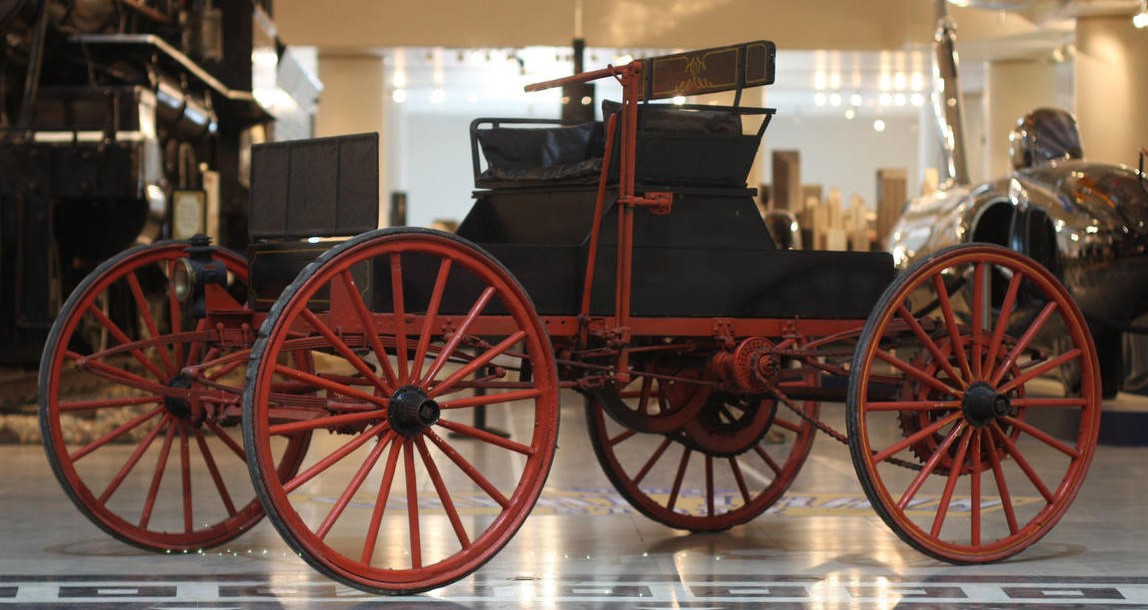
1910 Sears Model G Runabout

Offered by Bonhams | Philadelphia, Pennsylvania | October 7, 2013

1910 Sears Model G Runabout

Mail-order automobiles might seem like a ludicrous idea – but think about eBay. People buy cars, sight unseen, every minute online. So maybe Sears was just way ahead of the game. Between 1906 and 1911, you could order a variety of cars from Sears, Roebuck & Company catalogs.

They were built in Chicago (where this car has spent a large part of its life in the Museum of Science and Industry) and this model is a high-wheeler. The increased ride height was great news for rural Americans whose roads were rugged. Buying from a catalog was probably their best bet as well – as they bought just about everything else from Sears too.

The most this car has going for it is that it is an original Sears chassis. The engine is missing, as is the transmission, and the body is described as “not an accurate recreation.” That doesn’t make it that much less interesting. It could still command between $15,000-$20,000. Click here for more info.

Update: Sold $3,850.

______________________________________________________________

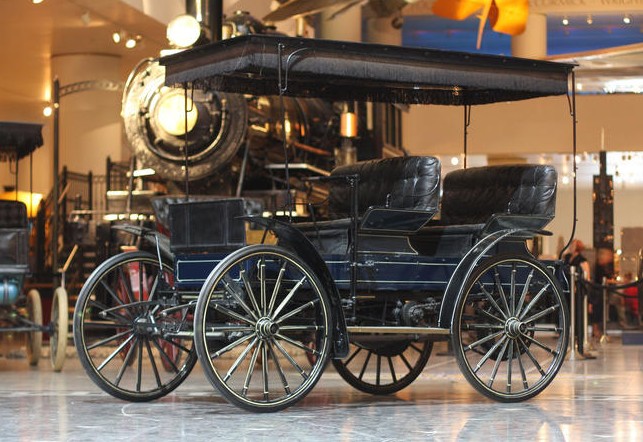
1910 Sears Model P Four-Passenger Motorbuggy

Offered by Bonhams | Philadelphia, Pennsylvania | October 7, 2013

1910 Sears Model P Four Passenger Motorbuggy

Here’s another Sears automobile – and this one’s a runner. It’s also a little more practical as it has a roof, four seats and a more traditional layout. But where’s the engine? It’s under the seats. It’s a 1.8-liter flat-twin making 14 horsepower. You’d think, with automakers chasing perfect weight distribution, that someone would try to mount a flat engine underneath the passenger compartment today – but “necessities” like air conditioning make that unlikely, and this car obviously didn’t have to worry about air conditioning.

It’s chain-driven, has solid rubber tires and tiller steering. This was the largest car Sears built (and is the rarest today). They cost between $325-$485 out of the catalog. Every car they sold was sold at a loss – a solid business plan that might explain why only 3,500 Sears-branded motorcars were built in the five short years they were available.

This car entered Chicago’s Museum of Science and Industry in 1972 and was sold from there by Bonhams in 2008. It’s actually a pretty cool car for as basic as it appears. It should sell for between $25,000-$35,000. Click here for more info and here for the rest of Bonhams’ awesome lineup at the Simeone Foundation.

Update: Sold $38,500.

Sears Model G

1910 Sears Model G Runabout

Offered by Bonhams | Philadelphia, Pennsylvania | October 7, 2013

1910 Sears Model G Runabout
Photo – Bonhams

Mail-order automobiles might seem like a ludicrous idea – but think about eBay. People buy cars, sight unseen, every minute online. So maybe Sears was just way ahead of the game. Between 1906 and 1911, you could order a variety of cars from Sears, Roebuck & Company catalogs.

They were built in Chicago (where this car has spent a large part of its life in the Museum of Science and Industry) and this model is a high-wheeler. The increased ride height was great news for rural Americans whose roads were rugged. Buying from a catalog was probably their best bet as well – as they bought just about everything else from Sears too.

The most this car has going for it is that it is an original Sears chassis. The engine is missing, as is the transmission, and the body is described as “not an accurate recreation.” That doesn’t make it that much less interesting. It could still command between $15,000-$20,000. Click here for more info.

Update: Sold $3,850.

Sears Motorbuggy

1910 Sears Model P Four-Passenger Motorbuggy

Offered by Bonhams | Philadelphia, Pennsylvania | October 7, 2013

1910 Sears Model P Four Passenger Motorbuggy

Photo – Bonhams

Here’s another Sears automobile – and this one’s a runner. It’s also a little more practical as it has a roof, four seats and a more traditional layout. But where’s the engine? It’s under the seats. It’s a 1.8-liter flat-twin making 14 horsepower. You’d think, with automakers chasing perfect weight distribution, that someone would try to mount a flat engine underneath the passenger compartment today – but “necessities” like air conditioning make that unlikely, and this car obviously didn’t have to worry about air conditioning.

It’s chain-driven, has solid rubber tires and tiller steering. This was the largest car Sears built (and is the rarest today). They cost between $325-$485 out of the catalog. Every car they sold was sold at a loss – a solid business plan that might explain why only 3,500 Sears-branded motorcars were built in the five short years they were available.

This car entered Chicago’s Museum of Science and Industry in 1972 and was sold from there by Bonhams in 2008. It’s actually a pretty cool car for as basic as it appears. It should sell for between $25,000-$35,000. Click here for more info and here for the rest of Bonhams’ awesome lineup at the Simeone Foundation.

Update: Sold $38,500.

All-Original Stoddard-Dayton

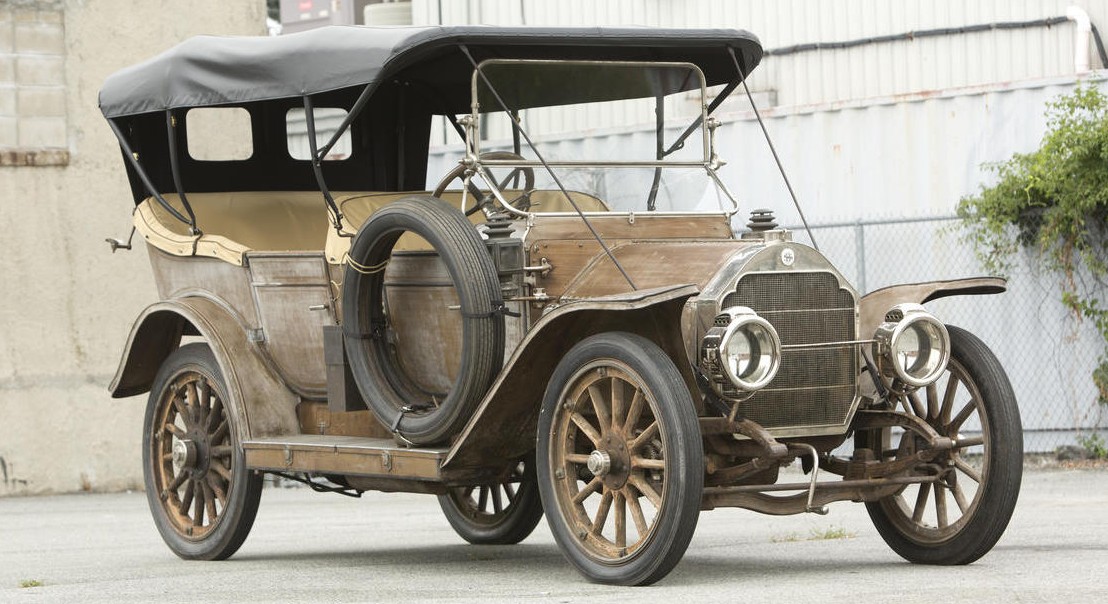
1911 Stoddard-Dayton Model 11A Five-Passenger Touring

Offered by Bonhams | Philadelphia, Pennsylvania | October 7, 2013

1911 Stoddard-Dayton Model 11A Five-Passenger Touring

Stoddard-Dayton was one of the early bright spots on the American automobile landscape. The company was founded in Dayton, Ohio, in 1904 by Charles Stoddard using his family’s fortune acquired through various successful businesses. The cars were large, powerful and luxurious. Think Packard.

The company started using engines of their own design in 1907 and they won the first race held at the Indianapolis Motor Speedway in 1909 (prior to the Indy 500). This Model 11A Five-Passenger Touring uses a 40 horsepower 7.1-liter straight-four. By 1912, they would be offering huge 70 horsepower engines.

But 1912 was a bad year for the company – they were sold to become part of the U.S. Motor Company, which failed. It was saved for one year when Maxwell put the cars back into production for 1913, but they were too large and expensive to be successful.

This example is entirely original, which is incredible as it is 102 years old. Even the paint is original (even though it’s basically worn through around most of the car). It has the same tool kit that came with it in 1911 and the interior remains the same as well, albeit covered up for protection. This is an amazing automobile that should bring between $125,000-$175,000. Click here for more info and here for more from this sale.

Update: Sold $148,500.

September Results II

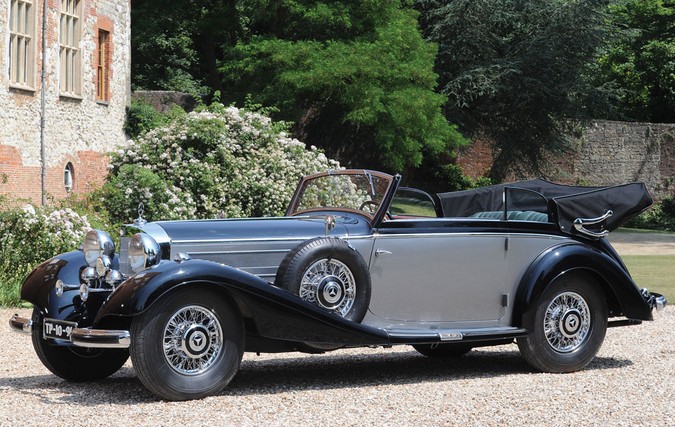
Our second post covering auctions for September starts with RM’s big London sale. They had a huge collection of Mercedes-Benzes cross the block, but the top sale actually went to our featured Maserati 250S for $3,340,000. Our featured Jaguar D-Type failed to sell. As did our featured Mercedes 500K Cabriolet C. The top-selling Benz was this 1938 Mercedes-Benz 540K Cabriolet B for $1,287,400.

1938 Mercedes-Benz 540K Cabriolet B

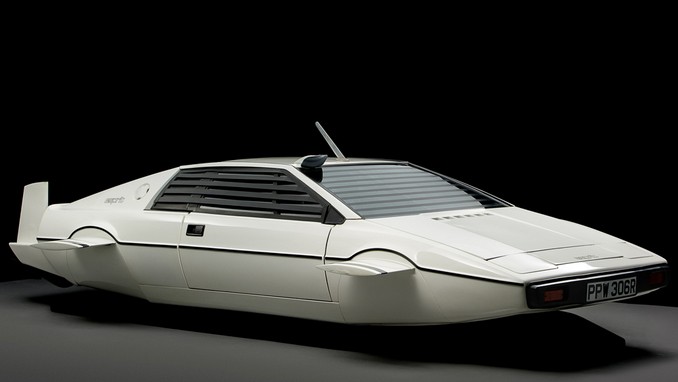
Our featured 1932 Mercedes-Benz 370 S sold for $1,208,900. On top of the “interesting cars pile” was the Lotus Esprit Submarine from the James Bond movie The Spy Who Loved Me. It sold for $967,000.

1977 Lotus Esprit Submarine

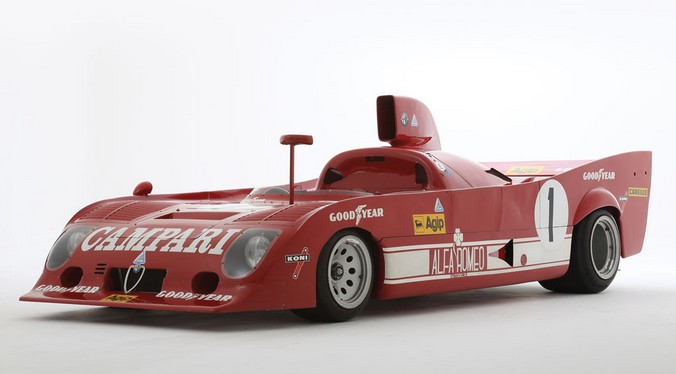
Another cool car was this 1975 Alfa Romeo Tipo 33 TT 12 which brought $527,000.

1975 Alfa Romeo Tipo 33 TT 12

Our featured Mercedes 290 Cabriolet A brought $435,000. And our featured Benz Doctor’s Cabriolet sold for $83,500. Other interesting cars include this 1948 Austin VM 30 Cabriolet for only $12,300.

1948 Austin VM 30 Cabriolet

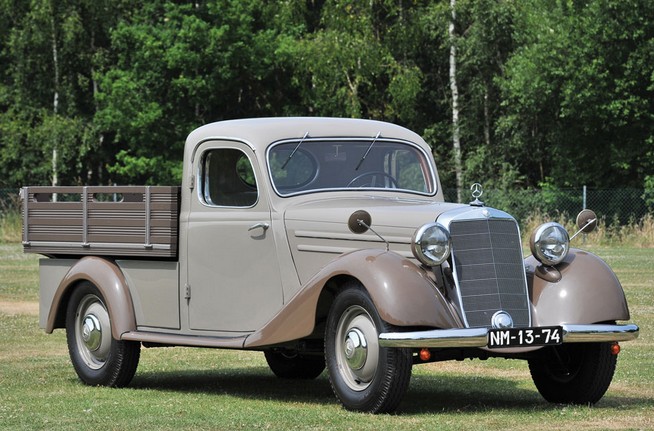
I can’t pick just two or three cool Mercedes’ from this sale to highlight because so many of them are the more mundane road cars that you just don’t see anymore (which I find fascinating). These are restored examples of cars that they built a ton of, but it would probably be easier to find a 540K today. You really have to check out the full results here, but I’ll tease you with this 1952 Mercedes-Benz 170 Da Pick Up. It sold for $77,300.

1952 Mercedes-Benz 170 Da Pick Up

Bonhams held a sale during the Goodwood Revival. The top sale here was our featured Alfa Romeo 8C-35 Grand Prix car for $9,511,542. It was kind of a no-brainer that this would be the top sale, as Bonhams has been killing it lately with competition cars bringing huge sums. Apparently they currently hold world records for 11 different marques at auction, which is pretty impressive (they probably hold more, but don’t want to look up all of the smaller marques over the years).

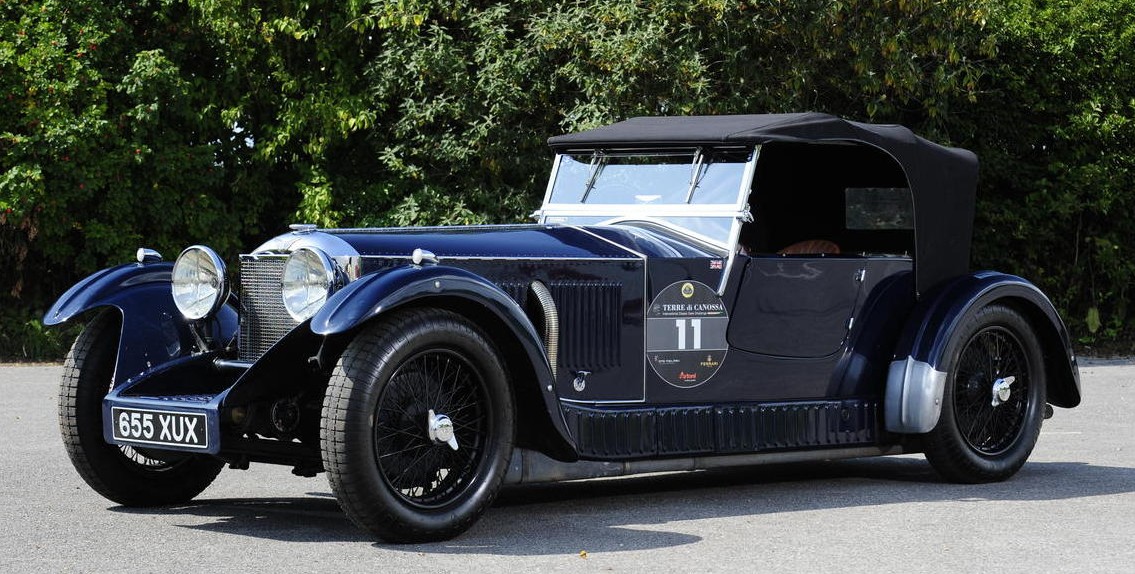
Cool cars start with this 1936 Invicta 4.5-Litre S-Type Low-Chassis Tourer which sold for $307,413. Our featured Invicta did not sell.

1936 Invicta 4.5-Litre S-Type 'Low Chassis' Tourer

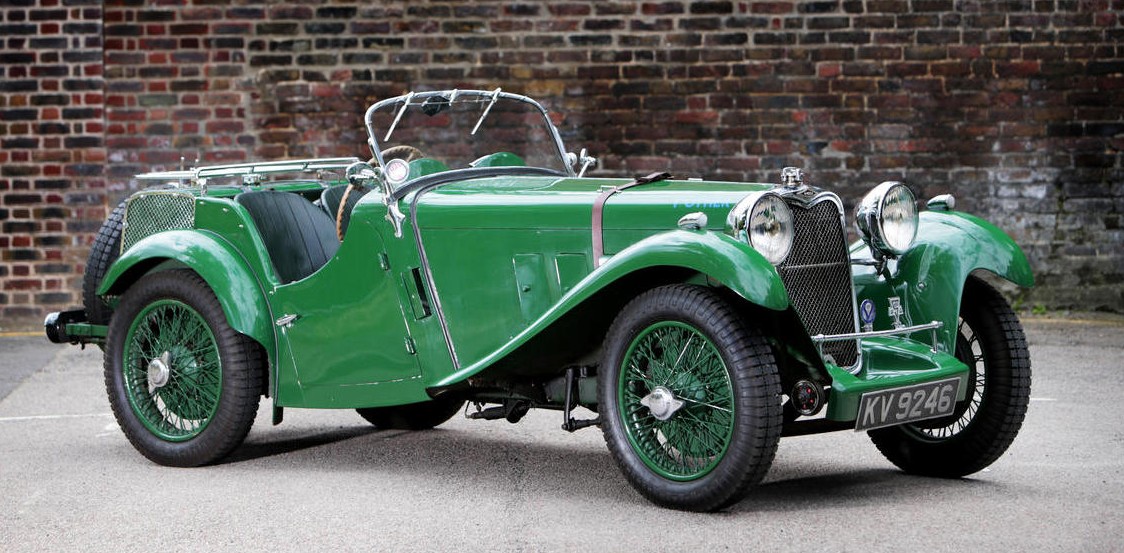
Our featured Connaught did not sell either. But this 1934 Singer 1.5-Litre Le Mans did. It actually raced in the 1934 24 Hours of Le Mans. It sold for $136,966.

1934 Singer 1.5-Litre Le Mans

Two other interesting cars: first this 1951 Jaguar XK120 Competition Roadster which brought a big $228,277.

1951 Jaguar XK120 3.8-Litre Competition Roadster

And this super-cool 1985 Audi Quattro SWB Coupe. A very rare rally car for the road, it brought $185,409.

1985 Audi Quattro Sport SWB Coupe

And finally, let’s go to our featured Jaguar XJR-8 race car. It sold – but that’s all the information that was provided. Bonhams didn’t provide a final amount – but I will refer to it as a “mysterious sum in the neighborhood of $1.4 million.” Anyway, you can check out the full results here.

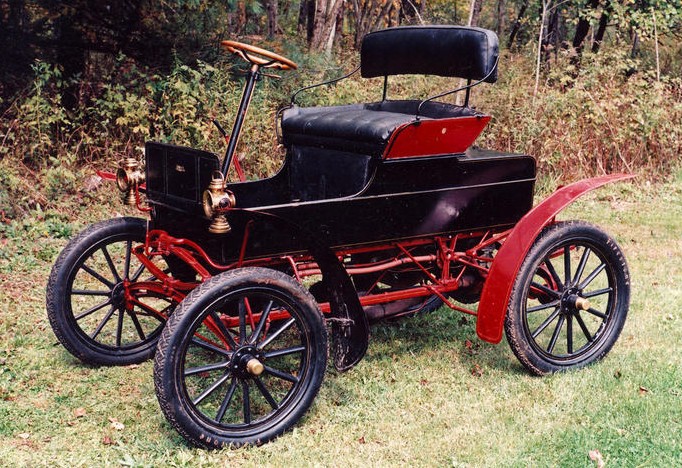
Jewel Runabout

1907 Jewel Model B 8hp Runabout

Offered by Bonhams | Philadelphia, Pennsylvania | October 7, 2013

1907 Jewel Model B 8hp Runabout

Jewel was originally known as Jewell – for 1906 only when the car was built in Cleveland, Ohio by the Forest City Motor Co. before they moved to Massillon, Ohio, to secure more funding. When production resumed in 1907, the name was changed to Jewel (with one “L”).

This car is an 8 horsepower model using a two-stroke engine (a 2.1-liter two-cylinder) that was touted as being extremely easy to use and maintain. It cost $400 when new and was well-engineered. Apparently, this little engine is torque-y enough to pop the front wheels off the ground if you launch it hard!

This particular example was in single family ownership for 50 years before Bonhams sold it in 2009. Jewel only built about 1,000 cars before going out of business in 1909 and being reorganized as Croxton-Keeton. This car should sell for between $25,000-$35,000. Click here for more info and here for more from this sale.

Update: Sold $25,300.