Lemur Monitors: BlueDriver. Tested!

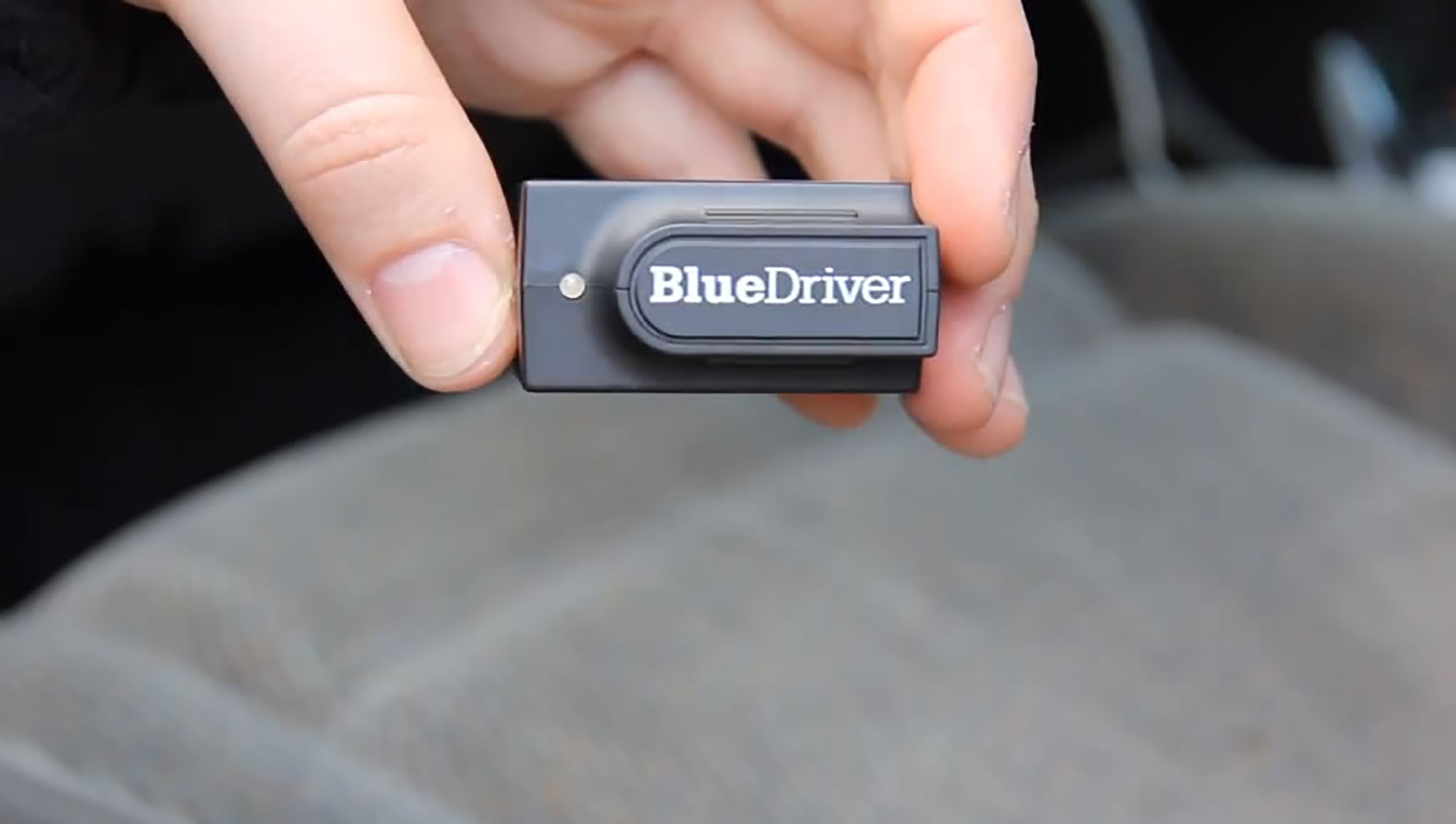
First off let me admit that I seem to have some pretty terrible luck when it comes to automobile ownership. My last car needed an emergency Gorilla Tape repair at one point. So when this little guy showed up in the mail this week, I was rather excited:
300dpi BlueDriverSensorInHand

Lemur Monitors’ BlueDriver is a very compact OBD-II scanner that you plug in under your dash. Pulling up an app on your smart phone then tells you what’s going on under the hood. It’ll work on every 1996 or newer car. Got a check engine light that won’t go away? This will tell you what it is. They sent me one to play with, so play I did.

I downloaded the app, which is free, then popped this thing on an ’02 Camry in the garage that has had it’s dashboard lit like a Christmas tree with yellow warnings for well over a year. Once the scanner is in place, you turn the car on and it pairs via Bluetooth to your phone.
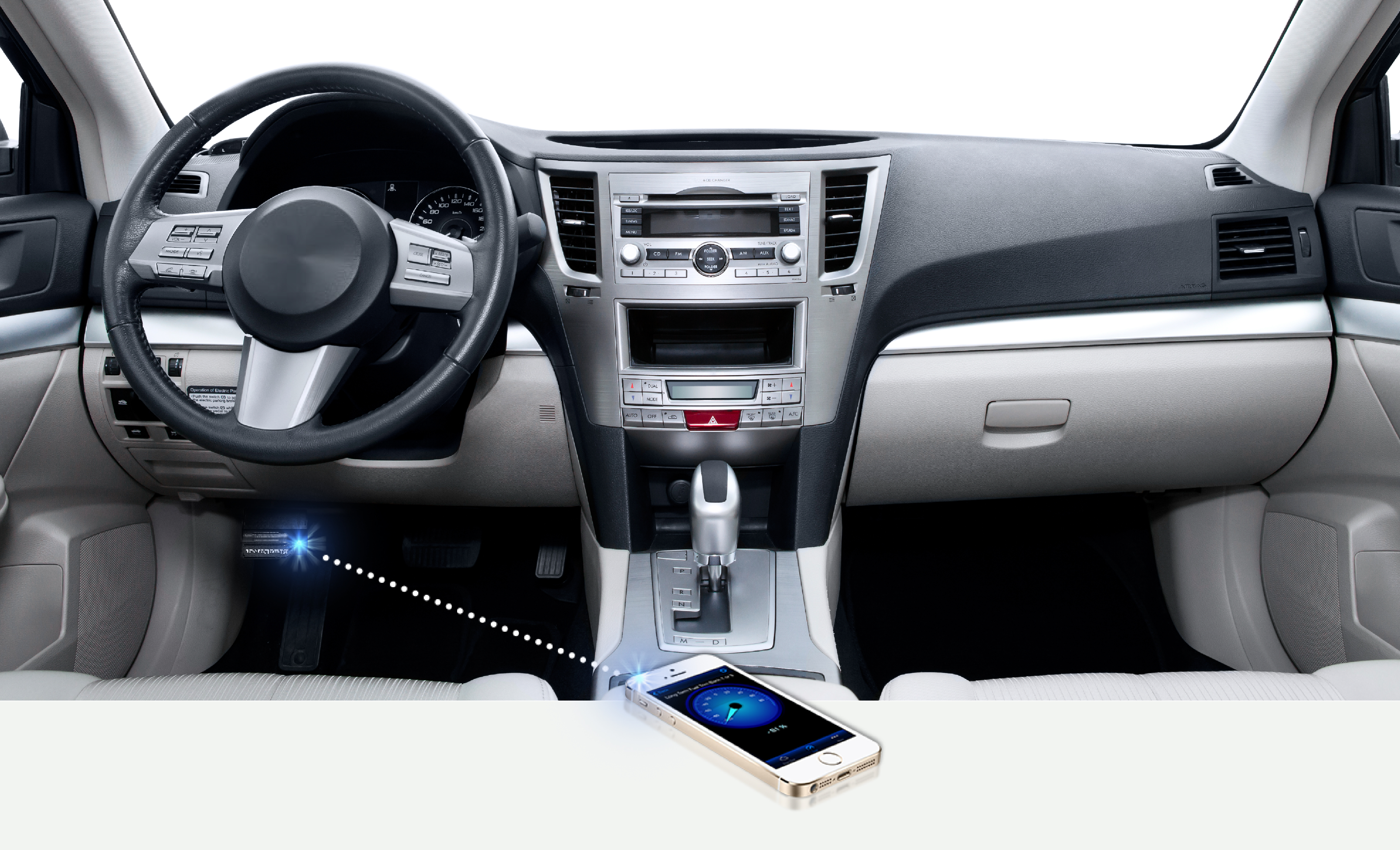
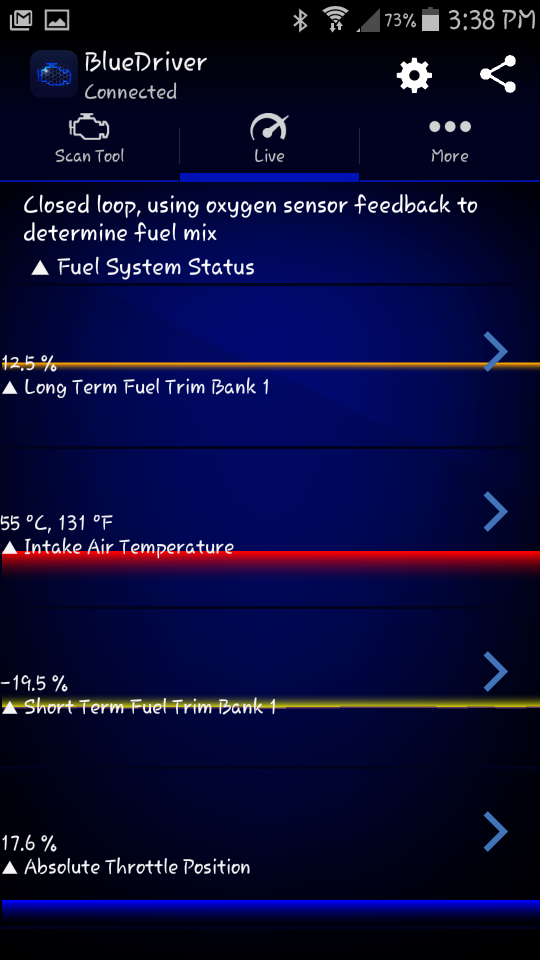
300dpi BlueDriverCarOnce it’s paired, you can read any error codes your car is throwing as well as run a smog check (if you live in an unfortunate state) and run live diagnostic checks that will tell you different temperatures and things – all color coded so you know what’s wrong (you can also log data as you drive).

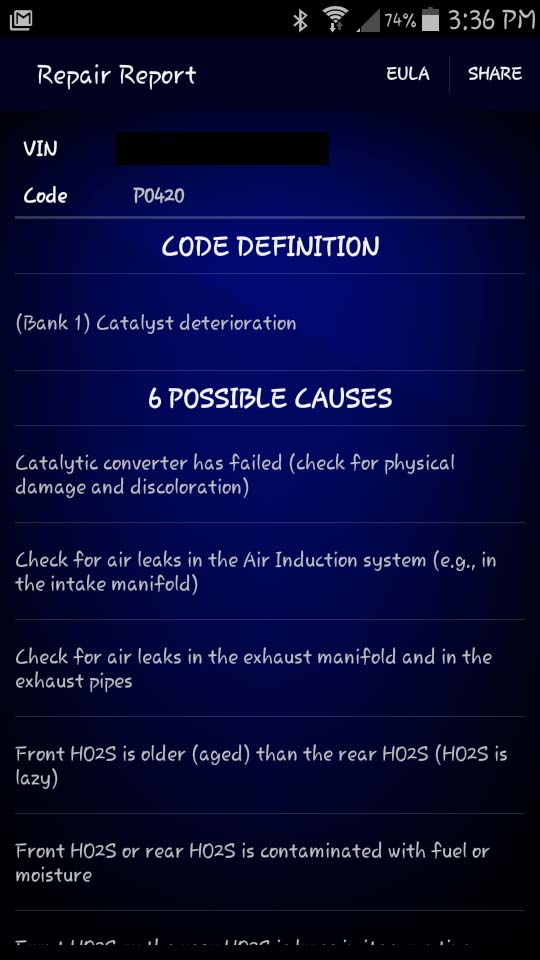
And boy was there stuff wrong! Once you click “Read Codes,” it will spit out a button for each code and from there you can dive into possible causes and reported fixes. I can honestly say this would have saved me a lot of time back when my Mazda acquired a gaping hole in an air hose and my local mechanics fixed everything but. I would have personally searched every hose before handing over the keys.
Screenshot_2015-06-12-15-36-41

Pictured: Bad News.

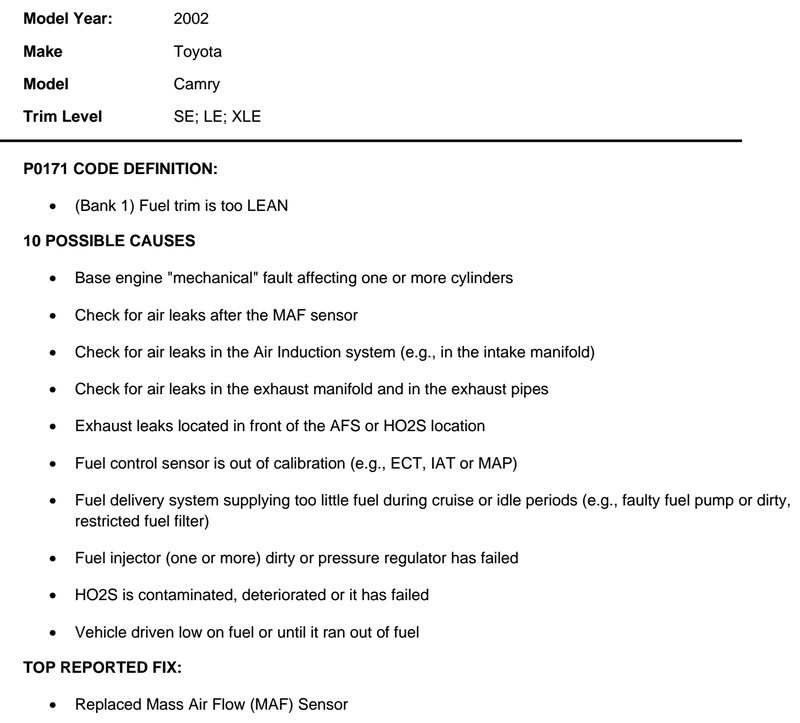
The reports are saved off in the app itself, but it’s really easy to email yourself a PDF so you can look at it later on a different machine. I had four codes, three of which I already knew about, but one – a too-lean fuel system – was new. After seeing the error, I looked in the live diagnostic tool and confirmed that the fuel trim wasn’t what it should be.
Screenshot_2015-06-12-15-39-00 (1)

Now that I knew what was wrong, I needed to figure out what to do about it. Luckily the app is packed with info on each error code. It gives you possible causes, some of which are more helpful than others. And it gives you possible solutions, ranging from the free (Hey, your gas cap is loose!) to the very costly (You need a new catalytic converter!). And when you’re done, it takes a single click to clear all the codes – but be warned, once they’re gone you can’t report on them. Lucky for me, these codes will definitely be re-appearing.
pdf

The PDFs are pretty nice, especially if the car isn’t yours.

I also tried plugging this in to my much-healthier Civic. There weren’t any codes to read but I could at least check out the live feed to see what was going on. But that’s about the extent of it if your car doesn’t have issues.

It’s fairly easy to use once you realize that you need to turn the car on in order for your phone to find the scanner (which I didn’t at first). But luckily there is a built-in user manual that consists of YouTube videos – the car repair manual of the 21st century. You will also need the VIN number of the car… which turns out to be sort of interesting in itself (see below).

In all, the BlueDriver is pretty handy. For $99.95 you get a little black box that will fit in your pocket – but it’s the app that you’re paying for. It’s packed with information that’s actually helpful. If you spend a lot of time on the road – or are taking a long-distance road trip – this would be an excellent thing to keep in your glove box should your car encounter and mysterious issues along the way. It can definitely help calm you down if your check engine light comes on in the middle of nowhere. Whether or not the cost is worth it is up to you.

Bonus: there is a vehicle info section that allows you to enter a VIN number and then it will decode the entire thing. If you’re a car nerd, this is pretty cool for when you’re walking around a car show or parking lot and want to know what’s supposed to be under the hood of every car.
Alpine A210

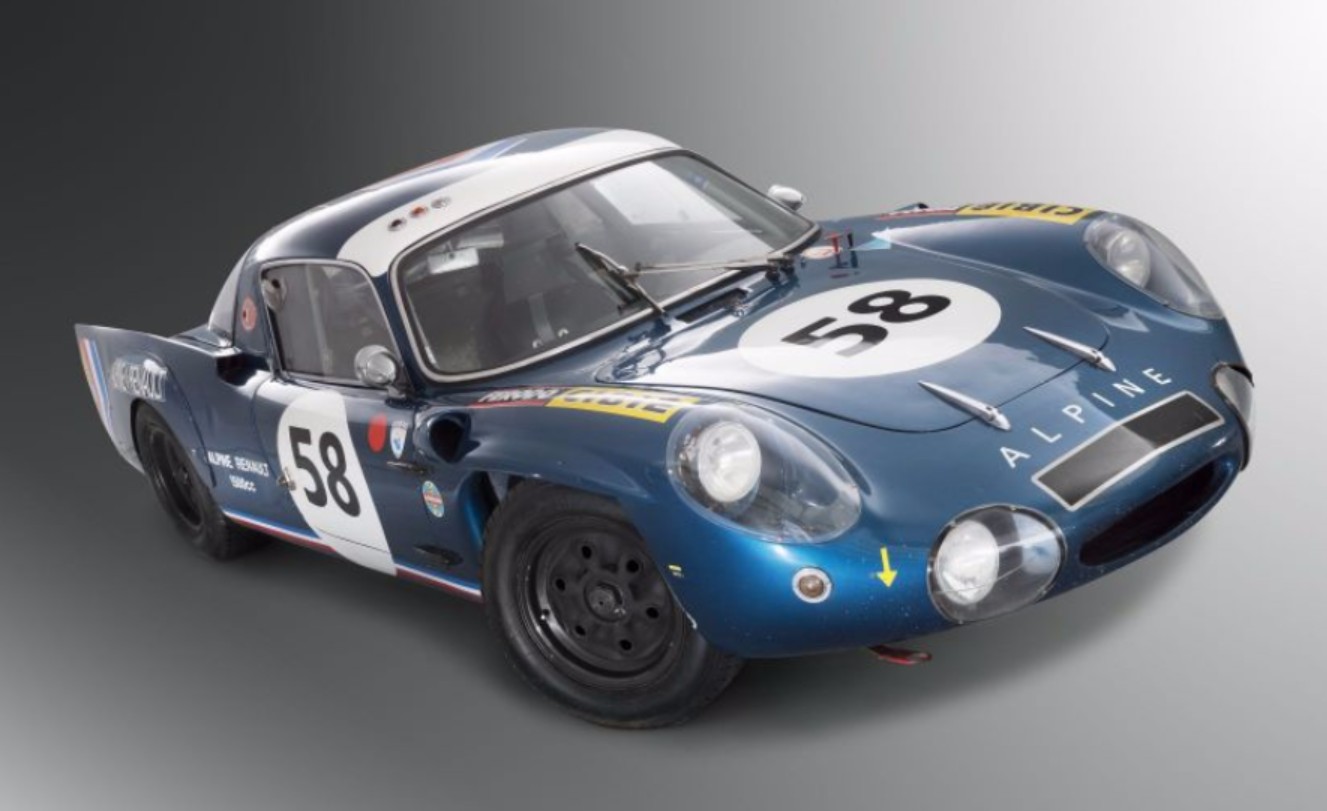
1966 Alpine A210

Offered by Artcurial | Paris, France | June 22, 2015

Photo - Artcurial

Photo – Artcurial

Alpine, the sports and racing car manufacturer, is best known for some of its road-going models, namely the A110. The company, which goes back to 1955, is now part of Renault and the marque is dormant.

Alpine also had a very long history of racing cars. New Alpine-branded racing cars have seen the track as recent as 2014. But if you go back to the 1960s, the company was intent on conquering the 24 Hours of Le Mans. They built a string of evolutionary racing cars for Le Mans, starting with the M63 in 1963.

This was the first A210 built (of seven total). There were at least three different engines used in this model. This car has had different engines over the years and is currently fitted with a 1.5-liter straight-four.

It’s race history includes:

  • 1966 1000km Monza – 18th (with Jean Vinatier and Roger Delageneste)
  • 1966 1000km Spa – 9th (with Delageneste and Jacques Patte)
  • 1966 24 Hours of Le Mans – 32nd, DNF (with André de Cortanze and Jean-Pierre Hanrioud)
  • 1967 24 Hours of Le Mans – 40th, DNF (with Philippe Vidal and Leo Cella)

This car is eligible (and has taken part in) many historic races, including the Le Mans Classic. It should sell for between $325,000-$550,000. Click here for more info and here for more from Artcurial.

Update: Sold $524,480.

1990 Williams F1 Car

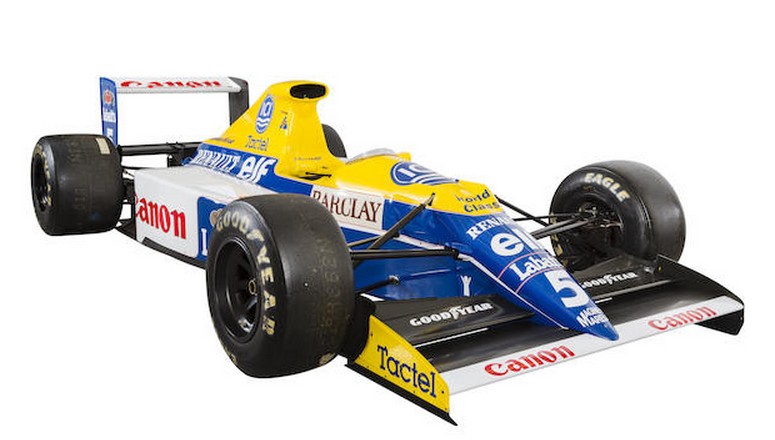
1990 Williams-Renault FW13B

Offered by Bonhams | Goodwood, England | June 26, 2015

Photo - Bonhams

Photo – Bonhams

Can you believe the Williams F1 team has been around since 1978? Considering they do not have huge funding dollars from a road-car division and were founded by a travelling grocery salesman and an engineer, they’ve done pretty well.

The FW13 was used in the final four races of the 1989 season and for 1990 it was updated to the spec you see here, and dubbed FW13B. It is powered by a naturally-aspirated Renault 3.5-liter RS2 V-10 and the car was used for the entire 1990 season.

The racing resume for this car includes:

  • 1990 United States Grand Prix – 3rd (with Thierry Boutsen)
  • 1990 Brazilian Grand Prix – 5th (with Boutsen)
  • 1990 Japanese Grand Prix – 4th (with Boutsen)
  • 1990 Australian Grand Prix – 6th (with Boutsen)

This car may never have won a race, but its sister cars did in the hands of both Boutsen and teammate Riccardo Patrese. The Canon Williams livery is a great 1990s F1 paint scheme. If you want to take this to track days, you’ll need to put in a little work as the Renault V-10 is currently inoperable (although it is correct). It should sell for between $140,000-$180,000. Click here for more info and here for more from this sale.

Update: Sold $160,748.

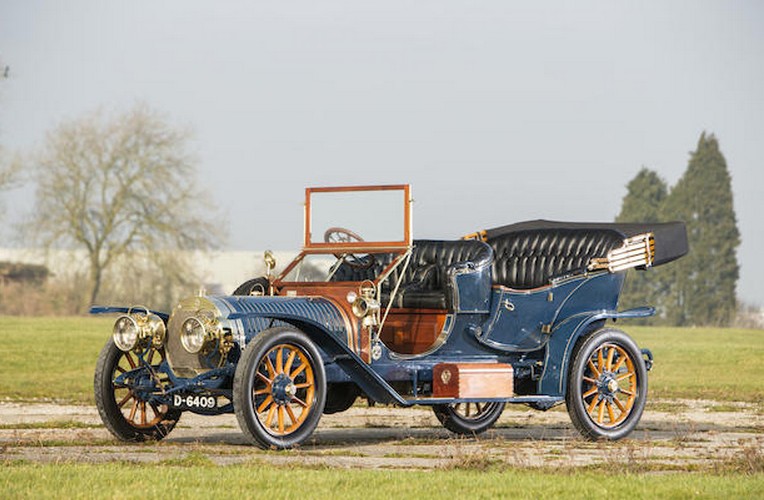
1910 Hotchkiss Roi-des-Belges

1910 Hotchkiss Type X6 Series 1 20/30HP Roi-des-Belges Tourer

Offered by Bonhams | Oxford, U.K. | June 20, 2015

Photo - Bonhams

Photo – Bonhams

This is an ornate machine. Look at that long barrel of an engine compartment and the extra long wheelbase (there is virtually no overhang on either end). It’s a classy automobile, that’s for sure.

Hotchkiss was founded in the 1860s by an American in Paris (or thereabouts) and the company lasted for nearly 100 years. Automobile building ended in the 1950s after over 50 years of production. This Type X6 an early example and it is proof that Hotchkiss built big, expensive cars. The engine is a 4.8-liter straight-six making 20/30 horsepower.

This car was saved from a scrapyard in Australia int he 1950s and the restoration you see here wasn’t completed until 1995. It’s a big, powerful Edwardian touring car – and it’s rare too. Only 27 Type X6s were built in 1910 (with an additional 51 being completed before the end of the model in 1912). Only two are thought to survive. It should bring between $120,000-$150,000. Click here for more info and here for more from this sale.

Update: Sold $144,286.

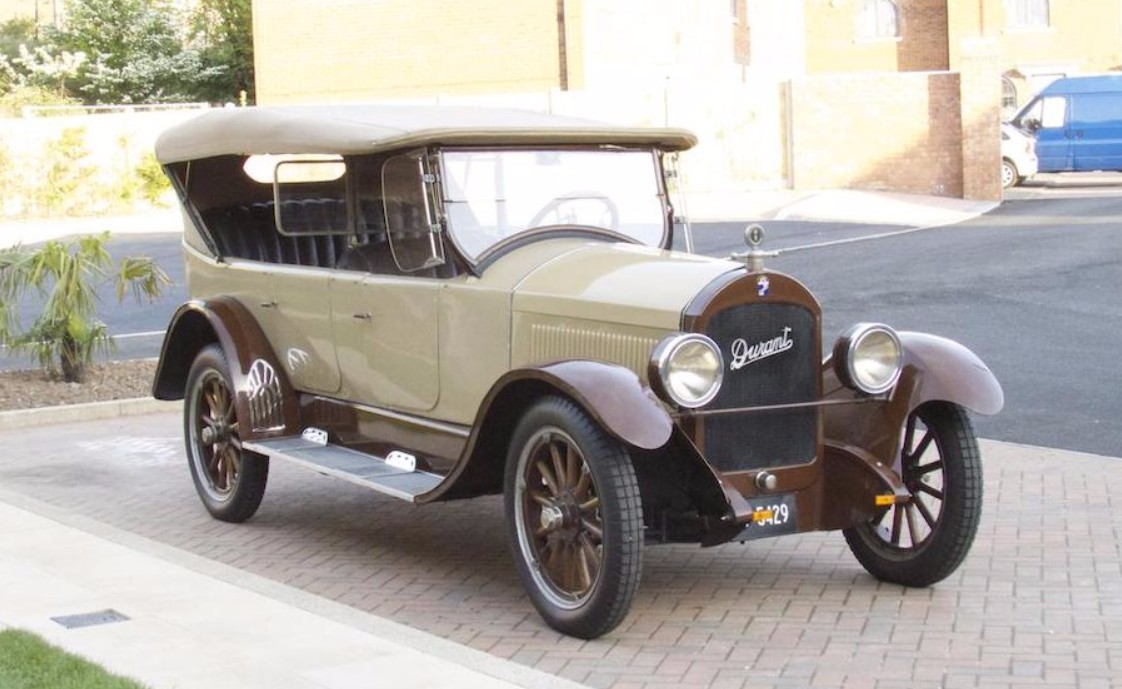
Durant Tourer

1922 Durant B-22 Tourer

Offered by Bonhams | Oxford, U.K. | June 20, 2015

Photo - Bonhams

Photo – Bonhams

The story of Billy Durant isn’t a super-happy one. It’s a shame that most people don’t even know who he was. He founded General Motors. Then got wedged out. So he attempted to found another General Motors (in the form of the company that bore his name). He introduced a couple of marques and then went bust when the Depression hit.

The Durant marque, under the Durant Motors corporate umbrella, was around from 1921 through 1932. The 1922 model range offered a four and six cylinder car (A-22 and B-22, respectively). The six-cylinder B-22 was built in 1922 and 1923 only and uses a 70 horsepower straight-six. It could be had in four body styles.

You don’t see Durants all that often, especially these early, larger-engined cars. This one made its way to Europe in 2008 and is entirely roadworthy. It’s neat, clean and attractive. It can be yours for between $28,000-$37,000. Click here for more info and here for more from Bonhams.

Update: Sold $25,499.

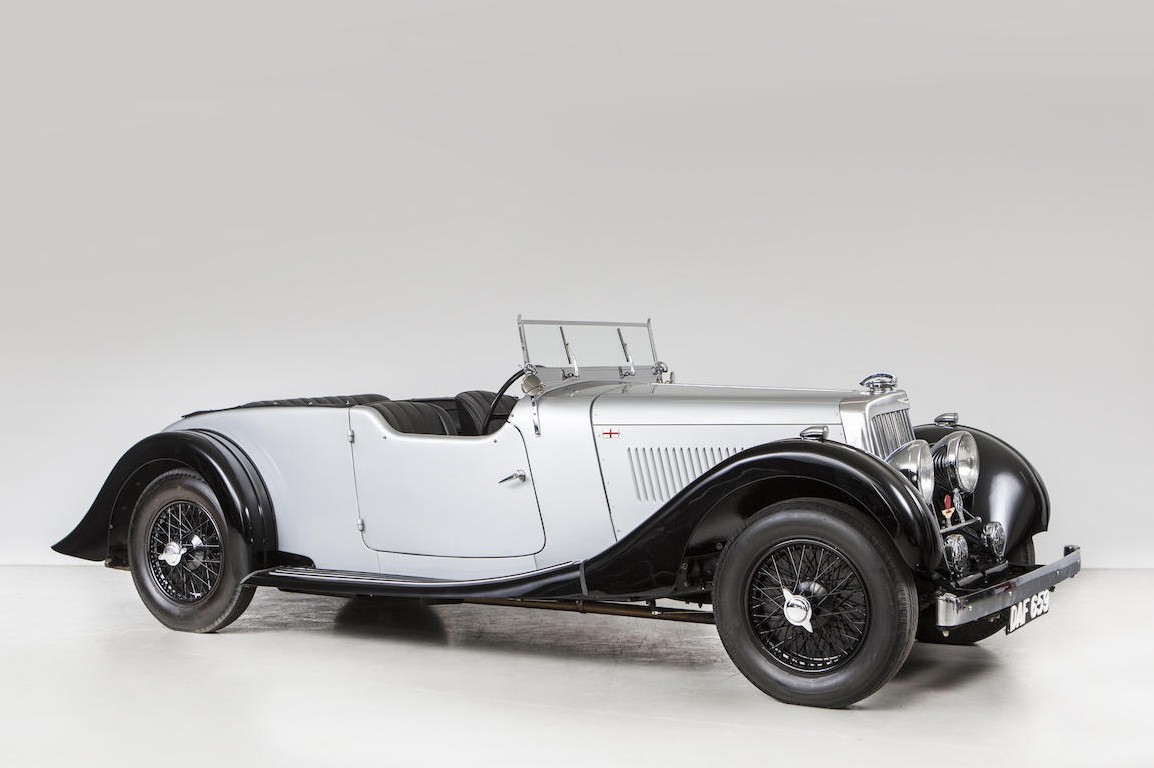
Aston Martin 15/98

1937 Aston Martin 15/98 Tourer

Offered by Bonhams | Goodwood, England | June 26, 2015

Photo - Bonhams

Photo – Bonhams

Every year Bonhams holds an all-Aston Martin sale yet this Goodwood Festival of Speed sale features some incredible pre-war Astons, including this beautiful 15/98 Tourer. I’m severely struck by this awesome color combination, as simple as it is.

The 15/98 was the final Aston Martin model introduced before WWII. It was built between 1937 and 1939 only. It has a 2.0-liter straight-four under the hood which is good for 98 horsepower and 85 mph.

This car has known ownership history from new and a flawless restoration undertaken in 2003. Pre-war 2.0-liter Aston Martins are exceedingly rare, with only 176 having been built between a few different models. The 15/98 Tourer you see here is one of only 24 four-seat versions of this model ever made. It’s pretty and could bring between $180,000-$230,000. Click here for more info and here for more from this sale.

Update: Not sold.

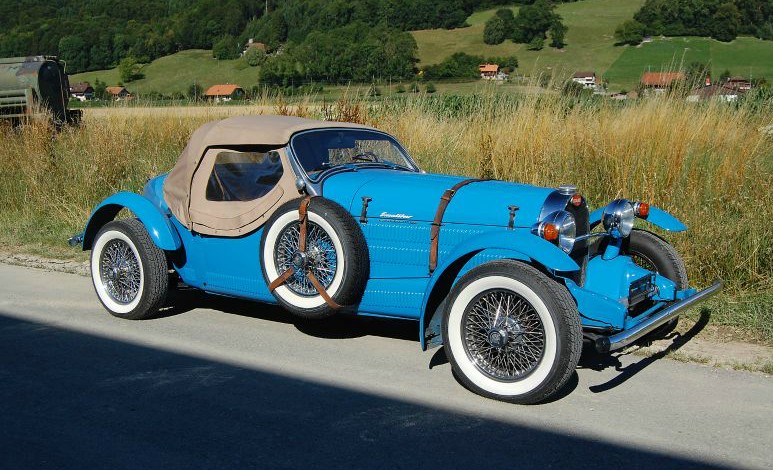
Excalibur 35X

1965 Excalibur 35X

Offered by Oldtimer Galerie | Zurich, Switzerland | June 13-14, 2015

Photo - Oldtimer Galerie

Photo – Oldtimer Galerie

Excalibur is a name that shouldn’t be wholly unfamiliar to car guy types as it was the brand of car that sort of founded the Neoclassic movement. The original car was designed by Brooks Stevens and was a Mercedes SSK replica built for Studebaker. But Studebaker went under and Stevens set out on his own to build the Excalibur – for more than 10 years.

But this isn’t the SSK replica. It should look vaguely Bugatti-ish as it was designed by Stevens and Guy Storr to resemble the Bugatti Type 35. They built a handful (27 to be exact) of these based on Opel Commodore running gear. That means it has a 2.5-liter straight-six under the hood making somewhere from 113-148 horsepower. The cars were actually assembled by Michelotti in Turin.

The first Opel Commodore wasn’t introduced until 1967 and various sources list various dates for the limited production Excalibur 35X (ranging from the mid-1960s to the late-1970s but in all likelihood from 1965-1969). In any case, these Bugatti-esque Excaliburs are dwarfed in number by the SSK models – many more of those were built over a longer period of time. So it’s not hard to believe that there is very little info out there on these. At any rate, this is expected to bring between $65,000-$75,000 at auction. Click here for more info and here for more from this sale.

Sorrell SR-100

1954 Sorrell-Manning Special

Offered by Auctions America | Santa Monica, California | July 18, 2015

Photo - Auctions America

Photo – Auctions America

Sorrell Engineering was a company based in Inglewood, California, in the 1950s and 1960s. Run by Bob Sorrell and his father, they fabricated bodies for a variety of different automobiles – all types of racing cars and even some show cars and customs.

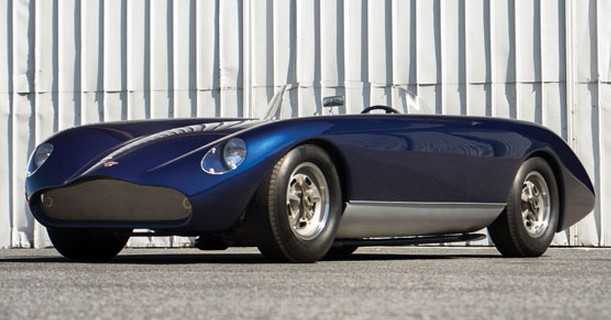
Bob designed a sleek fiberglass body in 1953 that he fitted to a Kurtis Kraft chassis. He called it the SR-100 and he actually ended up building seven of them for customers. But the final one, this one, never made it into a customer’s hands. The chassis was built by Chuck Manning, an aerospace engineer who built customs and racing specials on the side.

Sorrell retained this car until his passing in 2003, despite numerous offers to buy. The car was restored by the current owners and is powered by a Chrysler Hemi V-8, which the whole body lifts up – funny car-style – to reveal. This car is known as the Sorrell-Manning Special, but it is also known as a 1954 Sorrell SR-100. It is expected to sell for between $175,000-$225,000. Click here for more info and here for more from this sale.

Update: Not sold, high bid of $125,000.

Delaney Delta

1954 Delaney Delta

Offered by Osenat | Fontainebleau, France | June 14, 2015

Photo - Osenat

Photo – Osenat

Delaney Gallay, still in business as Gallay Ltd, traces its roots back to Jean Gallay in Switzerland in 1911. The Delaney family joined the company (or bought it, or something) at some point and it moved to the north of London. The company has built car parts for a long time and still manufactures bits and pieces for companies like Caterpillar, McLaren, and BAE.

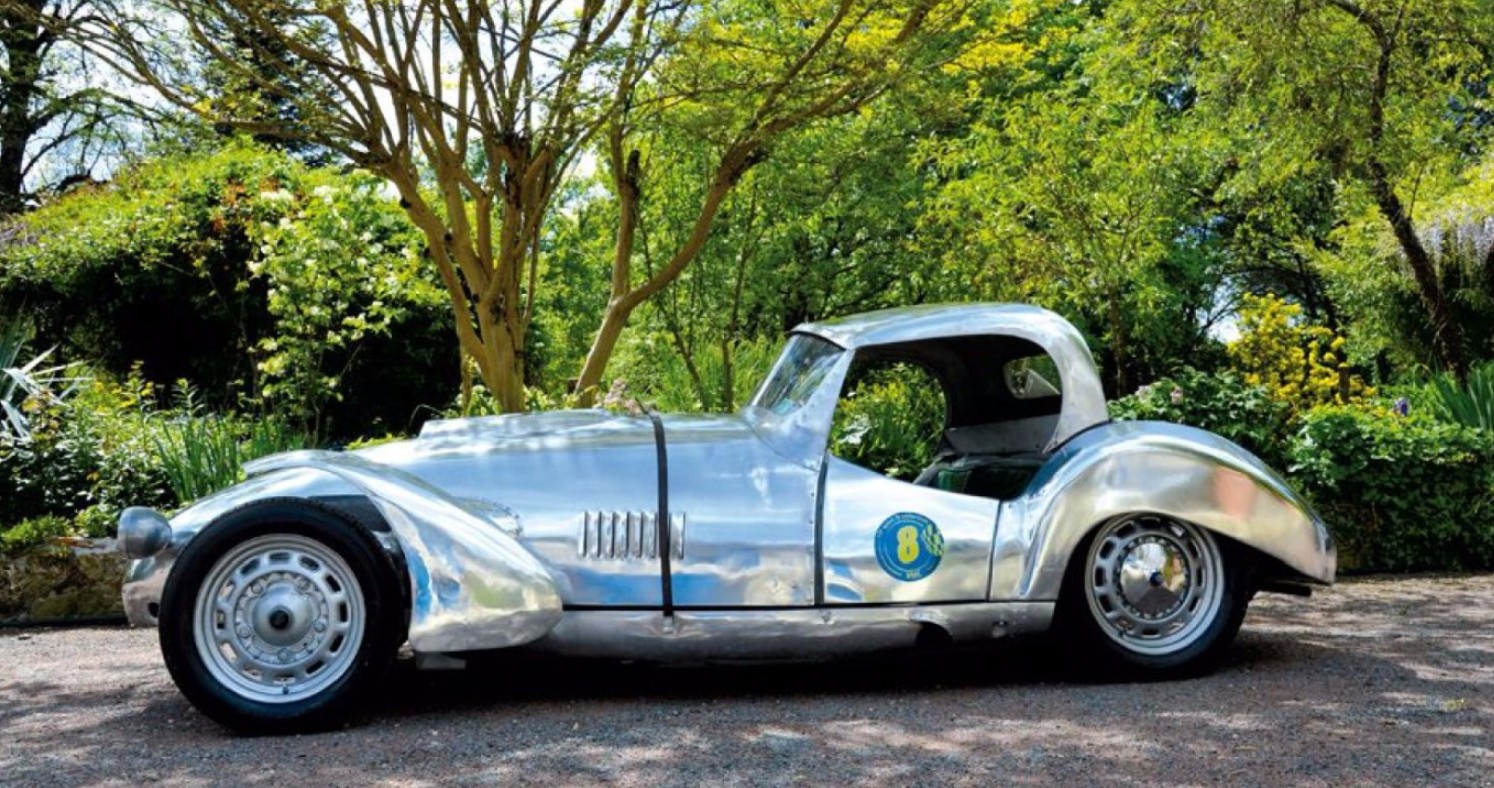
Eric Delaney was part of Delaney Gallay and he built the above car. He had a chassis built by John Griffiths and attached a 1.2-liter Ford straight-four. The hand-fabricated aluminium body work was built at Delaney Gallay.

Delaney raced the car for a few years before letting it sit. It was sold in 1970 and rediscovered in the 80s. A small restoration was carried out to repair what was needed and at that time, the car was green. It has since been stripped to bare aluminium and is race ready. It’s the only one like it anywhere and it could be yours. Click here for more info and here for the rest of this sale’s lineup.

Update: Not sold.

1995 Lola Champ Car

1995 Lola-Cosworth T9500

Offered by Motostalgia | Indianapolis, Indiana | June 12, 2015

Photo - Motostalgia

Photo – Motostalgia

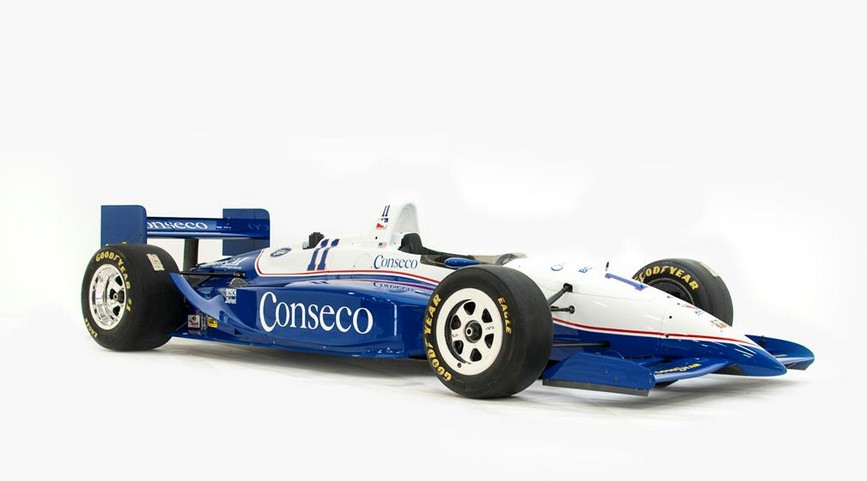
Lola was one of the main Indy Car/Champ Car chassis producers in the 1990s. This car was actually from the CART series – which, in this time period, was fantastic. American open wheel racing in the 90s was a really bright spot in racing history… well, at least through 1995.

The T9500 was Lola’s 1995 entry and this particular combo has a Cosworth XB V-8 – a turbocharged V-8, actually, making in excess of 750 horsepower. This car has Indy 500 history, including:

  • 1995 Indianapolis 500 – 31st, DNF (with Eddie Cheever)
  • 1996 Indianapolis 500 – 10th (with Scott Sharp)

This was actually an A.J. Foyt racing team car, which can’t hurt the value. It’s a pretty cool machine, although I’m not sure what you’d do with it (unless you’re some kind of daredevil that likes taking 750 horsepower open wheels cars to track days). Anyway, it should cost its next caretaker/pilot between $210,000-$250,000. Click here for more info and here for the rest of this sale’s lineup.

Update: Sold $93,500.