Duesenberg J-151

1929 Duesenberg Model J Sport Sedan by Murphy

Offered by RM Auctions | Monterey, California | August 17, 2012
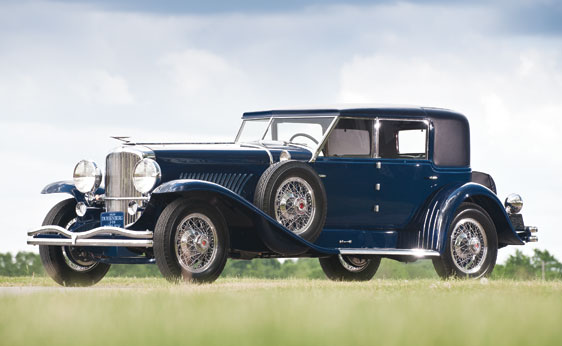
By this point, you should know that every Model J Duesenberg came with a 265 horsepower straight-8 engine. If you’ve been coming to this site often, you might also recognize that the name “Murphy” seems to appear on more Dusenbergs than not.

So how about a little history of the Walter M. Murphy Co.? Walter Montgomery Murphy was born in Detroit, but the company that bore his name was based in Pasadena, California. Although the family business was lumber, automobiles ran in their lines as well, as Murphy’s father was an investor in Henry Ford’s first attempt at automobile production with 1899s Detroit Automobile Company, which failed a year later. The firm was reorganized as the Henry Ford Company in 1901 and eventually Ford was replaced by Henry Leland and it was renamed Cadillac.

The Leland and Murphy partnership would be a crucial step toward the development of the Murphy coachbuilding company. After WWI, Henry Leland founded Lincoln and Walter Murphy realized that these new grand cars would need magnificent bodies. The new class of Hollywood elite would be the perfect customer base, he thought, and set up shop as the Walter M. Murphy Company in Pasadena.

And movie stars did end up being a major part of Murphy’s customer base. Mary Pickford, Buster Keaton, Gary Cooper, Rudolph Valentino, Howard Hughes and many more all owned Murphy-bodied cars. Murphy did cars for Lincoln, Bentley, Bugatti, Cord, Packard, Marmon and more. They also bodied more Model J Duesenbergs than anybody else (about 140 of them). In 1931, Murphy saw the demand for custom-bodied cars dwindling and sold his interest in his company in 1932. The new owner could only keep it afloat for six months before it closed for good.

This car, with engine J-151 was one of the earliest Model Js built and one of the first two bodied by Murphy. It spent its life until 1985 with the family that originally purchased it. It has had two owners and a restoration since, being shown at Pebble Beach in 1986 and 1994, winning a second-in-class award in 1986.

The estimate on this car was $800,000-$1,000,000. For the complete lot description, click here.

Update: Sold $990,000.

Update: Sold, RM Sotheby’s Monterey 2022, $1,710,000.
Duesenberg JN-560

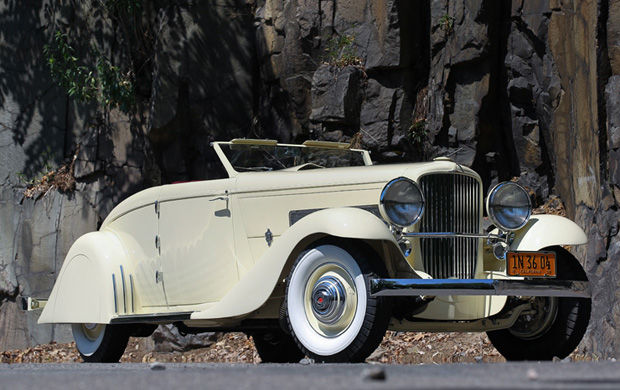
1935 Duesenberg Model JN Convertible Coupe by Rollston (and Bohman & Schwartz)

Offered by Gooding & Company | Monterey, California | August 19, 2012

You might be saying, “Hey, the Pebble Beach sales have already concluded, why are you still featuring cars from them?” Well, that’s because there were so many great cars that I just went ahead and skipped all of the Duesenbergs (except for the one from Mecum). I figured we could feature them post-auction as there is a short lull before any other big sale. Turns out, that lull isn’t long enough because there were no less than seven of these beautiful Dueseys for sale in Monterey. So saddle up, because for the next week or so it’s nothing but Model Js.

This might be the most desirable Duesenberg of all during the Monterey weekend. The Model J was introduced in 1929 (and it was expensive) and almost immediately, the selection of people who could afford such a car dwindled rapidly. The SJ was introduced in 1932 with some more power. By 1935, Duesenberg was struggling mightily. They updated the Model J to JN specification, which was more modern looking. All had Rollston bodies and only 10 were built.

The engine remained the same 265 horsepower 6.9-liter straight-8 of the cars before it. Some things did change, like the wheels – they were smaller. The cars had sleeker bodies with skirted fenders and new taillight designs. The designs – especially this one – embraced the Art Deco look better than their predecessors.

This car was purchased new by Clark Gable. The full lot description includes the great story of him and this car, it’s worth a read but I won’t just copy it here. Originally a Rollston Convertible Coupe, Gable took the car to Bohman & Schwartz who updated it to the much more dramatic car you see here, the design being done with Gable’s input. In the late 1940s, after the death of Carole Lombard, Gable’s wife, he sold the car.

It changed hands numerous times, spending about 10 years in the Blackhawk Collection until 2006, when the current owner bought it and restored it to how you see it now – that is, how it was when Clark Gable and Carole Lombard cruised the streets of Beverly Hills with it in the 1930s. It originally had engine J-560 in it, but in the 1950s engine J-521 was installed. It currently has the 560 number on it, but could probably best be described as having bits of both.

The is one hell of a car with one hell of a history. The fact that Gooding lists the estimate as “available upon request” when they feel quite comfortable quoting prices up to $10 million for other cars, means this car is going to bring a ton of money. For the complete description (including the very narrative-like story of Gable and Lombard’s courtship), click here.

Update: Not sold.

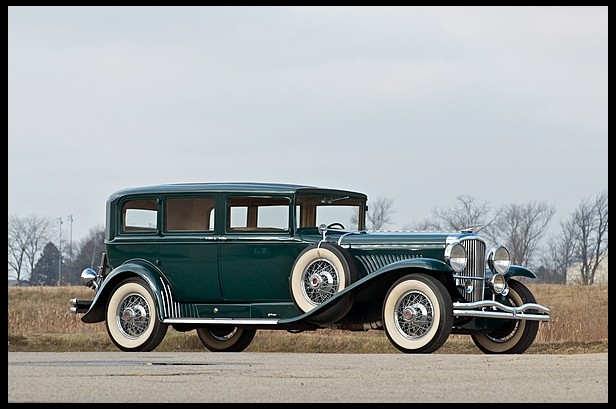
Duesenberg J-306

1930 Duesenberg Model J Limousine by Willoughby

Offered by Mecum Auctions | Monterey, California | August 18, 2012

Duesenberg Fridays continue. This one is being sold at Mecum’s Monterey sale and it looks great. This is a rare numbers-matching Duesenberg that doesn’t have its original engine. Many of these cars swapped engines (and bodies) over the years, and the factory records of what chassis was fitted with which engine and who coachbuilt what for it, never seems to match reality. But this car has a slightly different story.

It was born with J-383, which was considered “defective” and replaced by Duesenberg with J-306. The 7-passenger limousine body was added by the Willoughby Company of Utica, New York – and this is the original body. Willoughby was founded in 1893 as a carriage manufacturer. After a fire in their Rome, New York, factory, they relocated to Utica and it was here that they received the first order for automobile bodies in 1899 from Columbia Electric.

In addition to Columbia Electric, Willoughby built bodies (both one-off/custom and large orders placed by automobile manufacturers) for the likes of Studebaker, Cadillac, Marmon, Packard, Franklin, and the American arm of Rolls-Royce. Though, there are, perhaps, few more regal than this large, enclosed Duesenberg in stunning dark green. Willoughby bodied its last cars, mostly Lincolns, in 1938 before shutting down for good in 1939.

Mecum doesn’t publish estimates, but look for the price to head north from $500,000. For more information, click here. And for more from Mecum in Monterey, click here.

Update: Not sold (after reaching a high bid of $350,000).

Update: Sold, $370,000 (at Mecum Auctions in Anaheim, California, 2012).

Update: Not sold, RM Sotheby’s, Hershey 2022.

Duesenberg J-127

1932 Duesenberg Model J Sedan by Holbrook

For Sale at The Auto Collections | Las Vegas, Nevada

Since it is our intention to feature as many Model J Duesenbergs as possible on this site, there will come a point where there is nothing new left to say about each car. Yes, they all have the same 265 horsepower straight-eight engine. And they all have custom coachwork from various coachbuilders. Some of them have an interesting story or ownership history, which we’ll try to touch on.

Some are “just Duesenbergs” – if I can say that. This one is a sedan without any former celebrity owners. And since I’ve already exhausted just about everything I can say about this particular car, allow me to furnish the story with a brief history of Holbrook, the company the designed this sedan body.

Founded in 1908 by the merger of two small coachbuilders (one owned by company namesake Harry F. Holbrook, the other by Jack Graham), Manhattan-based Holbrook Company built bodies for all of the top firms of the period, including Rolls-Royce, Isotta-Fraschini, Pierce-Arrow, Cadillac, and of course, Duesenberg. At least three Holbrook-bodied Duesenbergs are known to exist. Harry Holbrook left the company in 1913 and started a competing company in 1927 while partnering with Henry Brewster, who had also left the company bearing his name (it didn’t last). Holbrook was re-organized in 1929, but it spelled disaster and the company was liquidated the following year.

So, how is it that a 1932 Duesenberg could have a body designed by a company that went out of business in 1930? Well, this chassis (#2350) was a 1932 model. It originally contained engine J-338 and a five-passenger sedan body by Derham. At some point, J-127 was installed and the body was switched to the Holbrook sedan you see here.

Price is not listed on the website but this car changed hands in 2004 for $240,000. It popped up later that year for $395,000. I’m sure the price has only increased since. You can find out more here.

Duesenberg J-272

1930 Duesenberg Model SJ Convertible Victoria by Rollston

Offered by RM Auctions | Plymouth, Michigan | July 28, 2012

I’ve always imagined the 1920s to have been just one big party. The “war to end all wars” was over and things would continue to improve until the end of time. The Jazz Age, in full swing for some time, was reaching its zenith when the Model J Duesenberg was introduced. Unfortunately it would end almost immediately thereafter.

If there is any single thing in my mind that defines the Jazz Age, it is George Gershwin’s “Rhapsody in Blue” – a near-perfect combination of classical music and jazz. Many people consider it one or the other but I happen to think it is the greatest example of both. This absolutely amazing piece of music was commissioned in 1924 by Paul Whiteman, a bandleader referred to in the media as “The King of Jazz.” His arrangement of “Rhapsody in Blue” for full orchestra is the definitive version this song. A shellac 78 record of Whiteman’s version is spinning across the room as I write this.

So what does any of this have to do with this car? Well, this car was purchased new by Paul Whiteman with the original body being a LeBaron Sport Phaeton. Whiteman sold the car in 1932 and the new owner replaced the original body with the Convertible Victoria style by Rollston you see here, making it one of 16 Rollston Convertible Victorias built and one of 57 Rollston-bodied Duesenbergs in total. The new owner also had a supercharger installed, bumping horsepower from 265 to 320. This move also elevated this car into a whole new realm of collectability.

When it comes to American cars, the SJ Duesenberg is exceeded in price by few and in desirability by even fewer. For me, this SJ (engine no. J272) would be the one to have because of its direct connection to the Jazz Age – an era like no other. If I had the means, this car would soon be in my garage – and while it’s no yellow Rolls-Royce, I would drive this thing around town like I was Jay Gatsby himself.

The pre-sale estimate is $850,000-$1,200,000 – putting it just out of my reach. To read more about this car, click here. And to see more from RM at St. John’s, click here.

Update: Sold $957,000.

Update: Sold, Mecum Indianapolis 2021, $2,970,000.

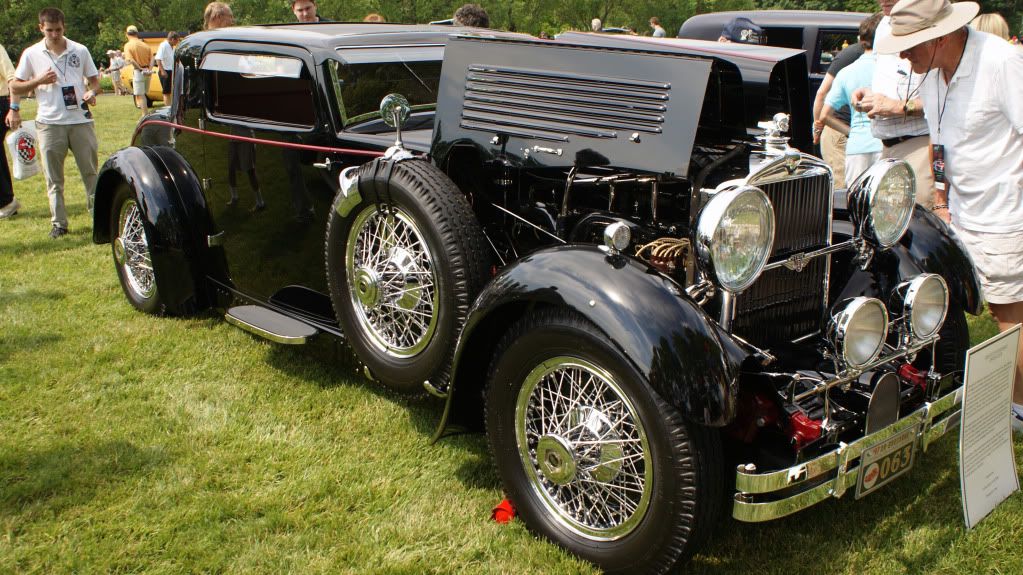
2012 Ault Park Concours d’Elegance

The 2012 Ault Park Concours d’Elegance, held in one of Cincinnati’s most beautiful parks in one of Cincinnati’s most uppity neighborhoods, was held two weekends ago. The show was full of some of the finest cars from around the mid-west. This year’s featured marque was “A Century of American Power.” Classic Car Weekly was in attendance and here are some of our favorites.

Our pick for best in show was this 1929 Stutz Model M Lancefield Supercharged Coupe.  It came out of the Mitchell Collection in Texas and is the only surviving example of the five originally built. The low roof-line and gives this car a truly sporting presence.

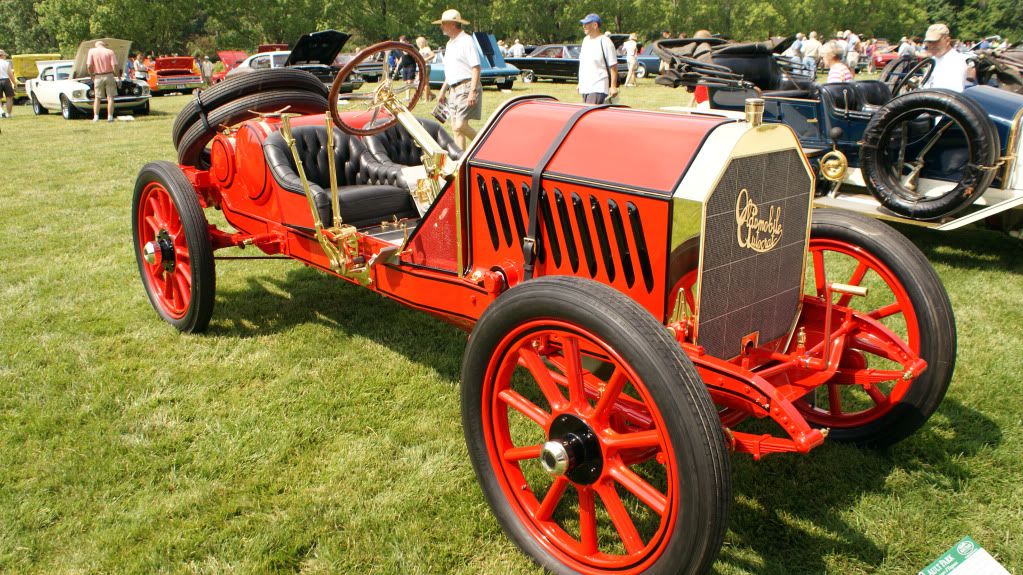
One of the other awesome rides was this 1910 Oldsmobile Autocrat Prototype Race Car built for the 1910 Vanderbilt Cup. Old race cars like this are fascinating – they’re as big as trucks and the driver and riding mechanic were just hanging on, completely exposed to the elements in tiny little seats with absolutely no protection whatsoever. Also, don’t forget about the 7.7-liter four-cylinder hanging out front.

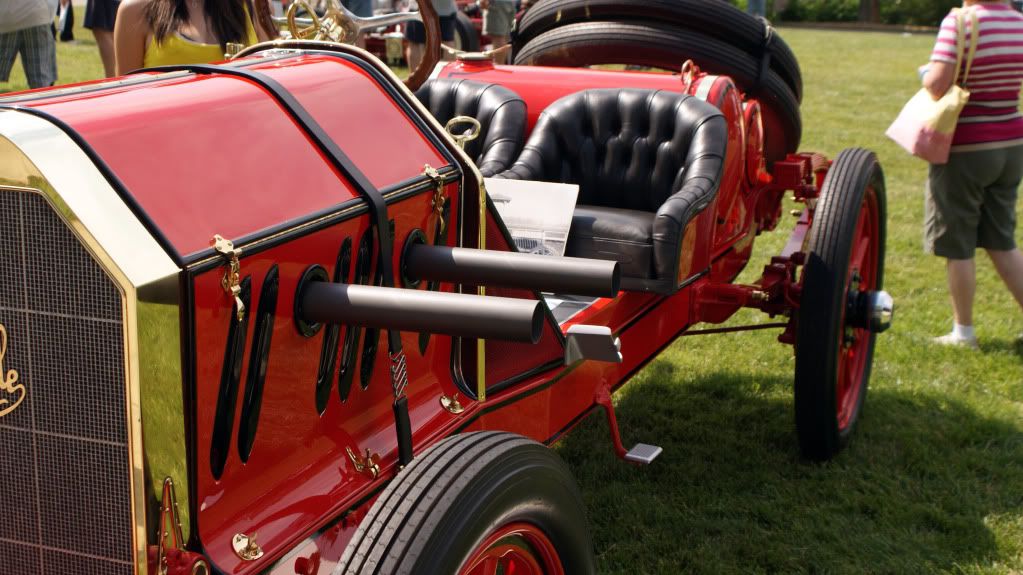
Oh, and check out these exhaust, which look like something of a battle tank:

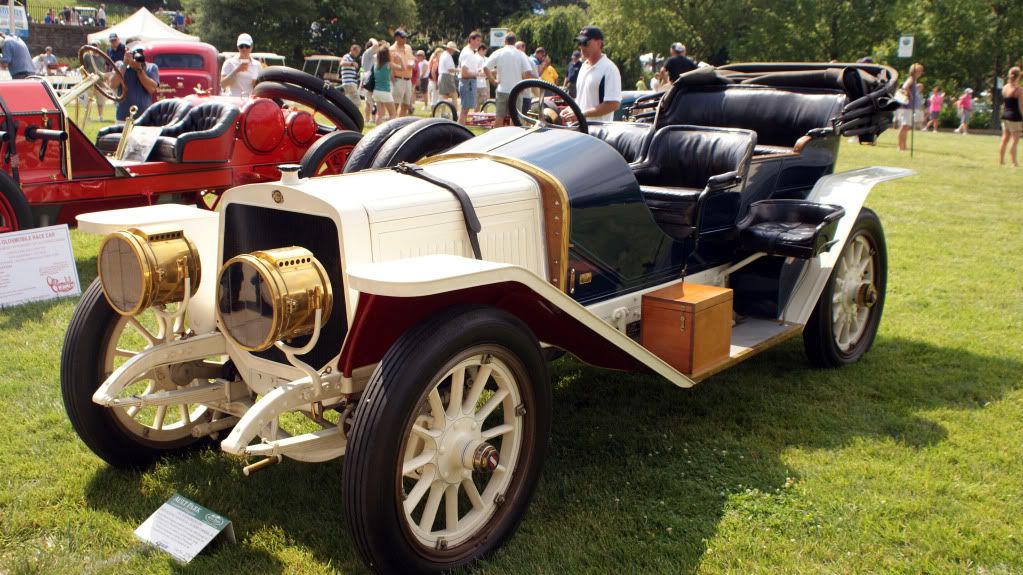
I really enjoyed this 1911 Lozier Briafcliff, as it was gigantic. A gentlemen hanging around it all day tried to convince me that it was worth $40 million. I nodded and smiled but politely declined to tell him he was insane.

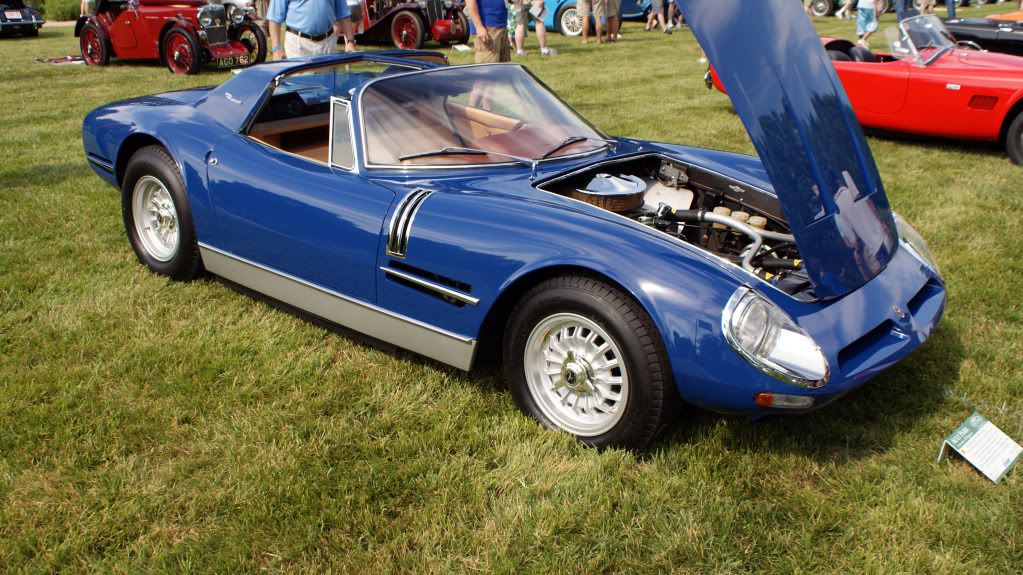
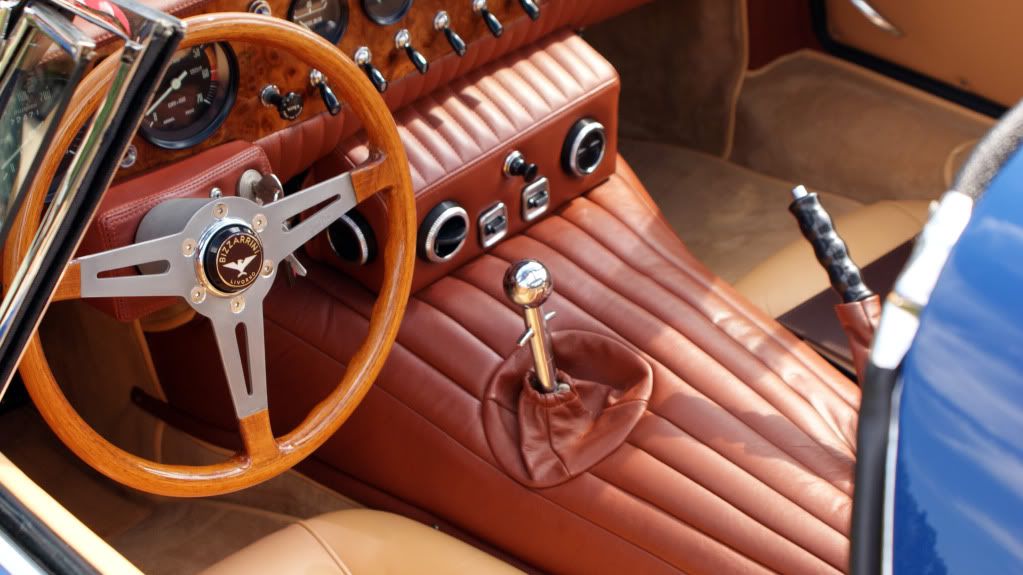
This 1968 Bizzarrini 5300 Spyder is one of three 5300 Spyders built. It has a 327 Corvette engine making 350 horsepower and a stunning interior.

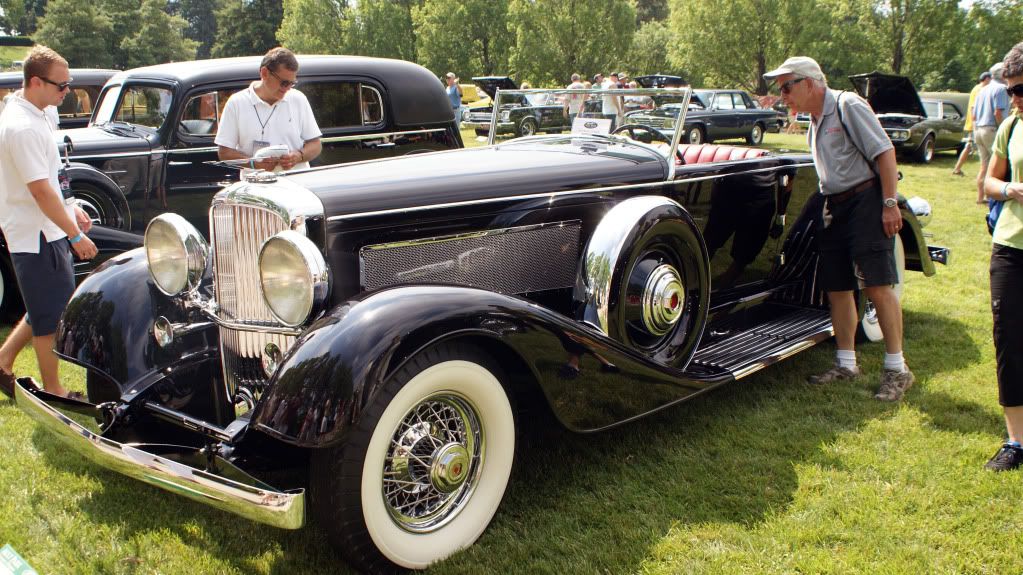
One of the most mind-blowing aspects of this show, was that, on either side of the Stutz mentioned above, there was an SJ Duesenberg. Not a bad day when there are multiple SJ Duesenbergs vying for your attention. This one is a 1929 Bohman & Schwartz Disappearing Top Roadster. 320 horsepower and 140 mph in 1929 must have been incredible.

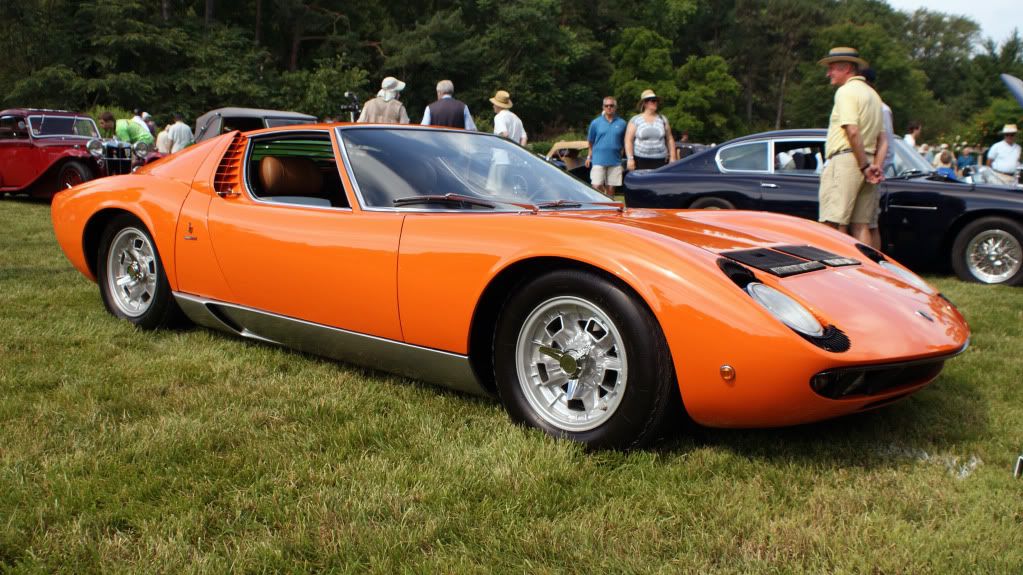
Another exotic was this 1969 Lamborghini Miura S, one of 338 built. Only when standing next to one of these do you realize how impossibly low they sit to the ground. What a wonderful machine.

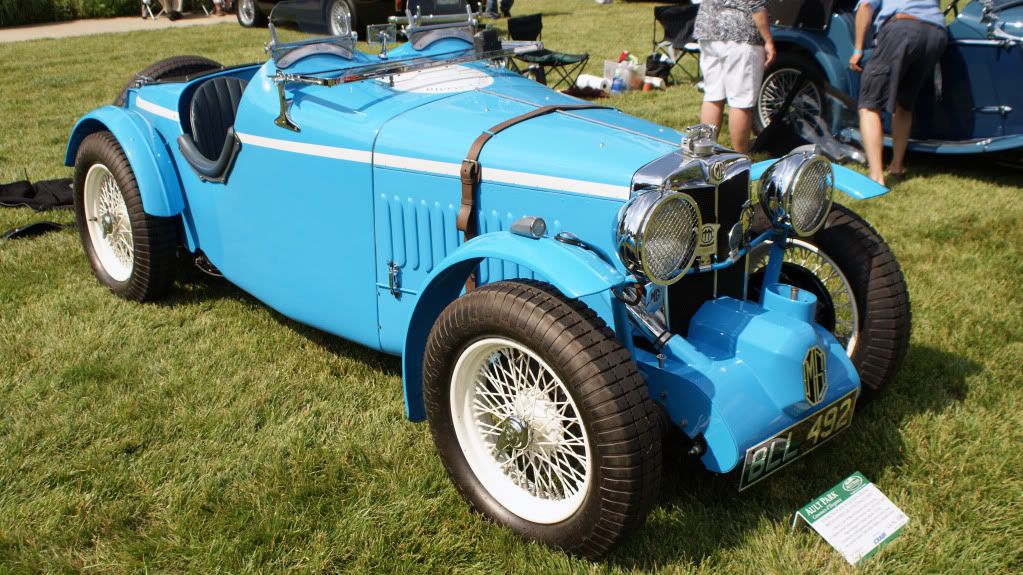
MG was a featured marque this year. Two cars that really stood out included this brilliant blue 1934 NA Evans-Wilkinson Special, one of three built.

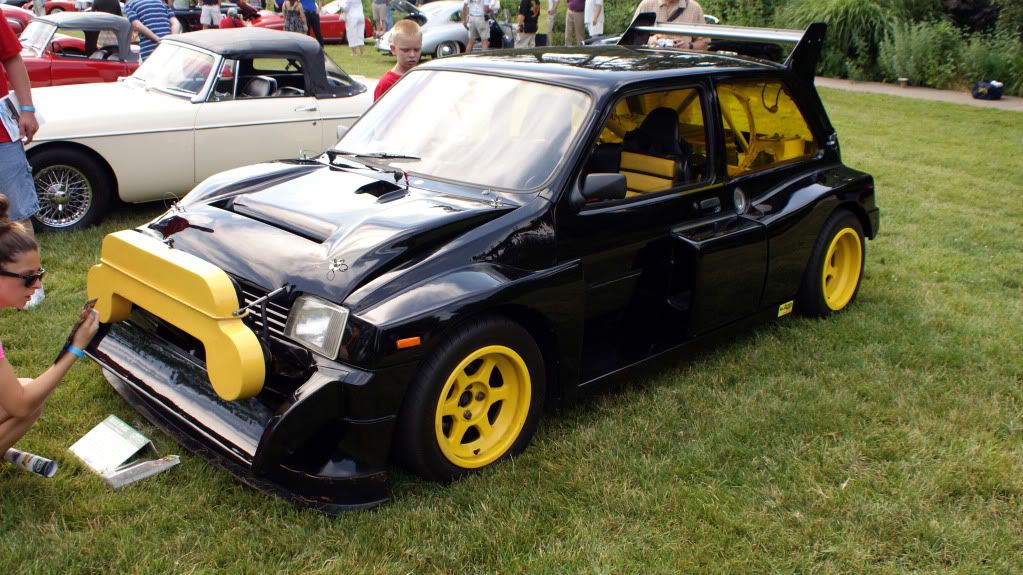
There other super-cool MG was this crazy 1985 Metro 6R4 Group B Rally Car from the Lane Motor Museum in Nashville, Tennessee. It was built by Williams F1 for the rally circuit and, yes, crazy is the correct word.

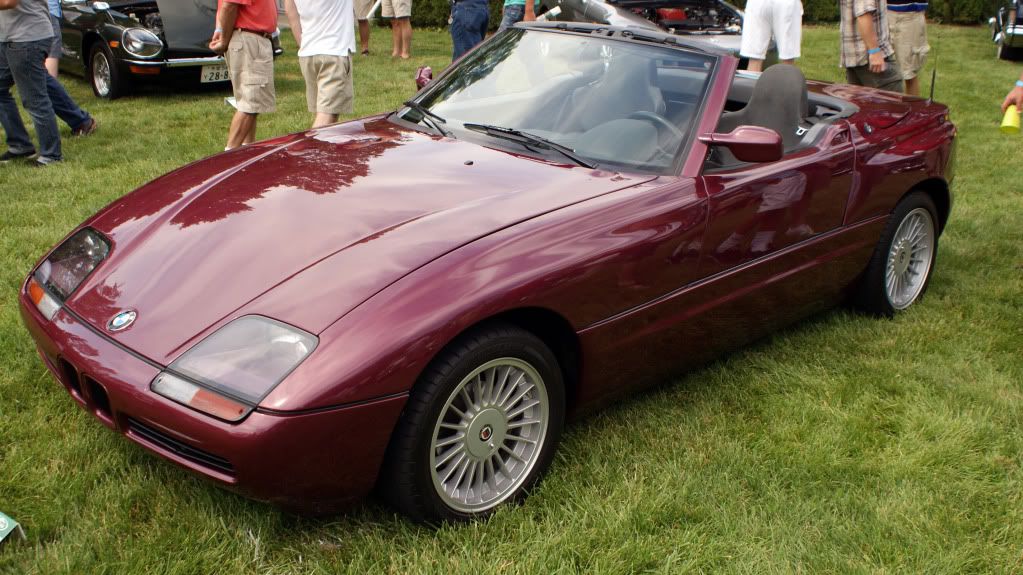
Some other interesting, newer cars include this 1991 BMW Z1, a car you don’t see often, especially in America.

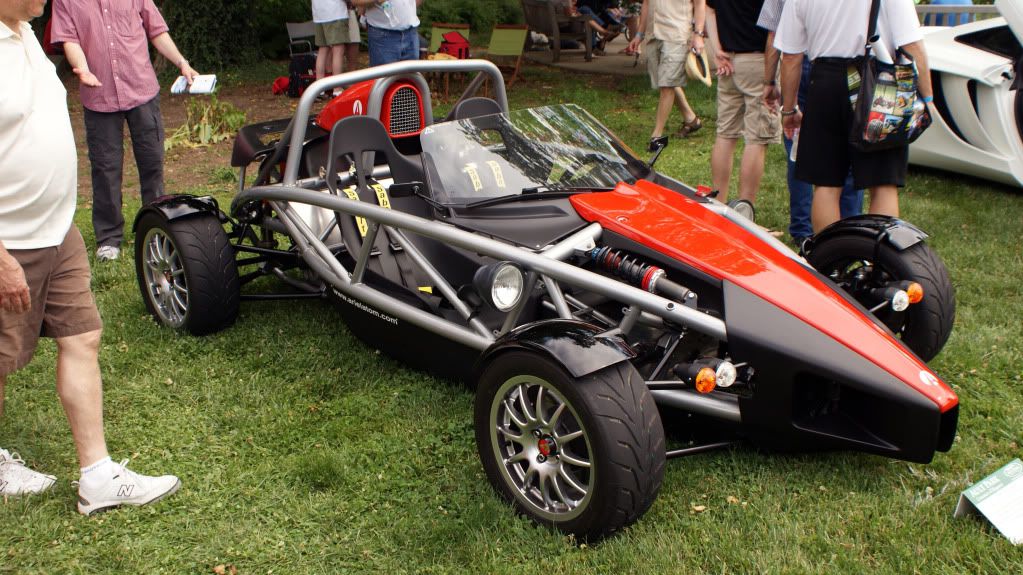
This track-day special (although it was listed as “street-legal”) 2009 Ariel Atom 3 drew a crowd, as you could look around it and see just about every part on/in/within it.

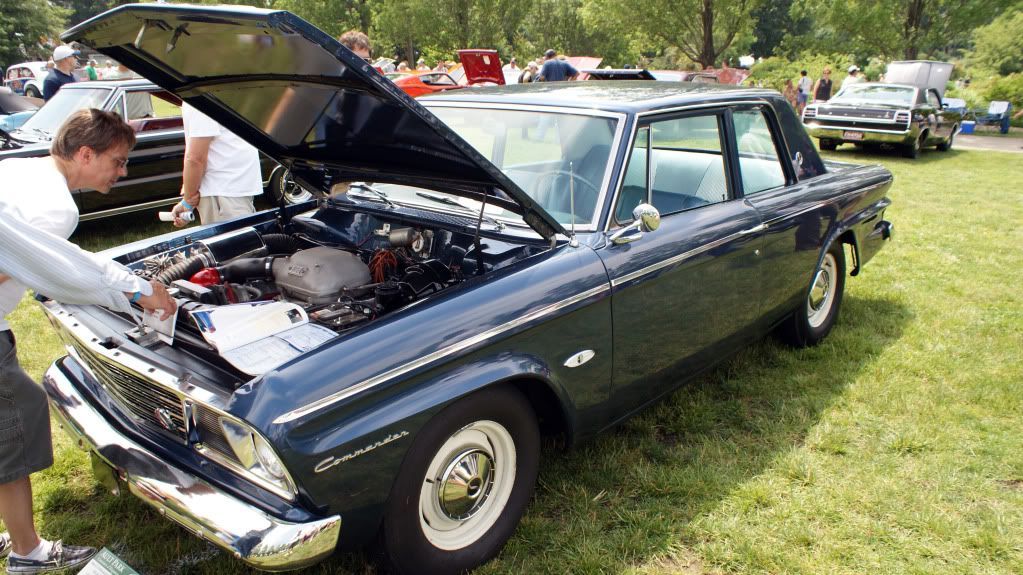
American classics (and muscle cars) were prevalent, with muscle cars being part of the featured “American Power” motif. Easily the most interesting among them was this 1964 Studebaker Commander Super Lark – the only production steel-bodied R-3 package car with the 5.0-liter supercharged V8, which was built for Studebaker by the Granatelli Brothers. It was the fastest compact car in the U.S. when it was built, turning sub-13 second 1/4 miles in excess of 110 mph.

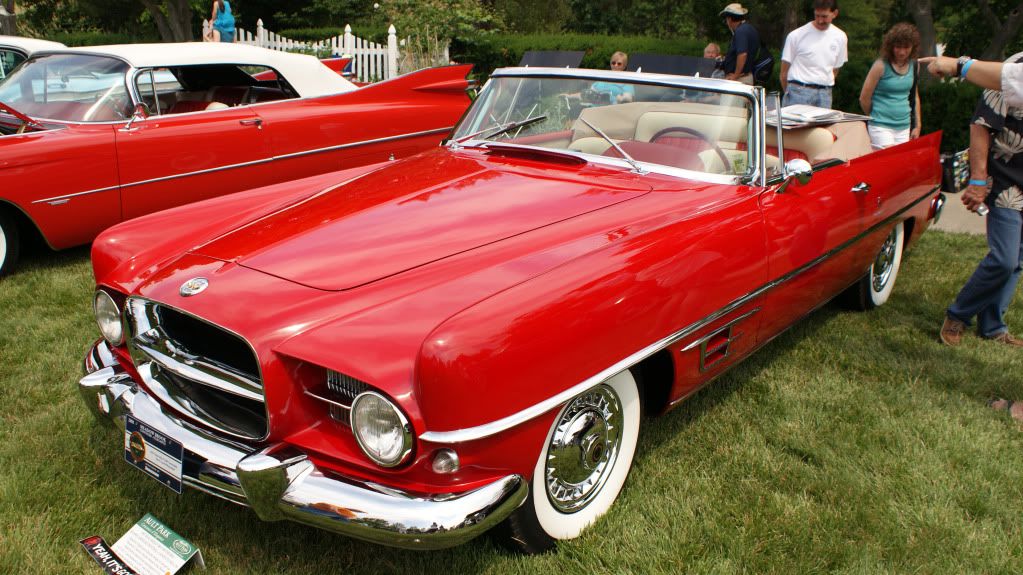
Other fantastic American (or semi-American) classics include this 1957 Dual-Ghia D-500 Convertible. Dual-Ghias are simply beautiful cars and this one in red was no exception.

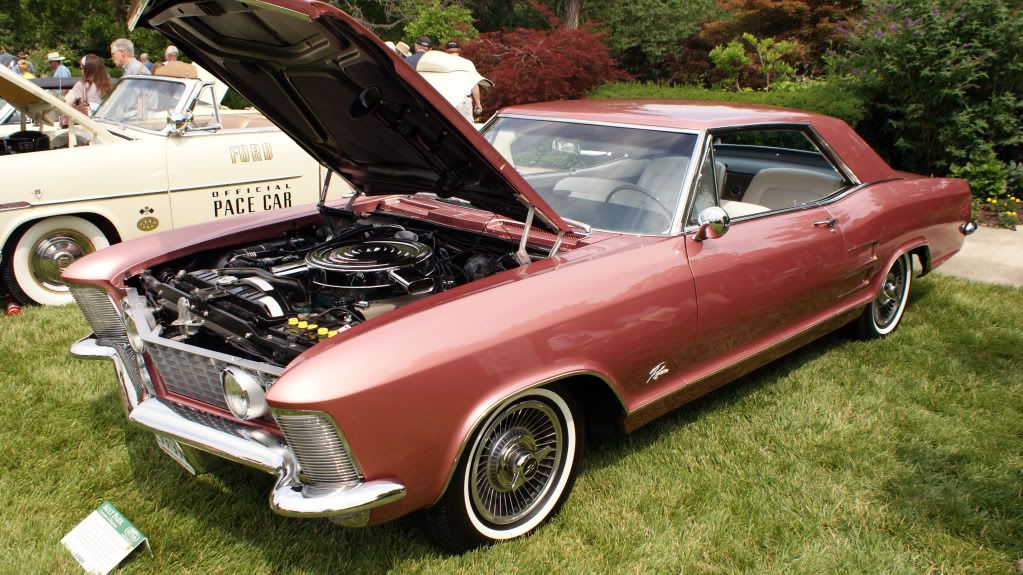
And finally, this 1964 Buick Riviera looked amazing in Coral Mist, my new favorite automotive color. It has the 425 cubic inch Super Wildcat V8, making 360 horsepower.

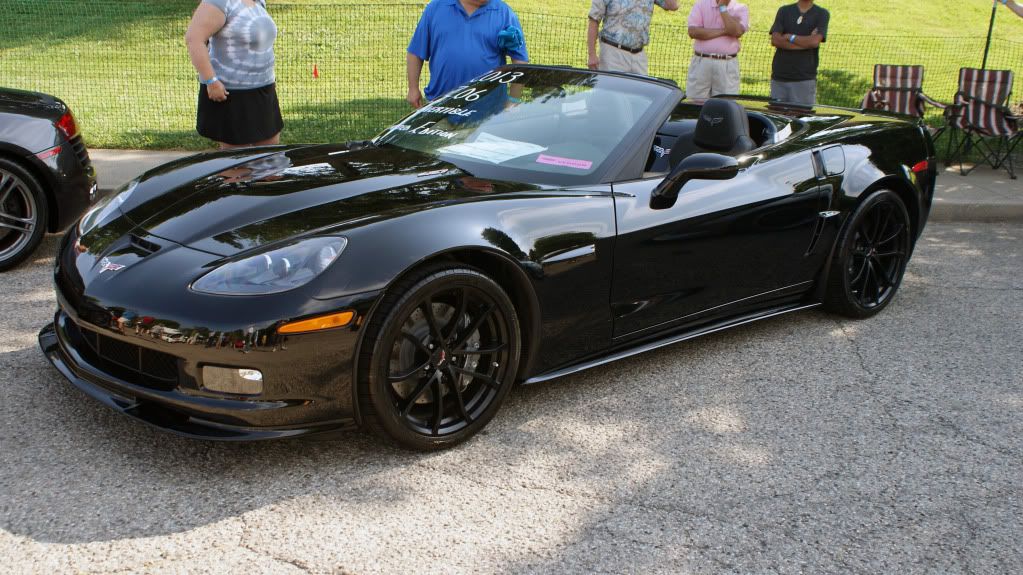
And what would any good car show rundown be without a trip through the parking lot, a car show in itself. Some of the more impressive cars I saw included a 2013 Chevrolet Corvette Z06 Convertible. It looked mean, and made me wonder why GM hadn’t built these before.

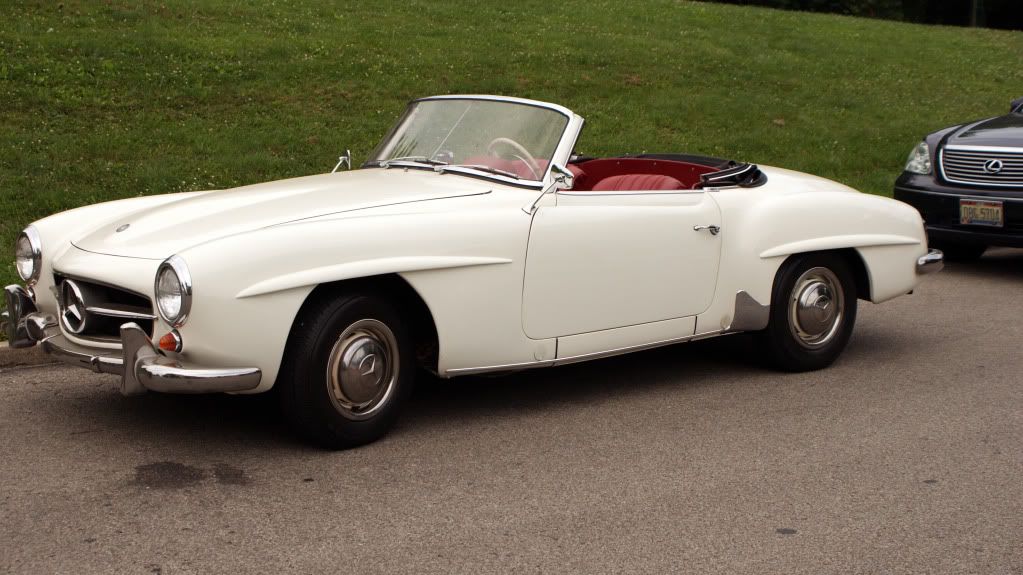
This Mercedes-Benz 190SL Roadster was pretty classic and it looked fun, as it drove past me with four people packed in and on it, having a good time.

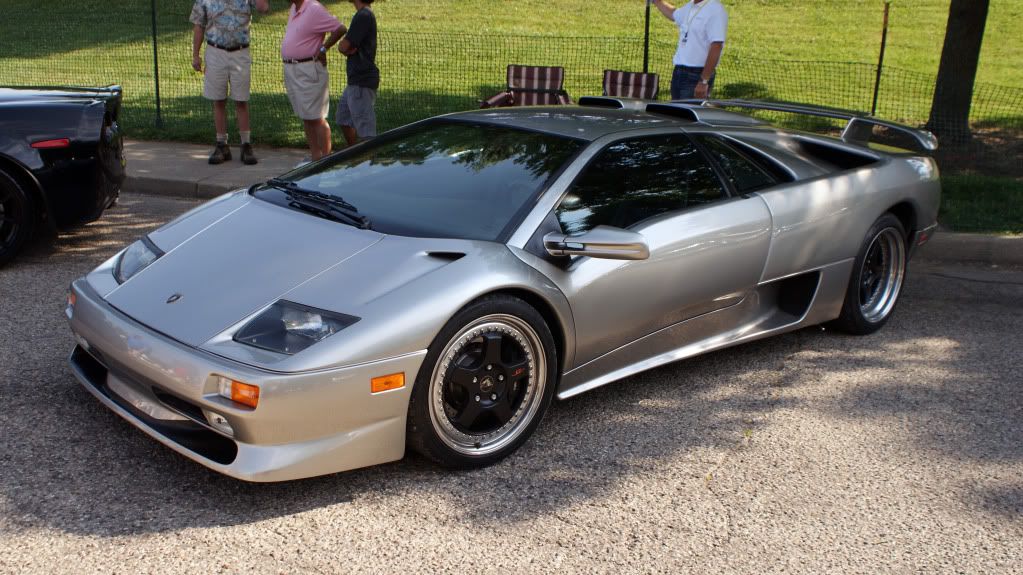
This Lamborghini Diablo SV got the attention of the high-school student within me – and plenty of others.

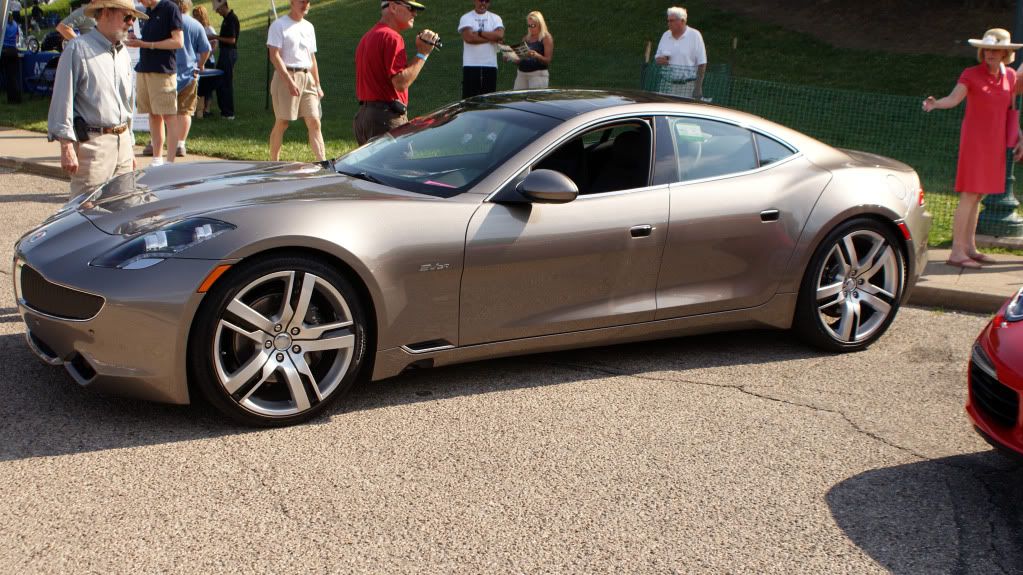
And finally, from the environmentally responsible crowd, this Fisker Karma gathered a lot of interest from onlookers saying things like “What is that?” and “I’ve never seen one of these.” While this car might look like some kind of extended coupe, it is actually a very long car in person – much bigger than you’d think.

Auctions America Auburn Spring Sale Highlights

Auctions America’s three-day spring sale in Auburn, Indiana, (held last weekend) saw more than 170 cars sell for a wide variety of prices. Top sale was a 1930 Duesenberg Model J Boattail Speedster. The car is a re-creation, but uses an original engine (J-249). I’m not sure of the car’s history, but it sounds like the original car is no longer extant and this one was built around the original mechanicals to take the place of the lost car. It sold for $484,000, which is a lot less than it would have cost were it the real deal. Still looks amazing, though.

Both of our feature cars sold. The awesome Mercury Marauder Concept Convertible brought $51,700 and the De Tomaso Mangusta sold for $75,900. We also featured an Avelate Corvette, which either didn’t sell or was withdrawn as I couldn’t find it in the results.

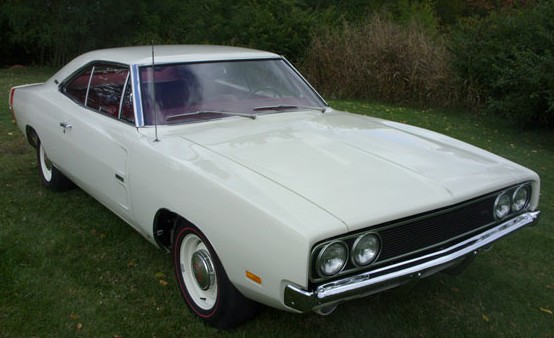
Another big sale was a 1969 Hemi Dodge Charger, one of only 119 built in 1969 with that monster engine. It’s white and entirely unassuming – perfect for a car that will take just about anything at the stoplight. It sold for $130,000.

Other interesting sales included this 1995 Lola T9500-HU24 Cosworth XB Indy car. It was driven by Scott Sharp to 10th place in the 1996 Indy 500 for A.J. Foyt Racing and by Eddie Cheever in 1995. It is a complete, running Indy car with Indy 500 history. It sold for $62,700.

Finally, from the bargain bin (sort of), is this 1956 Pontiac Star Chief Catalina Custom. The second-generation Star Chief is one of my favorite Pontiacs and it’s such a great-looking car with those two chrome strips running the length of the hood. This one has a 5.2-liter V8 and appears to be in great shape. It sold for $14,300. For complete results (and to see what cars are still available), click here.

Duesenberg J-462

1932 Duesenberg Model J LWB Custom Speedster

Offered by Worldwide Auctioneers | Houston, Texas | May 5, 2012

Quick, somebody call Fran Roxas or someone similarly talented, ’cause this Duesey needs a new body. Chassis no. 2522 was one of the later cars built and some records show that it may not have actually been completed and sold until 1935, although it is currently titled as a 1932. Engine J-462 is under the hood, making the standard 265 horsepower.

The original body was a Murphy Beverly Berline – which is attractive. It is thought that the original body was removed and replaced by what you see here sometime in the late 1940s or 1950s. Most of the body panels came off of GM cars of the era. Exotic.

The car is often referred to as the “Tom Mix Duesenberg.” Tom Mix was a silent movie star known for his roles in westerns (I’ve seen a lot of silent films, but never one of his. He is kind of the archetypal movie cowboy). As you can see, this car sports a western motif – but it is also thought that Tom Mix had nothing to do with this car – he died in 1940 and the story attaching his name to the car didn’t appear until the 1970s. Make of it what you will. But it is a Duesenberg.

This car is being offered from the estate of John O’Quinn. It failed to sell at a Bonhams auction in Monterey in 2011. It is being offered in Houston at no reserve with an estimate at $400,000-$500,000, which is pretty cheap as far as Model Js go. Then again, who knows what it will cost to return the car to a more… Duesenberg-like state – if you are so inclined. Or keep it how it is and don’t be just another guy with just another Murphy-bodied Duesenberg (if it’s even legal to say that). This one’s certainly one-of-a-kind.

For the complete catalog description, click here. And for more from Worldwide Auctioneers in Houston, click here.

Update: Sold $297,000.

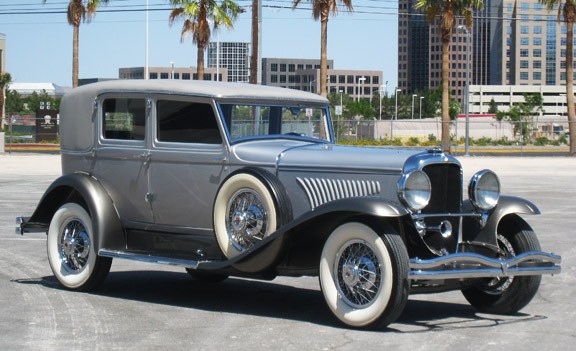
Duesenberg J-288

1929 Duesenberg Model J Convertible Berline by Murphy

1929 Duesenberg Model J-288 Convertible Berline by Murphy

I know, it’s been more than a month since we’ve featured a Duesenberg – can you believe it? As with most Model Js we’ve featured, this is also a Murphy-bodied car. We did feature another Convertible Berline (by LeBaron, which you can check out here) and if you compare the two you can spot a few differences but the cars are pretty similar overall. This LWB car was originally purchased by L.H. McCormick of Chicago, Illinois (and of the McCormick family) and this is how it looked when new. All subsequent owners (including the Blackhawk Collection) are known and the car is in show-or-drive condition.

The last time it was at auction was in 2011 and it sold for $704,000.

Update: Failed to sell at Barrett-Jackson Scottsdale, 2013.

Update II: This post heavily edited at the request of the person who is trying to sell the car.

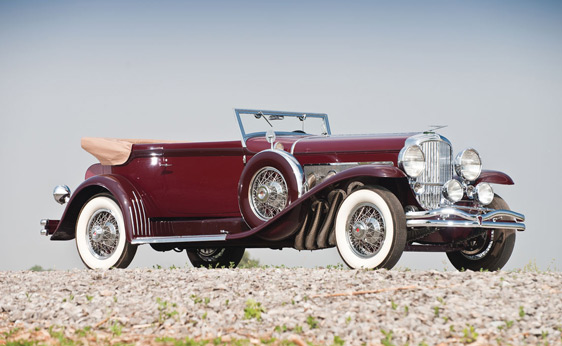
Duesenberg J-103

1929 Duesenberg Model J Convertible Berline by LeBaron

Offered by RM Auctions | Amelia Island, Florida | March 10, 2012

LeBaron-bodied Duesenbergs are my favorite, although not necessarily Convertible Sedans. This one has an interesting history, having been owned first by Canada’s first and only Duesenberg dealer, Billy Van Horne. J103 was one of the first cars built (it was the fourth engine and third chassis constructed). It was the first long-wheelbase chassis.

The original body on this car was a Holbrook Seven-Passenger Limousine, which was fitted when the car sat on the Duesenberg stand at the 1929 New York Auto Show. The current body was fitted in 1935 when the third owner shipped the car back to Indiana to get  a more sporting body mounted on chassis 2127.

This car was restored for the first time in the early 1960s before it found its new home in the Midwest. The restoration has been “upgraded” twice since, in order to keep the car fresh. Ownership is known from new and this is a Duesenberg with no “stories.” There was no storage in a barn for 40 years. Someone has been enjoying this car since it left the factory. Now it is being sold out of the collection of John O’Quinn.

There were only three of these LeBaron Convertible Berline bodies built. RM estimates the sale price of this car to be between $800,000-$1,000,000. To read the complete description, click here and for the rest of RM in Florida, click here.

Update: Sold $803,000.