Alfa Romeo GTC

1966 Alfa Romeo Giulia GTC

Offered by Coys | London, U.K. | December 5, 2017
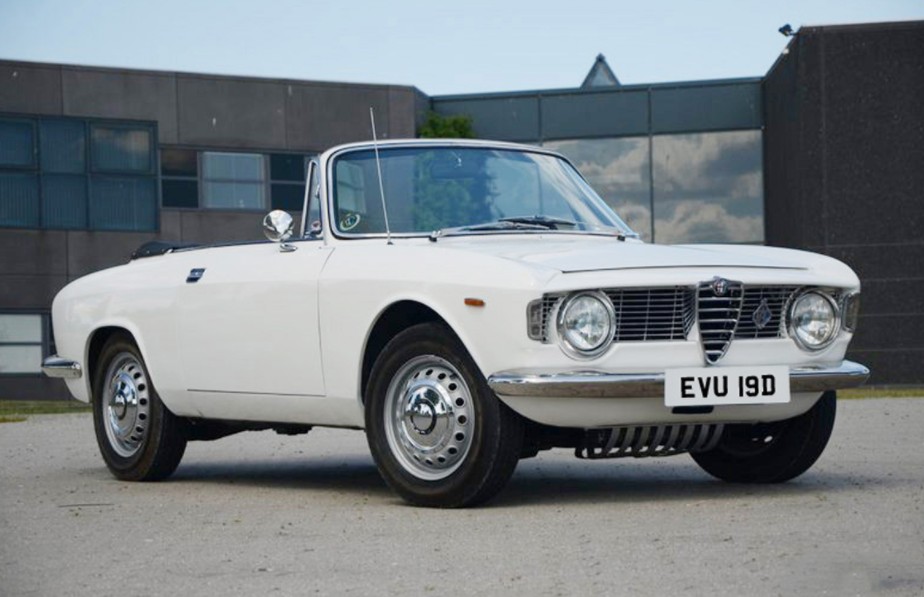
Photo – Coys

Shortly before the Giulietta went out of production, Alfa Romeo introduced the Giulia Sprint GT (in 1963), which was based on a shortened version of the Giulia sedan’s chassis. It, and later cars like the GTV, would be hugely successful and are sought after by those in the know today.

First shown in 1965, the Giulia GTC was a convertible version of the Sprint GT. The convertible conversion was handled by Carrozzeria Touring and the result is fantastic. The coupes are great looking cars in their own right, but who doesn’t want a little sun? The GTC is powered by a 1.6-liter straight-four making 105 horsepower.

Only about 1,000 of these were built in three years (there were about 100 assembled at the end of 1964). This is one of 45 right-hand-drive examples built in 1966 and one of just 292 GTCs built in 1966 total. This one has been restored at a decent cost and should bring between $130,000-$175,000. Click here for more info and here for more from Coys in December.

Bristol 411 Series IV

1974 Bristol 411 Series IV

Offered by Bonhams | London, U.K. | December 6, 2017

Photo – Bonhams

The fourth series of the Bristol 411 was only sold in 1974. It sports the same styling as the Series III, with revised grille and headlight setup. The engine was also different as Bristol went with more displacement, installing a 6.6-liter version of Chrysler’s V-8. The larger engine wasn’t enough to counteract a lower compression ratio and stricter environmental guidelines as power dropped to 264 horsepower.

This example was restored over a five year period between 2006 and 2011. The Series IV had the shortest production run, but I’m not sure how many were built (of the 287 total). Always rare and always collectible, this Bristol should bring between $59,000-$72,000. Click here for more info and here for more from this sale.

Update: Sold $58,459.

Bristol 411 Series I

1970 Bristol 411 Series I

Offered by Bonhams | London, U.K. | December 2, 2017

Photo – Bonhams

The Bristol 411 was the replacement for the short lived 410. It debuted in 1969 and was built in five distinct series until 1976. We’ve previously featured a Series II car and what you see here is a Series I, which was built between 1969 and 1970.

The engine in the 411 was a 6.3-liter Chrysler V-8 making 335 horsepower. Top speed was 140 mph. For the Series II, Bristol added a self-leveling suspension. The styling would get an update for the Series III. Only about 50 examples of the Series I were produced, out of a total production run of 287 cars. This 77,000 mile example should bring between $79,000-$92,000. Click here for more info and here for more from this sale.

Update: Not sold.

Two Bristol 411s

1970 Bristol 411 Series I

Offered by Bonhams | London, U.K. | December 2, 2017

Photo – Bonhams

The Bristol 411 was the replacement for the short lived 410. It debuted in 1969 and was built in five distinct series until 1976. We’ve previously featured a Series II car and what you see here is a Series I, which was built between 1969 and 1970.

The engine in the 411 was a 6.3-liter Chrysler V-8 making 335 horsepower. Top speed was 140 mph. For the Series II, Bristol added a self-leveling suspension. The styling would get an update for the Series III. Only about 50 examples of the Series I were produced, out of a total production run of 287 cars. This 77,000 mile example should bring between $79,000-$92,000. Click here for more info and here for more from this sale.

Update: Not sold.


1974 Bristol 411 Series IV

Offered by Bonhams | London, U.K. | December 6, 2017

Photo – Bonhams

The fourth series of the Bristol 411 was only sold in 1974. It sports the same styling as the Series III, with revised grille and headlight setup. The engine was also different as Bristol went with more displacement, installing a 6.6-liter version of Chrysler’s V-8. The larger engine wasn’t enough to counteract a lower compression ratio and stricter environmental guidelines as power dropped to 264 horsepower.

This example was restored over a five year period between 2006 and 2011. The Series IV had the shortest production run, but I’m not sure how many were built (of the 287 total). Always rare and always collectible, this Bristol should bring between $59,000-$72,000. Click here for more info and here for more from this sale.

Update: Sold $58,459.

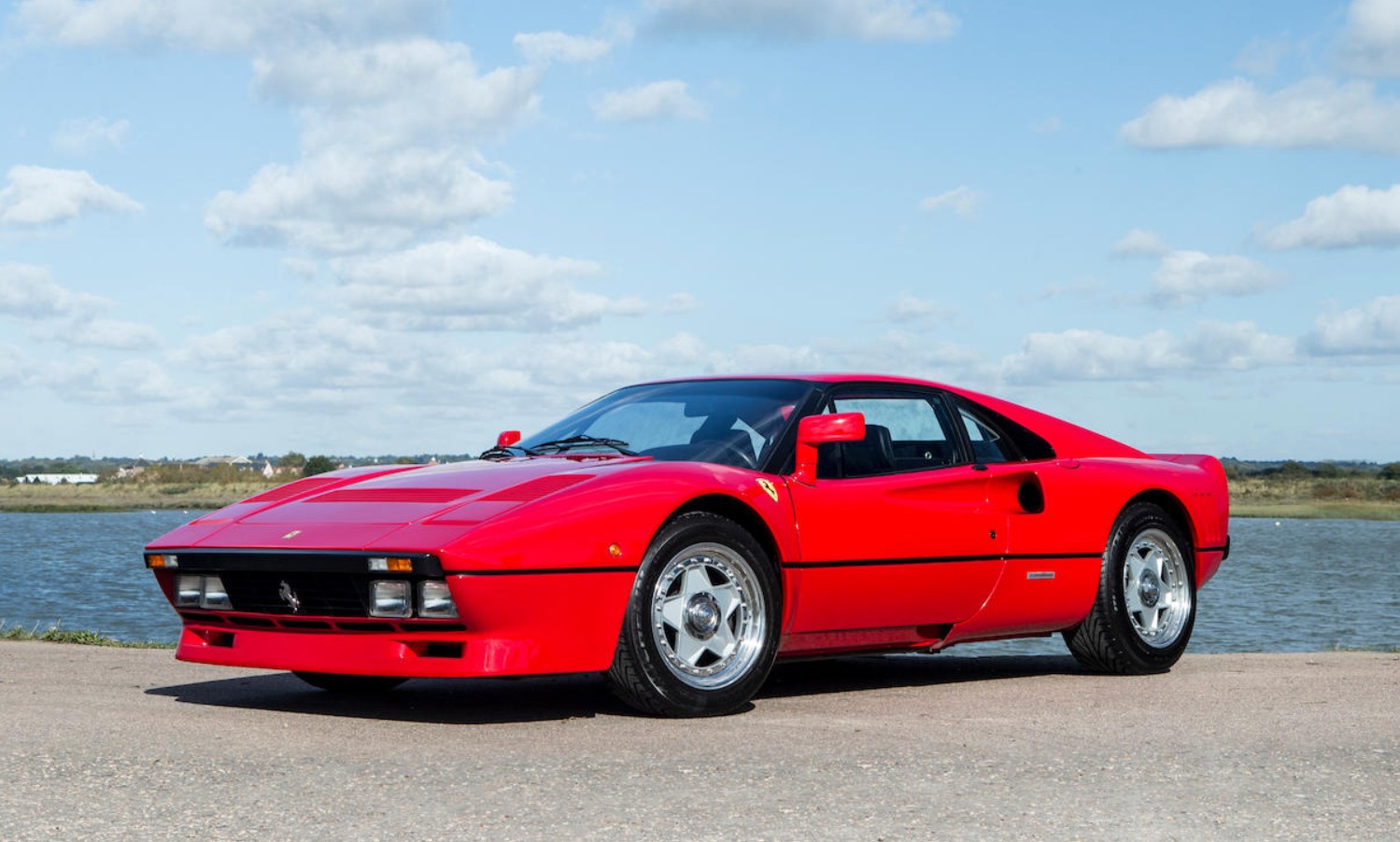
Ferrari 288 GTO

1985 Ferrari 288 GTO

Offered by Bonhams | London, U.K. | December 2, 2017

Photo – Bonhams

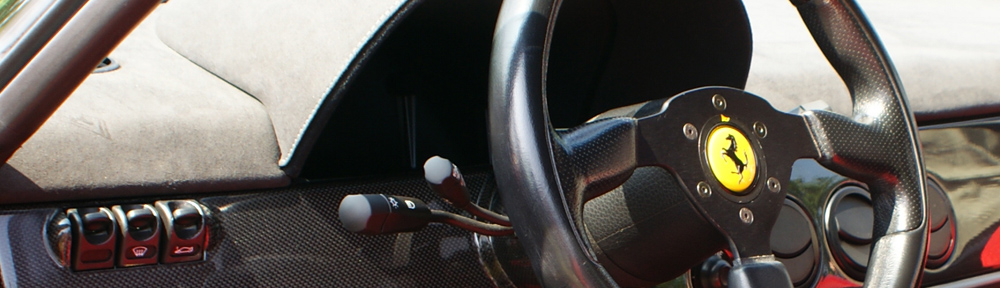
“GTO” are three exotic letters in the land of the prancing horse. Originally applied to the Ferrari 250 GTO, the most expensive car in the world, Ferrari brought it back in the 1980s. Sort of related to the comparatively lackluster Ferrari 308 GTB, the 288 GTO was destined to be a homologation special so Ferrari could go racing in a Group B Circuit series that ultimately never materialized. You could call it Ferrari’s first supercar.

The mid-rear-mounted engine is a twin-turbo 2.9-liter V-8 making 400 horsepower. The car hits 60 mph in five seconds and tops out at 179 mph. When new, this car cost significantly more than even the best Rolls-Royce on sale in the 1980s. It was a true halo car.

Ferrari planned to build 200 examples but ended up at 278 when it was all said and done. This makes it rarer than the Ferrari halo models that followed, such as the F40 and F50. This example was delivered new to the U.K. and sports over 14,000 miles. It has been enjoyed. It’s had major service done and is ready for the next owner to pack on some more miles. Once kind of a supercar bargain, the 288 GTO now out-prices the Ferrari supercars that followed it. This one should bring between $2,600,000-$3,300,000. Click here for more info and here for more from this sale.

Update: Not sold.

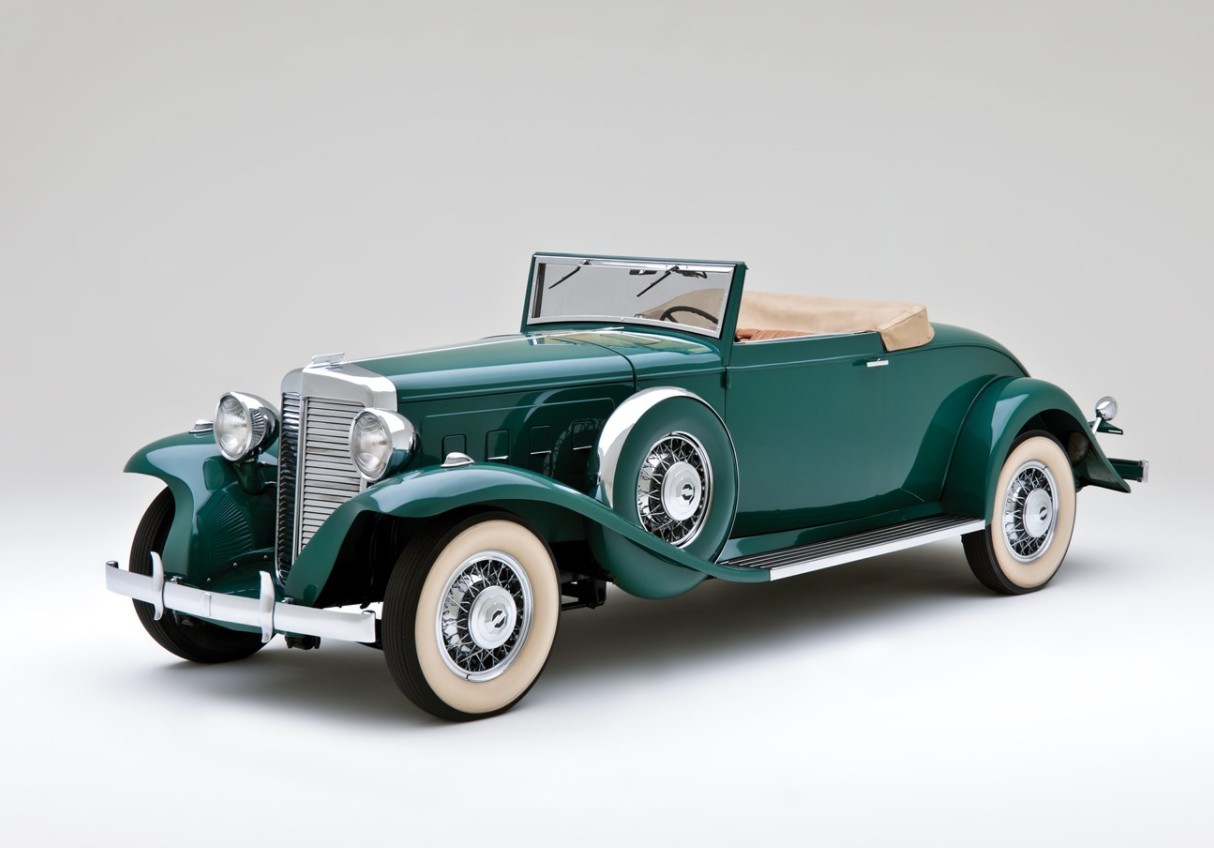
Marmon Sixteen Convertible Coupe

1932 Marmon Sixteen Convertible Coupe by LeBaron

Offered by RM Sotheby’s | New York, New York | December 6, 2017

Photo Courtesy of RM Sotheby’s

Marmon of Indianapolis introduced their Sixteen model in 1931. It was their top-of-the-line model that year, sitting alongside three different eight-cylinder models. In 1932 the Sixteen was offered alongside a single eight-cylinder model. 1933 was Marmon’s last and the brilliant Sixteen was the only model you could get.

There haven’t been many sixteen cylinder cars in history. Cadillac’s V-16 was the chief rival for this car, as were cars like the Duesenberg Model J. The engine here is an 8.0-liter V-16 that makes 200 horsepower. That kind of power aimed it squarely at the Model J. In 1931, a Marmon Sixteen Convertible Coupe would set you back $5,300. A Model J would’ve cost $9,500 as a bare chassis. The body was extra.

This particular car was purchased by Bill Harrah and restored in the 1960s. It’s next owner didn’t acquire the car until 1987 and the current owners bought it from him. It still sports Harrah’s restoration, a testament to the quality of work he pursued for his cars. Fewer than 400 Marmon Sixteens were built and eight with with this body style are known to exist. They do not change hands often. It should bring between $1,000,000 and $1,200,000. Click here for more info and here for the rest of the lots in this sale.

Update: Sold $962,000.

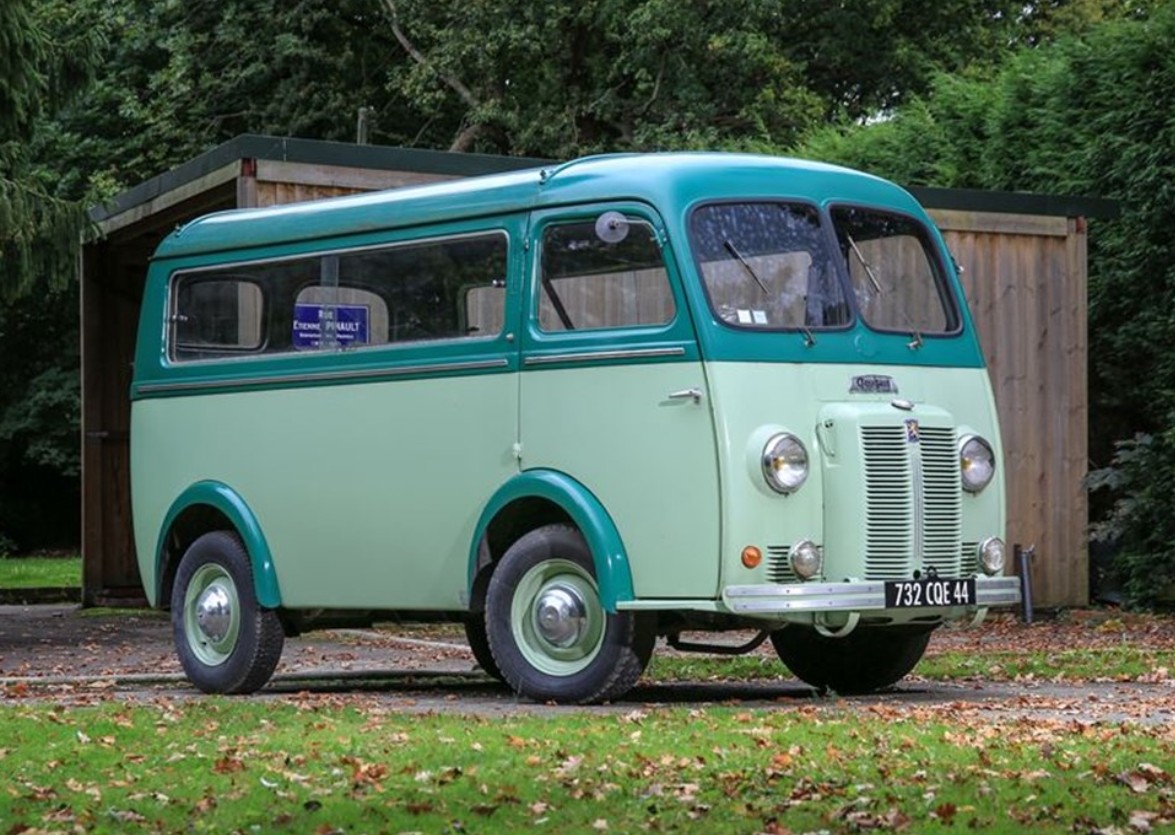
Peugeot D3A

1955 Peugeot D3A

Offered by Historics at Brooklands | November 25, 2017

Photo – Historics at Brooklands

Chenard et Walcker was a French automobile manufacturer that built some fantastic cars before WWII. After WWII, car production never resumed, but they did get into the van business. Their corporate overlords, Chausson, was bought out by Peugeot and Chenard’s little van was re-branded as a Peugeot for 1950.

The D3 was originally introduced in 1947 and it was replaced by the D4 in late 1955, making this example from the last year of D3 production. The D4 would last another 10 years. It’s a forward control van, meaning the engine was sort of between the front passengers and you sat with your feet pressed against the front of the van, making you the crumple zone in the event of an accident.

This D3A is powered by a 1.3-liter straight-four making 32 horsepower. It was a direct rival to Citroen’s ubiquitous H-Van. Most of these were used and abused so to find one in such great condition is a treat. Peugeot built about 75,000 of these between the D3 and D4, but this is as nice of one as you’re likely to find. It should sell for between $10,500-$15,750. Click here for more info and here for the rest of Historics’ lineup.

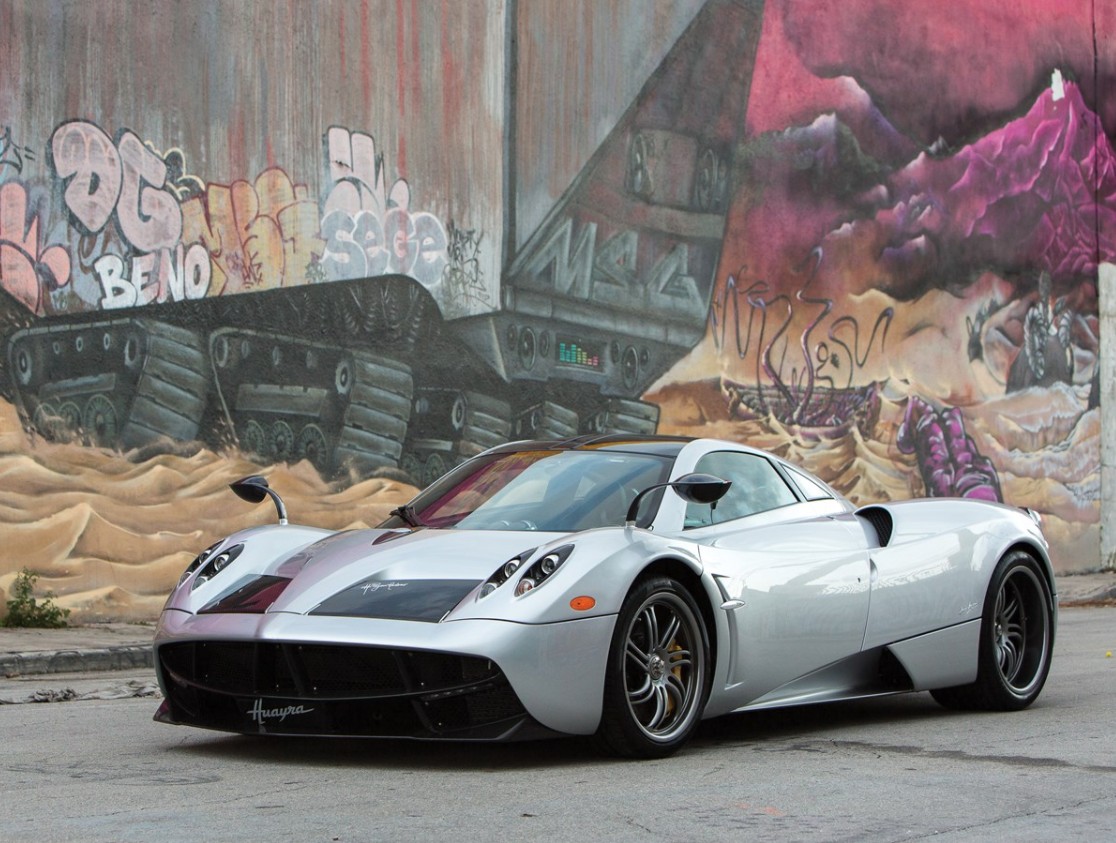
Pagani Huayra

2014 Pagani Huayra

Offered by RM Sotheby’s | New York, New York | December 6, 2017

Photo Courtesy of RM Sotheby’s

The vowel-laden Huayra is Pagani’s most recent model, going on sale in 2012. Only 100 coupes were built, with a Roadster version supposedly going on sale this year. That means, if you buy this car, you will own 1% of all Pagani Huayra Coupes.

Horacio Pagani‘s engine deal is with Mercedes-Benz’s AMG division and they supply the 6.0-liter twin-turbo V-12 that sits behind the driver. Horsepower is rated at 720 and the top speed is 238 mph. This 4,900 mile example is #78 of the 100 built. Huayras feature gullwing doors and active aerodynamics that make it a supercar that can do more than just fly in a straight line.

Pretty much each example was built-to-order and no two are quite alike. This one was delivered new to San Francisco and is being sold by its first and only owner. Costing around $2,000,000 when new, this is (I think) the second one to come up for auction (Gooding & Company has another one in Arizona this coming January and RM had one a few months ago in Monterey). The estimate is $1,900,000-$2,300,000… so with the as-new price in mind, it will be interesting to see if this brings a solid return on investment. Click here for more info and here for more from this sale.

Update: Sold $1,850,000.

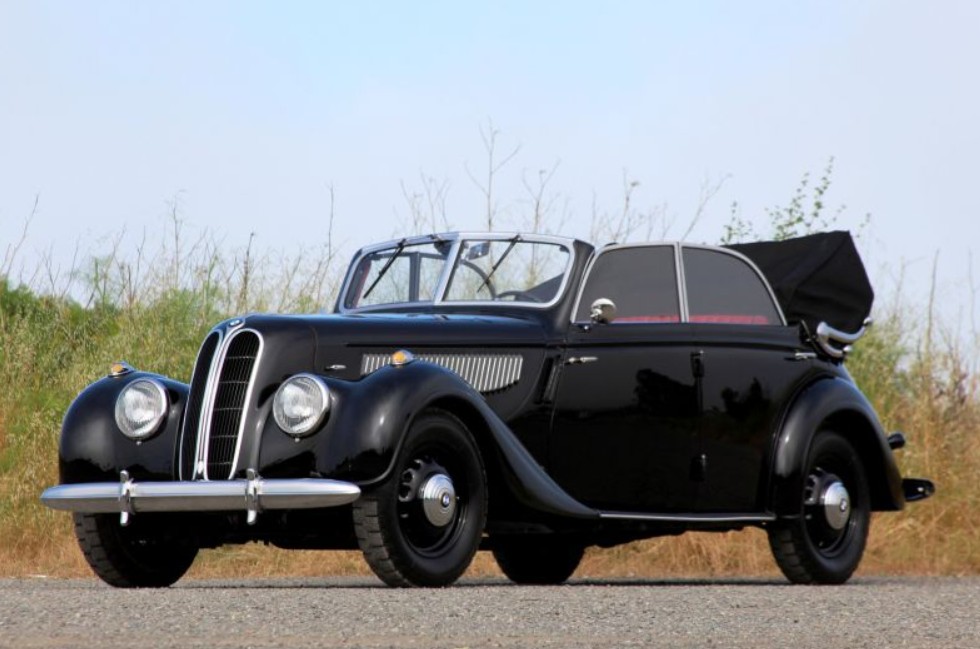
The Best BMW 335

1940 BMW 335 Four-Door Cabriolet by Autenrieth

For sale at Fantasy Junction | Emeryville, California

Photo – Fantasy Junction

The modern BMW 335 is a six-cylinder car and a member of BMW’s 3-Series lineup. It’s a popular model, but it sits sort of near the bottom of the BMW range. But in 1940 the 335 was as good as it got (unless you hopped up to the sports car-only 328). Introduced in 1939, this model didn’t really get a fair shot with the war about to break out. It was produced into 1941 before passenger car production was halted.

This car is powered by a 90 horsepower, 3.5-liter straight-six (hey look at that, BMW’s model name numbering system used to make sense!). Top speed, dependent on body style, was up to 90 mph. This model could be had as a four-door sedan, two-door cabriolet, or, as you see here, a stately four-door cabriolet.

It seems like Mercedes-Benz (and even Horch to a lesser extent) always gets all of the spotlight when it comes to these Reich-era open-top Autobahn cruisers. Pre-war, BMW rarely enters the conversation unless you’re talking about the 328. Part of the reason is scarcity. Only 415 examples of the 335 were built. Only five four-door cabriolets still exist (of the 40 built by this coachbuilder). Compare that to some of the Mercedes survival numbers and it’s easy to see why the Benzes always show up in films.

This example was restored in 2007 and it still looks fresh. You have to wonder who was in a position to buy such an extravagant car in 1939 and what life it lived during the war. It was brought to the U.S. by a member of the military and it remained here pretty much ever since. This car marked a high point for BMW that they wouldn’t equal for quite some time. It’s currently for sale in California for $495,000. Click here for more info.

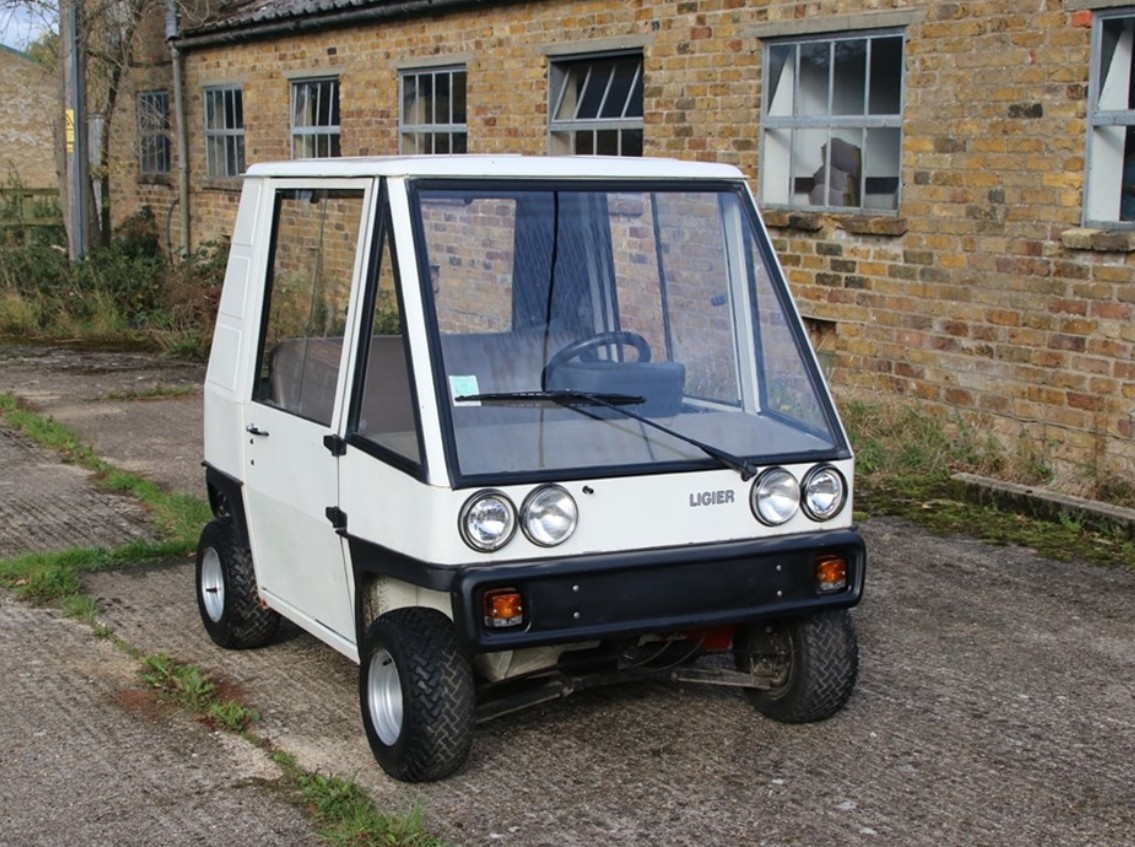
Ligier JS4

1980 Ligier JS4

Offered by Historics at Brooklands | November 25, 2017

Photo – Historics at Brookands

Guy Ligier was a racing driver who got his start in the 1950s after his career as a rugby player ended. From the driver’s seat, Ligier transitioned to Formula One team owner. His Equipe Ligier team made over 300 starts between 1976 and 1996 (it became Prost Grand Prix for 1997). They managed to win a few races in the 70s and 80s.

So I’m sure you’re thinking “This little box on wheels does not look like something that a proper F1 manufacturer should be making.” But Ligier was all over the board. They built mid-engined sports cars and in 1980 they introduced this, the two-seater JS4. It’s powered by a rear-mounted three horsepower 50cc single-cylinder two-stroke engine. Built between 1980 and 1983, the company moved nearly 7,000 of them in 1980 alone.

Equipe Ligier used one as a pit vehicle at F1 races (that car still exists and is currently located at one of America’s greatest car museums in Nashville). Ligier actually still builds and sells microcars… so I guess it turns out this is exactly what kind of road car an F1 team should be making. Who knew? This one is selling at no reserve. You can read more here and see more from this sale here.

Update: Sold $2,987.