1924 Unic

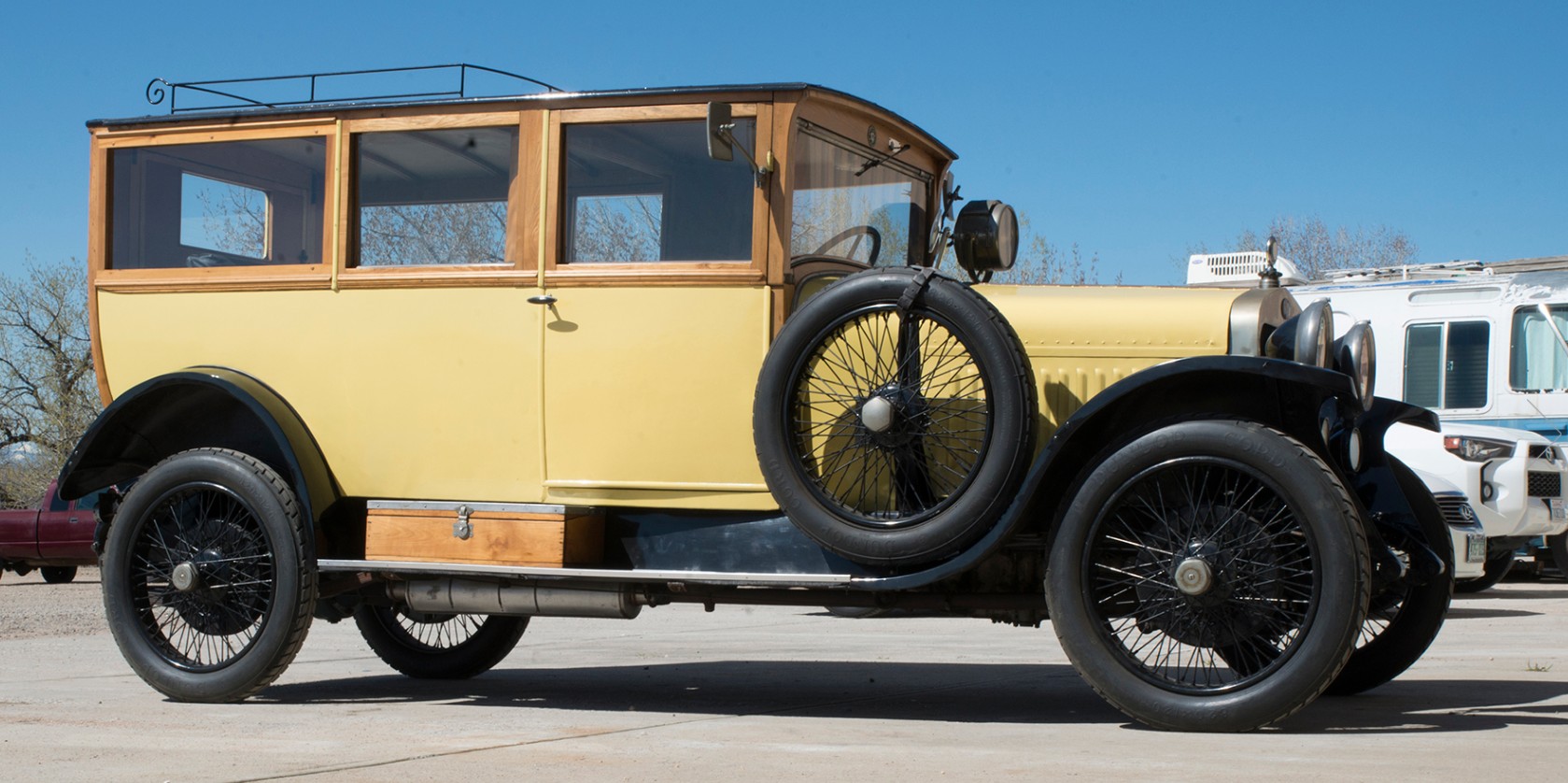
1924 Unic Type L3

Offered by Osenat | Fontainebleau, France | June 19, 2016
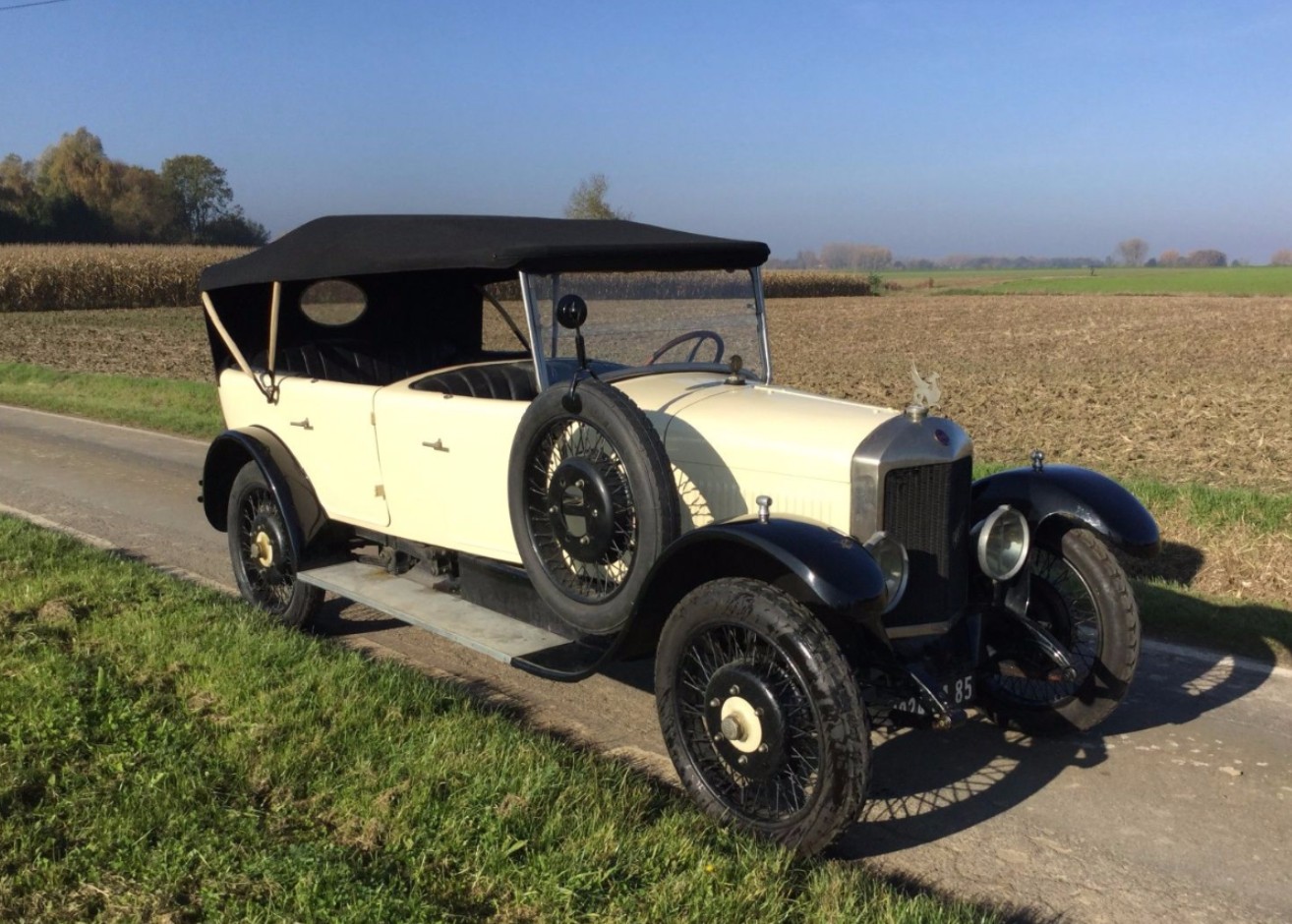
Photo - Osenat

Photo – Osenat

Unic is a not-often seen French car that we’ve actually featured twice on our site, including this Taxi cab. The company started in 1905 when Georges Richard left Richard-Brasier. The new company was financed by Baron Henri de Rothschild and was based in Puteaux. Commercial vehicles followed passenger cars in 1922 and became the company’s focus after 1938. The marque lasted into the 1950s under Simca.

Unic turned to sleeve-valve engines for the 1920s (those made famous by various American Knight-branded automobiles). The Type L3 was built in the 1920s and was likely offered between 1924 and 1928. It is powered by a 2.0-liter straight-four rated in period at 11CV.

This very nice-looking Torpedo-bodied L3 has been restored over the years, with the most recent work having been completed last year. It’s big and nice and looks way more expensive than it is. You can get into this pre-war touring car for between $27,750-$33,500. Click here for more info and here for more from this sale.

Update: Not sold.
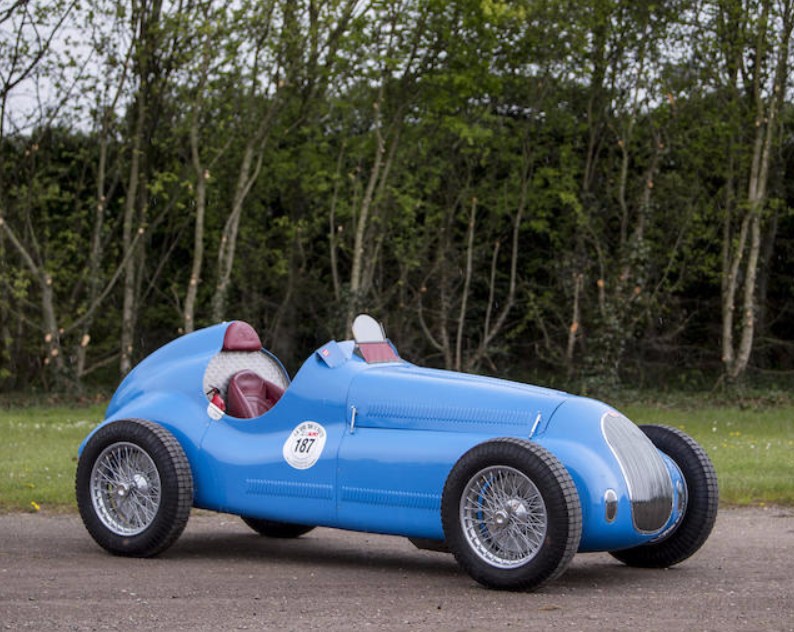
Bugatti Type 73C

1946 Bugatti Type 73C Monoposto

Offered by Bonhams | Goodwood, U.K. | June 24, 2016

Photo - Bonhams

Photo – Bonhams

The most collectible Bugattis were built prior to the outbreak of World War II. But some of the rarest Bugattis were produced after the war. Ettore Bugatti had been planning to produce a Type 73 road car and racing car once the war ended. But it never really made it past the prototype stage – mainly because Ettore died in 1947 (but also because of the economic climate in France right after WWII).

Bugatti managed to show a chassis/body Type 73 at the 1947 Paris Motor Show. Five chassis were built, only one of which was ever bodied by the factory. At least three engines were also built. Those engines were supercharged 1.5-liter straight-fours. When Ettore died, the cars were disassembled and put into storage.

A Belgian Bugatti dealer bought two of them, had them bodied, and sold them off. All five cars still exist, with this being #4. It was bought from the factory in the 1960s and the current owner got his hands on it in 1985. The engine is not original as it was damaged (but the original is supplied with the car). One other Type 73 is a “C” Grand Prix Monoposto. All of them are tiny, and this one could be eligible for historic events. It should bring between $390,000-$460,000. Click here for more info and here for more from Bonhams in Goodwood.

Update: Not sold.

Amilcar Compound

1939 Amilcar Compound B38 Roadster

Offered by Osenat | Fontainebleau, France | June 19, 2016

Photo - Osenat

Photo – Osenat

Amilcar, Joseph Lamy and Emile Akar’s French car company, is most well-known for their light, sporting cars of the 1920s. They competed in a lot of different racing events over the years, including the Monte Carlo Rally and the 24 Hours of Le Mans.

Amilcar faced financial trouble in the early 1930s and they had a new corporate overlord that they turned to for help: Hotchkiss. At the 1937 Paris Auto Show, they debuted a front-wheel drive car that would go on sale in 1938. Called the B38 (or the Compound), the cars were powered by a 1.2-liter straight-four making 34 horsepower. Most were two-door sedans, through a Roadster was offered (as were commercial variants).

In all, only 681 passenger versions were made, with the Roadster being much rarer than the sedan. Very few survive. This one has been in the same family for 50 years and has not seen much if any use in recent decades. The paint has been redone but it does need a little work to get it roadworthy. You will definitely have something almost no one else does with this car. It should bring between $13,000-$17,000. Click here for more info and here for more from this sale.

Update: Sold $18,725.

Clenet Series II

1981 Clenet Series II

Offered by Auctions America | Santa Monica, California | June 25-26, 2016

Photo - Auctions America

Photo – Auctions America

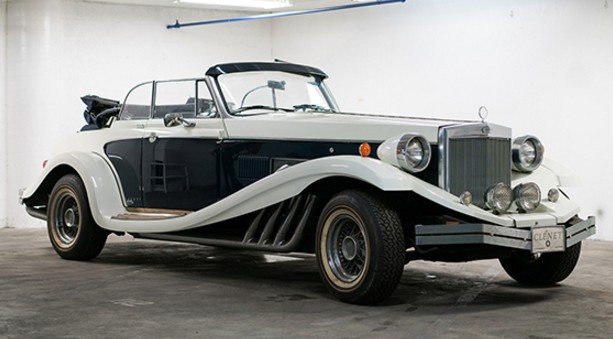
In the 1970s and 80s, neo-classics became somewhat popular in the U.S. with their retro styling and modern drivetrains. This trend was exemplified by cars like the Zimmer Golden Spirit, the Tiffany, and even the rebirth of Stutz. And Alain Clenet’s Clenet Coachworks of Goleta, California, was right there in the mix.

Most neo-classics were based around other cars. For example, this one features a Ford V-8 engine. It’s a two-door convertible that seats four and has a lot of tiny, unnecessary details like etched glass and Waterford crystal ashtrays. When new, these cars cost approximately $75,000 and they make great daily drivers if your commute includes a parade route.

This car is all-original and is one of 187 Series II Clenets. The Series II (there were four total) isn’t the best-looking of the bunch (the Series I and IV are both more attractive), but it was the most-produced. This one should bring between $15,000-$20,000. Click here for more info and here for more from this sale.

Update: Sold $28,000.

Elva Mk III

1959 Elva Mk III

Offered by Historics at Brooklands | June 11, 2016

Photo - Historics at Brooklands

Photo – Historics at Brooklands

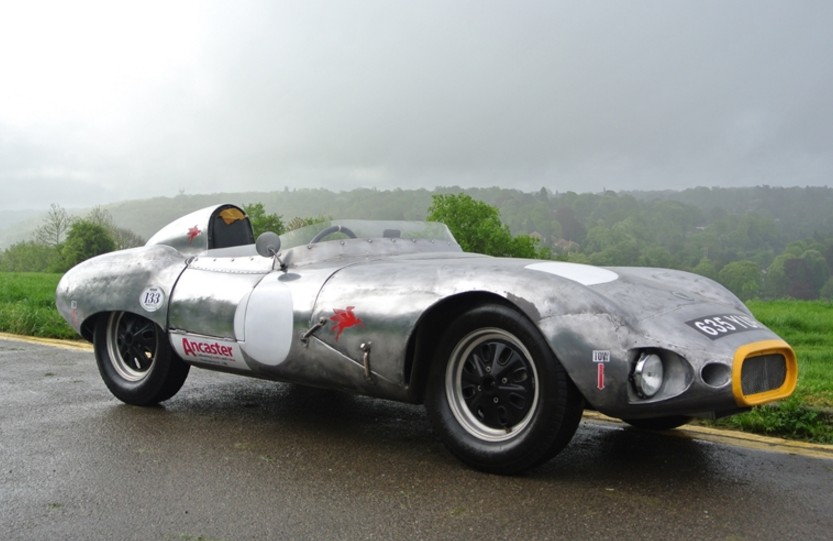
Elva was a manufacturer of automobiles – most of which were race cars – founded in 1955 by Frank Nichols in Sussex. There were sports racing cars, single seaters, and even a few road cars sprinkled in for good measure. Production ended in 1968.

The Mk III Elva was an evolution of the Mk II racer (most cars just evolved from earlier ones). This car went to the U.S. when new and is powered by a Coventry Climax 1.5-liter straight-four. The body is all auminium and it has race history going back to 1959 at the hands of Carroll Shelby’s mechanic.

The current owner acquired the car in 2009, bringing it back to the U.K. and restoring it. I don’t have an exact number of how many were built, but based on serial numbers, it is probably between 15-25 examples total. It should sell for between $110,000-$125,000. Click here for more info and here for more from this sale.

Update: Sold $124,215.

Lea-Francis Hyper

1928 Lea-Francis 1½-Litre Type S Hyper Sports Two-Seater

Offered by Bonhams | Goodwood, U.K. | June 24, 2016

Photo - Bonhams

Photo – Bonhams

Trivia: what marque produced the first British production car with a supercharger? Bentley? Nope. It was Lea-Francis and their Hyper 1½-liter Type S. It was introduced in 1928 and was built through 1931. Only 185 were built.

It is powered by a 1.5-liter straight-four that has been supercharged. I can’t tell you how much power it makes but there is a quote in the lot description that says it will cruise comfortably at 70 mph. So it has plenty of power, I guess. This car was actually a factory racer, having competed in the 1928 Ards Tourist Trophy race, a race that was won by a sister machine.

The car has been completely restored and, strangely, is being offered by the family of the man who raced it in the Ards TT (even though they had to reacquire the car at auction in the early 1990s). It’s a solid competitor to a Frazer Nash, should you seek out on-track competition once purchased. If you’re interested, it should bring between $230,000-$320,000. Click here for more info and here for more from this sale.

Update: Sold $210,135.

Silurian Tourer

1978 Silurian Tourer

Offered by Brightwells | Leominster, U.K. | July 13, 2016

Photo - Brightwells

Photo – Brightwells

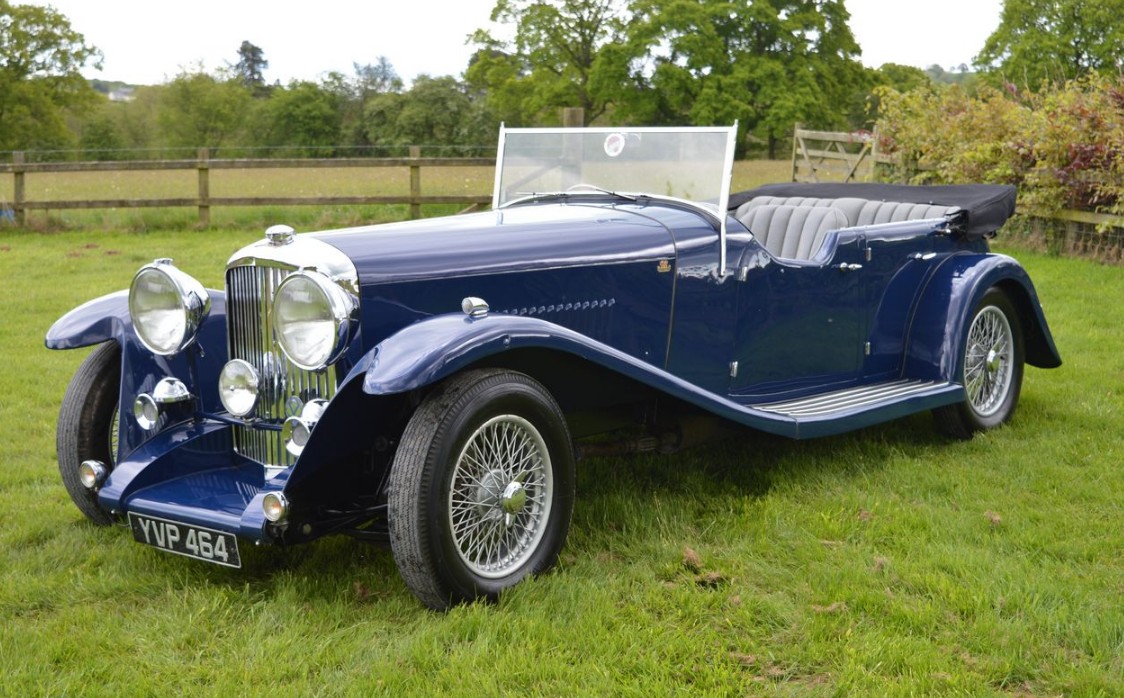
The Silurian (named after a Welsh tribe) is a surprisingly attractive touring car from the 1970s. I say “surprisingly” because most replica makes from the 1970s all look a little off. This car looks believably 1930s – if you didn’t know better, you’d be forgiven for mistaking it for an actual Lagonda or Bentley. It was built from scratch by a master restorer.

The chassis is an original (an impressive feat on its own), but the suspension is from a period Jaguar XJ6 as is the 3.4-liter straight-six making 210 horsepower and most of the running gear. The car actually has four-doors, even though at first glance it looks like a 2+2 two-door. It is very nicely done.

It’s a one-off car (complete with its own unique badging) and would be a head turner wherever it goes. It’s fantastic to see that in an age where tribute cars and replicas all look sort of bulky and wrong, that someone was able to nail it. It is expected to sell for between $35,000-$45,000. Click here for more info and here for more from this sale.

Update: Sold $29,026.

Update: Sold, Brightwells, August 2021, $32,380.

Sbarro Espera

2007 Sbarro Espera Turbo S20e

Offered by Oldtimer Galerie | Zurich, Switzerland | June 11, 2016

Photo - Oldtimer Galerie

Photo – Oldtimer Galerie

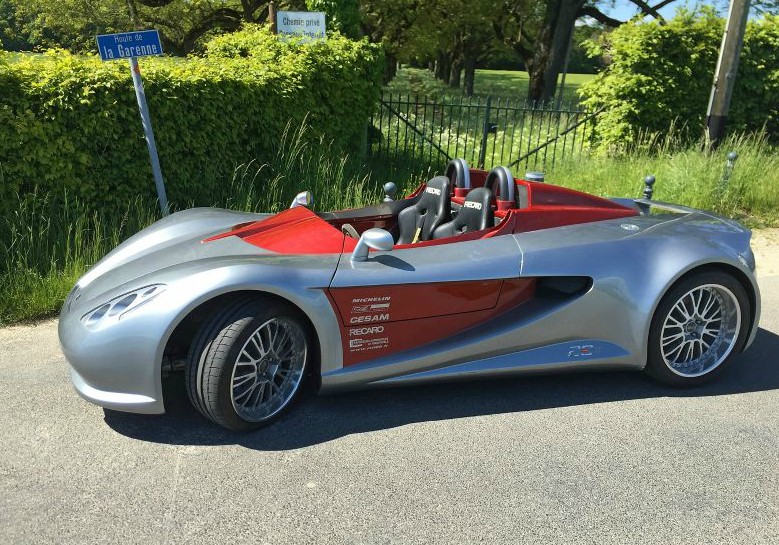
Franco Sbarro started building cars in 1971 in Switzerland. They started in the replica business but in the 1980s they built small runs of original cars. Over the past 20 years, it seems like all they do is build really out-there concept cars that debut at the Swiss motor show each year. Like really out there.

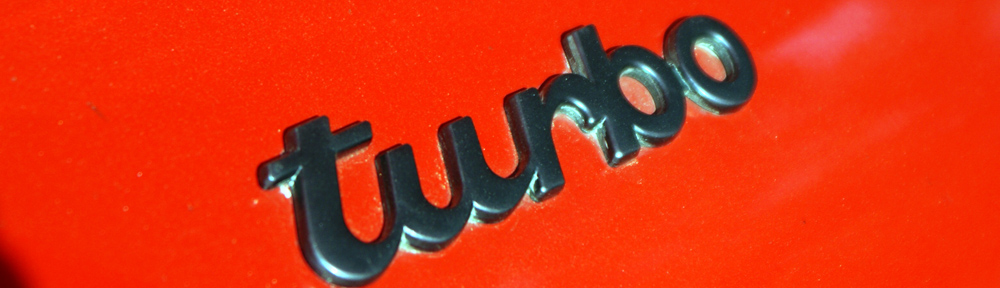
The car you see here is a one off Sbarro (as are most). It was built over a period of four months by students at the L’école Espera Sbarro in France (it’s an automotive design school). It’s based on a 1991 Isdera chassis and powered by a 5.0-liter V-8 from a Mercedes-Benz E-Class that is mid-mounted and makes 326 horsepower. It’s not actually turbocharged, despite the name, which comes from Turbo, a French TV program.

The body is fiberglass and it has gullwing doors. This is a one-off car from a manufacturer that really sees its cars come up for sale. The pre-sale estimate is $195,000-$225,000. Click here for more info and here for more from this sale.

1924 Delage Wagon

1924 Delage DI Eight-Lite Shooting Brake

Offered by The Finest | Hershey, Pennsylvania | June 11, 2016

Photo - The Finest Automobile Auctions

Photo – The Finest Automobile Auctions

Here’s an interesting car from a new auction house. In the 1930s, Delage would produce some of France’s greatest luxury automobiles. But it had lots of practice, having been founded in 1905. The company won the 1914 Indianapolis 500.

The DI was introduced in 1923 and lasted through 1927. They are powered by a 2.1-liter straight-four rated in period at 14 horsepower. It was the smallest car in Delage’s lineup when introduced. There is a reason that station wagons are referred to as “Estates”  in Europe – they were often used as hunting cars on large estates, as was this custom “Shooting Brake” constructed by Carrosserie Castraise.

This car came to the U.S. in 1998 and was mechanically refreshed in 2014. It hasn’t really been shown in America and sports an older restoration. Only 938 Delage DI cars were built and there aren’t many left. It should bring between $45,000-$75,000. Click here for more info and here for more from this sale.

Update: Not sold.
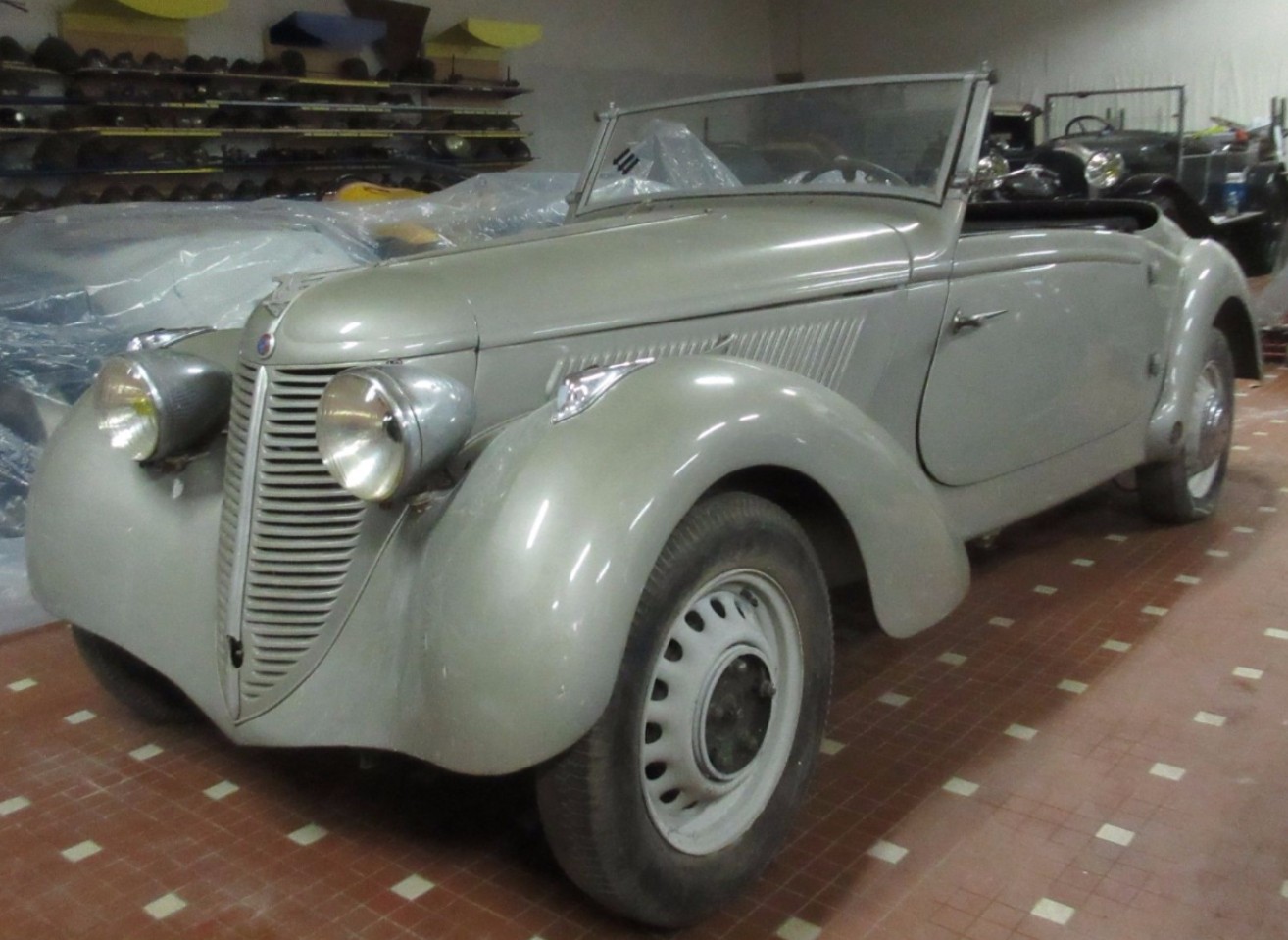
Update: Sold, Mecum Phoenix 2019, $23,100.

Jowett Sports

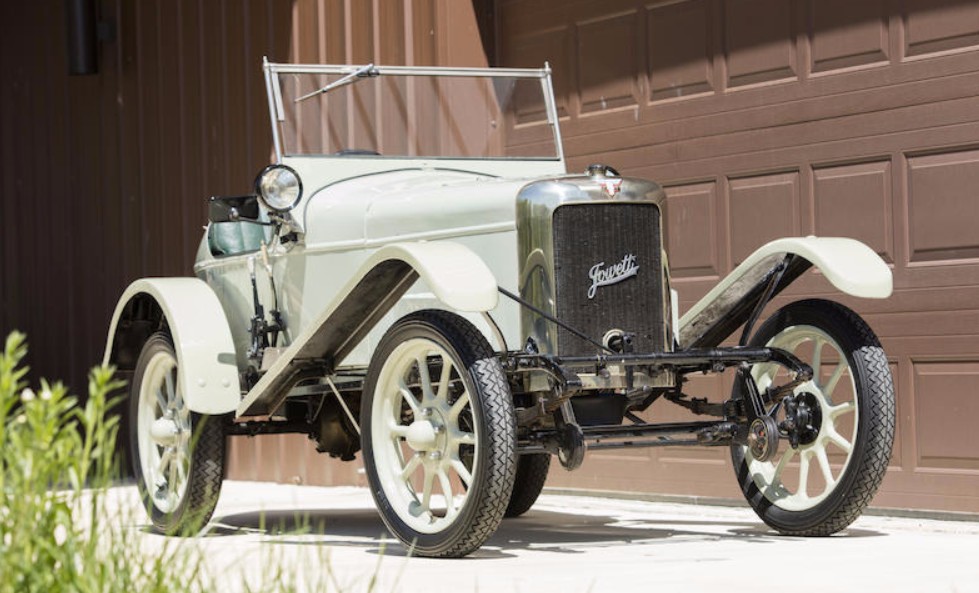
1928 Jowett 7/17 Sports

Offered by Bonhams | Greenwich, Connecticut | June 5, 2016

Photo - Bonhams

Photo – Bonhams

Benjamin and William Jowett (along with a man named Arthur Lamb) founded Jowett in 1901 as a cycle manufacturer. Automobiles went on sale in 1906 and Jowett, unlike most British manufacturers, stayed independent their entire life before going out of business in 1955. Among their most famous products was the sporty Jupiter from the 1950s.

What we have here is a very rare, early car. You don’t see many pre-1930 Jowetts. The 7/17 is powered by a 907cc flat-twin making 17 horsepower. It’s a light, small car with very sporty bodywork that was applied in the 1970s (the car was originally a Tourer). Although the body is not original, it is said that it was constructed with “mostly Jowett parts.”

This model went on sale in 1919 and lasted through 1936, albeit with changes over the years. This is the second time this car has come up for sale in the last two years: it sold for $38,500 in 2014 and is now estimated to bring between $28,000-$31,000. It is thought that this is the only pre-war Jowett in the U.S. Click here for more info and here for more from this sale.

Update: Sold $34,100.