Mercedes-Benz 770K

1931 Mercedes-Benz 770K Series I Cabriolet D by Sindelfingen

Offered by Bonhams | Stuttgart, Germany | March 28, 2015
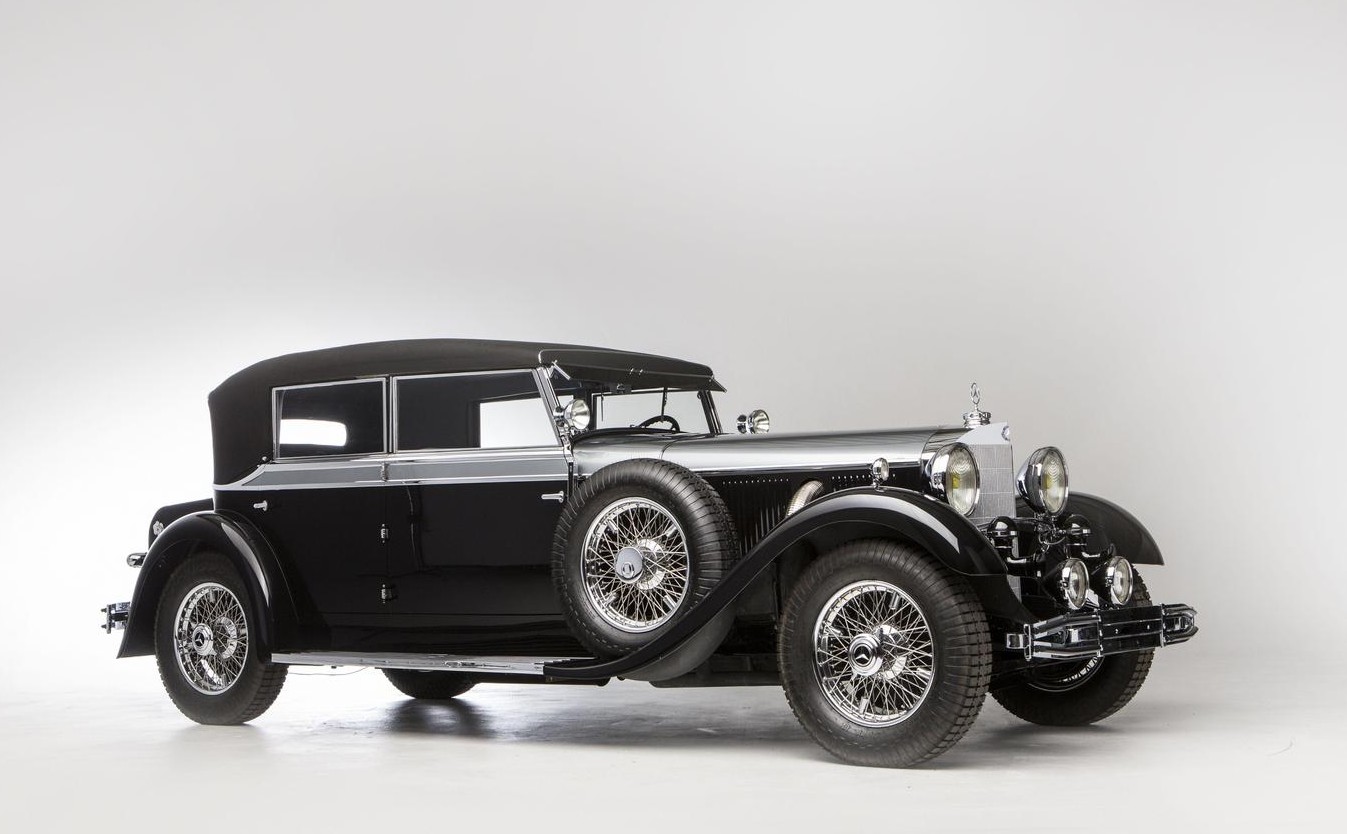
Photo - Bonhams

Photo – Bonhams

Here it is. The biggest Benz of the era. The 770 was introduced in 1930 at the Paris Motor Show and was produced in two series until 1943 (Series I cars produced into 1938 before Series II cars came about). And yes, this was produced well into World War II. Why? One reason, perhaps, is that these were the favored machines of top Nazi officials.

The engine is a massive 7.7-liter straight-eight making 150 horsepower. This kompressor “K” (or “supercharged) model makes 200 horsepower. An overwhelming majority of 770s were supercharged (only 13 of the 205 total built were not). Torque was impressive: 395 lb/ft at a lowly 1500rpm – that’s a lot of low-end grunt. Imagine what fun these cars are when you put the power down.

This Cabriolet D is one of 18 produced and was sold new to a German actor in Berlin. When he fled Germany in 1933 after the rise of Hitler, he brought this beautiful Benz with him to Hollywood. It spent much of the rest of its life in the U.S., including time in the Blackhawk Collection. It returned to Germany in 2004 where it was restored for a second time.

This early 770K is an amazing car. It is not a model that comes up for sale often at all, so this is a unique chance. To get your hands on it, it will run you between $2,500,000-$3,000,000. Click here for more info and here for more from this sale.

Update: Sold $2,506,821.
Westland Aristocrat

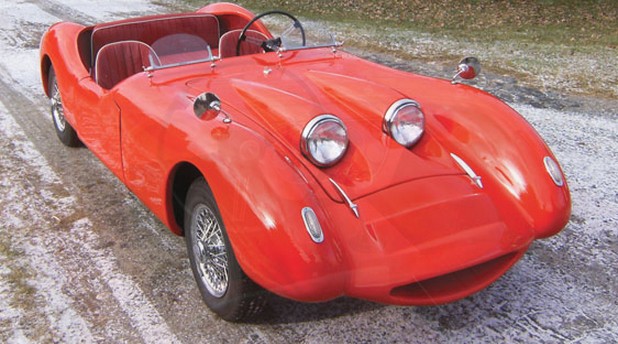
1958 Westland Empire Aristocrat Prototype

Offered by Auctions America | Ft. Lauderdale, Florida | March 29, 2015

Photo - Auctions America

Photo – Auctions America

There was a proliferation of fiberglass sports cars that went on sale in the 1950s. While many of them were American, this one is British. It was built by the Westland Motor Company of Hereford, England.

The frame was a  custom-built job, but other parts of the car were lifted from cars of the period. The back of the car looks like a Jag XK120 and the front screams “Bugeye Sprite.”

The engine in this is a 948cc straight-four. The car was found in Vermont in the late 1970s, sitting outside exposed to the weather. In 1981 it was finally put in a garage before a restoration was undertaken in 2003. It’s a mysterious one-off British sports prototype and it should sell for between $60,000-$80,000. Click here for more info and here for more from this sale.

Update: Not sold, high bid of $34,000.

Audi Quattro A1

1982 Audi Quattro A1 Group B Rally Car

Offered by Bonhams | Chichester, England | March 21, 2015

Photo - Bonhams

Photo – Bonhams

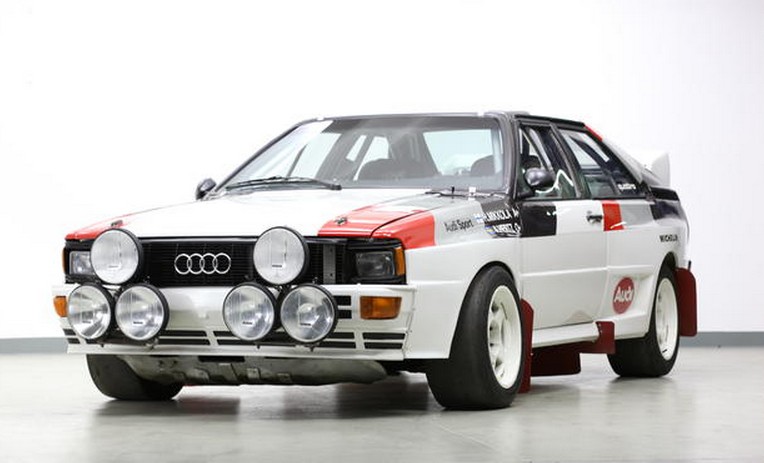
Nobody did rally cars in the 1980s quite like Audi. They brought 4WD to the sport and revolutionized it. Their cars were boxy, powerful, and scary fast. The Quattro was a production car that was also sold as the Audi Coupe and they were introduced in 1980. The rally variant debuted that year as well.

This car was an Audi factory rally car that competed in Group 4 and Group B rally – the most famous (and awesome) period of rallying in history. It is powered by a turbocharged 2.1-liter straight-five making 300 horsepower in race trim.

Initially, it was built as a Group 5 rally car and it finished 2nd in the 1982 Monte Carlo rally with Hannu Mikkola at the wheel. He would go on to win the World Driver’s Championship that year. In 1983, Audi converted the car to the Group B spec you see here. It spent the next 12 years or so in Finland on the rally circuit and in a museum.

The current owner acquired it in 1995 and had it thoroughly gone over. It’s a pretty awesome example of the most intense years of rallying. You can buy it for between $370,000-$430,000. Click here for more info and here for more from this example.

Update: Sold $368,210.

HRG Le Mans Lightweight

1947 HRG Le Mans Lightweight Sports

Offered by Bonhams | Chichester, England | March 21, 2015

Photo - Bonhams

Photo – Bonhams

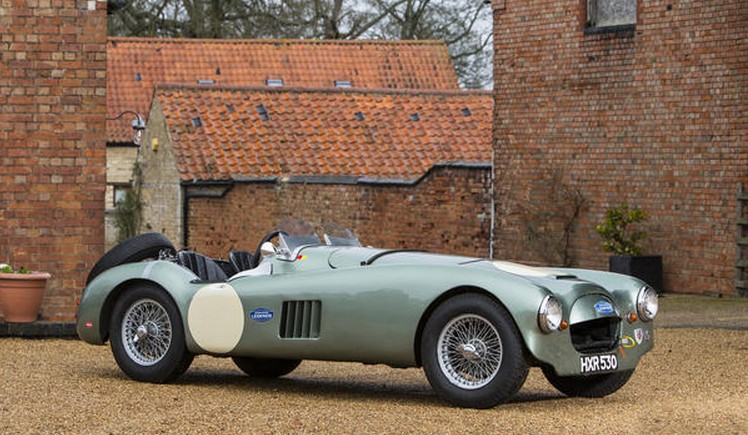
HRG was founded by three men, none of whom you probably know personally, nor have ever even heard of. Actually, one of them – Ron Godfrey – worked at both Frazer Nash and GN, the cyclecar company prior to co-founding HRG. The first HRG was available in 1936.

They were a sports car company that enjoyed showcasing their products on the track, through their factory racing team, L’Écurie du Lapin Blanc. All HRGs were either 1100 or 1500 models, denoting engine size. This car uses a 1.5-liter straight-four making 60 horsepower and was originally built as an HRG Aerodynamic – one of only 35 built.

It had some early racing success and HRG decided it would be a good car to use to try out a new body. HRG converted three cars to a new style and they competed in the 1949 24 Hours of Le Mans. This car DNF’d after 83 laps, finishing 36th with drivers Jack Scott-Douglas and Neville Gee.

After the race, all three cars were sold to the same guy. In 1953, the body was changed to what you see here. The wheelbase was also shortened, if you can believe it, as it already looks quite lengthy. The current owners have had the car for eight years and had it restored. It’s a lovely old race car welcome at many historic events – a place where HRGs excel. In fact, HRG only built 241 total cars and 225 are still around – many of them can still be seen on the track. This one should bring between $250,000-$340,000. Click here for more info and here for more from this sale.

Update: Sold $243,444.

Aryathis Concept

1989 Aryathis

Offered by Osenat | Fontainebleau, France | March 15, 2015

Photo - Osenat

Photo – Osenat

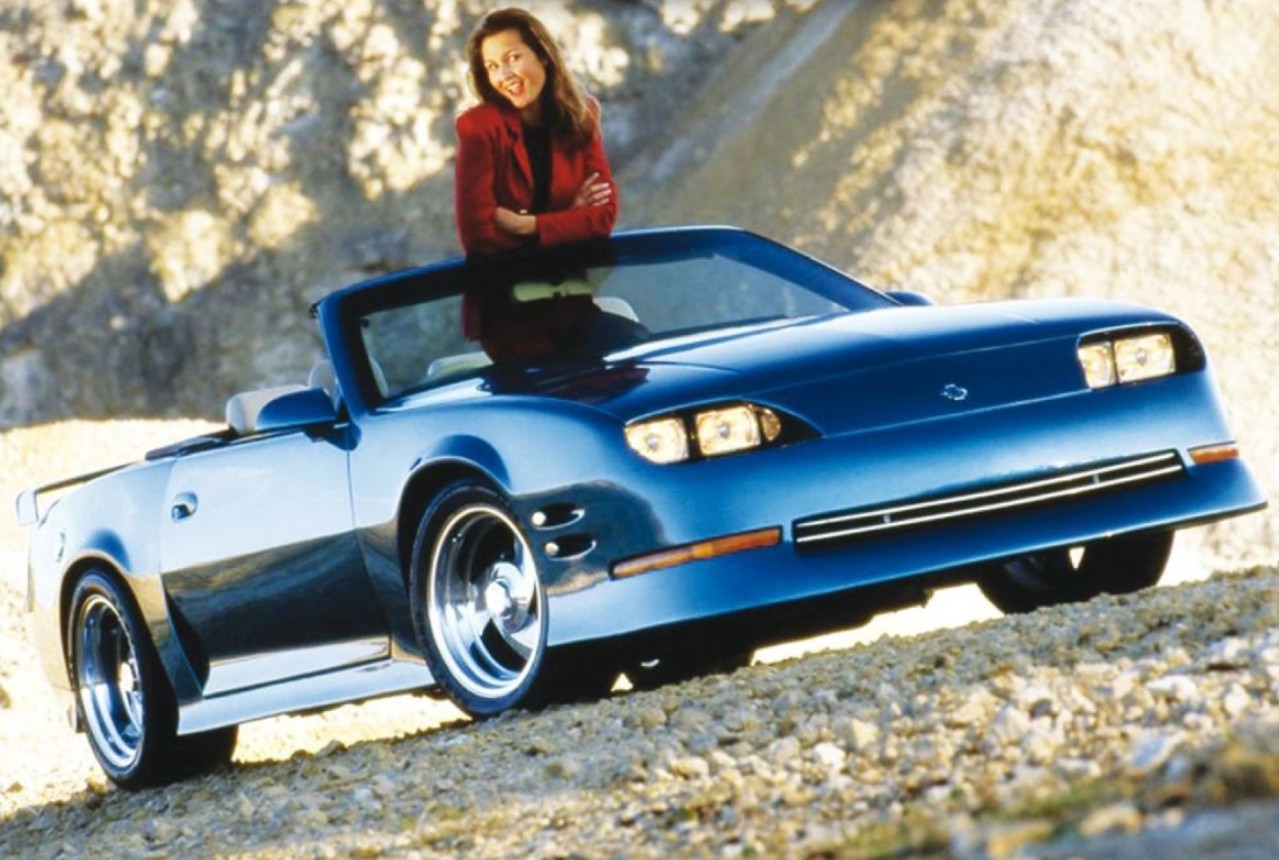
Yes, that is the only photo supplied in the catalog that shows the entire car. Does this car look vaguely familiar? Like it might have once been something but it was reworked significantly and now it only barely resembles its IROC past?

That’s right, this is a redone Camaro. It’s a one-off concept car built by Automobiles High-Tech of Langres, France. They designed this car in 1994 and displayed it at the 1995 Geneva Motor Show. It’s based on an ’89 Camaro, hence the year listed above.

It’s powered by a 5.0-liter twin-turbo V8. The company planned to build 19 more examples but this ended up being the only one constructed. On the plus side, this is a fully functional car and has a nice, 1990s luxury interior. You can read more here and see more from Osenat here.

Update: Not sold.

Ferrari 400 SA Cabriolet

1960 Ferrari 400 Superamerica SWB Cabriolet by Pinin Farina

Offered by RM Auctions | Amelia Island, Florida | March 14, 2015

Photo - RM Auctions

Photo – RM Auctions

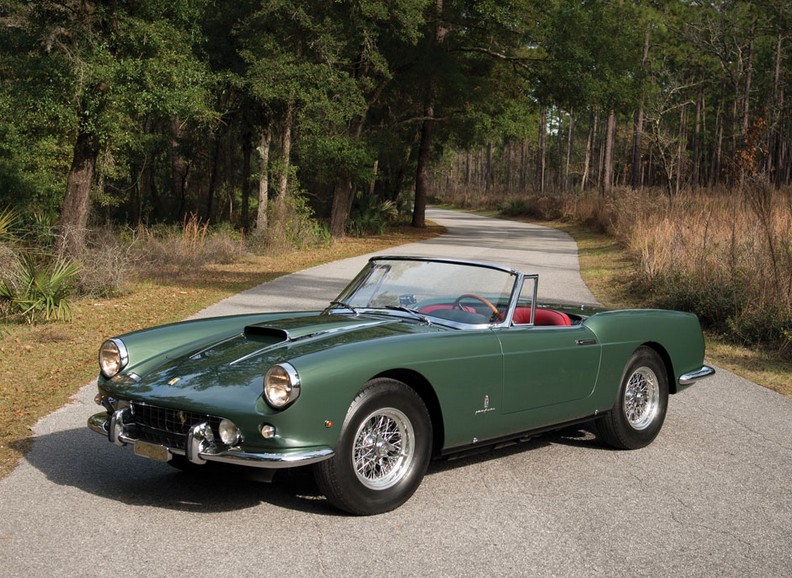
The Ferrari 400 Superamerica is a very underrated Ferrari. Maybe it’s not so much underrated as it is just unknown – only 47 were produced in total (compared to a similar vintage 250 California Spider, which is actually much more common, comparatively). A short-wheelbase cabriolet like this car is much, much rarer.

This beautiful machine is powered by a 4.0-liter V-12 making 340 horsepower. It has a smaller engine than the previous model (the 410 Superamerica) had and other upgrades. The first 400 Superamericas were all short-wheelbase cars – and only six of them were built.

The ownership history has this car bouncing between continents on either side of the Atlantic. More than half of the six SWB cars built were coupes, so this Pinin Farina Cabriolet, in wonderful Verde Bottiglia green paint – is pretty rare. The proceeds for this sale will benefit charity and it is expected to bring between $6,000,000-$7,000,000. Click here for more info and here for the rest of RM’s Amelia Island lineup.

Update: Sold $6,380,000.

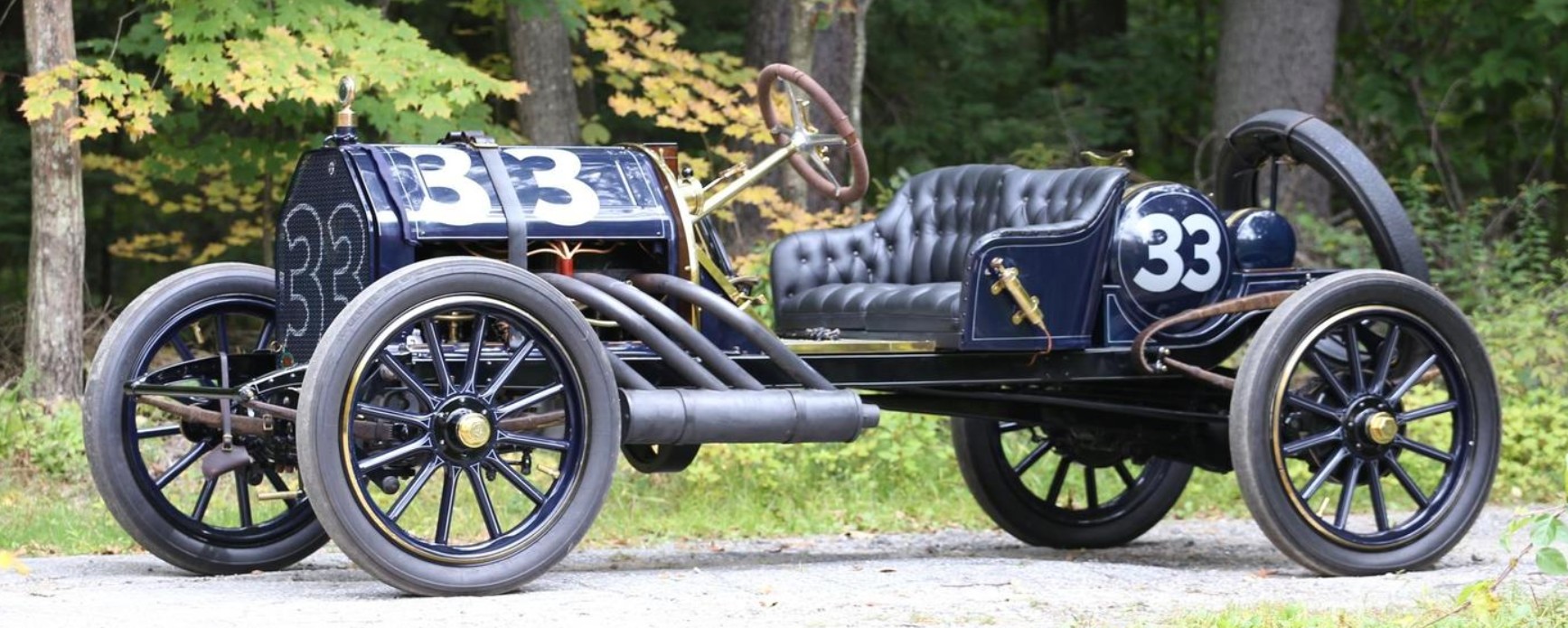
1911 EMF Race Car

1911 EMF Model 30 Two-Seat Racer

Offered by Bonhams | Amelia Island, Florida | March 12, 2015

Photo - Bonhams

Photo – Bonhams

This is a race car that was built the same year the first Indianapolis 500 was held. It didn’t race there, but it looks just like the cars that did. These were stripped down versions of road cars with two seats and light body work.

EMF was the abbreviation of Everitt-Metzger-Flanders – three men who had been around the booming auto industry for years. They built cars together for a few years between 1908 and 1912. Studebaker acquired them and shut them down because their quality wasn’t exactly great.

This car was entered in the 1911 Tiedeman Trophy Race in Savannah, Georgia. It was a big event – bigger than that new event held way back in Indiana. EMF entered three cars in the race and they finished 1-2-3. This car was driven by Jack Tower, who would race at Indy twice (in 1911 and 1913).

It is powered by a straight-four that makes 30 horsepower. It was discovered by the current owned in the 1970s and was restored then and restored again in the 2000s. It is the only surviving EMF racing car and it is thought to be the only surviving car that competed in the Tiedeman Trophy Race.

Pre-WWI race cars are extremely rare but they are incredible machines. This car has never been offered for public sale before. Now’s your chance if you have between $150,000-$200,000. to spend. Click here for more info and here for the rest of Bonhams’ lineup.

Update: Sold $242,000.

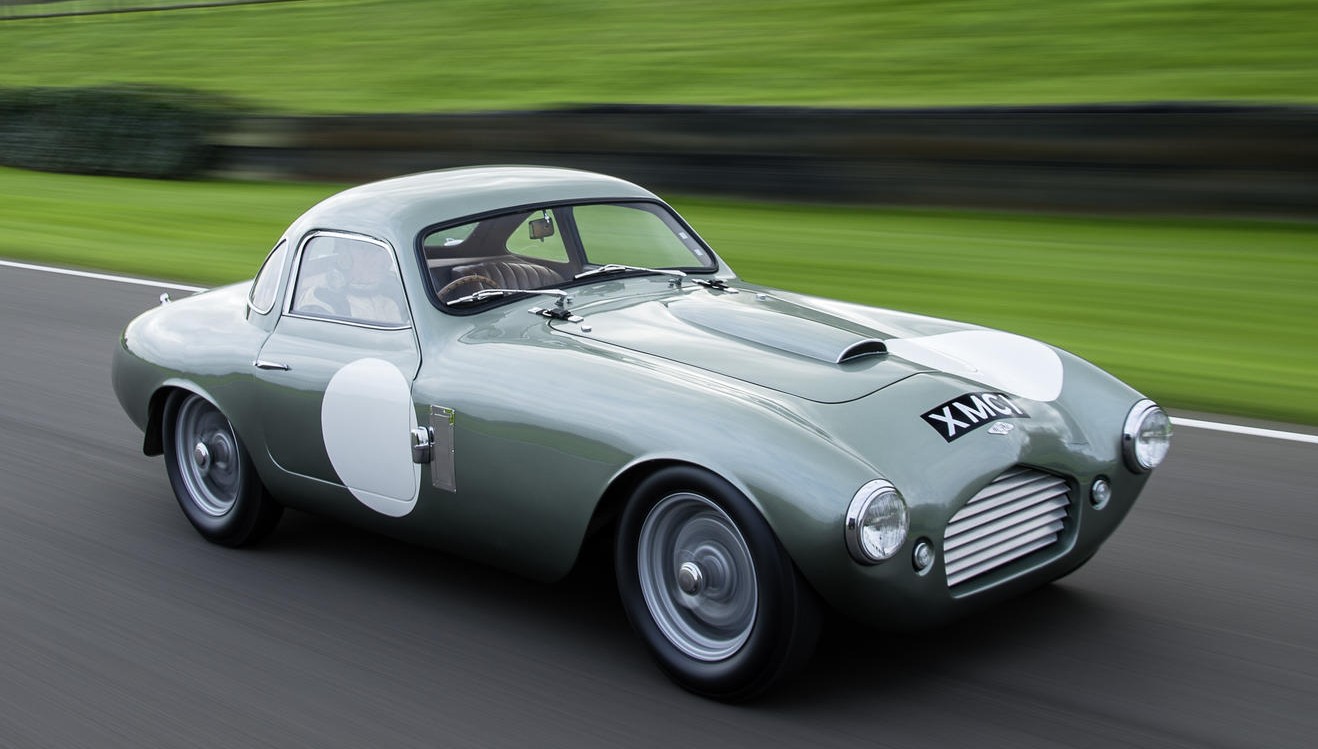
Frazer Nash Le Mans

1955 Frazer Nash Le Mans Coupe

Offered by Bonhams | Chicester, England | March 21, 2015

Photo - Bonhams

Photo – Bonhams

Archibald Frazer-Nash built some really cool cars under his own name (he also imported and attached his name to some BMWs). One such car was the Frazer Nash Targia Florio, a sleek convertible built between 1952 and 1954. The company experimented with putting a hard top on one of the Targa Florios and the Frazer Nash Le Mans Coupe was born (not to be confused with the Frazer Nash Le Mans Replica).

The Le Mans Coupe was built between 1953 and 1956. It was the first Frazer Nash closed-top car offered and it featured a 2.0-liter straight-six making 100 or 140 horsepower. This car was actually prepped for the 24 Hours of Le Mans and competed there in 1959. It was driven by William Wilks and John Dashwood, who crashed the car and they were a DNF in 47th place. It was the final race for Frazer Nash at Le Mans.

The car was repaired and has had a number of owners of the years. It is in great condition and is very rare in that only nine were built and this is one of three to compete in the 24 Hours of Le Mans. It should sell for between $850,000-$1,00,000. Click here for more info and here for more from Bonhams.

Update: Sold $695,854.

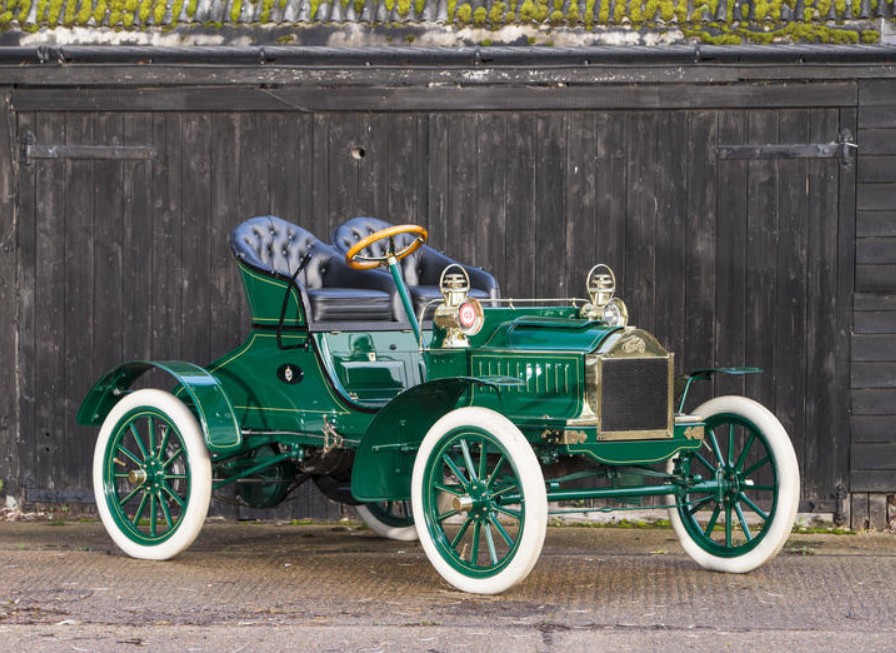
French Front Oldsmobile

1904 Oldsmobile Model N Touring Runabout

Offered by Bonhams | Amelia Island, Florida | March 12, 2015

Photo - Bonhams

Photo – Bonhams

This attractive Oldsmobile is a little different than the cars the company was famous for in its early years. The Curved Dash was Olds’ signature look in this era, but this Model N has what they called a “French Front” – a more traditional look styled after the cars coming out of France.

Available only in 1904 and 1905, the Touring Runabout was powered by a seven horsepower, single-cylinder engine of 1.9-liters. It was more upscale than the Curved Dash, featuring an Oldsmobile first: a steering wheel! It cost $100 more, too, at $750. It was available in either this green or a dark red.

Oldsmobile built 2,500 cars in 1904 between the Touring Runabout and a related model, the Light Tonneau. So rarity is guaranteed. This car was restored in the 1950s or 1960s by General Motors and remained in their Heritage Collection until 2011, so it has been well cared for. It’s a good-looking, early Oldsmobile. It should sell for between $65,000-$85,000. Click here for more info and here for more from Bonhams.

Update: Sold $94,600.

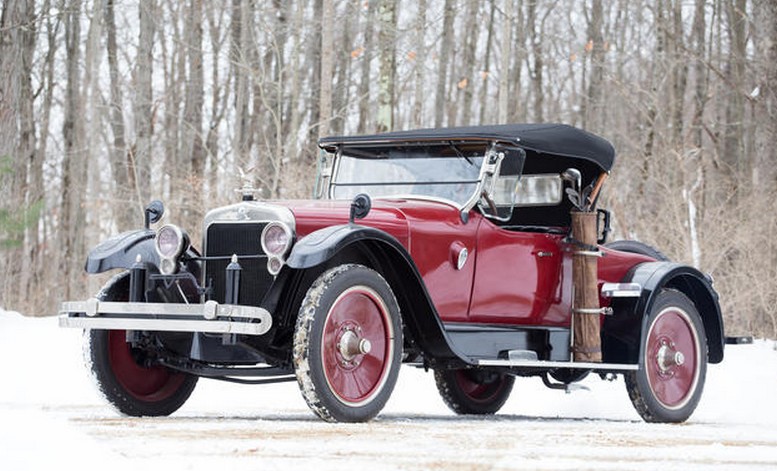
1922 Wills Sainte Claire

1922 Wills Sainte Claire Model A-68 Rumble-Seat Roadster

Offered by Bonhams | Amelia Island, Florida | March 12, 2015

Photo - Bonhams

Photo – Bonhams

Wills Sainte Claire is an interesting marque for a few reasons. One, it’s three separate words and I can’t think of another car that can say that. Secondly, its founder, C. Harold Wills, was a former Ford employee responsible for the Model T’s vanadium steel as well as the Ford script logo we all know today. So the first word of the car’s name comes from this last name, the other two come from the Saint Clair River in Marysville, Michigan, where the Wills Sainte Claire factory was located (the “e”s were for cachet).

Wills left Ford with a check of $1.5 million in his back pocket and ventured out on his own in 1921. 1922 was the first year for manufacture and the Model A-68 was the only model offered. It featured a 67 horsepower V-8 and was available in six body styles with this four-passenger Rumble Seat Roadster being the least expensive model at $2,875.

This is a well-optioned example that has an older restoration but it still shows very nicely. It runs well and can be fun for you for between $110,000-$114,000. Click here for more info and here for more from this sale.

Update: Sold $151,250.