Maserati 8C 3000

1933 Maserati 8C 3000 Biposto

Offered by Bonhams | Amelia Island, Florida | March 10, 2016
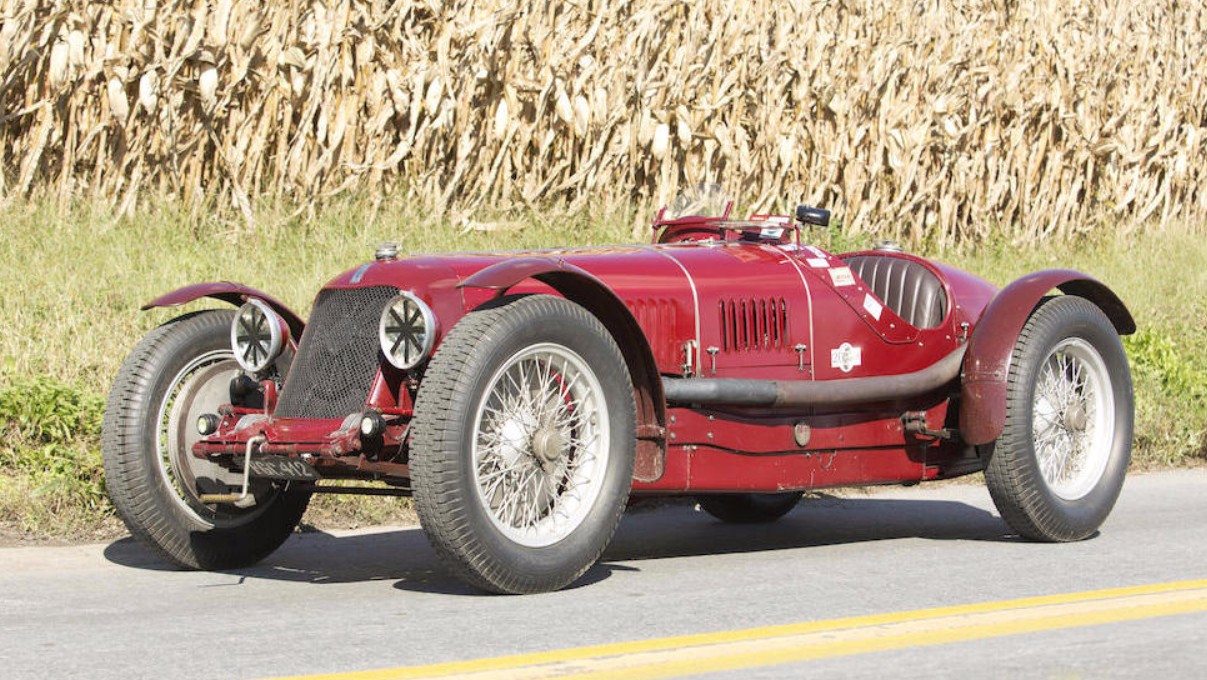
Photo - Bonhams

Photo – Bonhams

Well here is a serious race car. Pre-war Maserati racers were some of the best in their day, competing head-to-head against the likes of Alfa Romeo and Bugatti. The Maserati Tipo 26M gave way to the 8C 2800. When their eight-cylinder engine was upped in capacity, the 8C 3000 was born in 1931. This is the fourth 8C 3000 built and it was built in 1932 for the 1933 season. The 8C 3000 was the final two-seater Grand Prix car Maserati built.

It’s powered by a 2.8-liter straight-eight engine, supercharged to make 220 horsepower. The crankcase for this car was discovered in the 1960s and later an axle was found (along with some other parts). The car is reconstructed of parts but is faithful to the original. There are two existing 8C 3000s that are more complete, but this is still a special car.

It’s one you can use in historic racing – or even on the road. It’s fast, powerful, light and it probably sounds glorious. No pre-sale estimate is being provided so it should be expensive. Click here for more info and here for more from this sale.

Update: Sold $1,001,000.
Siata 300 BC

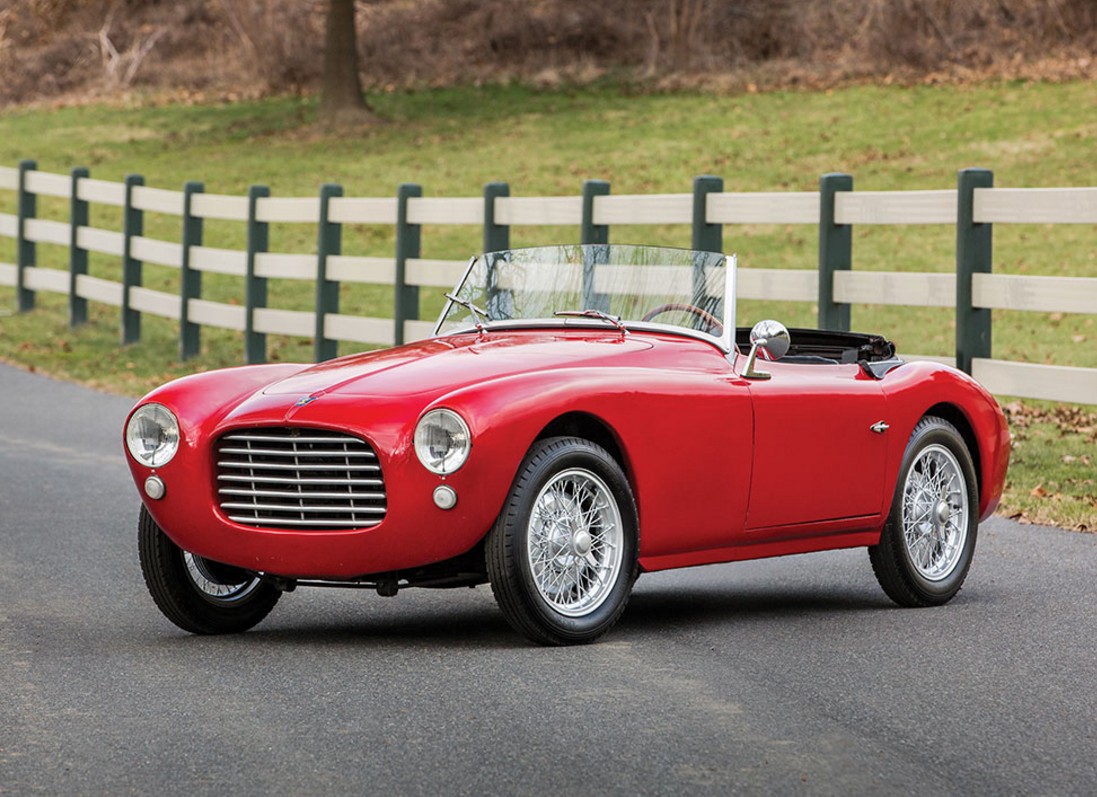
1953 Siata 300 BC Barchetta by Bertone

Offered by RM Sotheby’s | Amelia Island, Florida | March 12, 2016

Photo - RM Sotheby's

Photo – RM Sotheby’s

Giorgio Ambrosini’s Siata somehow survived until 1970, but it was the 1950s where they made their mark. The first cars were modified Fiats and their first homemade model was the 1951 300 BC Barchetta.

The car is very light (as you can see, the tires look like they were stolen off a bicycle) and it’s powered by a 51 horsepower 1.1-liter Fiat straight-four. Earlier cars had Crosley motors. This model was aimed at Americans who needed an agile SCCA weapon.

This is car #38 of 40 that were bodied by Bertone (another handful or two were also built, some with bodies by Motto). It’s been in the U.S. since new and was first road-registered in 1989, having been primarily used for competition up to that point. For most of its life, it was driven twice a year to keep it running. It’s been repainted and the interior redone, but otherwise it’s largely original. Click here for more info and here for more from this sale.

Update: Sold $198,000.

GT40 Mk I

1966 Ford GT40 Mk I

Offered by Gooding & Company | Amelia Island, Florida | March 11, 2016

Photo - Gooding & Company

Photo – Gooding & Company

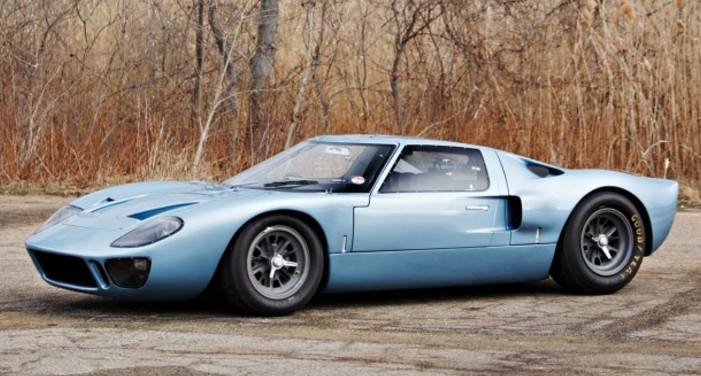
The GT40 is the baddest car Ford ever built. It came into existence because Henry Ford II wanted to beat Ferrari. The cars were built in the U.K. and while the cars were initially designed for track dominance, Ford did build and sell road-going models.

The Mk I GT40 was the original design and they used a 4.7-liter V-8 making 390 horsepower. This particular car was built specifically for road use and was used by Ford as a promo vehicle in the Philadelphia area. The original invoice on this car was $10,000. In 1966. Yikes.

It’s had a number of owners on both sides of the Atlantic and was comprehensively restored in 2009. GT40 production numbers can be a little confusing but about 107 were built in total with about 87 of those being Mk I cars. And off those, only 31 were Mk I road cars. They always draw a crowd and road cars aren’t always easy to come by… this one should bring between $3,200,000-$3,600,000. Click here for more info and here for more from this sale.

Update: Sold $3,300,000.

Porsche Hunting Car

1958 Porsche 597 Jagdwagen

Offered by Gooding & Company | Amelia Island, Florida | March 11, 2016

Photo - Gooding & Company

Photo – Gooding & Company

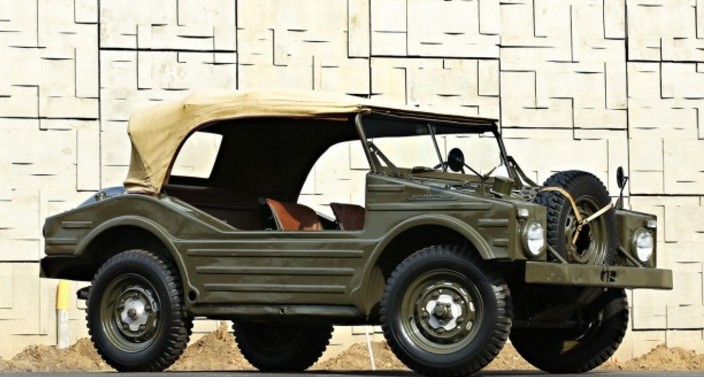
Jagdwagen is a German word that roughly means “hunting car” and it was a title applied to a handful of basic German machines built by the like of Isetta and Porsche, among others. After WWII, a couple of German companies vied for government contracts for military vehicles. Ultimately, DKW won out and the Porsche 597 was relegated to obscurity.

Powered by a 1.6-liter flat-four making 50 horsepower, it has four-wheel drive and is amphibious. While the car was intended to be used by the Army, most of the 597s built were for civilian use.

In fact, of the 71 total constructed, 49 were sold to the public, including this one that was bought new in California. The Prototype was built in 1953 and production lasted from 1955 through 1958, with this example being among the latter part of the production run. It is all-original – seat covers, top – everything. Jerry Seinfeld acquired it in 2010 and, thought to be one of 15 remaining, it should bring between $350,000-$425,000. Click here for more info and here for more from this sale.

Update: Sold $330,000.

Birchall McCoy

1988 Birchall McCoy

Offered by H&H Classics | Donington Park, U.K. | February 24, 2016

Photo - H&H Classics

Photo – H&H Classics

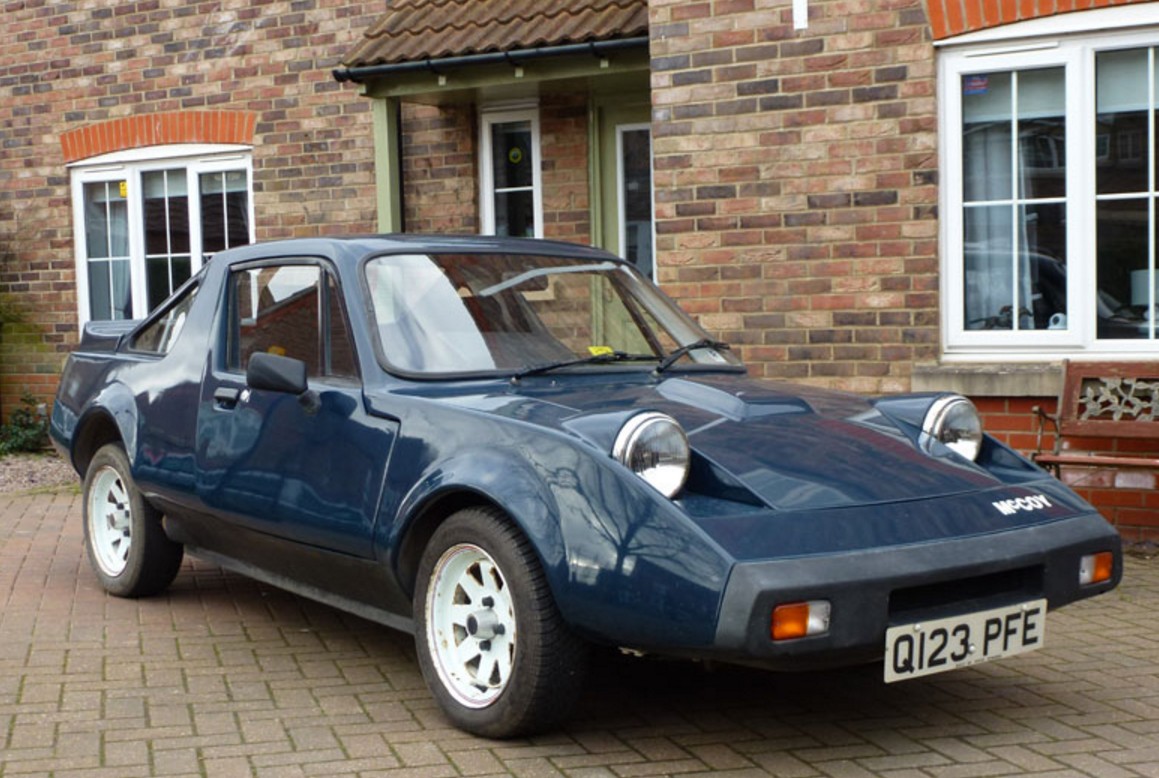
Well, have you seen one of these? The Birchall McCoy was built by Birchall Automotive Ltd. They specialized in both Aston Martin restoration and service as well as kit cars – hand in hand, right? The BMC Mini was a ripe kit car platform – there were hundreds of kit cars based around the original Mini.

This car is actually related to the Clan Crusader as it was styled by the same person. But while the Crusader was based on the rear-engined Hillman Imp, the McCoy was based on the front-engined Mini. That engine is a 1.1-liter straight-four.

Birchall got out of the car business in 1990 and sold the design and company to someone else who renamed it. In all (kit and turn-key form), about 100 McCoy coupes were built. This is a one-owner car with about 32,000 miles on it. If you want something unusual, look no further. And for $2,600-$3,100 why not? Click here for more info and here for more from this sale.

Update: Sold $2,222.

1911 Packard Limousine

1911 Packard Model 30 Limousine

Offered by RM Sotheby’s | Amelia Island, Florida | March 12, 2016

Photo - RM Sotheby's

Photo – RM Sotheby’s

The Model 30 Packard was new for 1907 and lasted through 1912. It was their stalwart and most popular model. This particular car is listed as a “UEFR” – which likely means it was a 1912 model – but production of the UE series Model 30s actually began in the summer of 1911. Make of that what you will.

It is powered by a 7.1-liter straight-four putting out about 60 horsepower. Eight body styles were offered for 1911 and this open-drive Limousine was among the most expensive, costing its owner approximately $5,450 when new. This car was sold new to a lady in New Orleans where it remained until 1947.

In 1947 the car was in the possession of the chauffeur of the original owner and he traded the machine to a 19-year-old college student for a bottle of whiskey. Yeah. Good luck making that deal today. That 19-year-old, exhibiting a case of “what you don’t know can’t hurt you” drove the car back to Houston from the French Quarter. It’s been in Texas since and has never been restored but has been used gently over the years. It’s an amazing survivor. Only 1,250 “UE” Model 30s were built and the Limousine is rare. Click here for more info and here for more from this sale.

Update: Sold $137,500.

Update: Sold, RM Sotheby’s Hershey 2018, $71,500.

Polish Station Wagon

1987 FSO 125P Kombi

Offered by Brightwells | Leominster, U.K. | March 2, 2016

Photo - Brightwells

Photo – Brightwells

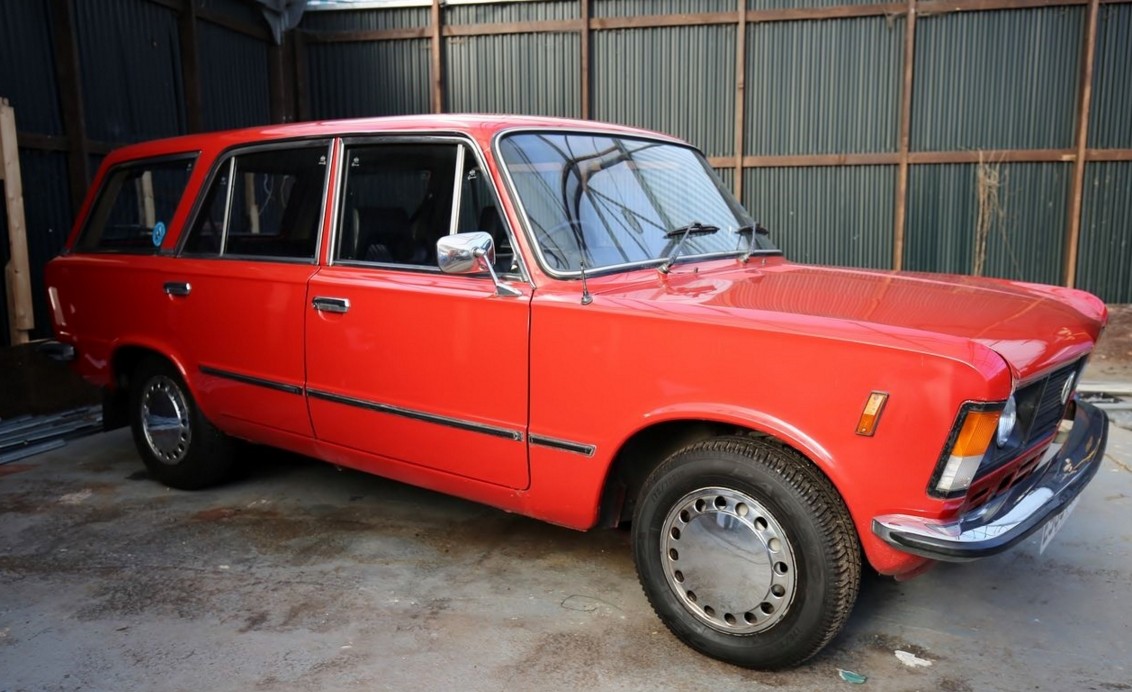
There are million dollar Porsches and Ferraris available at upcoming auctions but we’re featuring this car because it is interesting and you never see them. Fabryka Samochodów Osobowych (uh, I think I spelled that right), was a Polish auto manufacturer that existed between 1951 (when they were founded by the Polish government) and 2011. The last 20 years were spent as more of a factory as the FSO brand disappeared with the removal of the Iron Curtain.

In the mid-1950s, the Polish government got the license to build Fiats and did so under the Polski-Fiat brand name. The Polski-Fiat 125p was built from 1967 until 1983. Beginning in ’83, the brand name for that model became FSO and it lasted through 1991. Other FSO models were available as well. This car features a top-of-the-line 1.5-liter straight-four making 75 horsepower. It is in Kombi, or wagon, form. A sedan and pick-up were also offered.

While this may just seem like a used Soviet-era family station wagon, it is actually offered out of a museum and is in very good shape for its age. Cars wearing FSO badges are still out there, but most aren’t this nice. It’s not likely to bring much money but whoever gets it will have a little Cold War time capsule. Click here for more info and here for more from Brightwells.

Update: $1,700.

Kurtis Aguila

1962 Kurtis Aguila

Offered by RM Sotheby’s | Amelia Island, Florida | March 12, 2016

Photo - RM Sotheby's

Photo – RM Sotheby’s

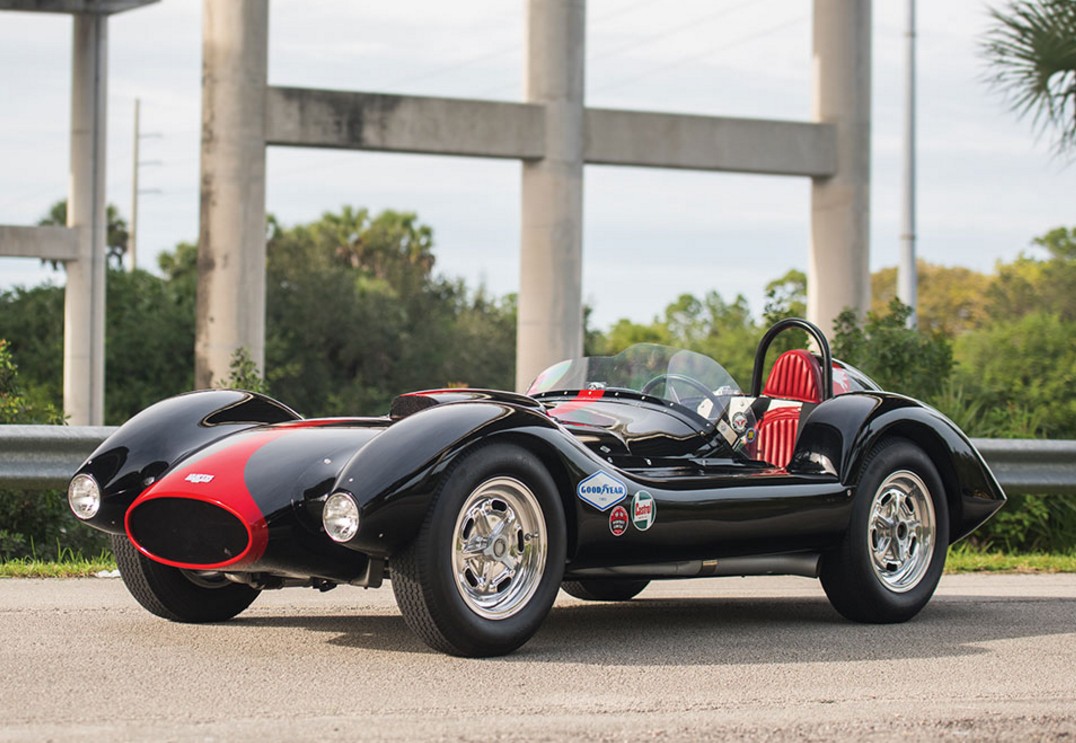
Kurtis Kraft built some legendary race cars in the 1950s. Frank Kurtis won multiple Indy 500s with his chassis and they dominated the dirt track circuit in their day. Unfortunately, his designs didn’t necessarily keep up with the times and orders for Kurtis race cars dwindled as the 1960s began.

A rich Texas racer contacted Kurtis in the early 60s with the idea of turning an open-wheel car into a sports car and wiping the competition off the map with it. Kurtis countered that he could build him a car that, with removable fenders, could compete successfully in both open-wheel and sports car competition.

This Aguila is powered by a 5.4-liter Chevrolet V-8 making an estimated 350 horsepower. It has disc brakes and will seat two (find another open wheel car that can fit two across). It had a brief privateer career before the dawn of rear-engined cars rendered it obsolete by 1965.

With known ownership history and a nice, well-maintained restoration, this one-off has the special distinction of being one of the final cars built by Frank Kurtis. Click here for more info and here for more from this sale.

Update: Sold $423,500.

1924 La Buire

1924 La Buire Type 12A Saloon by Hollingdrake

Offered by Bonhams | Chichester, U.K. | March 20, 2016

Photo - Bonhams

Photo – Bonhams

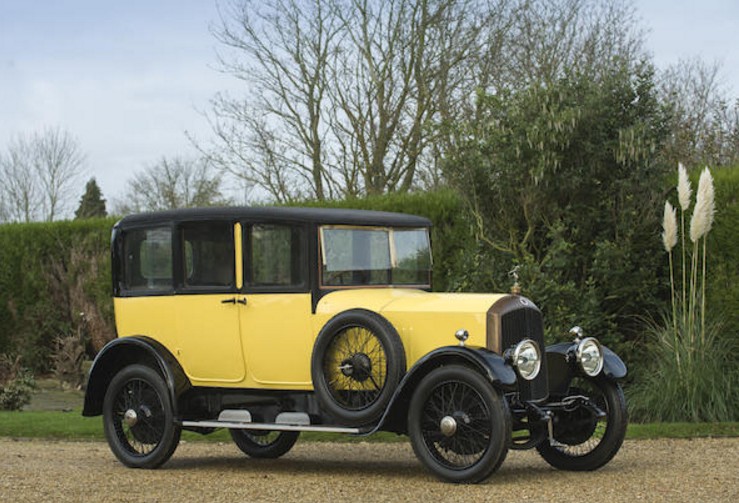
La Buire, of Lyon, was an automobile company founded in 1905 as an offshoot of an existing engineering company who had dabbled in steam-powered vehicles in the late 1800s. The car business went bankrupt by 1909 but was saved and re-introduced in 1911. This company lasted until 1930.

The Type 12A was built for 1924 and 1925. It uses a 2.8-liter straight-four making 14 horsepower. Though built in France, La Buire cars were available for sale in England by way of Hollingdrake, their official importer. 1924 may have been the final year that Hollingdrake bodied the La Buires they sold.

This example began a restoration in 2007 and the body and engine are complete, save for a starter that should be fitted. The car also needs an interior, but it should still bring between $27,000-$31,000. Click here for more info and here for more from this sale.

Update: Sold $13,328.

190 Evo II

1990 Mercedes-Benz 190 E 2.5-16 Evolution II

Offered by Silverstone Auctions | Stoneleigh Park, U.K. | February 28, 2016

Photo - Silverstone Auctions

Photo – Silverstone Auctions

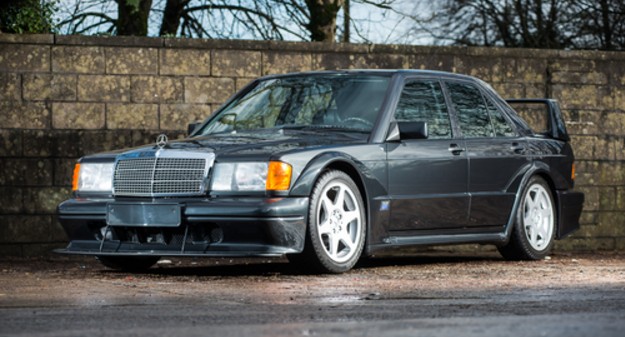
We’ve recently featured a Mercedes-Benz 190 Evolution I. That car was the 1989 homologation model for DTM. This, the Evolution II, came a year later and looks more or less the same other than a larger rear wing. It has all the looks of a road-going DTM machine. It’s a pretty extreme body kit for what was supposed to be a sensible sedan.

The engine here is a 2.5-liter straight-four making 235 horsepower – a substantial enough increase over the Evo I. Top speed is 155 mph. Only 502 of these were built and all sold out immediately upon going on sale.

This is car 262 and it only has 1,723 miles on it, making it essentially brand new. It should bring between $200,000-$225,000. That’s a lot of money for a 26-year-old car that originally sold new for $80,000. Click here for more info and here for more from this sale.

Update: Sold $407,500.