Porsche 911 GT1 Roadcar

1998 Porsche 911 GT1 Straßenversion

Offered by RM Auctions | Monterey, California | August 18, 2012

Photo – RM Auctions

Remember a week or so ago when we talked about the late-90s homologation specials that were thinly disguised race cars made street legal by some soft tuning and modification, namely the Mercedes-Benz CLK GTR? Well you’re looking at its biggest competitor, the Porsche 911 GT1. This is the rarest supercar Porsche has ever made. And it is glorious.

The race version of the CLK GTR never won the 24 Hours of Le Mans. The Porsche, however, did – taking the top two spots on the podium in 1998. We actually featured a 911 GT1 Evo a few months ago when it came up for sale. But, in order to race these ridiculous “GT” cars, Porsche was required to build road-going examples, just as Mercedes and McLaren did.

The first road car was delivered in 1997. It featured a detuned version of the race car’s 3.2-liter twin-turbo flat-6, making 544 horsepower. The car could do 194 mph and hit 60 mph in 3.6 seconds. The base price was a very Porsche-sounding $912,000. This particular car is believed to be the only registered 911 GT1 road car in the United States. Approximately 25 were built in total (how no one knows the exact number is a little disheartening as Porsche is a reputable company and they are German, thus they are, stereotypically, supposed to be organized and on top of such things).

If you want to own the rarest of rare Porsches with performance and outrageous looks equaled by very few cars, then this one’s for you. Show up at any Porsche show with it and even people with 959s and Carrera GTs will be staring at their shoes in embarrassment of having “just another production Porsche.” The price is expected to be in the $1,250,000-$1,400,000 range. For more information, click here. And for more from RM in Monterey, click here.

Update: Sold $1,175,000.

Update II: Sold, Gooding & Company, Amelia Island 2017, $5,665,000.

Aston Martin DB3S

1955 Aston Martin DB3S

Offered by RM Auctions | Monterey, California | August 18, 2012

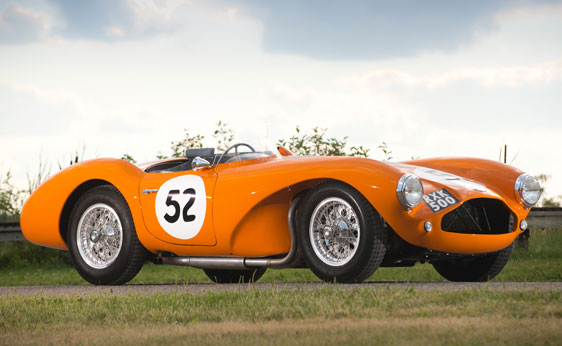
The Aston Martin DB3S was introduced in 1953 and produced through 1955. It was developed from the DB3 – a race car in its own right, although less successful on track than the DB3S would turn out to be. Eleven “Works” examples were built (factory raced by Aston Martin). In 1955, the company introduced a customer version.

Twenty of these customer cars were built and they used an updated version of the DB3S’ 3.0-liter straight-six, making 210 horsepower. This is car #118 (the 18th of the customer cars) and it is finished in a vibrant shade of orange, as it was originally delivered to a a Dutch racing driver named Hans Davids. The Dutch love their orange.

The car spent its life in privateer hands (with gentlemen drivers), but it did compete – and it did so against the likes of Stirling Moss, Roy Salvadori, Jo Bonnier, and Mike Hawthorn. The competition history of this car is as follows:

  • 1956 Goodwood (4/14) – 3rd (with Hans Davids)
  • 1956 Silverstone Daily Express – 17th (with Davids)
  • 1956 Grand Prix of Spa – 4th (with Davids)
  • 1956 Zandvoort – 1st (with Davids)
  • 1956 Opatija – DNF (with Davids)
  • 1957 Zandvoort – 1st (with Davids)
  • 1958 SCCA Nationals at Bridgehampton – 1st in class (with Fred Windridge)
  • 1958 Lime Rock National Championship Races – 10th, 1st in class (with Alan Markelson)
  • 1959 USAC Road Racing Championship Ponoma – DNF (with Bob Oker)

The car was restored and returned to its original color in the 1980s. Since then it has been well-maintained in ready-to-race condition. This car has known ownership history from new and no stories. Many people like their Astons in green, but I have to say that this looks really good in Dutch Racing Orange. I’d like to see more like it. The pre-sale estimate is $3,500,000-$4,000,000. For the complete lot description, click here. And for more from RM in during the Pebble Beach week, click here.

Update: Sold $3,685,000.

Pure Dominance: Audi R8

2001 Audi R8

Offered by RM Auctions | Monterey, California | August 17, 2012

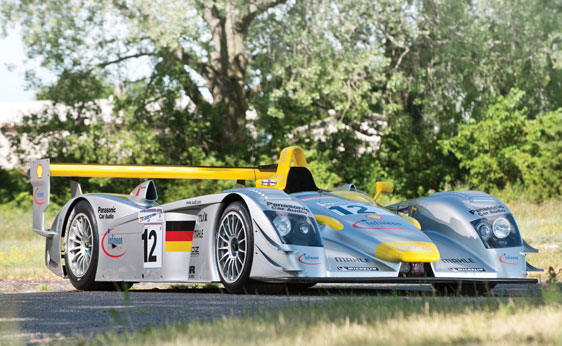
The Audi R8 is, quite simply, one of the most dominant race cars ever conceived. It never lost at the 24 Hours of Le Mans when it was entered with official factory backing (it won in 2000, 2001, 2002, 2004, 2005). Factory support switched, unofficially, to its sister car in 2003, the Bentley Speed 8. And for last race in 2006, Audi had entered the replacement car, the R10. If it weren’t for rules concerning the number of years a car could compete, this car would likely still be competitive today. It was lightning quick and it was designed to be serviced and have major components replaced in a very short period of time.

And the drivers that drove these things is a lineup that is second to none. Drivers included: Tom Kristensen, Frank Biela, Emanuele Pirro, Allan McNish, Rinaldo Capello, Marco Werner, JJ Lehto, and Michele Alboreto (who was tragically killed in an R8 testing accident). They won races and championships just about everywhere they were entered. It was an unbelievable run. The drivers and competition history of this ex-Team Joest car is as follows:

  • 2001 ELMS Race at Jarama – 1st (with Tom Kristensen and Dindo Capello)
  • 2001 X-Factor Grand Prix of Sonoma – 2nd (with Frank Biela and Emanuele Pirro)
  • 2001 Grand Prix of Portland – 2nd (with Biela and Pirro)
  • 2001 Gran Turismo 3 Grand Prix of Mosport – 24th, DNF (with Kristensen and Capello)
  • 2002 24 Hours of Le Mans – 7th (with Hiroki Katoh, Yannick Dalmas and Seiji Ara)
  • 2002 Suzuka 1000km – 27th, DNF (with Katoh and Ara)

The car itself was developed from the semi-competitive R8R and R8C cars that were used in 1999. The engine is a 610 horsepower 3.6-liter twin-turbo V8. There were 16 built in total, and five are in private hands today, making this a rare opportunity – especially because it is a race-winning factory Team Joest car. The pre-sale estimate is $1,000,000-$1,500,000. For the complete lot description, click here. And for more from RM in Monterey, click here.

Update: Sold $1,034,000.

Gulf McLaren F1 GTR Longtail

1997 McLaren F1 GTR Longtail

Offered by Bonhams | Carmel, California | August 17, 2012

If this doesn’t make you drool all over your keyboard, I don’t know what will. But seriously, if anyone out there would be kind enough to buy this car for me, I would be eternally grateful, as I have been really wanting one of these since I knew what they were. And I’m a sucker for anything painted in Gulf livery.

Where to start? I’m going to leave out the interesting tidbits about the McLaren F1 road car except that I will say that it was the greatest road car ever built (sorry, Volkswagen). Racing versions first appeared for the 1995 season, having to have been detuned from road-car spec to make it legal for certain racing series – including Le Mans, which it won in it’s debut season. Nine race chassis were built for 1995 (the GTR denotes a race chassis – some were converted to street legal versions after their racing lives had concluded and a number of GTR road cars exist today).

For 1996, nine more GTRs were built (with two additional 1995 cars upgraded). They had slightly different bodywork that was a little longer both front and rear to stay competitive. 1997 saw even more improvements and a move to the “Longtail” specification to compete against the Mercedes-Benz CLK GTR and Porsche 911 GT1. Ten Longtail cars were built with none of the previous cars being upgraded. This took the total to 28 cars. This was #28, the final GTR built.

Chassis 028R was originally 027R, but 027R was destroyed in a testing crash. When it was rebuilt, it was rebadged as 028R. The competition history of this car includes:

  • 1997 FIA GT Nürburgring 4 Hours – 44th, DNF (with Andrew Gilbert-Scott & Anders Olofsson)
  • 1997 FIA GT Spa 4 Hours – 44th, DNF (with Gilbert-Scott & Olofsson)
  • 1997 FIA GT Zeltweg 4 Hours – 30th, DNF (with Geoff Lees & Gilbert-Scott)
  • 1997 Suzuka 1000km – 6th (with John Nielsen, Lees & Gilbert-Scott)
  • 1997 FIA GT Donington Park 4 Hours – 7th (with Olofsson & Lees)
  • 1997 FIA GT Mugello 4 Hours – 8th (with Olofsson & Lees)
  • 1997 FIA GT Sebring 3 Hours – 10th (with Olofsson & Lees)
  • 1997 FIA GT Laguna Seca 3 Hours – 6th (with Olofsson & Lees)

Since the end of the 1997 season, this car was “preserved” at McLaren before being sold to someone in Japan in 2004 where it remained for two years. The current owner acquired it in 2006 but it hasn’t seen a track day since 1997. The engine, the 6.1-liter BMW V12 (which in this car has a somewhat neutered 600 horsepower) was last run in January – but McLaren has offered to do a full technical inspection free of charge once this sale is complete.

The McLaren F1 was a legend from day one and it continues to grow. These cars will do nothing but appreciate and by the time the kids – who had McLaren F1 posters on their walls in the 1990s – grow up and become financially successful (hopefully) adults in their 50s, 60s, and 70s, these cars will be worth untold fortunes. Road cars started at about $600,000-$900,000 back in the 90s and have sold for upwards of $4 million since 2008. I remember seeing them sitting on used-supercar dealer lots in the early 2000s. Times change fast. Bonhams wasn’t sporting enough to publish an estimate, so we’ll have to wait and see. For more info, click here. And for more from Bonhams in the amazing little town of Carmel, click here.

Update: Not sold.

S/N: 028R

Pebble Beach-Winning Horch

1938 Horch 853A Special Roadster by Erdmann & Rossi

Offered by RM Auctions | Monterey, California | August 17, 2012

This is one of the stars of the auction weekend in Monterey. If it looks familiar, that might because you’ve seen it featured as winning Best in Show at a number of high-class Concours d’ Elegance all over the country, namely Pebble Beach in 2004. Over the past eight years, this car hit the show circuit hard. I saw it in person in 2009 and I can attest that it is truly a magnificent car.

Horch was founded in Ehrenfeld, Cologne, Germany in 1899 by August Horch. The company moved to Reichenbach im Vogtland in 1902 and in 1904 relocated again, this time to Zwickau. August Horch was forced out of the company in 1910 and he went across the street and set up Audi. The company that bore his name would continue on without him, being merged into Auto Union in 1932 (coincidentally, Audi was also part of that group and is the sole surviving marque).

The Horch 853 (and 853A, as you see here) were introduced alongside other models of varying sizes/configurations in 1937 – but all used the same 120 horsepower 5.0-liter straight-eight engine. The main competition for these cars came from Mercedes-Benz and their lineup up elegant roadsters, namely the 540K. The Mercedes had a variant called the “Special Roadster” and they all look pretty much the same – about 25 were built.

Only eight Horch 853A Special Roadsters were built. The first one was bodied by Horch, the next six by Erdmann & Rossi, and the final one by Glaser. They are all different. The first three cars were referred to as “Series One” cars, while the final five are “Series Two.” This is one of three surviving Series Two cars.

One note about these cars when new: Horch wouldn’t sell you one until they concluded that you resided in an acceptable realm of society. They picked you to buy one of their cars instead of the other way around (well, you had to want one, I guess. But they almost certainly refused to sell them to certain individuals, although somehow Hermann Göring slipped through their screening process. I guess personality and likability weren’t among their requirements). In any case, this cost “significantly more” than its 540K counterpart.

Ownership history is known from the end of the war and the car was restored by RM, being completed sometime prior to being shown in August of 2004. This is one of the nicest pre-war cars around – and one of the most famous. But you better crack open your piggy bank(s) if you want to own it, as the estimate is between $6,000,000-$8,000,000. For  the complete lot description, click here. And for more from RM in Monterey, click here.

Update: Sold $5,170,000.

Local Car Show Revue – July 2012

I was able to hit up a few local car shows during July (as of this writing July still has more than a week left, so hopefully I can hit up more). Here’s a quick rundown:

July 15 was the date of the British Car show put on by the British Car Club of Greater Cincinnati. The setting was nice but the weather was uncooperative. I had to hand it to some of the owners, embracing the spirit – and weather – of British motoring. I saw a guy in an MGA driving in – sans roof – during a downpour. Many of the cars received impromptu plastic coverings, but some were open to the elements. It was both sad and awesome to see. Sad because you hate to see the interiors of these restored cars get wet – awesome because it means the ones that did get some rain probably also get some regular use. And I’m all about cars being driven regularly – flawless paint isn’t as attractive as paint that shows it is being enjoyed.

Photos are sparse due to the heavy rain and the fact I treat my camera as if it were my child. Here are some highlights:

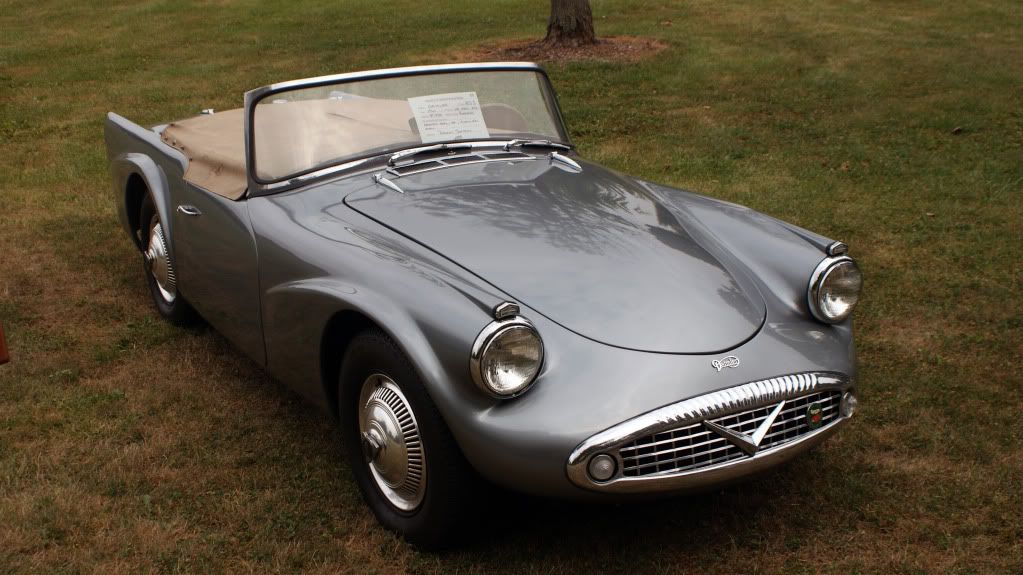
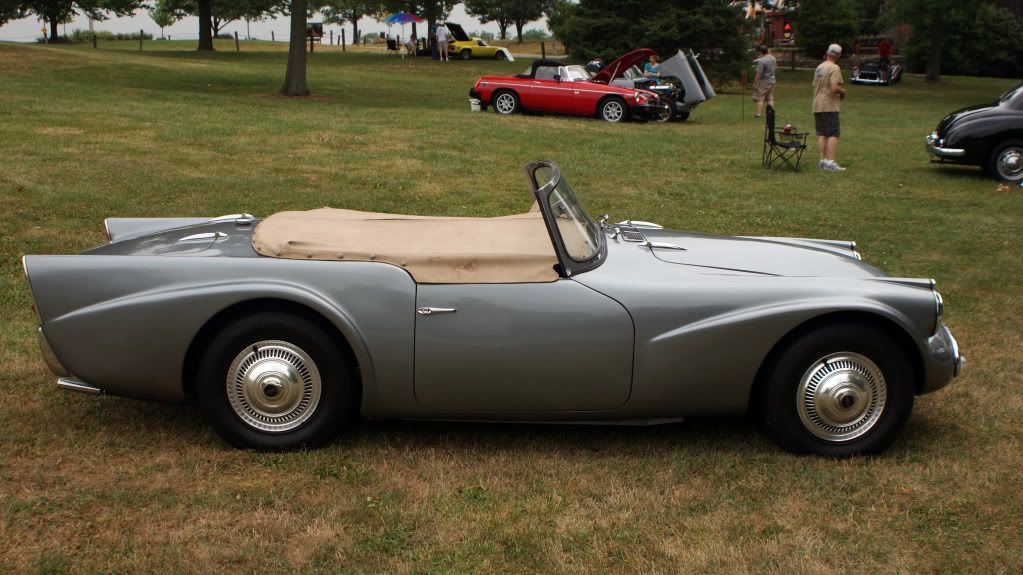
My favorite of the show came down to two cars, first this Daimler SP250 “Dart.”  This was the first Dart I’ve ever actually seen in person. The side view (below) shows it better, but I had two people tell me how Daimler had the styling so right… until they got to the front. Either way it’s a great looking car with a Chrysler Hemi V8 underhood. It’s also a lot longer than most of its contemporaries.

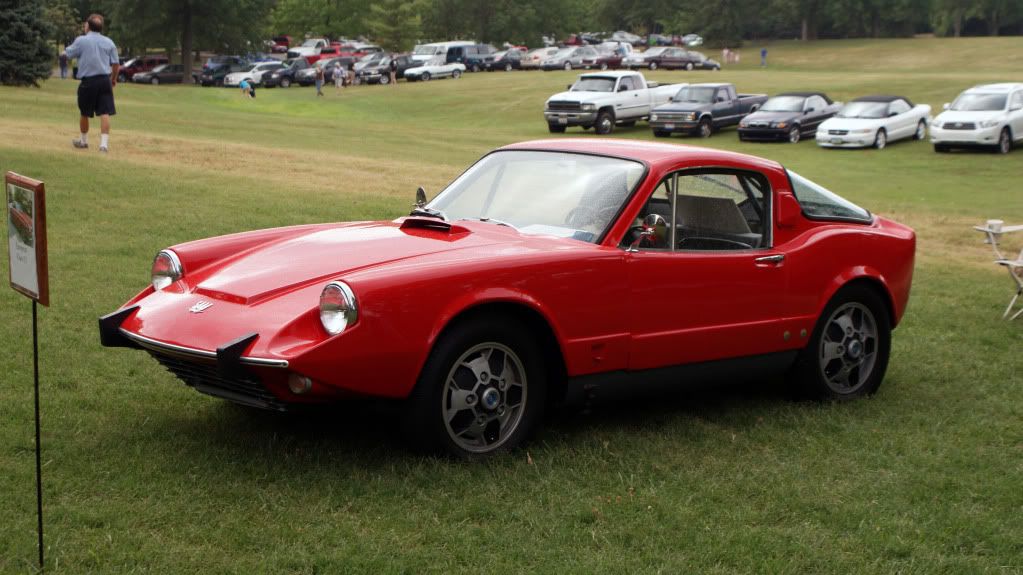
The other car I loved very much wasn’t even British – it was a Saab Sonett II. Many of these cars simply fell apart over time but this one was glorious. And it had, if I remember correctly, the three-cylinder two-stroke engine.

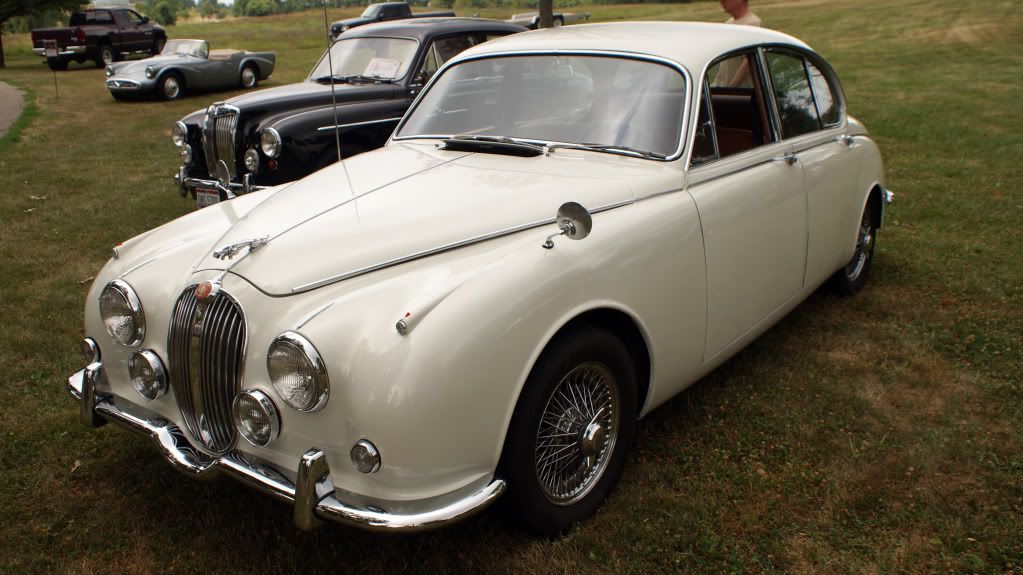
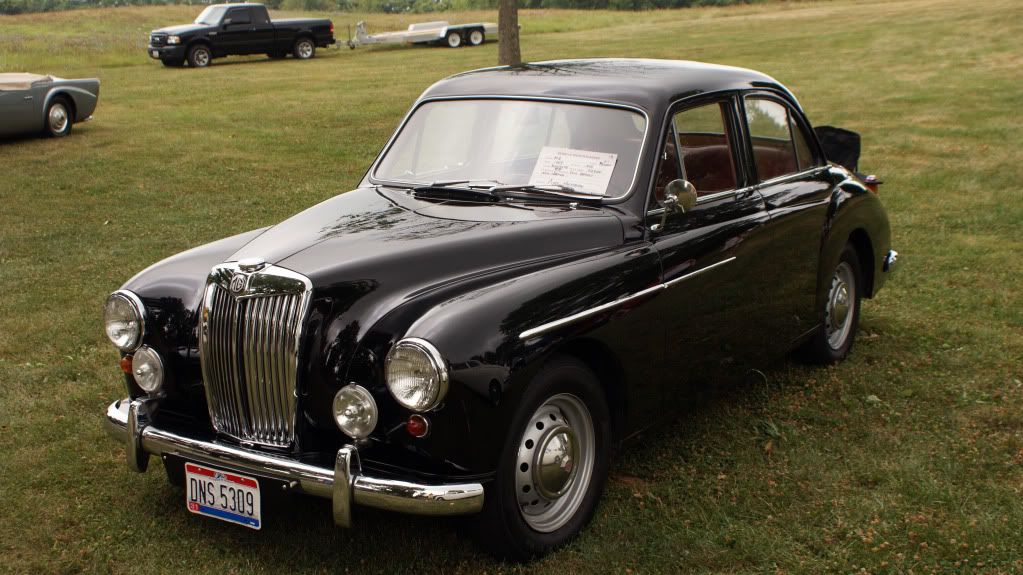
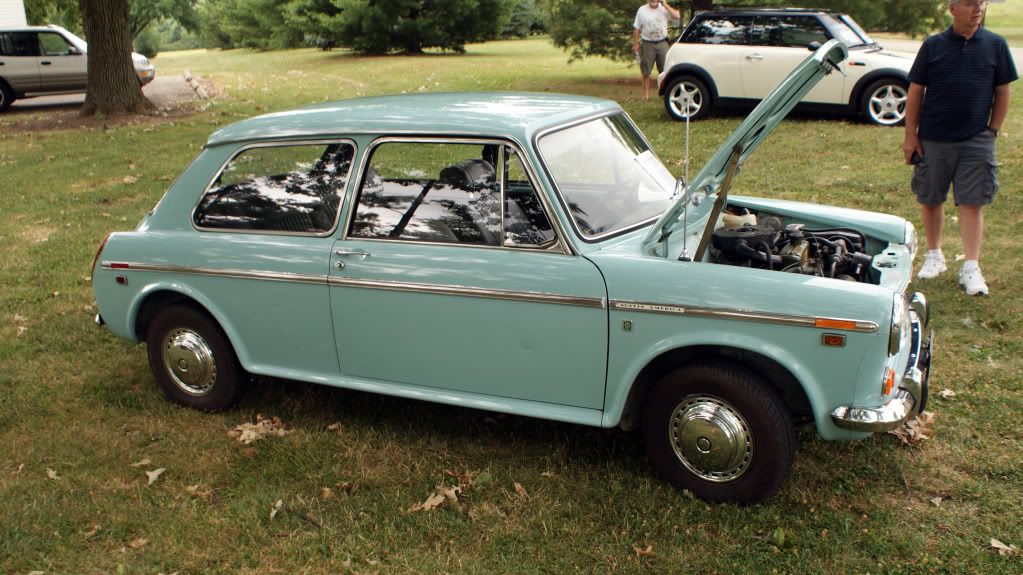
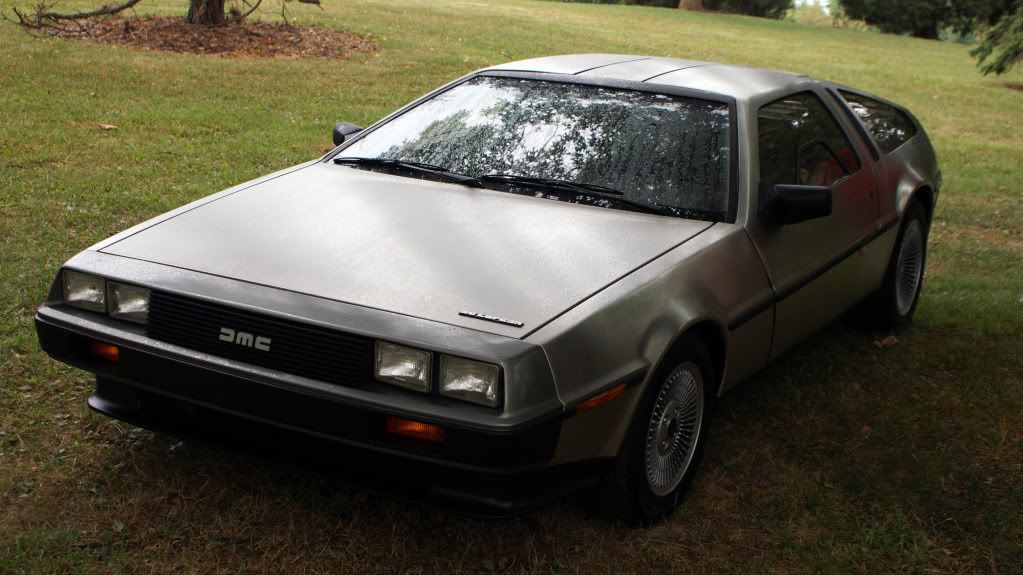
Some other cars: Jaguar Mark 2 (white), 1959 MG Magnette (black), 1970 Austin America (bluish-green), and a DeLorean DMC-12 (silver, obviously).

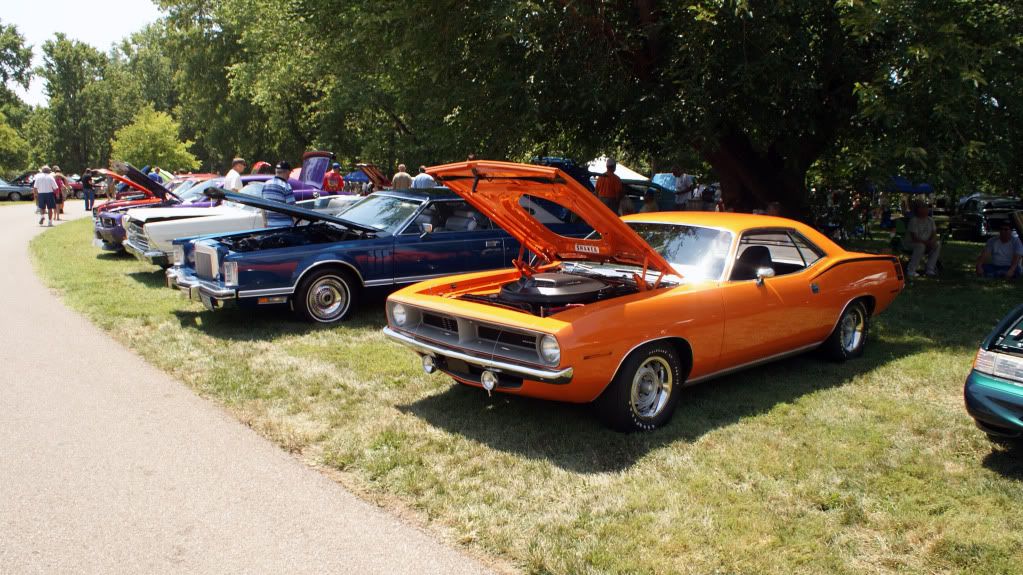
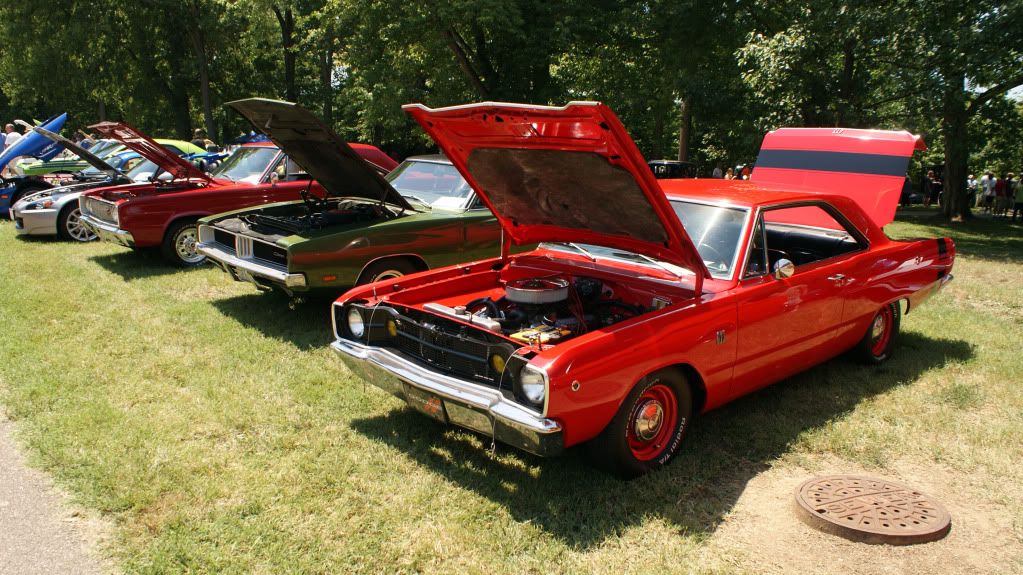
Another show was the 2012 edition of Rollin’ on the River (held on July 22). It is a properly big show with cars just rolling in one after the other. Again, I failed to take a plethora of photos (although the weather was brilliant) as I spent the early part of the day watching – and more so listening – to the cars roll in. The afternoon was spent chatting up some of the owners and unfortunately, no one offered to just give me their car.

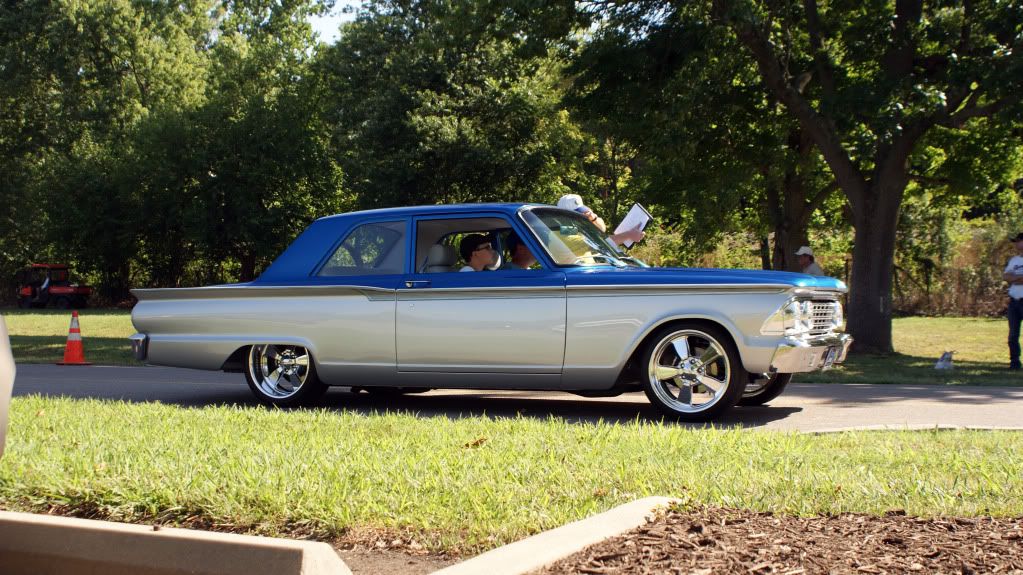
This show had something for everybody, from customs:

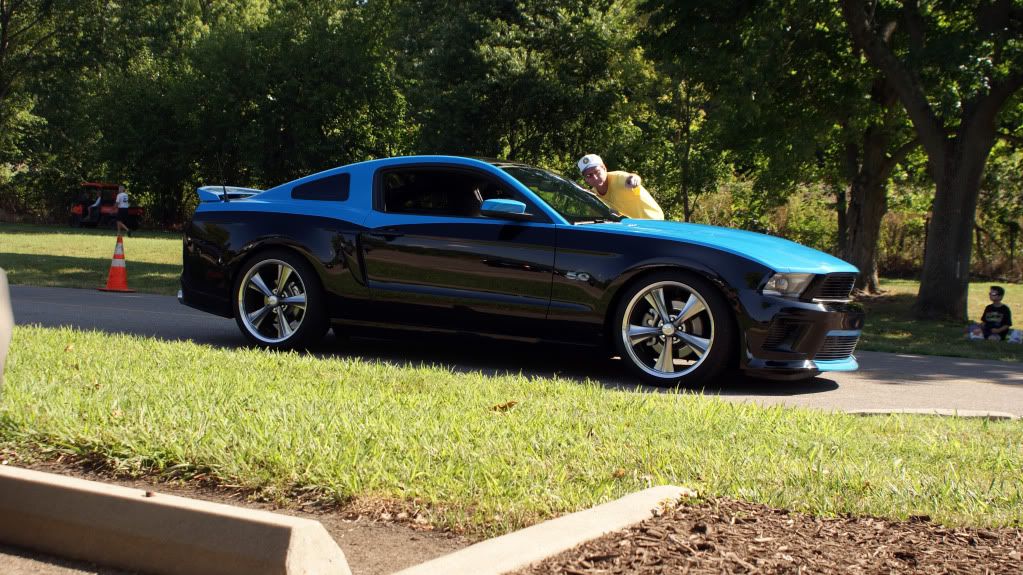
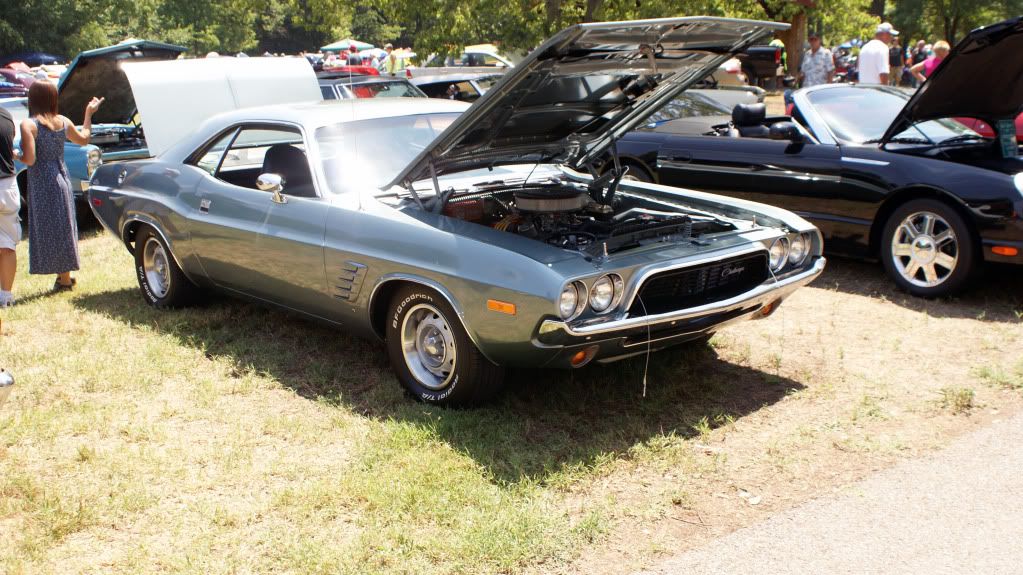
To muscle cars:

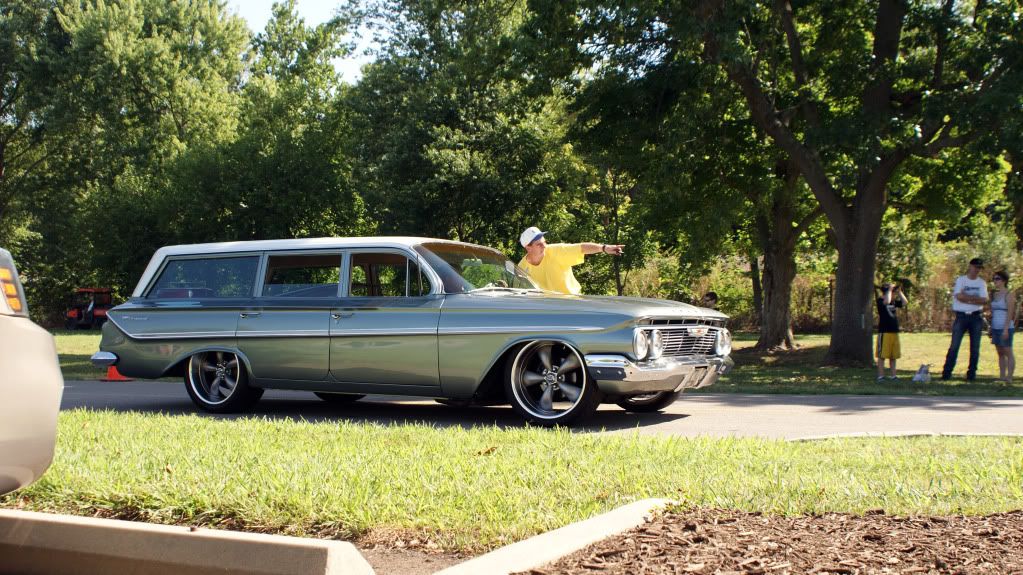
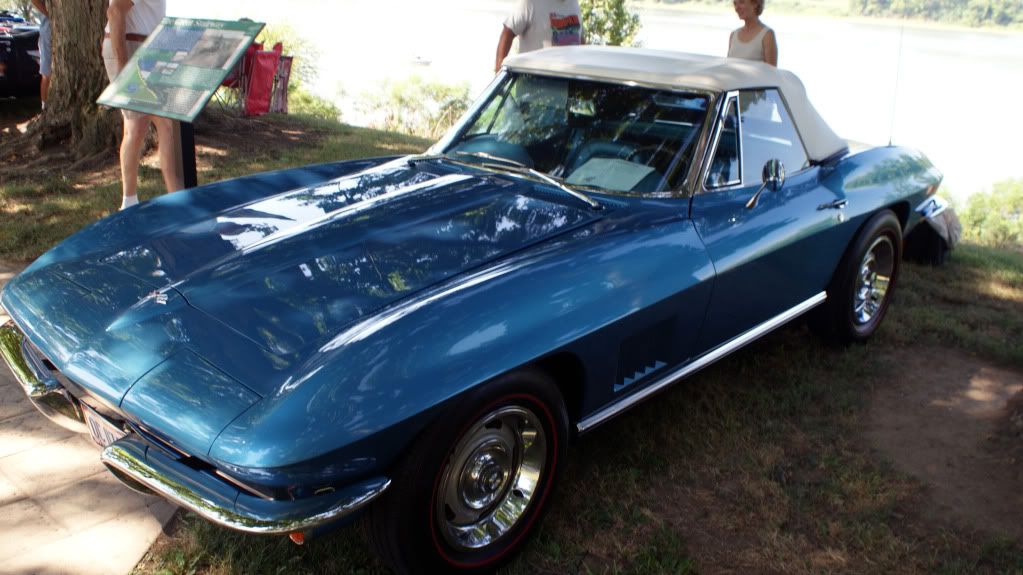
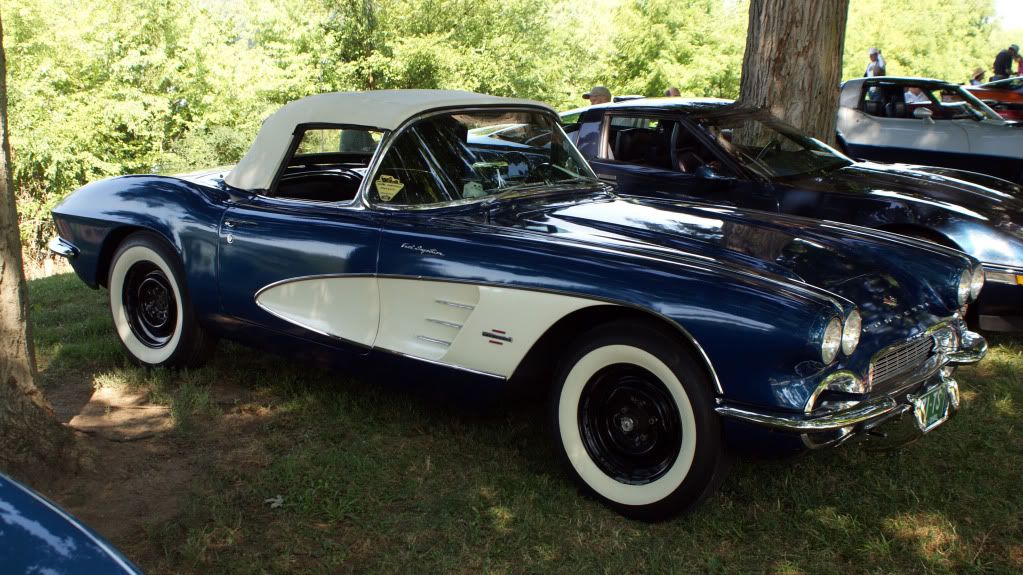
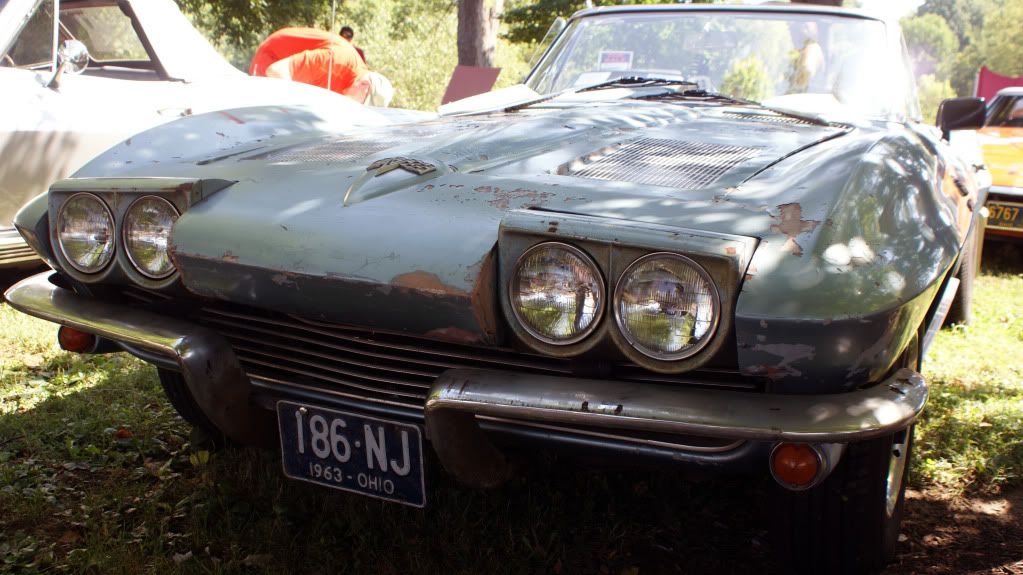
And Corvettes:

The two directly above I really liked. One is an obvious “work in progress” and the one with the black wheels looks racy and mean. I love it.

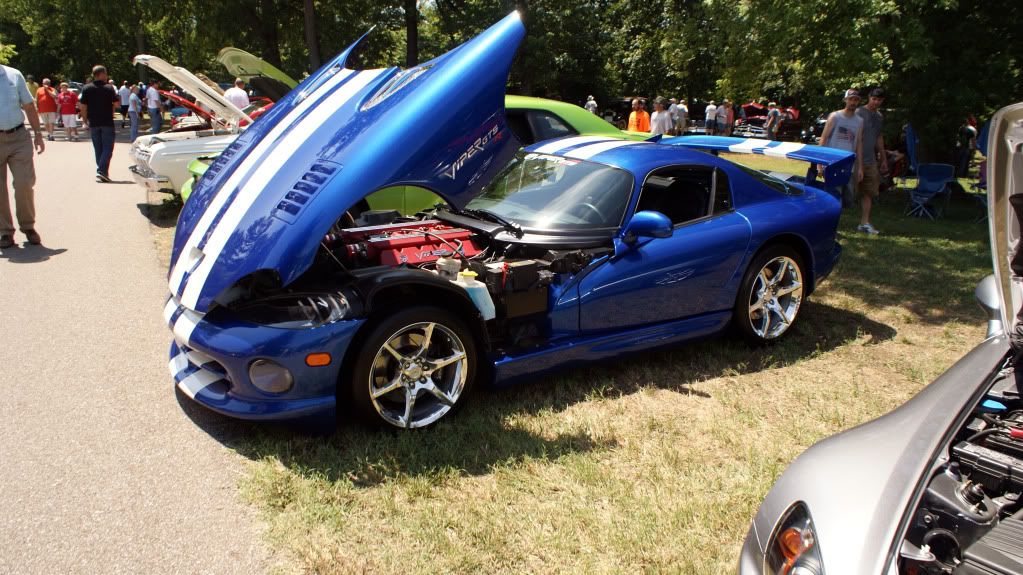
And there were cars for everything in between. My favorites included a super rare Pontiac Trans Am Tojan and a 1912 Ford Model T Town Car. This Viper was perhaps the most exotic supercar there. It was listed and displayed as a 1997 Viper GTS-R. The window sticker didn’t mention an “R” (which was mostly an aero package that would be duplicated in 1998 for the GT2). I’m guessing it was all dealer-added post-sale. But whatever, it’s still fast.

(Don’t worry about this one, once it got a little speed it fired right up).

Mercedes CLK GTR

1998 Mercedes-Benz CLK GTR

Offered by RM Auctions | Monterey, California | August 17, 2012

The FIA GT1 Championship in the late 1990s netted supercar fans some amazing machines. But instead of basing their race cars on road-going models, constructors were building race cars and then hastily re-arranging things so that they could be driven on the street. The result were some very rare, very outrageous road cars. This is one of them.

The CLK GTR, while it shares its name with the CLK-Class, was created from scratch by AMG, Mercedes’ performance tuning arm. With the 1997 season ready to go, AMG had built one road car (a good faith sign that the required 25 homologation models were on their way, and the minimum they had to do to get the race version legally on the track). For 1998 Mercedes used an altered version of the GTR called the CLK LM. And for 1999 it was scrapped altogether in favor of the spectacularly doomed CLR.

The FIA GT1 Championship was shelved for 1999 due to lack of constructor interest. There had been enough demand by ultra-rich customers that Mercedes decided to fulfill its homologation obligation and built 25 road-going versions of the CLK GTR. This was number one. Twenty were coupes and there were at least five roadsters (an additional roadster may have been built, bumping it to 26 road-going cars). The engine was a 6.9-liter V12 making 604 horsepower. At the time of its release, the car held the world record for the World’s Most Expensive “Production” Car, with a price tag of over $1 million in 1998.

Enter H.W.A., which was founded in 1998 as an offshoot of AMG. The company now runs the Mercedes-Benz DTM effort but one of the first things it did in its existence was modify two CLK GTRs to “SuperSport” specification. Gone was the 6.9-liter V12. In its place was a 720 horsepower 7.3-liter V12, making this the ultimate Mercedes-Benz supercar of all time, bar none.

The pre-sale estimate is $1,250,000-$1,500,000. For more information and the complete lot description, click here. And for more from RM in Monterey, click here.

Update: Sold $1,100,000.

1896 Léon Bollée

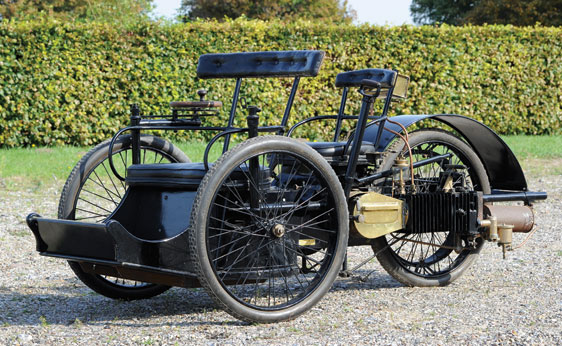
1896 Léon Bollée Voiturette

Offered by RM Auctions | Nysted, Denmark | August 12, 2012

This is probably the final car we’ll be featuring from the Aalholm Automobile Collection sale that RM is holding mere days before the festivities in Monterey. There are at least 15 other cars from this sale that I wanted to feature but have just run out of time with the Monterey catalogs becoming available and the incredible offerings on hand.

This is right there with some of the most interesting from Monterey. It’s certainly older. The Bollée name is an important one in automotive history. Amédée Bollée, whose original goal was to set the record for most accented “e”s in a person’s name, ended up building some of the earliest road-going (as in, not on rails) steam carriages known. He built four steam cars, the first in 1873 and the last in 1881, which is mind-boggling. Two of these vehicles still exist in museums. Also: he resided in a little town called Le Mans.

Amédée had two sons: Amédée the second and Léon. Before cars, Léon spent his time inventing calculating machines – early calculators that resembled typewriters. In 1895 he founded Automobiles Léon Bollée in Le Mans. 1896 was the first year for the “Voiturette,” the interesting design you see here, which is from the first year of production. The single-cylinder engine was mounted horizontally beside and to the rear of the driver, who sat in back – the passenger(s) rode in the front, no doubt sometimes making it hard for the driver to see! It was also one of (if not the) first car to have rubber tires.

Larger cars followed in 1903 and the company was purchased from Léon’s widow in 1922 by Morris of England (Léon died in 1913). The Léon Bollée name disappeared from vehicles after 1933. There is a statue of Léon in his hometown of Le Mans on Avenue du Général Leclerc directly across and up the street from the train station. I’ve seen it and my traveling companions failed to see why it was interesting.

I’ve seen one of these vehicles before too – there is one in the National Automobile Museum in Reno (The Harrah Collection). It is an 1897. So you can own one that is older. These are extremely interesting cars from the pioneering days of motoring and while other examples do exist, it is genuinely rare. There are many interesting cars at this sale, but this tops them all. The price is estimated between $55,000-$60,000. That might not seem like a lot for a car I claim to be so fantastic, but that is because cars like this have limited potential for use, which is what keeps their price down (you can’t take it on a Sunday cruise and there is no outlandish coachwork that will bring you heaps of awards). Trust me, this thing is amazing (and it has been restored at some point, unlike many of the other cars at this sale).

For more pictures and the complete catalog description, click here. And to view the rest of the vehicles at this sale, click here.

Update: Sold $129,800.

Gulf GT40

1968 Ford GT40 Gulf/Mirage Lightweight

Offered by RM Auctions | Monterey California | August 17, 2012

The genesis of the Ford GT40 is a well-known story. Henry Ford II wanted Ferrari. Enzo said no. Ford set out to destroy them on the track – and succeeded brilliantly. The Gulf-Mirage story isn’t quite as popular, but it’s just as interesting.

While the GT40 was conceived and designed in Dearborn, it was built in England by Ford Advanced Vehicles (FAV). After the 1967 season, Ford cancelled the project, effectively ending FAV. A number of road-going models (as well as race cars) had already been produced.

The head of FAV was John Wyer, a former race engineer and team manager. He was actually the team owner of the winning 1959 24 Hours of Le Mans team – when Carroll Shelby, head of the GT40 race team, was driving. Anyway, when FAV was scuttled, Wyer stepped up and reformed it as John Wyer Automotive Engineering (JWAE).

One of the customers of the road-going cars happened to be Grady Davis, Vice-President of Gulf Oil. He liked the car and thought it might be a good platform to carry the Gulf Oil name in competition. He funded JWAE to build race cars specifically for the purpose. These cars were badged as “Mirage”s.

Wyer based the first Mirage prototype (the M1) very closely on the, unsuccessful in competition, Mk I GT40. The car you see here was the third of three lightweight Mirage M1 race cars built. The Mirage M1 was competing against the very successful Ford’s Mk II and Mk IV GT40s in 1967. When the 1968 rules were announced, Ford pulled out of the GT40 project and it was left to privateer teams. Wyer found a curious loophole: prototypes would be limited to 3.0-liters while sportscars (with at least 50 road version having been constructed) were allowed 5.0-liters. Wyer took the Mirage M1 cars back to Slough, where JWAE was based, and converted two of them to GT40s.

Now Wyer had quite a car on his hands. These “Mk I” GT40s (built after the Mk II, III and IVs) won the 1968 and 1969 24 Hours of Le Mans. The competition history of this car, Mirage M.10003/Ford GT40 P/1074, is as follows:

  • 1967 1000km Spa (as a Mirage M1) – 1st (with Jacky Ickx and Dick Thompson)
  • 1967 24 Hours of Le Mans – 47th, DNF (with Ickx and Brian Muir)
  • 1967 BOAC 500 (Brands Hatch) – DNF (with Thompson and Pedro Rodríguez)
  • 1967 1000km Paris at Montlhéry – 1st (with Ickx and Thompson)
  • 1968 Daytona 24 Hours (as GT40) – 33rd, DNF (with Paul Hawkins and David Hobbs)
  • 1968 12 Hours of Sebring – 28th (with Hawkins and Hobbs)
  • 1968 1000km Monza – 1st (with Hawkins and Hobbs)
  • 1968 1000km Nürburgring – 6th (with Hobbs and Brian Redman)
  • 1968 Six Hours of Watkins Glen – 2nd (with Hawkins and Hobbs)
  • 1968 24 Hours of Le Mans – 34th, DNF (with Hawkins and Hobbs)
  • 1968 1000km of Paris at Montlhéry – 8th (with Jean Blaton & Hughes de Fierlandt)
  • 1969 BOAC 500 (Brands Hatch) – 5th (with Hobbs and Mike Hailwood)

Perhaps, one of this car’s more interesting assignments was that of camera car for the 1971 film Le Mans starring Steve McQueen. The roof was cut away and heavy 1960s-era 35mm cameras were installed. The car was driven at speeds up to 150 mph with a daring camera operator in the passenger seat. The car made runs of the pit lane prior to the start of the 1970 24 Hours of Le Mans for filming. Whether or not it ran during the race, however, is unknown.

The car passed through a few hands, being reconstructed as a GT40 in the 1970s and restored again in 1983. The most recent restoration was completed in 2002. Behind the driver sits a 440 horsepower Ford 289 V8. And all around the driver shines the brilliant blue/marigold Gulf colors that gives this car away as something truly special. The original Mirage M1 bodywork is included with the car.

If a Ford GT40 is a car you feel you must own, there is perhaps no other example, save for the Le Mans-winning Mk IV sitting in the Henry Ford Museum, that you should rather have than this. RM listed the estimate as “available upon request” – hinting that if you need even inquire, it is out of your reach. Expect it to go for millions. For the complete description, click here. And for more from RM in Monterey, click here.

Update: Sold $11,000,000.
The Oldest Simplex

1908 Simplex 50 Speedcar Roadster

Offered by Mecum Auctions | Monterey, California | August 18, 2012

The Simplex Automobile Company was born out of the failure of Smith & Mabley, which began importing and building cars in 1904 under the name S&M Simplex. After their bankruptcy in 1906, the remnants of Smith & Mabley were purchased by Herman Broesel who formed Simplex.

The first Simplex cars were, like the one you see here, massive cars, whose bare chassis with engine cost $4,500. The engine was a 10.0-liter four-cylinder – which, I think, means you can hear each individual revolution of the engine. It also has double-chain drive, which is a really amazing thing to see when one of these drives past you. Simplex was one of – if not the – last company to use chain drive on their cars. The company morphed into Crane-Simplex when they were bought out in 1917.

The restoration on this car can be described as “fresh,” having covered only 200 miles since completion. This is the earliest Simplex known to exist and cars like this are capable of fetching prices near $500,000, but no estimate has been published. For more info, click here. And for the rest of Mecum’s Monterey lineup, click here.

Update: Sold $1,900,000.

Update: Sold, Bonhams Amelia Island 2021, $610,000.