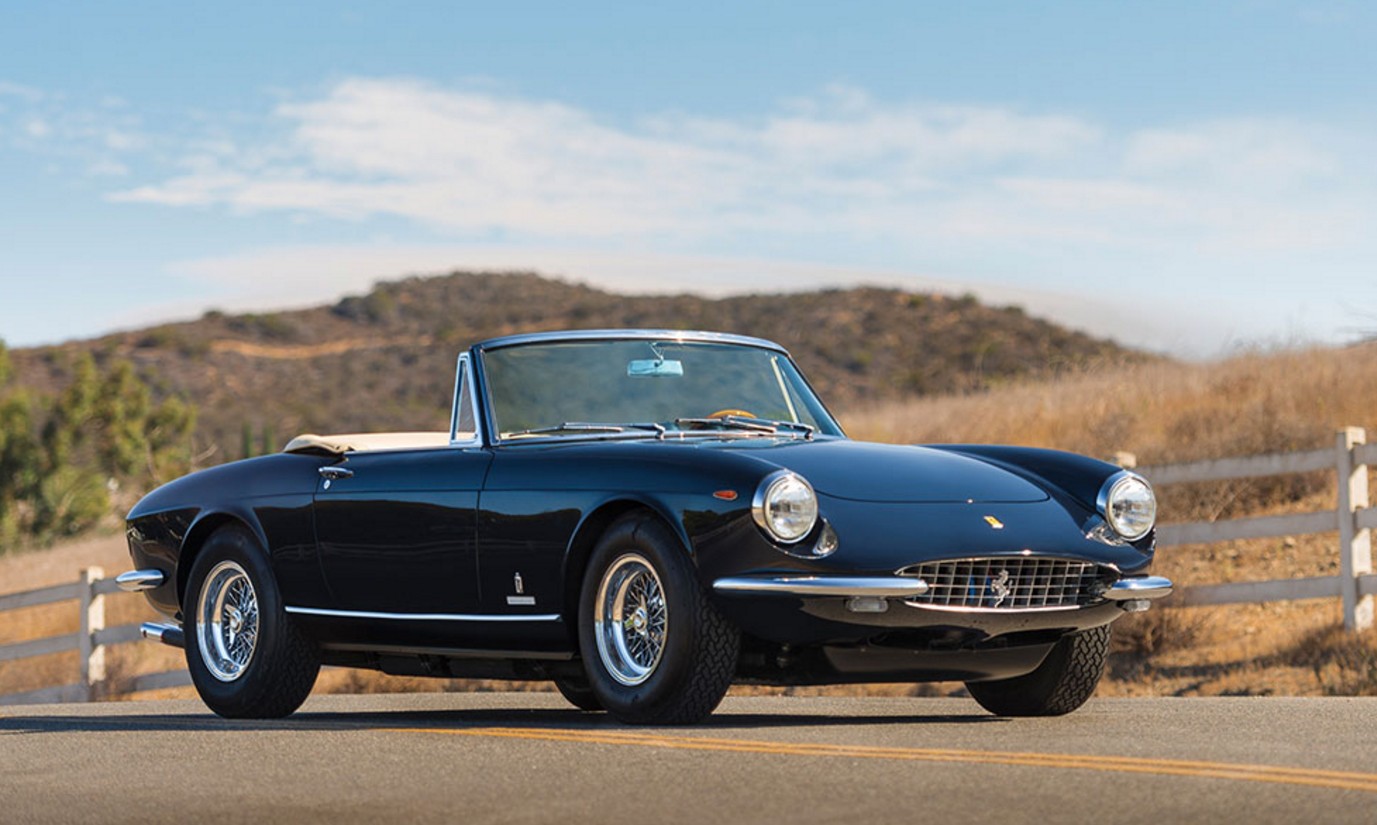
Ferrari 365 GTS

1969 Ferrari 365 GTS by Pininfarina

Offered by RM Sotheby’s | Phoenix, Arizona | January 19-20, 2017

Photo Courtesy of RM Sotheby’s

The number “365” is a little confusing in Ferrari history. There were a couple completely different cars carrying that number, including the 365 California, the 365 GT 2+2, the 365 GTC/GTS – all of these were somewhat related – and then there was the 365 GTB/4, which looked nothing like any of the others.

This car, of course, resembles the earlier 330 GTC, a car built between 1966 and 1968. The 365 GTC was a coupe built between 1968 and 1970. The GTS was the ultra-rare drop-top version of the same car. The 365 GTS differed from the 330 GTS in that it had a bigger engine. In this case, it’s a 320 horsepower, 4.4-liter V-12.

The 365 cars were rarer too, just 20 365 GTS models were ever built. This matching-numbers, six-owner example sports a restoration that is 20 years old but doesn’t look it. This is an easy million dollars at auction and you can see more here and more from this sale here.

Update: Sold $3,602,500.

Duesenberg J-237

1930 Duesenberg Model J Dual Cowl Phaeton

Offered by Barrett-Jackson | Scottsdale, Arizona | January 14-22, 2017

Photo – Barrett-Jackson

The Model J Duesenberg has always been a collectible car. People started buying these up when they were just 10-year-old cars and hoarding them. This action saved many of them and they have a fantastic survival rate for their age. Prices have undergone fluctuations, as this car sold in 2011 for just $363,000.

They were powerful cars in their day, with a 265 horsepower, 6.9-liter straight-eight providing the motivation. All sorts of body styles were offered by coachbuilders (as Duesenberg only sold the bare chassis/engine combination… you had to provide your own body). Among the most popular bodies was the Dual Cowl Phaeton seen here.

This car is far from original, unfortunately. It’s composed of original, period parts, but it was more or less assembled that way. For instance, it rides on a replacement chassis, the body was crafted in the style of LaGrande – but the engine is real. At any rate, it is wonderfully presented and should top the price it brought five years ago. Click here for more info and here for more from Barrett-Jackson.

Update: $880,000.

Dodge 330 Max Wedge

1963 Dodge 330 Max Wedge

Offered by Mecum | Kissimmee, Florida | January 6-15, 2017

Photo – Mecum

The “330” was a trim line introduced by Dodge in 1962 and in 1963, they separated it off and it became its own model. Between 1963 and 1964 it was a full size Dodge before it was replaced by the Dodge 880 for 1965.

1963 was a good year for the Max Wedge as it was virtually unbeatable at the drag strip. The 7.0-liter V-8 put out 425 horsepower and was geared to go a quarter of mile at a time. This example has been beautifully restored and it is one of about 64,100 330s built in 1963. Of those, only 162 were fitted with this engine and this one should bring between $90,000-$120,000. Click here for more info and here for more from Mecum.

Update: Sold $70,000.

Five Rare Mopars

Five Rare Mopars

Offered by Mecum | Kissimmee, Florida | January 6-15, 2017


1962 Dodge Dart 330 Max Wedge
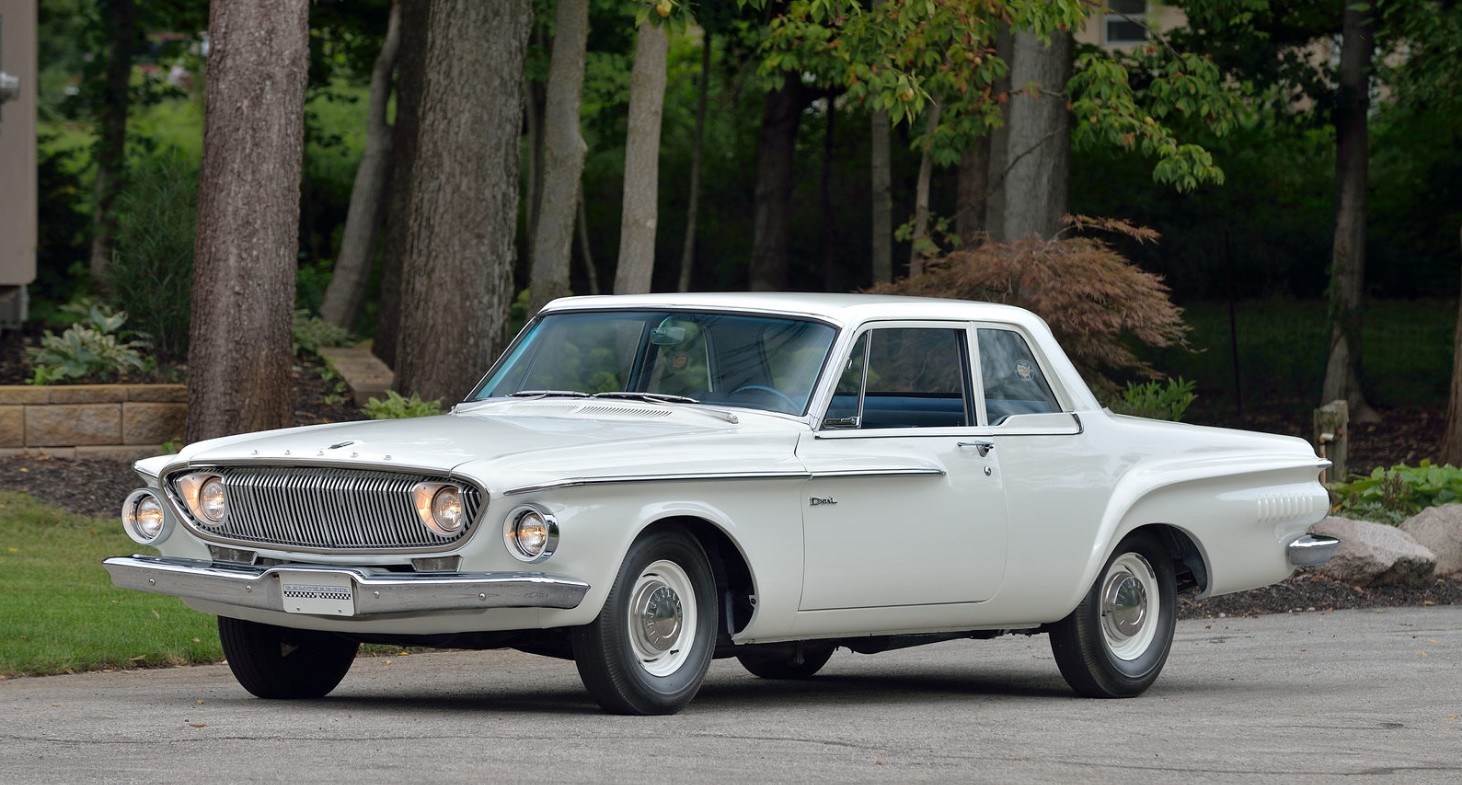
Photo – Mecum

The second-generation of the Dodge Dart was downsized from a full-size car to a mid-size car. This generation was only built for 1962 before moving to a compact platform in 1963. Three trim levels were available: the base Dart, the mid-trim Dart 330, and the top-trim Dart 440.

1962 also happened to be the year that Chrysler released an engine dubbed the Max Wedge – a 6.8-liter V-8 making 410 horsepower. It was designed to make their cars monsters at the drag strip and in the early 1960s, American automakers were perfectly happy to build low-volume versions of their high-volume family cars to dominate the ¼-mile.

This two-door sedan – likely the only body style you could get this engine – has been fully restored and is an authentic Max Wedge car. Production numbers are hard to come by, but about 25,500 ’62 Dart 330s were built (total of all five body styles) and there were approximately 13,500 Two-Door Sedans built across all Dart trim levels. The closest estimate I have to the number of Max Wedge Darts is 210. This one should bring between $85,000-$110,000. Click here for more info and here for more from this sale.


1963 Dodge 330 Max Wedge

Photo – Mecum

The “330” was a trim line introduced by Dodge in 1962 and in 1963, they separated it off and it became its own model. Between 1963 and 1964 it was a full size Dodge before it was replaced by the Dodge 880 for 1965.

1963 was a good year for the Max Wedge as it was virtually unbeatable at the drag strip. The 7.0-liter V-8 put out 425 horsepower and was geared to go a quarter of mile at a time. This example has been beautifully restored and it is one of about 64,100 330s built in 1963. Of those, only 162 were fitted with this engine and this one should bring between $90,000-$120,000. Click here for more info and here for more from Mecum.

Update: Sold $70,000.


1963 Dodge Polara 500 Max Wedge

Photo – Mecum

The Dodge Polara was a full-size Dodge and the second generation of the car was built between 1962 and 1964. For 1963, the Polara was available in two trim levels, the base Polara and the performance model dubbed the “500.” The Polara was essentially the same as the ’63 Dodge 440 except that it had backup lights. The 500 trim level added a base V-8, bucket seats and more interior niceties.

So what we have here is a 7.0-liter, 425 horsepower V-8 shoehorned into a well-appointed luxury two-door sedan. It was built as a customer order and never raced. It shows 36,000 miles and is one of about 39,800 Polaras produced in 1963. Of those, about 7,300 were Polara 500s and only five of those have the Max Wedge engine. This rarity will bring between $85,000-$115,000. Click here for more info and here for more from this sale.


1964 Dodge 440 Max Wedge Lightweight
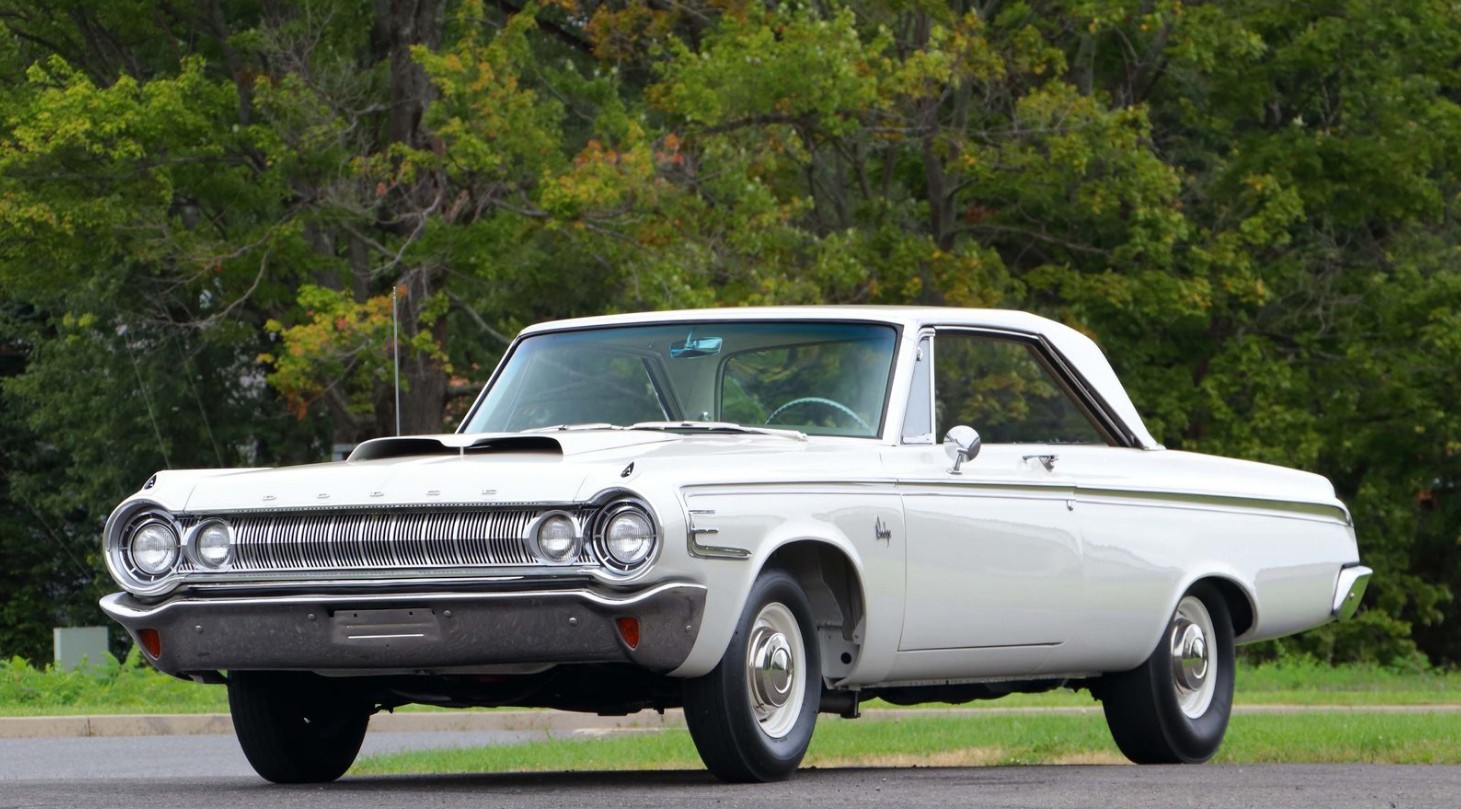
Photo – Mecum

The 440 was a trim-line on the 1962 Dodge Dart and for 1963 and 1964 it became its own full-size Dodge. Five body styles were offered and this two-door hardtop coupe will actually seat six. It was a step up from the Dodge 330 but a step below the Dodge Polara.

The engine is a 425 horsepower, 7.0-liter Max Wedge V-8 and it’s also a factory Lightweight. It’s had unnecessary weight stripped out and lightweight panels added where appropriate. Coupled with the big engine, this was a drag strip beast. It’s one of only 10 such cars built and should bring between $200,000-$250,000. Click here for more info and here for more from this sale.

Update: Not sold, high bid of $140,000.


1964 Plymouth Belvedere Max Wedge Lightweight
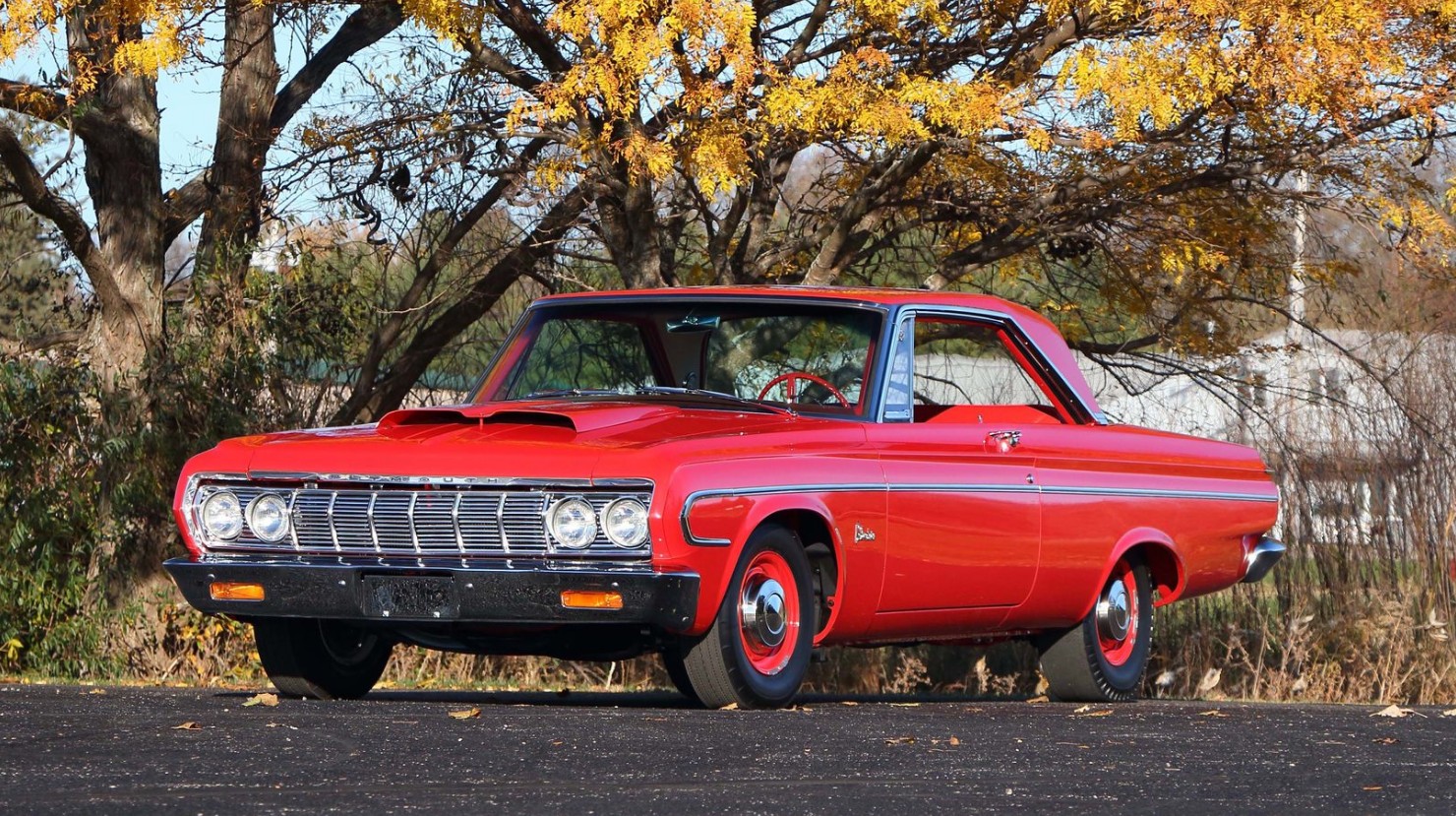
Photo – Mecum

The fifth generation Plymouth Belvedere was built between 1962 and 1964. For this generation the car got smaller and slotted in between the Savoy and the Fury. Offered in five body styles, this two-door hardtop could be had with a slew of engine choices.

But this example has a 7.0-liter Max Wedge V-8 making 425 horsepower. It was the final year for the Max Wedge engine before the “Hemi” made its debut. It’s a factory lightweight, so it has aluminium body panels in places. Fully restored to its correct color, this is one of just 14 Max Wedge Lightweights produced for the 1964 Belvedere. In all, 16,334 hardtop Belvederes were made in 1964. This one should bring between $125,000-$150,000. Click here for more info and here for more from Mecum.

Update: Sold $140,000.
Dodge Dart 330 Max Wedge

1962 Dodge Dart 330 Max Wedge

Offered by Mecum | Kissimmee, Florida | January 6-15, 2017

Photo – Mecum

The second-generation of the Dodge Dart was downsized from a full-size car to a mid-size car. This generation was only built for 1962 before moving to a compact platform in 1963. Three trim levels were available: the base Dart, the mid-trim Dart 330, and the top-trim Dart 440.

1962 also happened to be the year that Chrysler released an engine dubbed the Max Wedge – a 6.8-liter V-8 making 410 horsepower. It was designed to make their cars monsters at the drag strip and in the early 1960s, American automakers were perfectly happy to build low-volume versions of their high-volume family cars to dominate the ¼-mile.

This two-door sedan – likely the only body style you could get this engine – has been fully restored and is an authentic Max Wedge car. Production numbers are hard to come by, but about 25,500 ’62 Dart 330s were built (total of all five body styles) and there were approximately 13,500 Two-Door Sedans built across all Dart trim levels. The closest estimate I have to the number of Max Wedge Darts is 210. This one should bring between $85,000-$110,000. Click here for more info and here for more from this sale.

Update: Result unknown.

Polara Max Wedge

1963 Dodge Polara 500 Max Wedge

Offered by Mecum | Kissimmee, Florida | January 6-15, 2017

Photo – Mecum

The Dodge Polara was a full-size Dodge and the second generation of the car was built between 1962 and 1964. For 1963, the Polara was available in two trim levels, the base Polara and the performance model dubbed the “500.” The Polara was essentially the same as the ’63 Dodge 440 except that it had backup lights. The 500 trim level added a base V-8, bucket seats, and more interior niceties.

So what we have here is a 7.0-liter, 425 horsepower V-8 shoehorned into a well-appointed luxury two-door sedan. It was built as a custom order and never raced. It shows 36,000 miles and is one of about 39,800 Polaras produced in 1963. Of those, about 7,300 were Polara 500s and only five of those have the Max Wedge engine. This rarity will bring between $85,000-$115,000. Click here for more info and here for more from this sale.

Update: Withdrawn from sale.

Belvedere Max Wedge

1964 Plymouth Belvedere Max Wedge Lightweight

Offered by Mecum | Kissimmee, Florida | January 6-15, 2017

Photo – Mecum

The fifth-generation Plymouth Belvedere was built between 1962 and 1964. For this generation, the car got smaller and slotted in between the Savoy and the Fury. Offered in five body styles, this two-door hardtop could be had with a slew of engine choices.

But this example has a 7.0-liter Max Wedge V-8 making 425 horsepower. It was the final year for the Max Wedge engine before the “Hemi” made its debut. It’s a factory lightweight, so it has aluminium body panels in places. Fully restored to its correct color, this is one of just 14 Max Wedge Lightweights produced for the 1964 Belvedere. In all, 16,334 hardtop Belvederes were made in 1964. This one should bring between $125,000-$150,000. Click here for more info and here for more from Mecum.

Update: Sold $140,000.
440 Max Wedge Lightweight

1964 Dodge 440 Max Wedge Lightweight

Offered by Mecum | Kissimmee, Florida | January 6-15, 2017

Photo – Mecum

The 440 was a trim-line on the 1962 Dodge Dart and for 1963 and 1964 it became its own full-size Dodge. Five body styles were offered and this two-door hardtop coupe will actually seat six. It was a step up from the Dodge 330 but a step below the Dodge Polara.

The engine is a 425 horsepower, 7.0-liter Max Wedge V-8 and it’s also a factory Lightweight. It’s had unnecessary weight stripped out and lightweight panels added where appropriate. Coupled with the big engine, this was a drag strip beast. It’s one of only 10 such cars built and should bring between $200,000-$250,000. Click here for more info and here for more from this sale.

Update: Not sold, high bid of $140,000.

Falcon F7

2012 Falcon F7

Offered by Barrett-Jackson | Scottsdale, Arizona | January 14-22, 2017

Photo - Barrett-Jackson

Photo – Barrett-Jackson

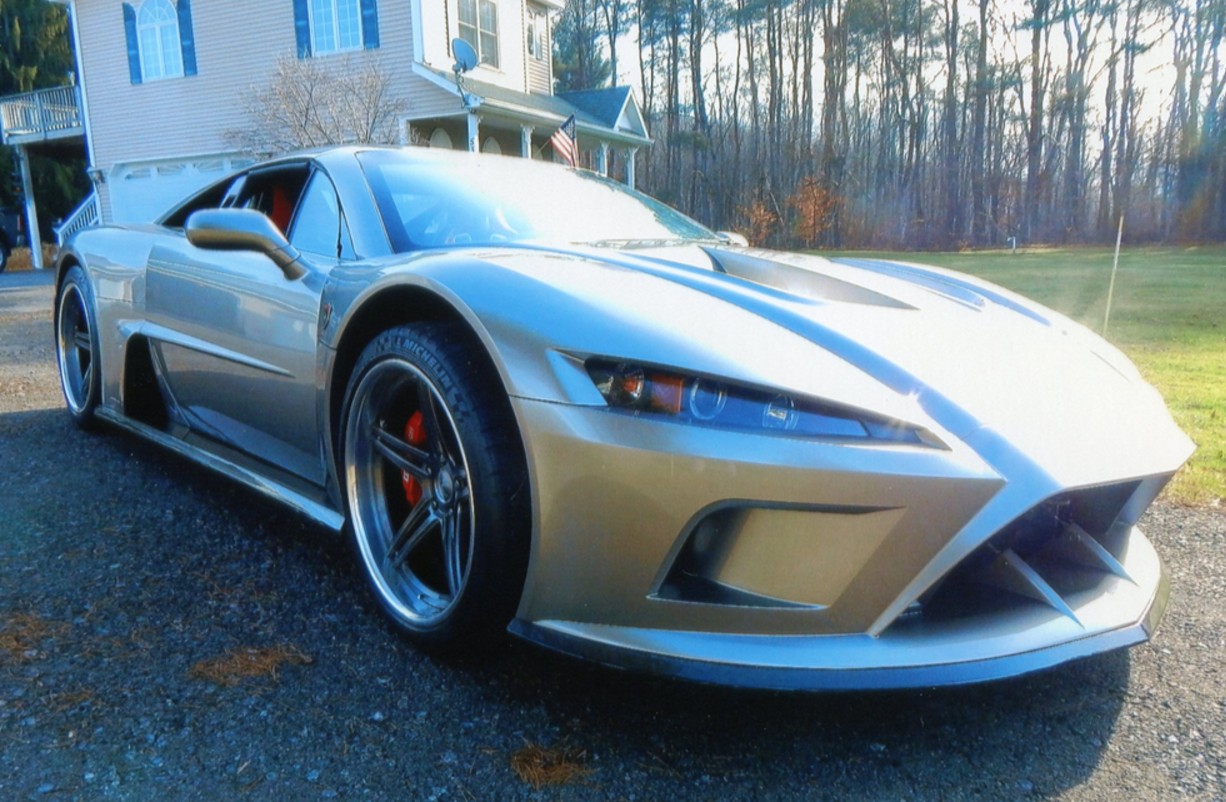
You may have never heard of the Falcon F7 or Holly, Michigan, based Falcon Motorsports, but they’ve done what a lot of start up supercar manufacturers struggle to do: actually build and sell a complete automobile. Founded by Jeff Lemke in 2009, Falcon showed the F7 for the first time at the 2012 Detroit Auto Show. That’s a pretty quick development process. It’s not a kit car either, this is a full on, hand-assembled supercar.

And, like most other start up supercar manufacturers that actually manage to get off the ground, the F7 uses parts and technology that other manufacturers have perfected. For instance, the engine is a 7.0-liter GM motor that has been fitted with a few Lingenfelter performance parts to generate 640 horsepower. That’s good enough for a sprint to 60 in 3.3 seconds and a top speed of about 190 mph.

The body is made of carbon fiber and Kevlar and they are wrapped around an aluminium and carbon fiber chassis. The thing certainly has supercar looks – and supercar rarity. As of 2015, the company has only built nine examples of the F7 (though it looks like they will still build you a new one if you want it). Total production is unlikely to ever surpass 25 units. When new, this car would’ve cost the owner about $250,000. Barrett-Jackson sold the first-ever F7 last year for $198,000. The car you see here is the second F7 built and should bring a similar amount. Click here for more info and here for more from this sale.

Update: Sold $148,500.

The New Pantera

1999 De Tomaso Nuovo Pantera 2000 Concept

For Sale at Maranello Purosangue | Maranello, Italy

Photo – Maranello Purosangue

The Pantera is the car that Alejandro De Tomaso will always be remembered for. Styled by Ghia and powered by a series of big Ford V-8s, it was a raw combination of American muscle and Italian flair. It was an exotic you could buy at your local Lincoln-Mercury dealer in the U.S.

The car went out of production in 1992 after undergoing a slight restyle from Marcello Gandini, founder of Bertone. Gandini is responsible for great supercars like the Lamborghini Miura, Countach, Diablo, Bugatti EB110, and the Lancia Stratos. After the death of the Pantera, De Tomaso only managed to produce small batches of cars for the next decade and De Tomaso himself passed away in 2003.

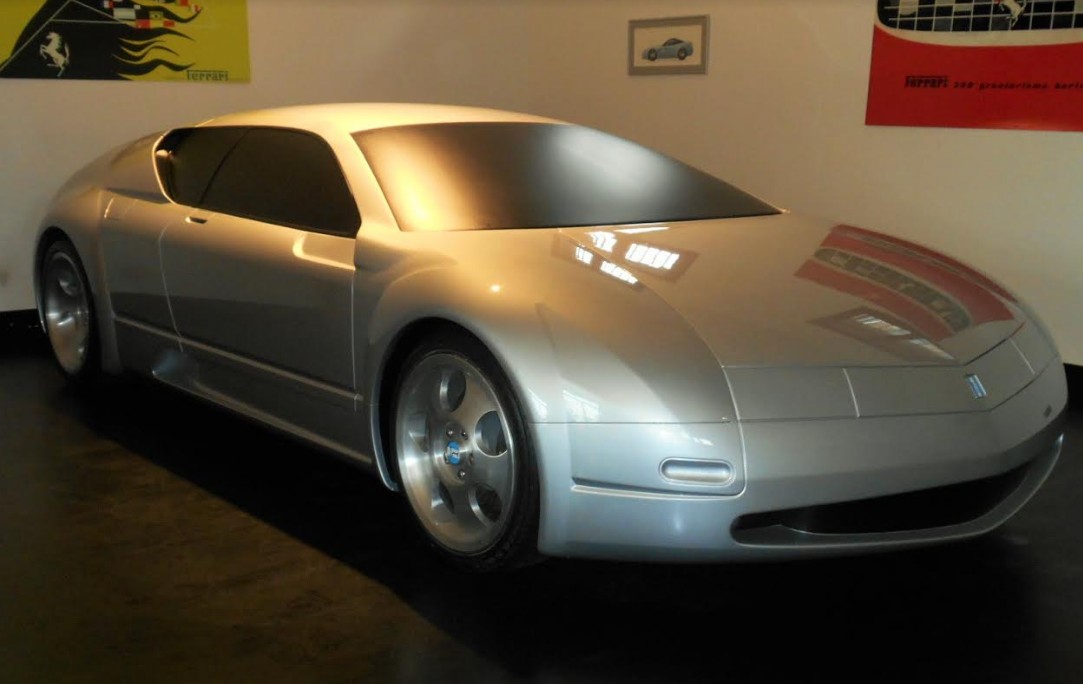
But the aura of the Pantera always lingered. So it was in 1999 that De Tomaso teamed up with Gandini to produce a new Pantera for the new millennium. The car was to celebrate 40 years of De Tomaso and it was presented near the end of 1999. It was a design study and is pure concept car. There’s no running gear or interior, but if you’re a collector that wants a piece of “automotive art” as the showpiece of your collection, look no further. This is currently for sale in Italy, and here’s a video of its exterior.

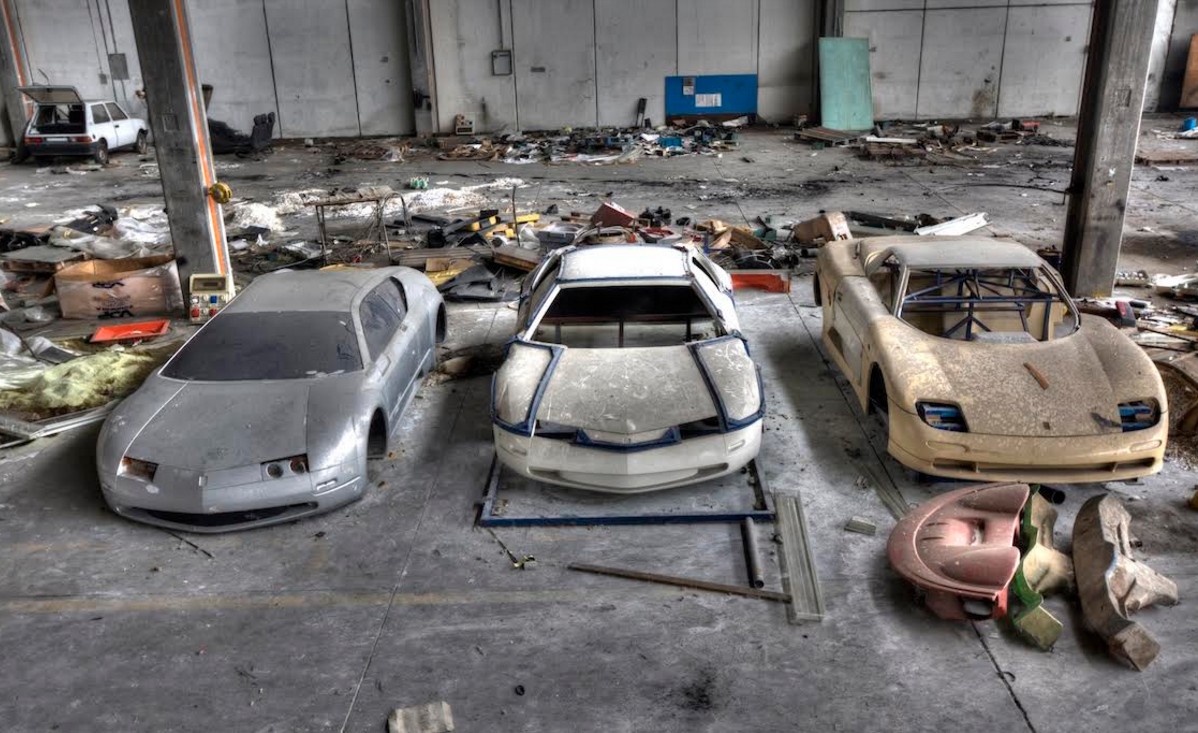
On an interesting note, here is what the car looked like before it was rescued:

Photo – Maranello Purosangue

Update: Sold, RM Sotheby’s, London 2017, $25,348.