1924 Delage Wagon

1924 Delage DI Eight-Lite Shooting Brake

Offered by The Finest | Hershey, Pennsylvania | June 11, 2016
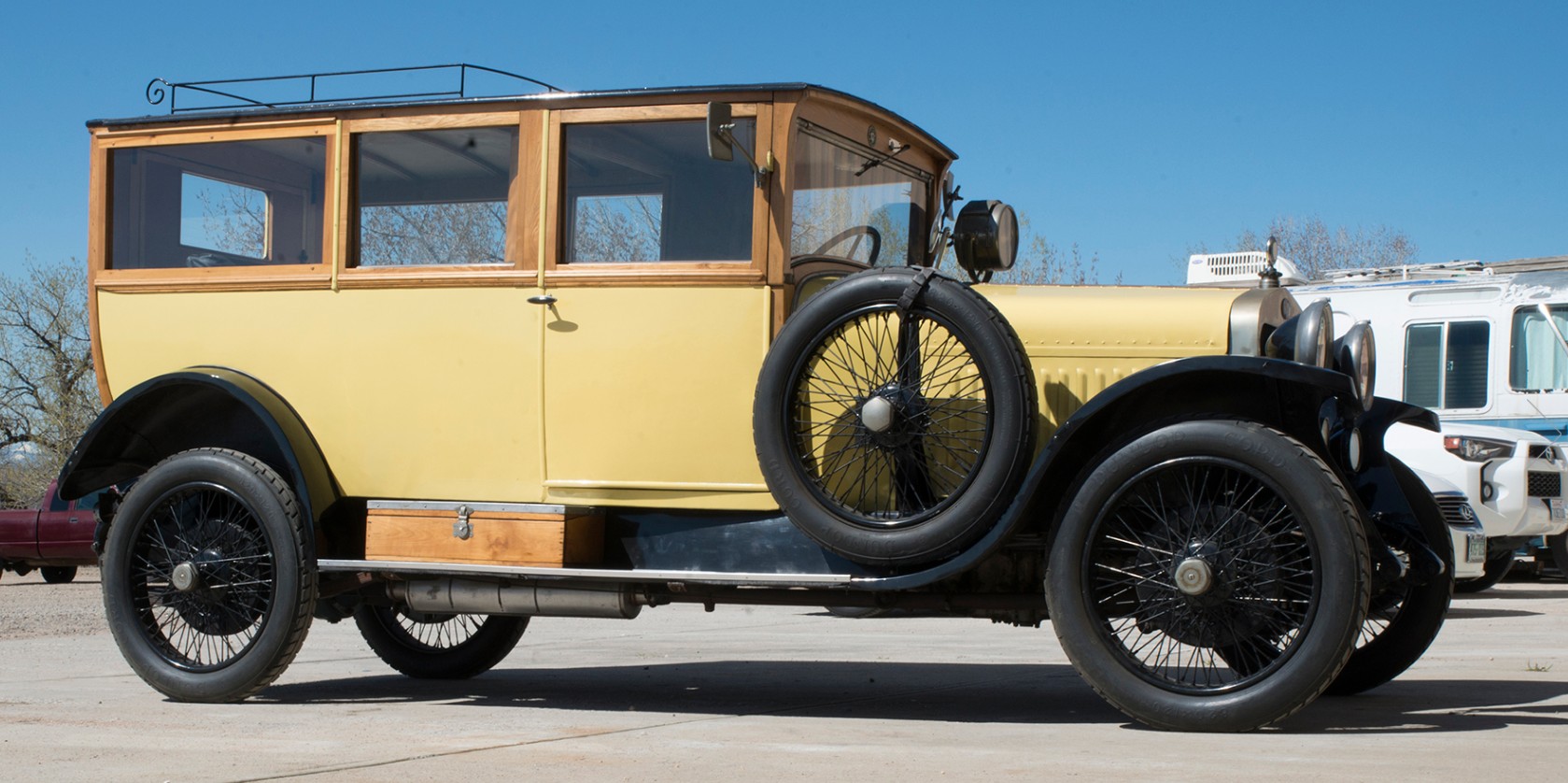
Photo - The Finest Automobile Auctions

Photo – The Finest Automobile Auctions

Here’s an interesting car from a new auction house. In the 1930s, Delage would produce some of France’s greatest luxury automobiles. But it had lots of practice, having been founded in 1905. The company won the 1914 Indianapolis 500.

The DI was introduced in 1923 and lasted through 1927. They are powered by a 2.1-liter straight-four rated in period at 14 horsepower. It was the smallest car in Delage’s lineup when introduced. There is a reason that station wagons are referred to as “Estates”  in Europe – they were often used as hunting cars on large estates, as was this custom “Shooting Brake” constructed by Carrosserie Castraise.

This car came to the U.S. in 1998 and was mechanically refreshed in 2014. It hasn’t really been shown in America and sports an older restoration. Only 938 Delage DI cars were built and there aren’t many left. It should bring between $45,000-$75,000. Click here for more info and here for more from this sale.

Update: Not sold.

Update: Sold, Mecum Phoenix 2019, $23,100.
Jowett Sports

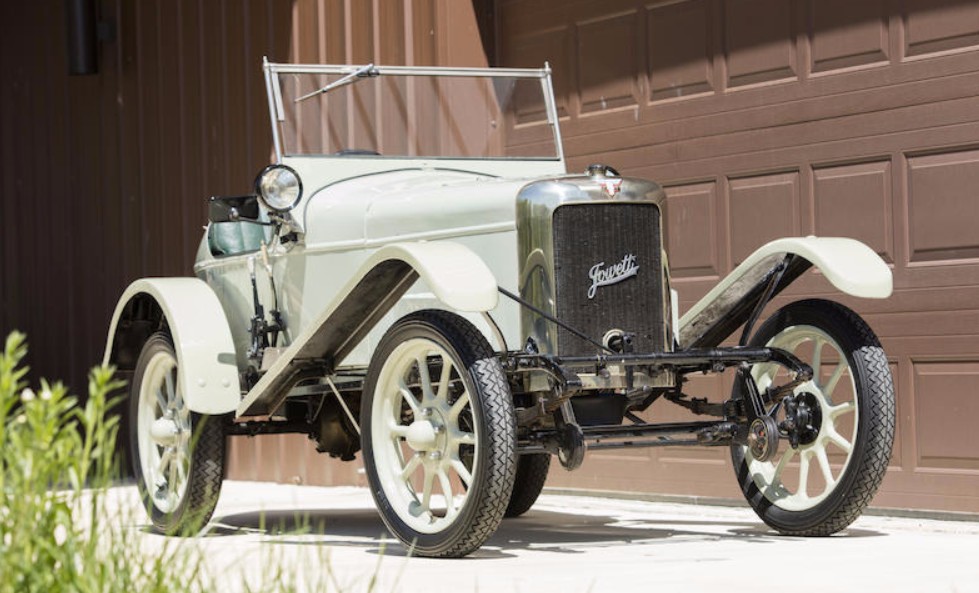
1928 Jowett 7/17 Sports

Offered by Bonhams | Greenwich, Connecticut | June 5, 2016

Photo - Bonhams

Photo – Bonhams

Benjamin and William Jowett (along with a man named Arthur Lamb) founded Jowett in 1901 as a cycle manufacturer. Automobiles went on sale in 1906 and Jowett, unlike most British manufacturers, stayed independent their entire life before going out of business in 1955. Among their most famous products was the sporty Jupiter from the 1950s.

What we have here is a very rare, early car. You don’t see many pre-1930 Jowetts. The 7/17 is powered by a 907cc flat-twin making 17 horsepower. It’s a light, small car with very sporty bodywork that was applied in the 1970s (the car was originally a Tourer). Although the body is not original, it is said that it was constructed with “mostly Jowett parts.”

This model went on sale in 1919 and lasted through 1936, albeit with changes over the years. This is the second time this car has come up for sale in the last two years: it sold for $38,500 in 2014 and is now estimated to bring between $28,000-$31,000. It is thought that this is the only pre-war Jowett in the U.S. Click here for more info and here for more from this sale.

Update: Sold $34,100.

Benz Velo

1896 Benz Velo

Offered by Dragone Auctions | Westport, Connecticut | June 4, 2016

Photo - Dragone Auctions

Photo – Dragone Auctions

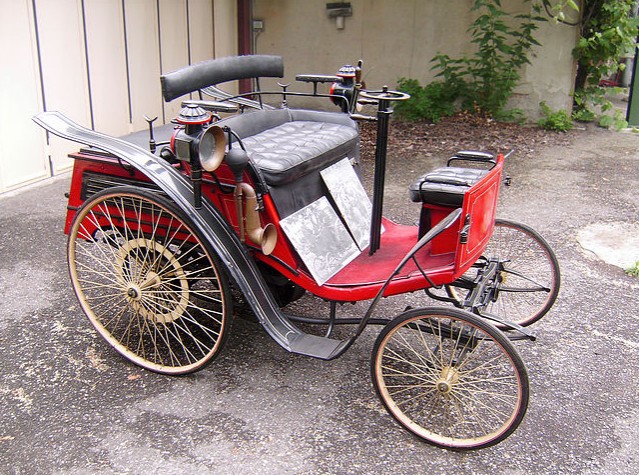
This is one of the most important cars of all time. The Benz Patent-Motorwagen is the first automobile. Karl Benz built about 25 of them before altering the design and changing the name. The Benz Velo was the second car he built. Along with the Duryea Motor Wagon, the Velo is regarded as the first production car.

It is powered by a 1.0-liter single-cylinder engine making 1.5 horsepower. Top speed is 15 mph, which would probably be slightly terrifying for modern drivers. This car is listed as well “preserved” with its original body and lamps. That’s remarkable. It’s 120 years old. To put that in perspective… 9/11 was as far in the past when compared to today as the Gunfight at the O.K Corral is to the time when this car was built.

The Velo (which is short for “Velocipede, by the way) was built between 1894-1901. Only 67 were built in 1894, but that jumped up to 134 in 1895. In all, slightly more than 1,200 were built. That’s a low number, but that number stopped growing over 100 years ago. These are historical artifacts – that you can use. This one had one owner from 1922 to 1972, which is kind of crazy. It’s just incredible, all around. No estimate is available, but get ready to outbid museums. Click here for more info and here for more from this sale.

Monterey Edition Diablo

1998 Lamborghini Diablo SV Monterey Edition

Offered by Barrett-Jackson | Uncasville, Connecticut | June 23-25, 2016

Photo - Barrett-Jackson

Photo – Barrett-Jackson

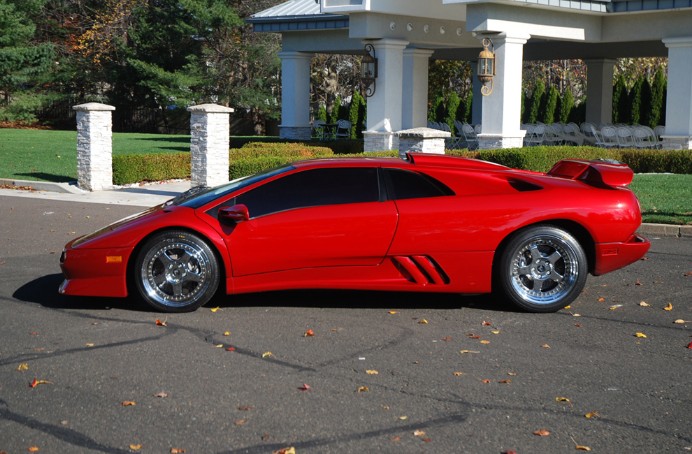
The Lamborghini Diablo is one of the best supercars of the 1990s. In the mid-1980s, the Mimran Brothers of Switzerland acquired the company and started planning to replace the Countach. They sold the company to Chrysler before it could enter production, but once Chrysler got their feet under them, the Diablo was launched.

The SV (or SuperVeloce – words the company now spells out on its high-performance models) was introduced in 1995. For 1998, there was a limited edition version of the already-special SV. Called the Monterey Edition, it featured twin scoops on the roof from the earlier SE30 special edition. Standard SV features included a 510 horsepower 5.7-liter V-12.

Only 20 Monterey Editions were built, but they were quickly overshadowed once the Diablo was facelifted for 1999. This model was one of the last to use pop-up headlights and the 1999 model year cars had fixed lamps up front. Power was also increased for 1999.

On a side note, this particular car has been screwed with, having been supercharged to make 790 horsepower. Hopefully it’ll hold together! Click here for more info and here for more from this sale.

Update: Sold $236,500.

Lea-Francis 2.5-Litre Sports

1950 Lea-Francis 2½-Litre Westland Sports

Offered by Historics at Brooklands | June 11, 2016

Photo - Historics at Brooklands

Photo – Historics at Brooklands

Lea-Francis was founded by Richard Lea and Graham Francis in 1895. As did many, the pair began by building bicycles and cars came in 1903. Strangely for a company that began by building bicycles, motorcycle production started after cars did. An independent their entire existence, the company folded in 1960.

The 2½-Litre was introduced in 1949 and was built in very small quantities through 1953. In fact, only 77 were built in total. The engine is a 2.5-liter straight-four rated at 120 horsepower. This is the sportiest car Lea-Francis built after the war.

Kind of resembling a Jaguar XK120, this Westland-bodied Lea-Francis is among the most collectible cars that the company built. Coupling with the decent looks and low production numbers, this example with a six-year-old restoration is expected to bring between $50,000-$60,000. Click here for more info and here for more from this sale.

Update: Sold $47,775.

Car-Nation

1913 Car-Nation Model C Roadster

Offered by Bonhams | Greenwich, Connecticut | June 5, 2016

Photo - Bonhams

Photo – Bonhams

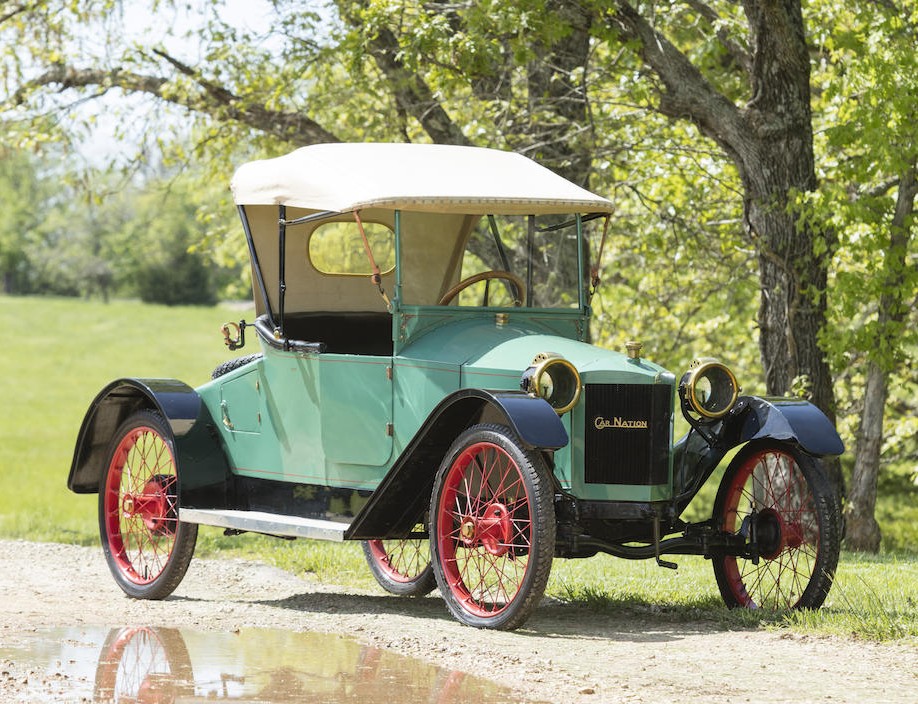
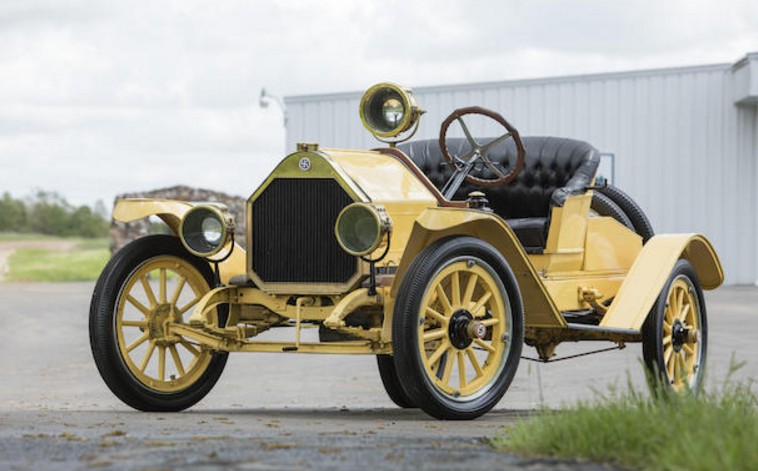
Car-Nation. Get it? Carnation. Forrest Keeton found success with his Keeton automobile and so he launched a second brand: the Car-Nation Motorette Company. Both companies were purchased by Charles Schaeffer and merged into the American Voiturette Company. The Car-Nation marque only existed between 1912 and 1915.

It’s a cyclecar, and is powered by an 18 horsepower 2.2-liter straight-four. Three models were ever offered by the company and this is the Roadster. It was the least expensive at $495 – which was cheaper than a Model T.

This car was discovered in Maine in 1954 and restored. It spent a long time in a museum but is being offered from a private owner. Only two Car-Nation Model C Roadsters are known to exist and there can’t be that many Car-Nations out there in general. It should sell for between $35,000-$40,000. Click here for more info and here for more from this sale.

Update: Sold $24,200.

Stanga Barchetta

1951 Stanga Barchetta

Offered by Dragone Auctions | Westport, Connecticut | June 4, 2016

Photo - Dragone Auctions

Photo – Dragone Auctions

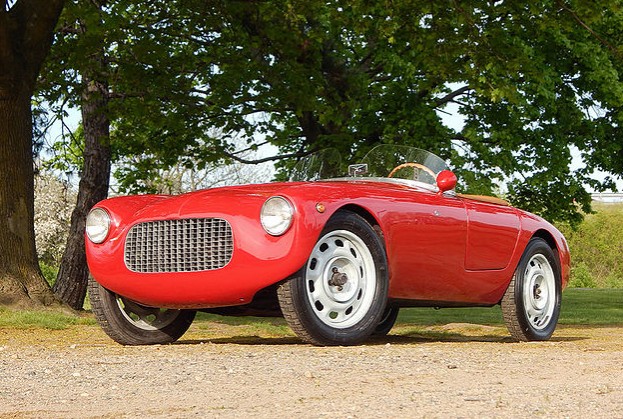
“Etceterini” is a term to describe light Italian racing cars built between the immediate postwar period up through the early-to-mid-1960s. The Stanga brothers’ little company falls neatly into that category. Gianfranco, Sandro, and Camillo Stanga set up shop in 1949.

Stanga Barchettas began life as a Fiat 500 chassis (the Topolino, not the original Cinquecento). The engine is a Giannini-tuned Topolino engine, the straight-four now buffed up to 600cc. For the bodies, the brothers turned to Motto.

This car does have Mille Miglia history (all Stangas competed there) but the exact race history of this car is unknown. Only seven Stanga Barchettas were built and only two carry bodywork by Motto. This car should bring between $175,000-$185,000. Click here for more info and here for more from this sale.

K-R-I-T Roadster

1912 K-R-I-T Model A Roadster

Offered by Bonhams | Greenwich, Connecticut | June 5, 2016

Photo - Bonhams

Photo – Bonhams

If you’ve even ever heard of the K-R-I-T Motor Car Company of Detroit, the one thing you probably know about them is that their emblem was a swastika. Fun fact. Fortunately, K-R-I-T, which was founded in 1909, went out of business in 1916 – well enough in advance of the downfall of the original meaning of the swastika, which means lucky or auspicious.

Krit (as the marque was spelled from 1913 onward) offered four different models of its four-cylinder model in 1912. The Model A was the short wheelbase version and the least expensive. It was the Roadster form and cost $800 new. It’s powered by a 22.5 horsepower 2.9-liter straight-four.

It’s an attractive and sporty early American car from a little-known, short-lived manufacturer. This example was actually used in Boardwalk Empire, which is pretty cool. It should sell for between $20,000-$25,000. Click here for more info and here for more from this sale.

Update: Sold $24,200.

Chandler Six

1928 Chandler Special Six Sedan

Offered by Mecum | Portland, Oregon | June 17-18, 2016

Photo - Mecum

Photo – Mecum

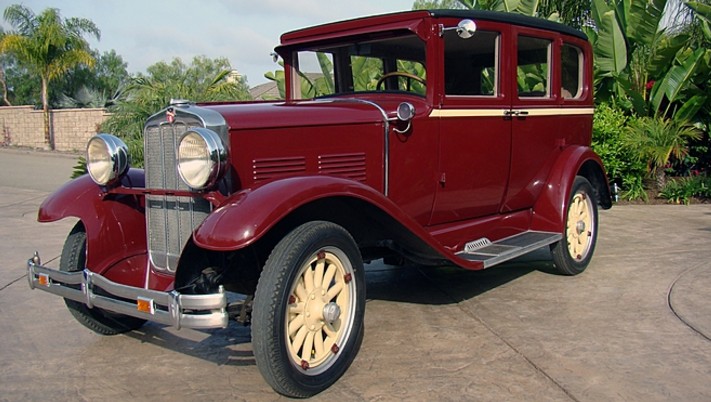
The Chandler Motor Company of Cleveland, Ohio, was founded in 1913 by Frederick Chandler after he and some other executives left Lozier. The company built quality cars priced in the middle of the market. If the company were still around, I would guess they’d be a competitor to Buick (they were just slightly less expensive than Buick in ’28).

In 1929, Chandler was bought out by Hupmobile and the marque was retired. This car is powered by a straight-six and is listed in the catalog as a Chandler Six. But in 1928, they offered both the Special Six and the Big Six. I’m sort of just assuming this was the entry-level Special Six, which could be had in a bunch of body styles and the five-passenger Sedan cost $995 when new.

Chandlers used wood frames, which is one reason the cars didn’t survive quite as well as some of their competitors. They are much rarer than they should be, considering they sold over 20,000 cars in 1927 alone. The engine was redone in 2012 and this would be a nice, affordable classic. Click here for more info and here for more from this sale.

Update: Sold $13,000.

1957 Frick Special

1957 Frick Special GT Coupe

Offered by Bonhams | Greenwich, Connecticut | June 5, 2016

Photo - Bonhams

Photo – Bonhams

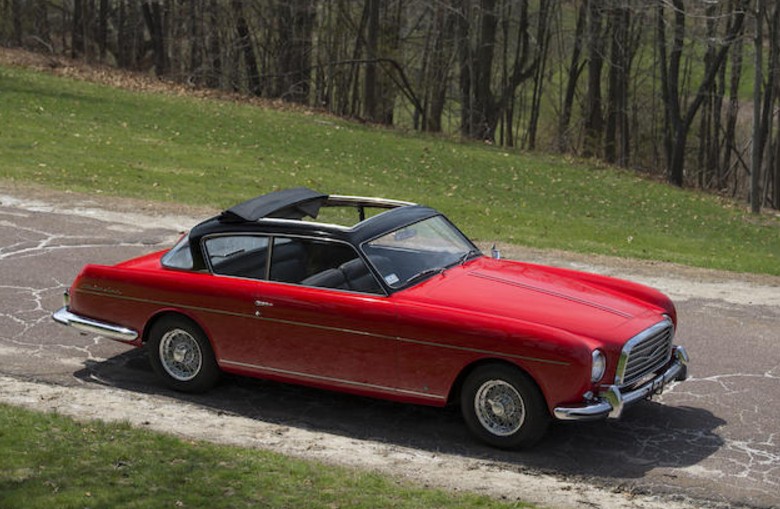
Bill Frick found his automotive niche prepping and modifying race cars in the 1950s and 60s. He worked in NASCAR and had his own shop in New York. Before the War, Frick got his start swapping engines and he returned to his origins in the 50s when Cadillac introduced a new V-8.

In 1953 Frick created a car called the “Studillac” which had a Cadillac V-8 stuffed into a 1953 Studebaker. He got the car bodied by Vignale and set up shop to offer them for sale. But ultimately only three were built – the original “Studillac” prototype, a convertible and this coupe.

The engine is a 5.4-liter Cadillac V-8 making a very solid 270 horsepower. The body, designed by Michelotti and built by Vignale, resembles other Vignale cars of the era, specifically those from Ferrari. This car cost $9,000 when new and was first sold in Michigan.

The current owner acquired it in 1989 and the car is all original (though, it has been repainted). It has a tick over 40,000 miles and known ownership history from new. It’s the only one like it and should bring between $180,000-$220,000. Click here for more info and here for more from this sale.

Update: Not sold.