Hart Steam

1897 Hart Steam Victoria Four-Seater Dos-à-Dos

Offered by Bonhams | London, U.K. | November 4, 2016

Photo - Bonhams

Photo – Bonhams

Frederick Hart was born in England but he and his family moved to Poughkeepsie, New York, in the 1880s. He worked for a farming machinery company and built his own lab at his home to experiment with steam engines.

He built his first steam vehicle in 1895 (a tricycle) and built a four-wheeled vehicle, this car, shortly after. Bonhams lists this as a “circa 1897” and I’ve seen it listed elsewhere as a 1903/1904. It is powered by a twin-cylinder vertical engine that is driven by steam. This photo needs someone standing in it for scale: this car is huge at nearly six feet tall and riding on 46 inch tires!

Hart’s family owned this car until 1946 when they donated it to a museum. The museum was shuttered in 1990 and the car went to the U.K. where it was taken apart. The next owner acquired it in 2002 and restored the car to the condition you see here in 2004. It has only been started once since 2004, when there was a small issue and no one has tried again. The paint on this is original, but most everything else has been restored and the car has only covered 200 miles in its life. It’s a one-of-one car and one of two vehicles produced by Hart Steam. It should sell for between $77,000-$100,000. Click here for more info and here for more from this sale.

Update: Sold $76,020.
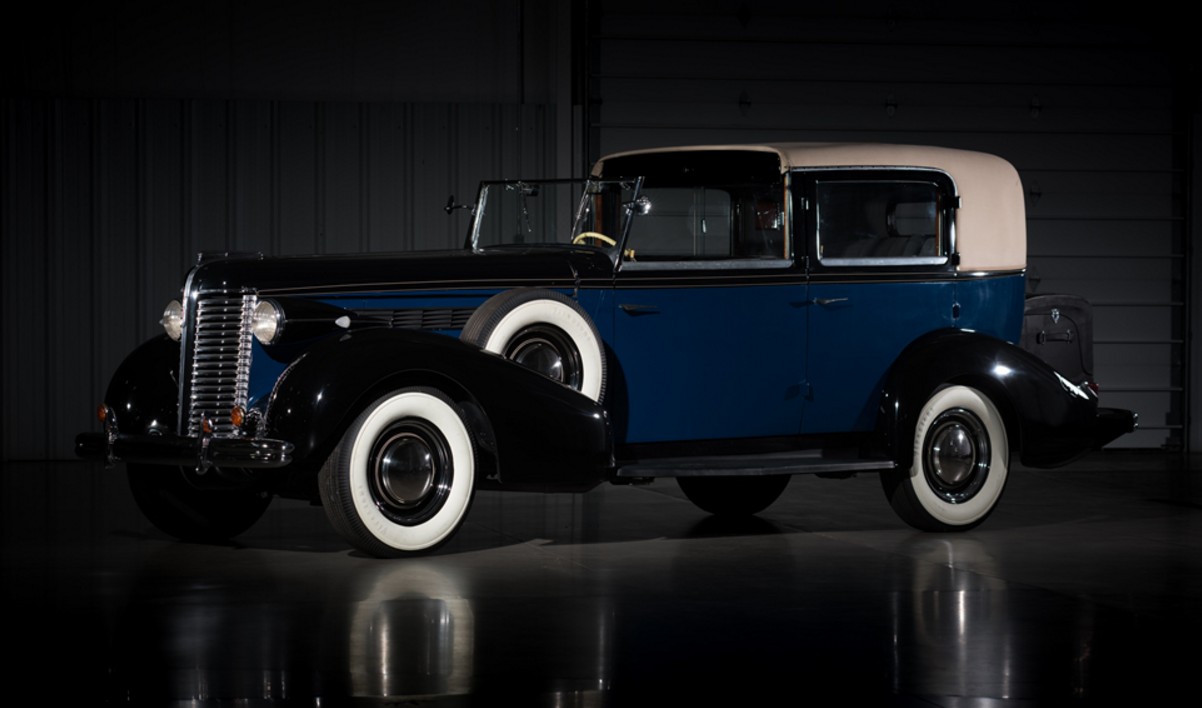
Buick Special by Brewster

1938 Buick Special Series 40 Town Car by Brewster

Offered by Barrett-Jackson | Las Vegas, Nevada | October 13-15, 2016

Photo - Barrett-Jackson

Photo – Barrett-Jackson

The first Buick Special was introduced in 1930. For 1936, it was redesigned and gained more of the look of the car you see here – except that this is a very rare, specially-bodied car by Brewster of Long Island. The Special would continue in Buick’s lineup (taking a few years off here and there) until 1969.

The 1938 Series 40 Special is powered by a 107 horsepower 4.1-liter straight-eight. With the Special being a full-size car, it was still Buick’s entry-level model. The cheapest 4-door Series 40 cost $1,022 in 1938 – but you can bet this car cost a lot more.

It’s always interesting to see the chassis people chose to have a coachbuilt body applied to. In this case, it was a popular one and the beautiful end result makes for a very special Special. You can read more about this car here and check out some other no reserve cars from Barrett-Jackson here.

Update: Sold $42,900.

Milburn Electric

1918 Milburn Electric Light Brougham

Offered by Barrett-Jackson | Las Vegas, Nevada | October 13-15, 2016

Photo - Barrett-Jackson

Photo – Barrett-Jackson

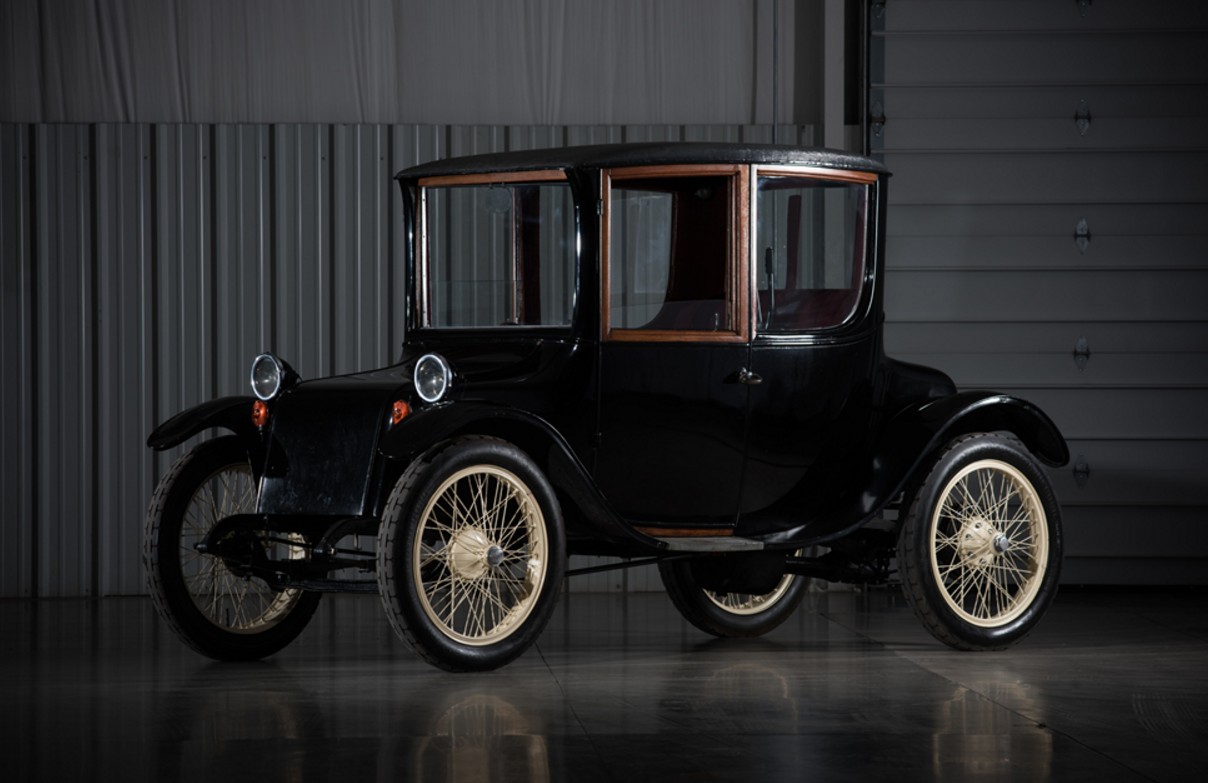
The Milburn Wagon Company of Toledo, Ohio, got into the car business in 1914 after decades of wagon building (they’d been around since 1848). Their cars closely resembled those built by other major American electric car manufacturers of the day, such as Detroit Electric and Rauch & Lang, among others.

What set the Milburn apart was that their batteries were on rollers – so you could have a spare set at home and just pull into the garage, roll the spent batteries out of your car, roll a fresh set back in, and be off again. In 1918, three bodies were offered and this one could do 30 mph and 100 miles on a charge. It cost $1,885 when new.

Milburn got into the game a little late – by the time they got up and running, the electric car was on the decline. The last Milburn Electrics were built in 1923. There’s no estimate on this car, but there’s no reserve either. Click here for more info and here for more from Barrett-Jackson in Vegas.

Update: Sold $33,000.

Steam Race Car

1901 Milwaukee Steam Racer

Offered by H&H Classics | Duxford, U.K. | October 12, 2016

Photo - H&H Classics

Photo – H&H Classics

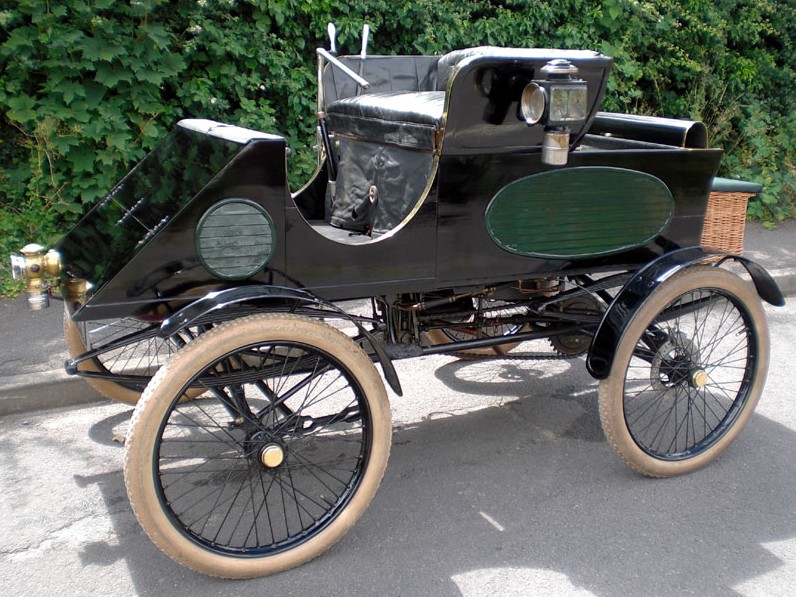
The Milwaukee Automobile Company was founded in 1899 by W.H. Starkweather, Herman Pfiel, and W.G. Smith to build cars that were not a “radical departure from all other types” of automobiles… except that they were using steam power. Most of the early American steam car manufacturers built cars that looked relatively similar but this car, while similar, is fairly different.

The first Milwaukee Steam cars appeared in 1900 (here’s one) and they lasted only through 1902. In 1901, they went to the Chicago Auto Show and exhibited this racer – not a body style that many struggling manufacturers would’ve dared to build. Not much is known about what it was used for in period, but it is thought that it competed in a half-mile race in Illinois in 1901.

This car has been restored to 1901 condition and is eligible for the London-to-Brighton run. You really don’t find racing vehicles from this era that aren’t on long term museum display. It’s even harder to find one that is steam powered and from a three-year-only manufacturer. This should bring between $65,000-$90,000. Click here for more info and here for more from this sale.

Update: Not sold.

Phebus Forecar

1899 Phebus 2¼hp Forecar

Offered by H&H Classics | Duxford, U.K. | October 12, 2016

Photo - H&H Classics

Photo – H&H Classics

Phebus was a French automobile marque produced by the Noe Boyer & Cie company from the Paris area. They only existed for a few years – building vehicles between about 1899 (or 1898) and 1903. While many of their vehicles were tricycles and motorcycles, they did produce a few four-wheelers, too.

This is a single-cylinder Veteran car that makes, as its name implies, 2.25 horsepower. It technically seats two, but if you look at the car, it just kind of seems like a huge motorized wheelchair for one. I guess people were smaller almost 120 years ago.

This particular car sold at a Bonhams auction in 2009 for $63,000 and is expected to bring between $64,000-$77,000. It seems unlikely that you’ll ever find another one quite like it. Click here for more info and here for more from this sale.

Update: Not sold.

Update II: Not sold, H&H Classics, Chateau Impney, 12/16.

Pulse Ground Cruising Recreational Vehicle

1986 Pulse GCRV

Offered by H&H Classics | Duxford, U.K. | October 12, 2016

Photo - H&H Classics

Photo – H&H Classics

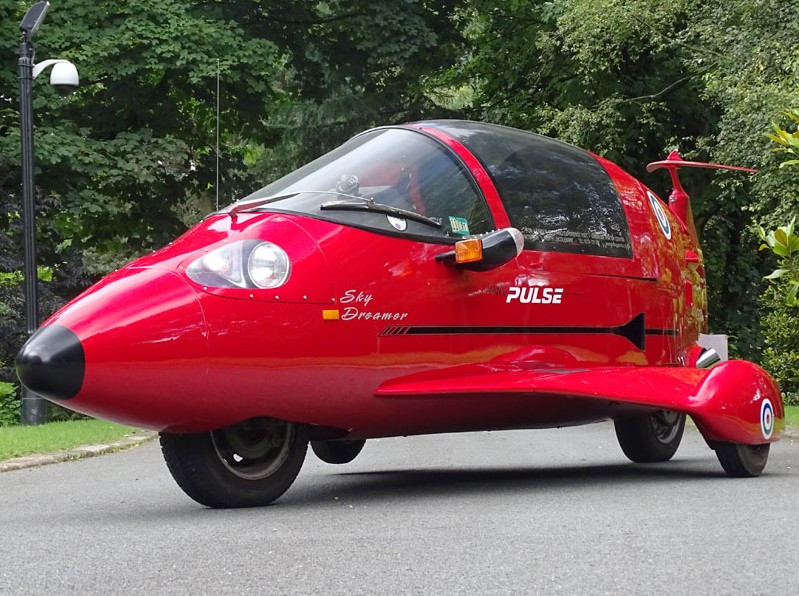
This is one of those vehicles that, among other things, is 1. something you’ve probably never actually seen and 2. is technically classified as a motorcycle. It’s interesting that you need a motorcycle license to drive (ride?) this thing as it clearly has four wheels. I guess that makes it like a motorcycle with training wheels.

The Owosso Motor Car Company of Owosso, Michigan, built the Pulse GCRV (or Ground Cruising Recreational Vehicle) between 1985 and 1990. Their use of “recreational vehicle” is more akin to something you have in your garage to drive for fun on Sunday than something you’d live in, as the phrase is more commonly used.

This thing is powered by a rear-mounted 400cc Yamaha motorcycle engine and is styled to look like an jet fighter. There is even an active Pulse club that does rallies. Only about 347 Pulses were built, though the first batch of 21 were called Litestars before the name was changed. If you want something unique, look no further. It should bring between $19,500-$26,000. Click here for more info and here for more from this sale.

Update: Sold $23,192.

Reo The Fifth

1914 Reo The Fifth 5-Passenger Touring

Offered by Mecum | Schaumburg, Illinois | October 6-8, 2016

Photo - Mecum

Photo – Mecum

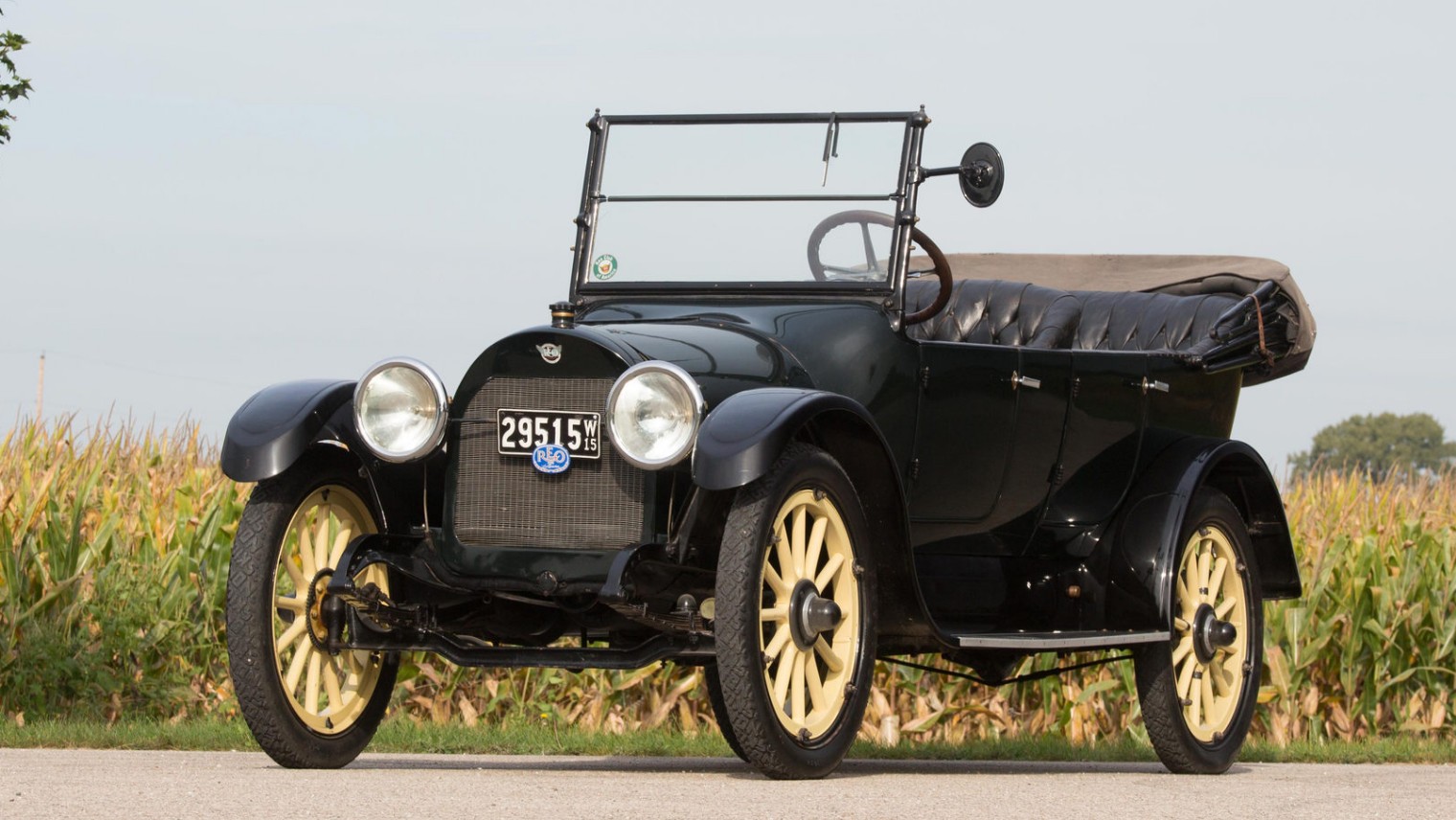
As of 1975 (when the Reo brand finally bit the dust as a truck manufacturer), Ransom Eli Olds was one of three American men to have both of the automobile companies they founded still producing vehicles (the others being Henry Leland and Walter Chrysler). He founded Reo immediately after leaving Oldsmobile and the company set out to build the best cars they could at specific price points.

In 1912, Reo launched a model called “The Fifth” – it was an evolution of his previous cars and he called it the best car he knew how to build. It was his “farewell” car – the last one he would design before handing over the reigns to his company. It is powered by a 3.7-liter straight-four making about 30 horsepower. The car was interesting in that it introduced a center gearshift instead of those old externally mounted brass sticks everyone else was using.

This car, during a partial restoration at some point, had an electric starter added (though the original crank is included). The interior, which shows nicely, is original. While it might look like a run-of-the-mill WWI-era touring car, it really is a landmark automobile from one of America’s automotive greats. Click here for more info and here for more from Mecum in Chicago.

Update: Not sold, high bid of $9,000.

Deep Sanderson

1963 Deep Sanderson 301 Coupe

Offered by Coys | Paris, France | October 8, 2016

Photo - Coys

Photo – Coys

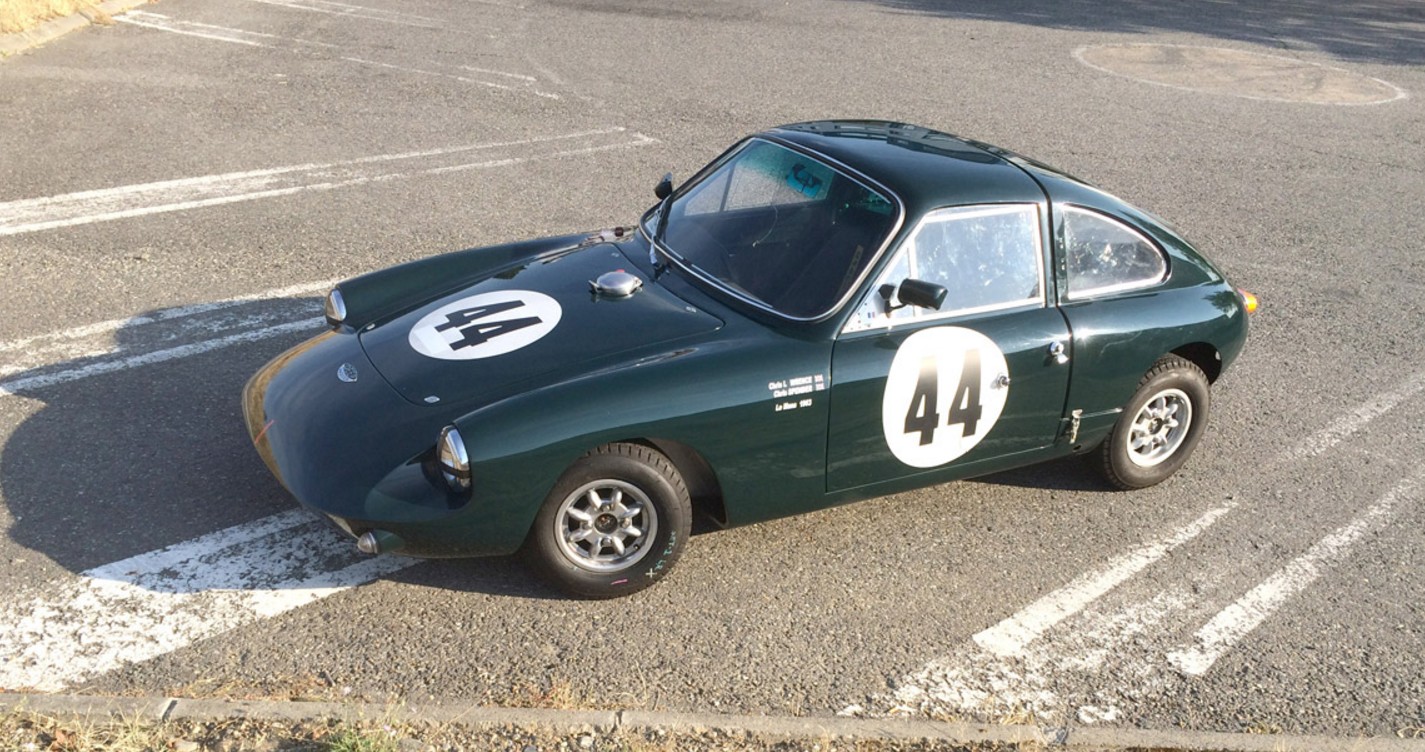
The strangely-named Deep Sanderson was a car designed and built by Chris Lawrence. A former racing driver for Morgan, he began by building Formula Junior cars before turning to sports cars. The 301 was the first such car the company offered and could be had fully assembled or a kit, as they were based around BMC mechanicals, namely from the Mini.

These rear-engined cars are powered by a 1.0-liter straight-four tuned to make enough power to push this tiny thing to over 150 mph down the Mulsanne at Le Mans. And Le Mans is an important part of the history of this particular car… it actually ran there in 1963 with Chris Lawrence and Chris Spender behind the wheel. The attempt DNF’d, coming in 26th.

The current owner bought this car in 2002 and restored it – with input from the original designer himself. Only 29 of these were built in total (both kits and turn-key cars). This one, a factory Le Mans entrant, will sell for between $78,500-$90,000. Click here for more info and here for more from Coys in Paris.

Meteor Rideau

1957 Meteor Rideau 500 Sedan

Offered by Artcurial | Château-sur-Epte | October 9, 2016

Photo - Artcurial

Photo – Artcurial

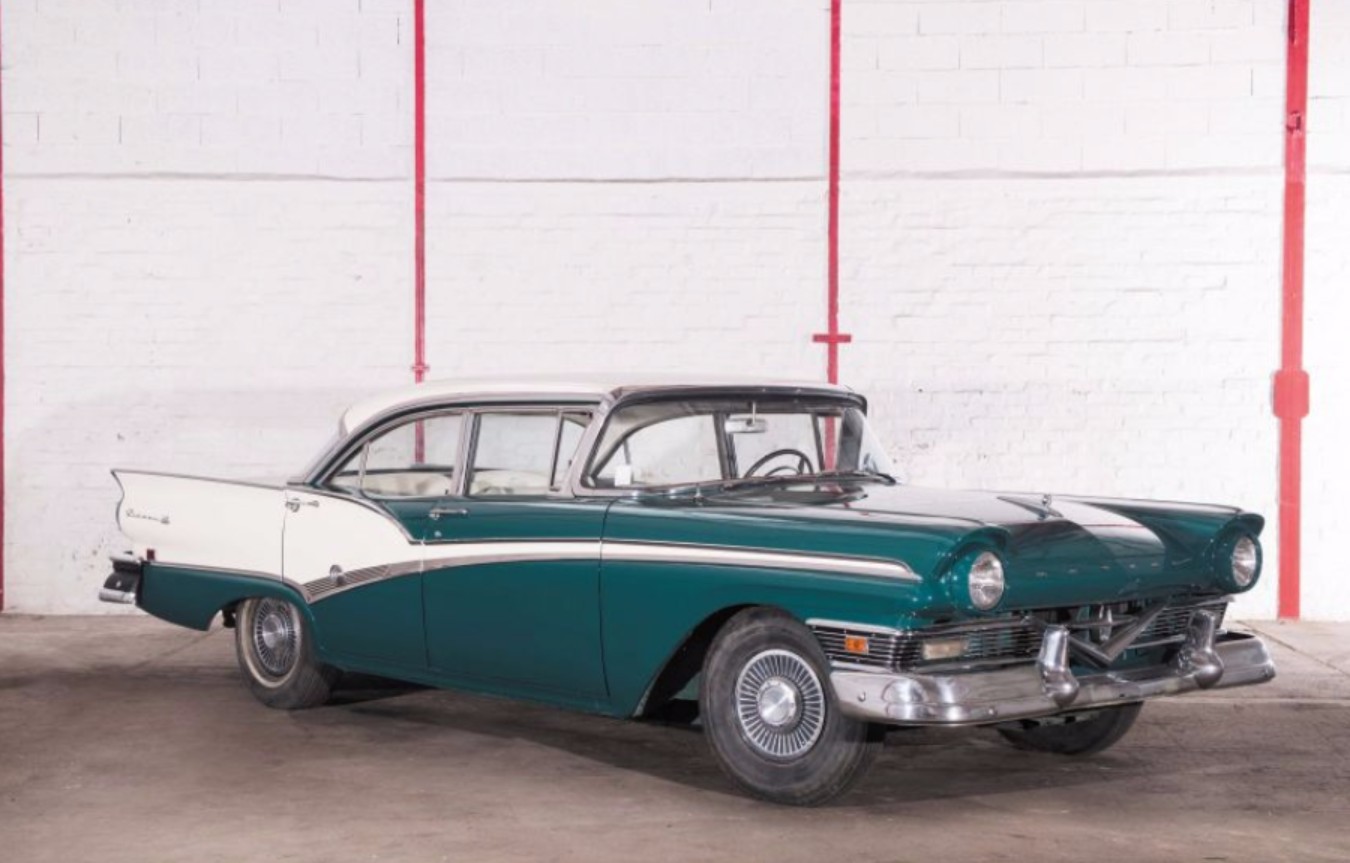
Meteor was a brand of automobile produced by Ford of Canada between 1949 and, remarkably, 1976 (though they took 1962 and 1963 off and all cars after 1968 also carried Mercury badging).

The Rideau was Meteor’s full-size offering and was produced in a number of series between 1954 and 1961 (and again from 1965 through 1968/76). The 500 was the top trim line and styling cues were on par with the ’57 Ford Fairlane 500. The marque’s positioning was that of a “cheaper Mercury,” slotting in between the Mercury and Ford brands.

This example, purchased new in Canada but now residing in France, is original aside from a respray. It’s powered by Ford’s 4.5-liter V-8 likely making 190 horsepower. Meteor’s are not common sights, especially outside of Canada but their rarity is not reflected in their prices: this one should sell for between $6,700-$9,000. Click here for more info and here for the rest of Artcurial’s lineup.

Update: Sold $8,004.

Oakland Touring

1912 Oakland Model 30 Touring

Offered by RM Sotheby’s | Hershey, Pennsylvania | October 6-7, 2016

Photo Courtesy of RM Sotheby's

Photo Courtesy of RM Sotheby’s

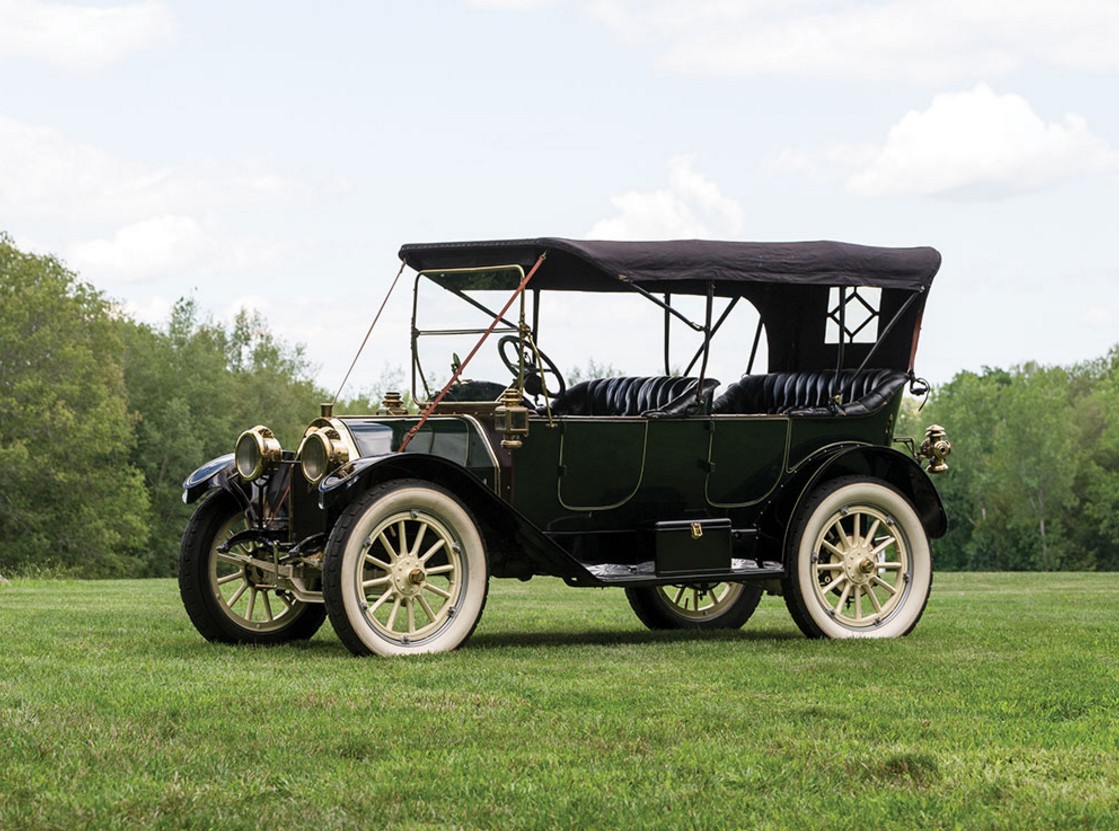
The Oakland Motor Car Company was founded 1907 by Alanson Brush (founder of Brush and inventor of the planetary transmission and the Cadillac one-cylinder car) and Edward Murphy (owner of the Pontiac Buggy Company). Oakland was based in Pontiac, Michigan – foreshadowing of its future. In 1909, after only a single model year’s worth of cars, Murphy sold half the company to General Motors.

In the 1920s General Motors introduced its Companion Make program to fill price gaps between its existing brands. In 1926, Oakland got its partner brand: Pontiac. In 1931, GM announced that it would be discontinuing Oakland – and continuing with Pontiac, giving Oakland the dubious distinction to be the only GM brand to be swallowed and outlived by its companion make.

This early GM-era Oakland is powered by a 30 horsepower 3.3-liter straight-four engine. The Model 30 was Oakland’s entry-level model for 1912 and the five-passenger Touring was one of two body styles offered. It carried an as-new price of $1,250 and 104 years later, well restored, it should sell for between $40,000-$50,000. Click here for more info and here for more from this sale.

Update: Sold $44,000.