Tojeiro California

1959 Tojeiro California

Offered by Russo & Steele | Monterey, California | August 18-20, 2016
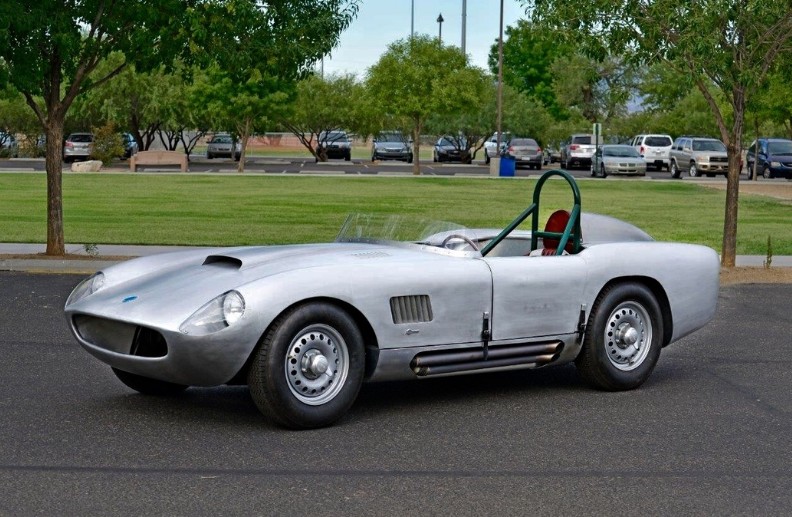
Photo - Russo & Steele

Photo – Russo & Steele

John Tojeiro was born in Portugal but lived in England for most of his life. He began designing the racing cars that bore his name in the 1950s. They often used the best engines of the day, be they from Jaguar, MG or whatever.

But in the late 1950s and into the 1960s the mid-engined race car revolution was well under way and Tojeiro knew it. By the early 60s he was building mid-engined cars. This California Barchetta is one of the last front-engined Tojeiro race cars. The engine in this case is a 5.0-liter straight-six from GMC.

The body on this car was designed by Cavendish Morton and was set in the style of the Ferrari California Spyder (hence the car’s name). But it was never completed in the day and was put aside. Much, much later, the head of the Tojeiro Registry acquired the car and had the body completed to original specifications. So what we end up with is a very pretty and functional vintage racer that has never really been raced. It’s fresh and clean and can be yours at Russo & Steele in Monterey this August.

Update: Not sold.
Ferrari 268 SP

1962 Ferrari 268 SP by Fantuzzi

Offered by RM Sotheby’s | Monterey, California | August 19-20, 2016

Photo Courtesy of RM Sotheby's

Photo Courtesy of RM Sotheby’s

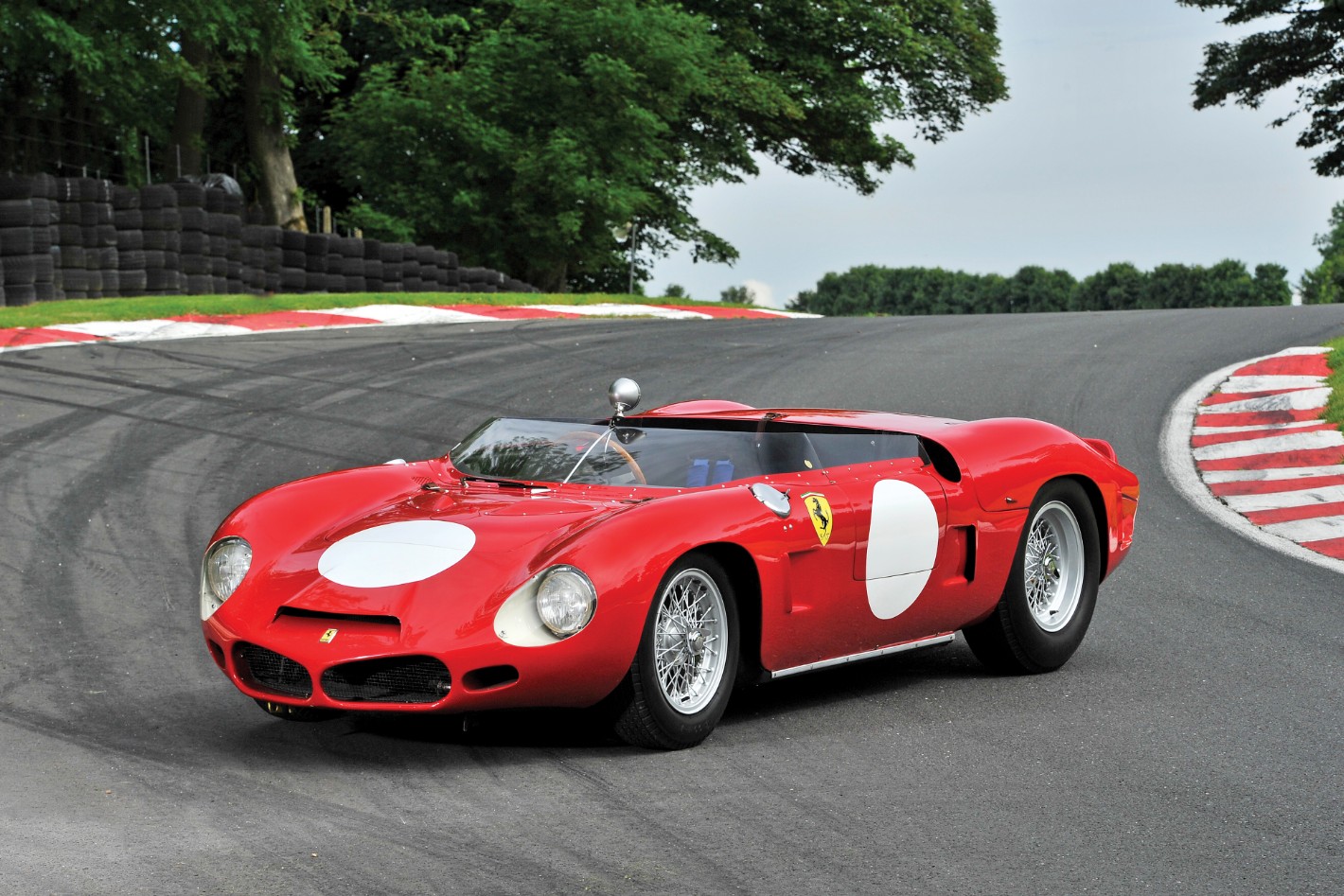
Here’s a car you aren’t likely to get another shot at purchasing. With only two examples produced (of this chassis/engine combo), the 268 SP hails from an era of dramatic change in the racing world. Right about 1960, there was a drastic shift in thought: if we mount the engine behind the driver, maybe these things will handle better.

So Ferrari, and their sports prototype cars, adopted this new philosophy. The SP line of cars debuted in 1961 and only six of this lineage would be built. Only two of them were fitted with this 265 horsepower, 2.6-liter V-8. The awesome body by Fantuzzi is similar to other Ferrari racers of the day, namely the 250 TR 61.

This, car #3 or chassis #0798, has a factory competition history consisting of:

  • 1962 24 Hours of Le Mans – 19th, DNF (with Giancarlo Baghetti and Ludovico Scarfiotti)

After Le Mans, the car came to America to race as part of Luigi Chinetti’s NART team. As part of this team, its competition history includes:

  • 1962 Bahamas Speed Weeks, Nassau Trophy Race – 8th (with Lorenzo Bandini)
  • 1963 12 Hours of Sebring – 34th (with John Fulp and Harry Heuer)
  • 1963 Bahamas Speed Weeks, Nassau Trophy Race – 5th (with Fulp)

It ran a few more races through 1966 and then sat until 1969 when it went to a collector in France. It was restored during his ownership and the current owner acquired the car approximately 20 years ago. It’s a fairly famous car that has been shown at the most exclusive events worldwide. With only six built – and being one of only two built with this engine – this Ferrari is one those seriously collectible 1960s racers. Huge money is one the table here. Click here for more info and here for more from this sale.

Update: Not sold.

Update: Sold, RM Sotheby’s Monterey 2021, $7,705,000.

Duesenberg J-451

1931 Duesenberg Model J Tourster by Derham

Offered by RM Sotheby’s | Monterey, California | August 19-20, 2016

Photo Courtesy of RM Sotheby's

Photo Courtesy of RM Sotheby’s

The Derham Tourster is one of a few body styles of the Model J Duesenberg that are highly sought after (as if there is a Duesenberg that isn’t). Only eight were built originally and over the past few years, two others have come up for auction (with a further two that sported recreated Tourster bodies also coming up for sale).

The great thing about the Tourster is that its second windshield actually rolls up and down instead of flipping up and out of the way like most Dual Cowl Phaetons. Derham, of Rosemont, Pennsylvania, was the sole constructor of this beautiful body. The engine underneath is the standard Model J 6.9-liter straight-eight making 265 horsepower.

This car was sold new to Chicago, where it remained with a variety of owners until departing the city in 1948. It has had even more owners since, with the current owner residing overseas. The restoration is older but it shows well and the color combination is brilliant. The average price for the last two Toursters to have sold is about a million dollars, so look for a similar amount here. Click here for more info and here for more from this sale.

Update: Sold $1,320,000.

Pajero Evo

1997 Mitsubishi Pajero Evolution

Offered by Silverstone Auctions | Silverstone, U.K. | July 30, 2016

Photo - Silverstone Auctions

Photo – Silverstone Auctions

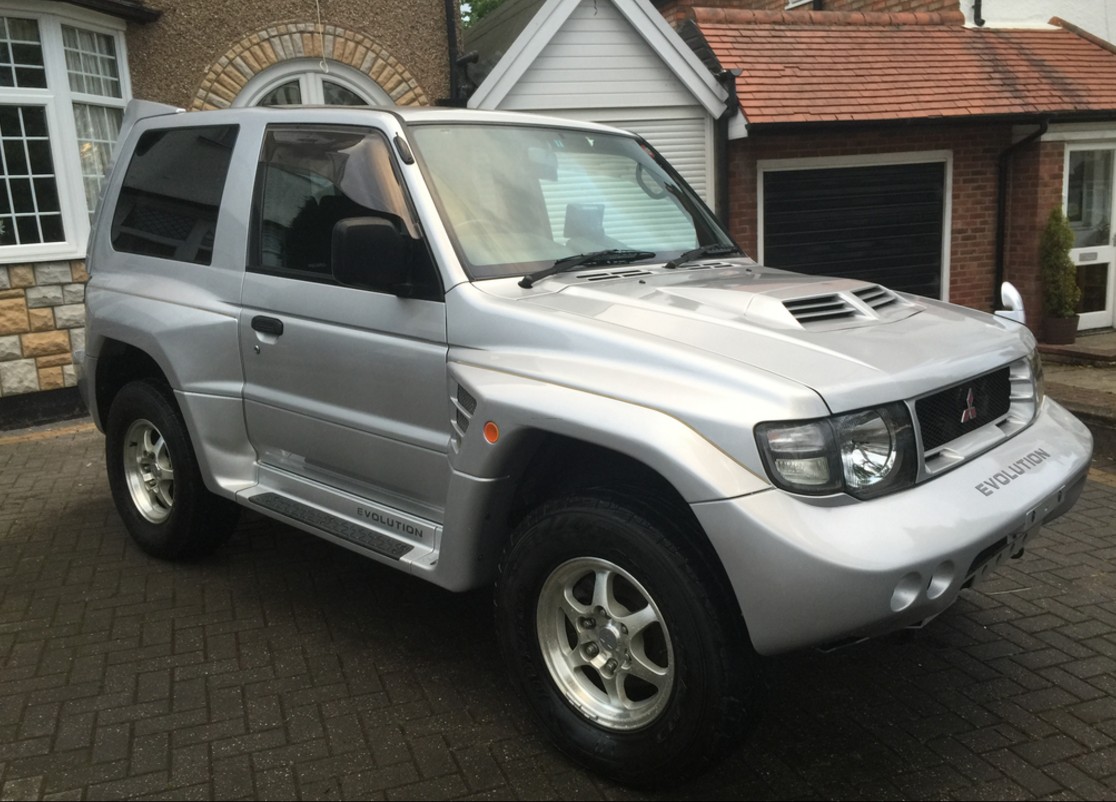
The Paris-Dakar Rally is one of the premier off-road racing events in the world. It’s one that has, for a long time, seen major manufacturer entries and participation. Mitsubishi, long a competitor in rally competition, was one of those manufacturers.

Homologation rules are in effect for a variety of series worldwide and Dakar is no different. Manufacturers, in order to maximize their chances, will build a race car and then build a “road car” variant (that is usually extreme in looks and performance… not to mention price) so that they can say to the event organizers: “Hey, we are entering the production class because our race car is obviously based on a road car.” It’s a little backwards, but this practice is responsible for some awesome road cars.

In 1997, Mitsubishi sold about 2,500 Pajero Evolution models to the public. They were essentially a Pajero SUV with a wild body kit and a 260 horsepower, 3.5-liter V-6. The interior is by Recaro. This is a pretty sporty SUV, considering it was built in 1997 and “sporty SUVs” weren’t really yet a thing. At any rate, it’s really cool – and a little bizarre. Click here for more info and here for more from this sale.

Update: Sold $15,776.

Mini Scamp

1972 Scamp Mk I

Offered by H&H Classics | Castle Donington, U.K. | July 28, 2016

Photo - H&H Classics

Photo – H&H Classics

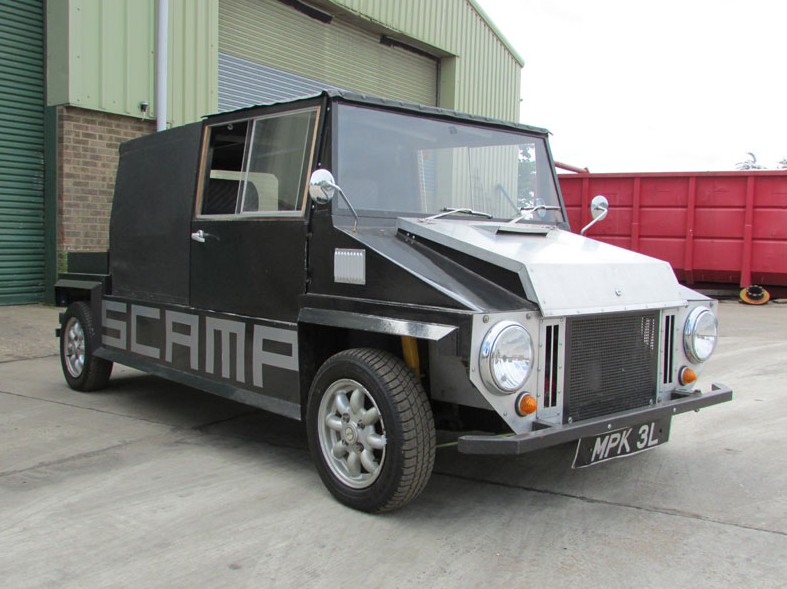
Mini Mokes are very popular, even to this day. Especially in Monaco, for some strange reason. But BMC stopped building the Moke in 1969 – their loss, as other companies sprouted up to build similar cars based on the popular and easy-to-find Mini.

One such company was Robert Mandry’s Scamp Motor Company (which is still around today). The Mk I Scamp went on sale in 1969 and was available through 1977. The cars were built using mostly Mini parts and the owners were responsible for some of the construction. This particular example uses a 1.1-liter straight-four.

Mk I production was about 200 per year – not a lot, but not nothing. There were dozens of other manufacturers doing similar tings, but Scamp’s are fairly unique. This version is a pickup with some kind of canvas-covered mid-section. It’s interesting. This one, described as being in “good condition,” should bring between $4,000-$5,250. Click here for more info and here for more from this sale.

Update: Not sold.

1920 Detroit Electric

1920 Detroit Electric Model 82 Brougham

Offered by RM Sotheby’s | Plymouth, Michigan | July 30, 2016

Photo Courtesy of RM Sotheby's

Photo Courtesy of RM Sotheby’s

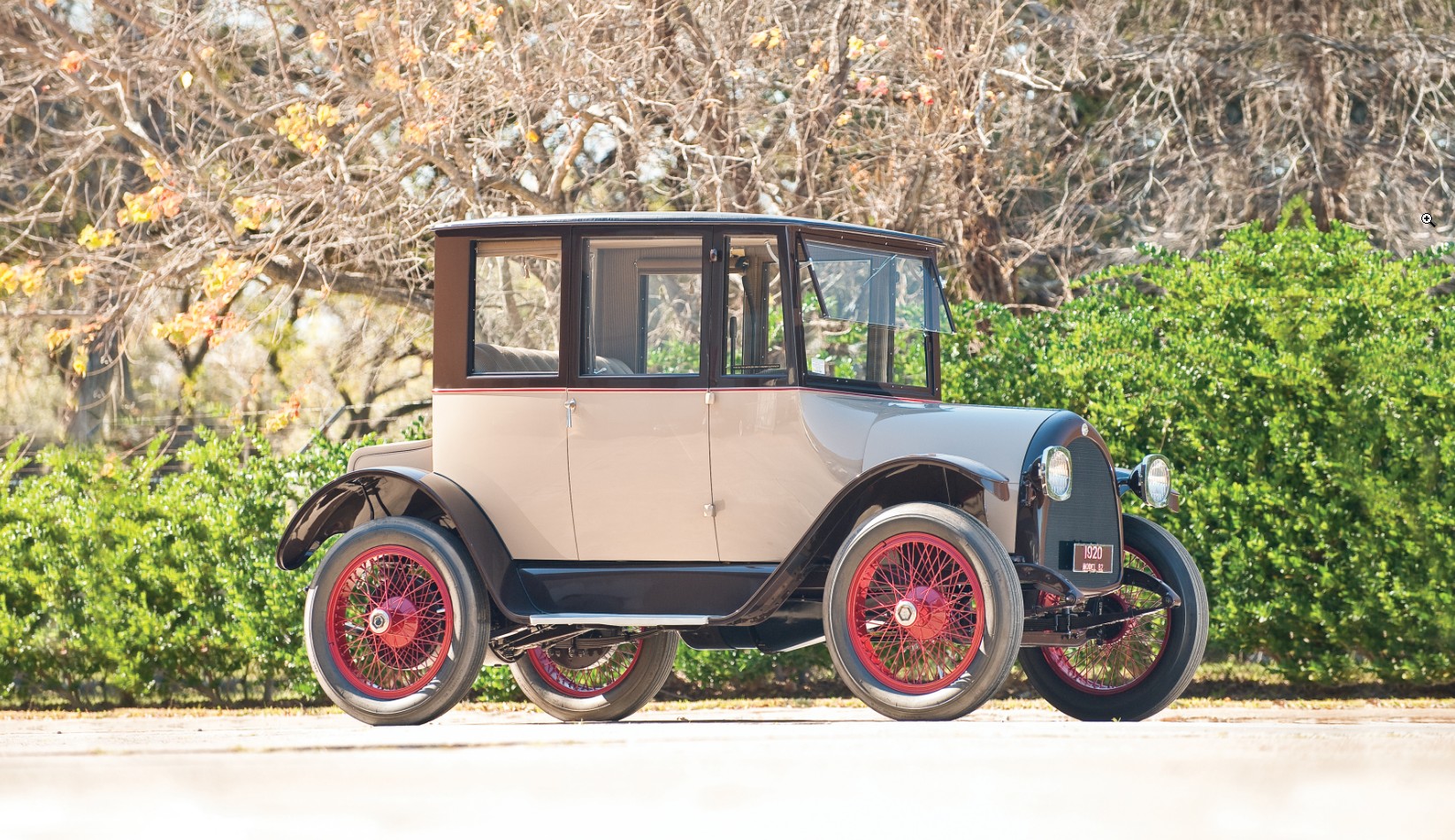
Some things come back around and right now, thanks to Tesla, electric cars are hot. But back in the early days of the automobile, when different propulsion systems were fighting for supremacy, electric cars were fairly popular as well.

Part of the reason for their popularity was the ease with which one could operate such a car. There was no crank, no warming up. You just got in and went. This car is powered by a 4.3 horsepower electric motor.

Only 95 of this type were made, making it quite rare today. Remarkably, this example has known ownership history from new and was originally purchased in Canada. Today, it should bring between $60,000-$80,000. Click here for more info and here for more from RM Sotheby’s.

Update: Sold $66,000.

Arrows A10

1987 Arrows-Megatron A10

Offered by Silverstone Auctions | Silverstone, U.K. | July 28, 2016

Photo - Silverstone Auctions

Photo – Silverstone Auctions

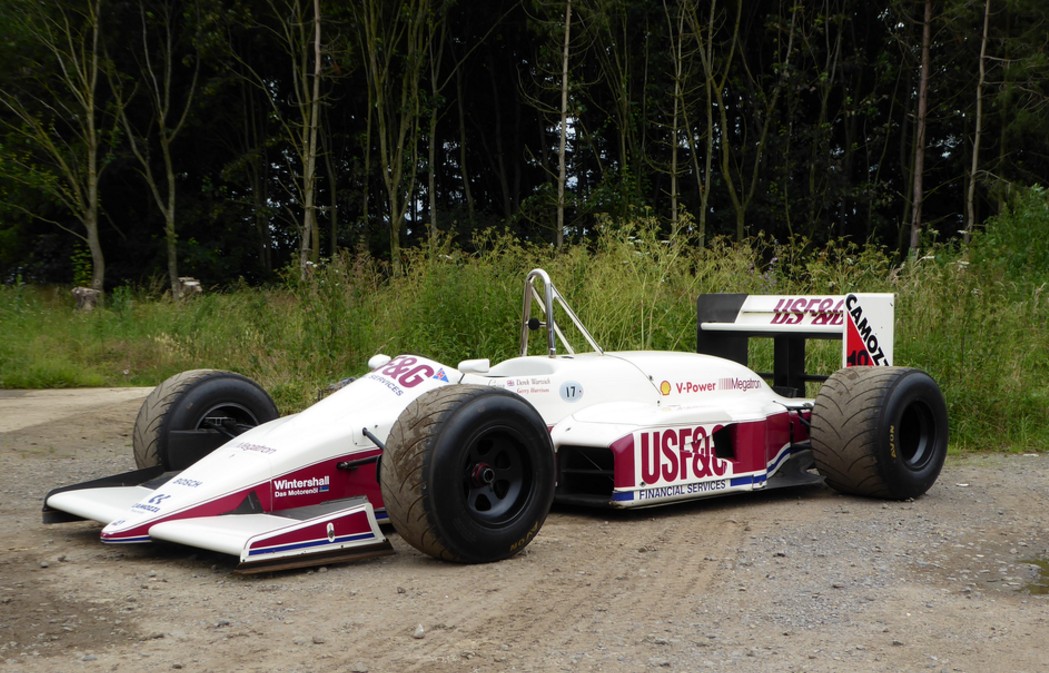
Arrows, the long-running British Formula One Team, first competed in 1978. 1987 wasn’t a banner year, as they had more retirements than finishes. The 1987 A10 chassis was actually designed by Ross Brawn, he of considerable recent F1 fame. The A10 was deemed “good enough” that, for 1988, it was slightly revised and renamed to the A10B.

For 1987, Arrows’ former engine supplier and partner, BMW, packed up and left. Arrows managed to get some sponsorship money from USF&G and BMW finally agreed to supply engines, so long as they were branded as Megatron (which sounds like the name of a Transformer). That engine is a turbocharged 1.5-liter straight-four that made over 1,000 horsepower in qualifying and 850 in race trim.

This was Derek Warwick’s car for 1987 and it’s best finish was 5th at the British Grand Prix that year. The current owner acquired the car in 2002 and it has been used at 1-2 historic events a year for the past 10 years. It was demonstrated at this year’s Goodwood Festival of Speed and should bring between $130,000-$155,000. Click here for more info and here for more from this sale.

Update: Not sold.

The First Cobra

1962 Shelby Cobra 260

Offered by RM Sotheby’s | Monterey, California | August 19-20, 2016

Photo Courtesy of RM Sotheby's

Photo Courtesy of RM Sotheby’s

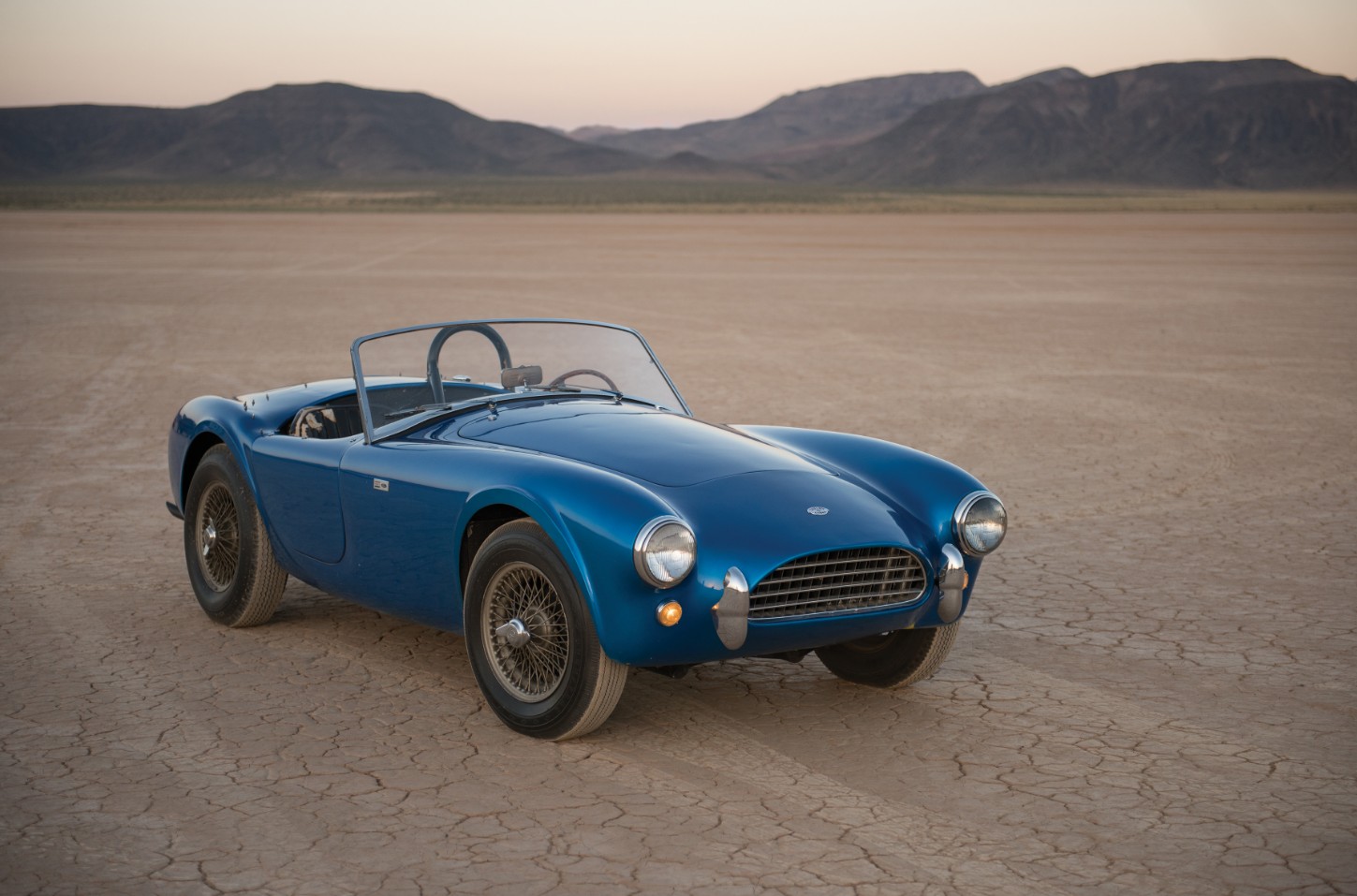
This is the very first Shelby Cobra built and it has been owned by Shelby since day one, which makes this an incredible opportunity to acquire one of the most important cars around. So here’s the story: in 1961, Carroll Shelby asked AC Cars of England if they would build him an AC Ace that could house a V-8 engine.

And, luckily for car people everywhere, they did. Shelby managed to source a V-8 from Ford, as Chevrolet wasn’t willing to play ball (something General Motors probably doesn’t want to dwell on all these years later). The engine was a 260 cubic inch (4.2 liter) V-8 from Ford that makes 260 horsepower. Shelby stuffed it in the front of this beautiful English roadster and the rest is history.

This car, CSX 2000, was used as a factory test car, demonstrator, and show car used to get people interested and sell some cars. Carroll Shelby, always the marketer, repainted the car between showings to make people think that production was well under way. It worked, even if a second Cobra wouldn’t be built for another seven months.

It is mostly original (other than the paint) and has been used on and off over the years and has been shown recently at Pebble Beach, among many, many other places. It’s as famous as Cobras come and is being offered from the Carroll Hall Shelby Trust. Only 75 Cobras were fitted with the 260 engine, but this is the one to have. In fact, of all Cobras, this is the one to have. The bidding will quickly shoot into the millions, but whoever comes out on top will have something truly special. Click here for more info and here for more from RM Sotheby’s.

Update: Sold $13,750,000.

The Hupp Comet

1932 Snowberger-Hupmobile

Offered by Mecum | Monterey, California | August 18-20, 2016

Photo - Mecum

Photo – Mecum

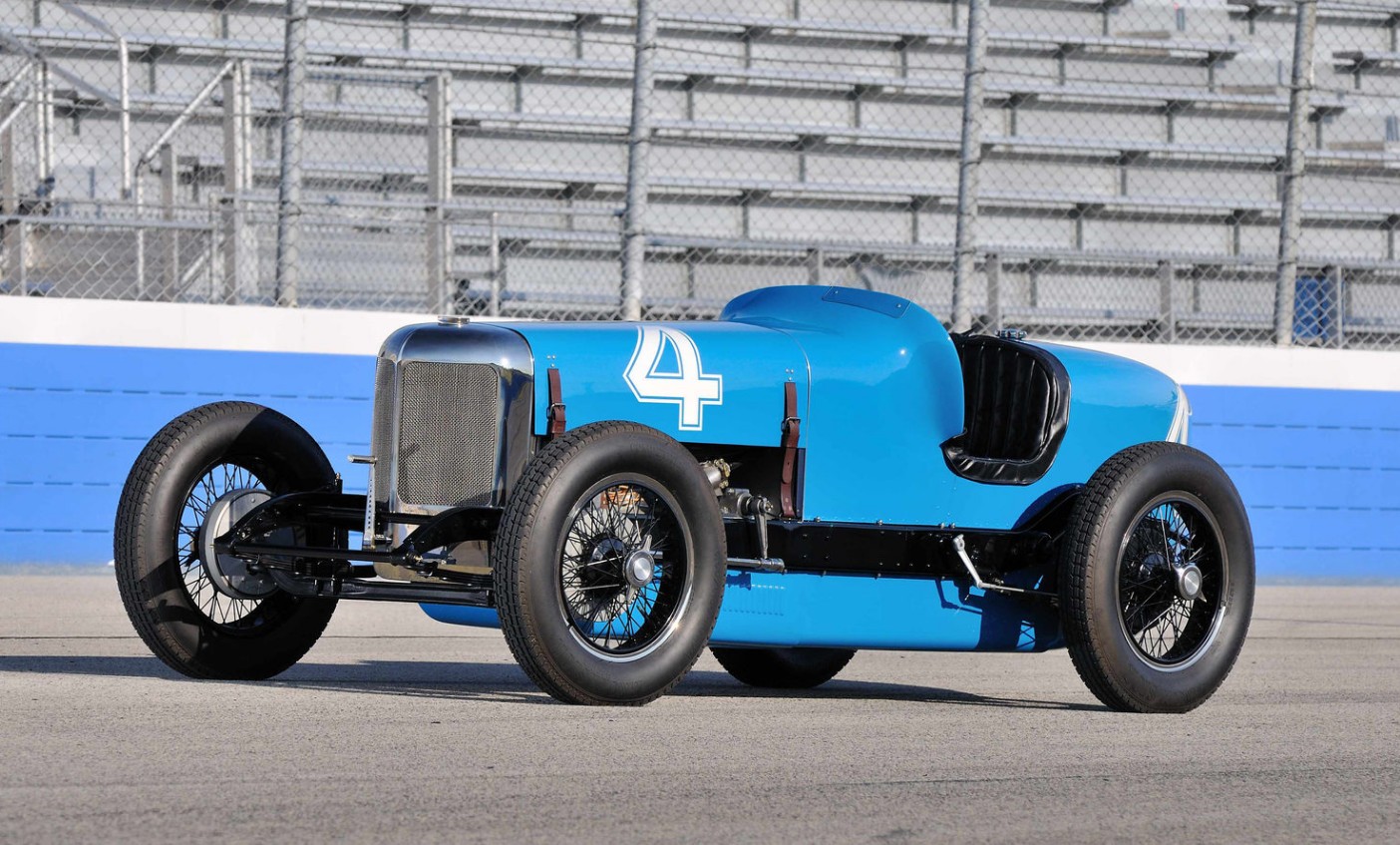
Russ Snowberger is a name that has been associated with the Indianapolis 500 since the 1920s. Snowberger was a very talented mechanic and engineer – but he was also a skilled driver. He competed in the Indy 500 15 times from 1928 through 1947. His best finish was 5th (twice) – one of those was in this very car.

Snowberger was interesting in that he built his own cars. Not very many drivers have entered a car at Indy with a chassis bearing their own name. Not even Louis or Gaston Chevrolet. All of the Snowberger chassis that competed in Indy were Studebaker powered. Except one. This one.

Hupmobile made a sponsorship deal with Snowberger to use a Hupp engine at Indy. This was the only Hupmobile-powered car to ever run the 500 as the company ran out of marketing dollars and Snowberger had to return the engine (which later made its way in a Bonneville land speed car). John Snowberger, Russ’ son, later acquired the engine and restored the “Hupp Comet” to as you see it today.

This is a rare chance to acquire a famous Indy 500 race car from one of the race’s early legends and owner/drivers. You can read more about it on Mecum’s site here and see more from this sale here.

Update: Not sold, high bid of $310,000.

Update: Not sold, Mecum Kissimmee 2017, high bid of $270,000.

Update: Sold, Mecum Indianapolis 2017, $205,000.

Glas Isard

1960 Glas Isard 400 Coupe

Offered by RM Sotheby’s | Plymouth, Michigan | July 30, 2016

Photo Courtesy of RM Sotheby's

Photo Courtesy of RM Sotheby’s

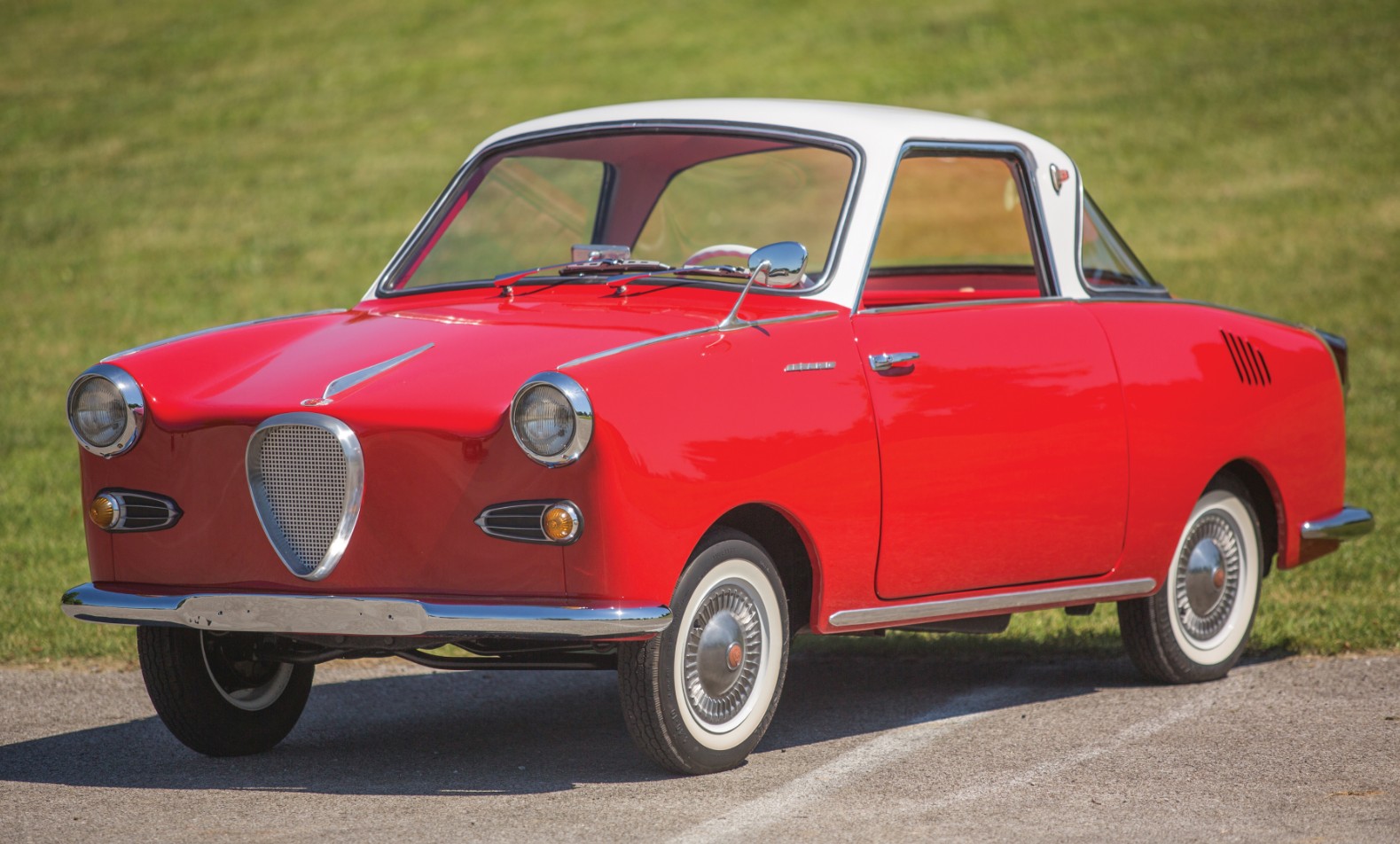
Does this look like another famous microcar to you? Specifically, the Goggomobil? Well, essentially, it is. Hans Glas (whose company ultimately became part of BMW) would start selling cars in 1955. They were originally branded as “Goggomobil” – a marque that existed between 1955 and 1969.

The Glas brand first appeared on a car in 1958. Here’s where it gets really interesting: between 1958 and 1965, Glas produced a car, larger than what you see here, called the Isar. Then there is this, the Isard, with a “d.” The story is that “goggo” was negative French slang, so Glas had to sell the Goggomobil TS in France as the Glas Isard.

So this is technically the same car as a Goggomobil TS400 but with a much more interesting backstory. It’s powered by a rear-engined 20 horsepower, 395cc straight-twin. For comparison, the car we featured yesterday had 800 more horsepower. Fun comes in all shapes and sizes – and in this case, it’s pint sized. Click here for more info and here for more from RM Sotheby’s.

Update: Sold $24,200.