TVR Grantura

1961 TVR Grantura Series II

Offered by RM Sotheby’s | Online/Somewhere in Europe | June 3-11, 2020
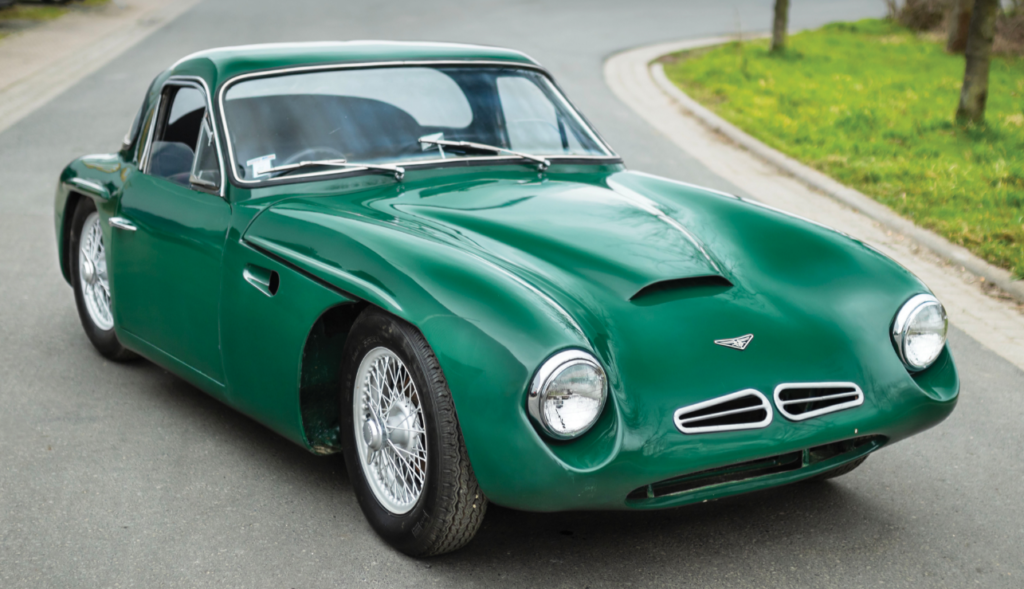
Photo Courtesy of RM Sotheby’s

Remember the Griffith? That insane short-wheelbase coupe powered by a huge Ford V8? Well, this is the AC Ace to the Griffith’s Cobra. TVR’s Grantura was built in a number of series between 1958 and 1967. No V8s here – these were all four-cylinder-powered.

Series II cars were built between 1960 and 1962, and like other Granturas, they feature a fiberglass body and mechanical parts from other cars on sale at the time. Some cars used bits from Volkswagens, MGs, Triumphs, or Austin-Healeys. This car is powered by a 1.6-liter inline-four from an MGA. That was a factory option.

With this engine, which produced 79 horsepower in the MGA, the Grantura was capable of 98 mph. Approximately 400 Series II cars were built, making it the most popular of all Granturas. This right-hand-drive example should bring between $27,000-$38,000 when it sells at no reserve. Click here for more info and here for more from this sale.

Update: Sold $19,743.
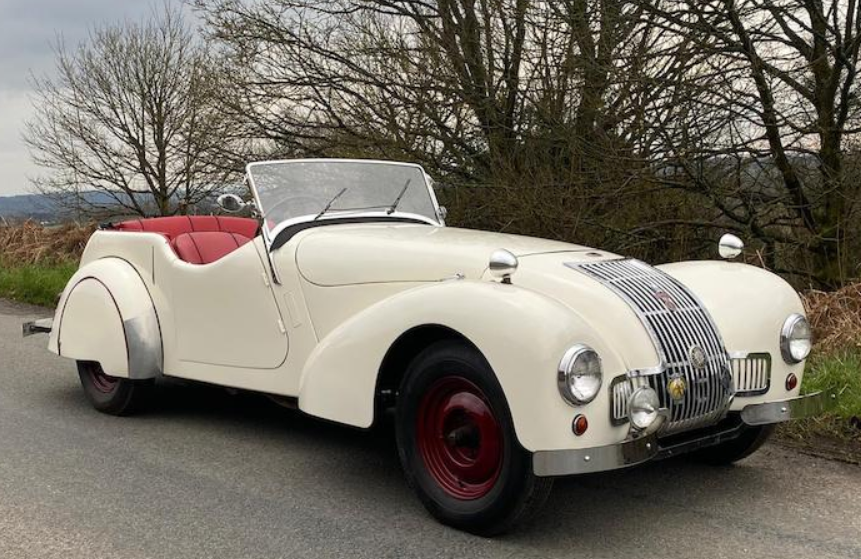
Allard L-Type

1949 Allard L-Type Tourer

Offered by Bonhams | Bicester, U.K. | May 30, 2020

Photo – Bonhams

The L-Type was one of a handful of Allard models introduced in 1946, which was the first year for true Allard production. It went on sale alongside the J1 and K1. The L was produced until 1950 and strongly resembled a drop-top version of the P1 and the later M-Type.

L-Type buyers had the choice between two engines from the factory: one being a 3.6-liter Ford V8 and the other a modified 4.4-liter Mercury V8. No word on what this car has. It was restored in the 1990s, and some mechanical systems were refreshed a few years ago.

Only 191 examples of the L were produced, and only 10 are said to be listed in the Allard registry. They were all convertibles. This one should bring between $49,000-$62,000. Click here for more info and here for more from this sale.

Update: Not sold.

E-Type Lightweight Continuation

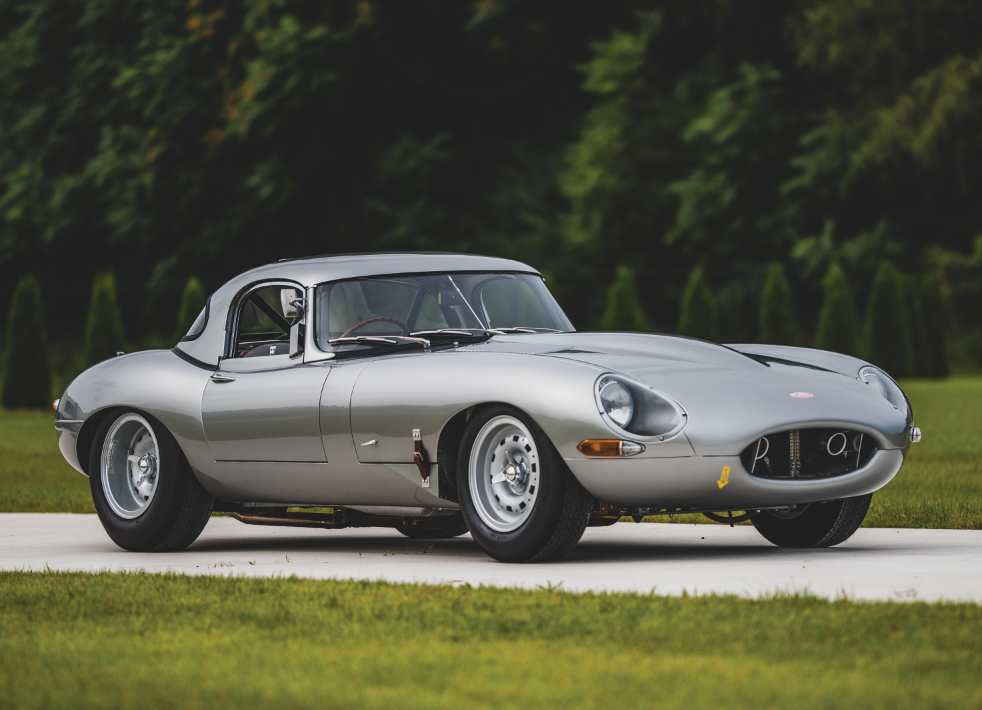
1963 Jaguar E-Type Lightweight Continuation

Offered by RM Sotheby’s | Elkhart, Indiana | October 23-24, 2020

Photo Courtesy of RM Sotheby’s

Well, we featured examples of Jaguar’s D-Type and XKSS continuation cars, so why not round it out with this E-Type Lightweight? All three of these are coming from the same collection, so somebody obviously had an “in” with Jaguar Classic.

Jaguar wanted to build 18 lightweight versions of the E-Type for use in competition in 1963, but they only manage to complete 12. The remaining six went into production in 2014. Differences from the standard cars included aluminum body panels and aluminum engine block for the 3.8-liter inline-six (that was now rated at 300 horsepower).

This car is not a replica, and it wasn’t built using an existing E-Type as a base. It’s a fresh, brand new, Jaguar-built E-Type Lightweight. This was the first continuation car built and was used by Jag as a promo car. It’s only covered about 700 miles since new. It’s now offered at no reserve. Click here for more info and here for more from this sale.

Update: Sold $1,710,000.

Buick GSX

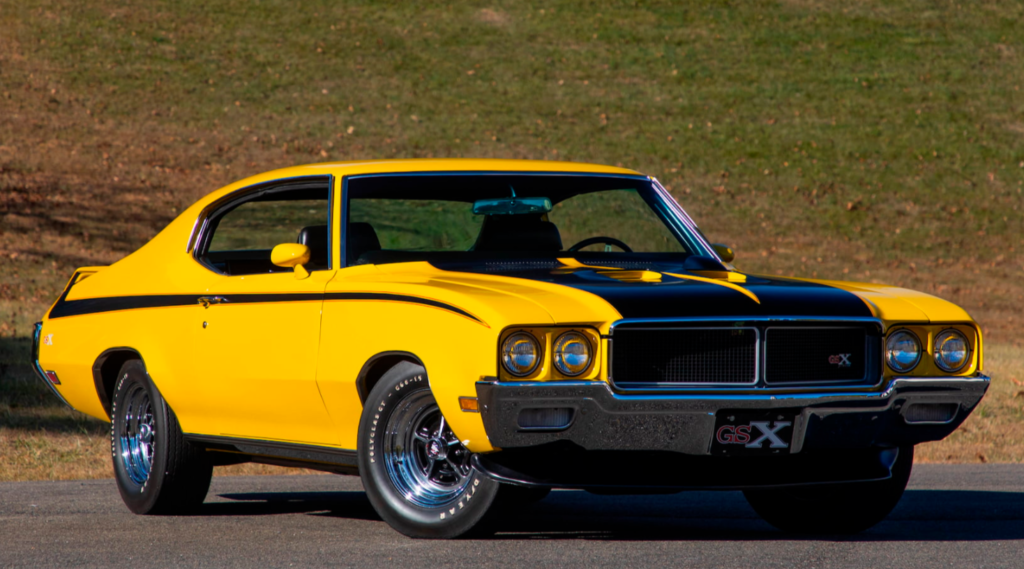
1970 Buick GSX

Offered by Mecum | Jefferson, North Carolina | June 5, 2020

Photo -Mecum

“GS” is Buick-speak for something sporty. It’s been applied to Regals, Wildcats, and Rivieras. In 1966, the Skylark Gran Sport became its own sub-model in the Skylark line. It was broken out as its own model in 1967 in GS350 and GS400 form.

In 1970, Buick updated the model line to base or 445 forms, and it continued in this form through 1972. In the middle of 1970, Buick added the GSX performance package as a $1,196 option on the Gran Sport 455. Equipment included a hood tachometer, a four-speed Hurst shifter, and a 350 horsepower, 445ci (7.3-liter) V8. Only two colors were offered, and this one is finished in Saturn Yellow.

This was the top Buick of the muscle car era, and it debuted right at peak muscle car time. It was sort of downhill after this. In fact, in 1971, the GSX was just an appearance package. This example is one of two offered at this sale (the other one is white). You can see more about it here and see more from Mecum here.

Update: Sold $140,800.

Fiat 8V by Vignale

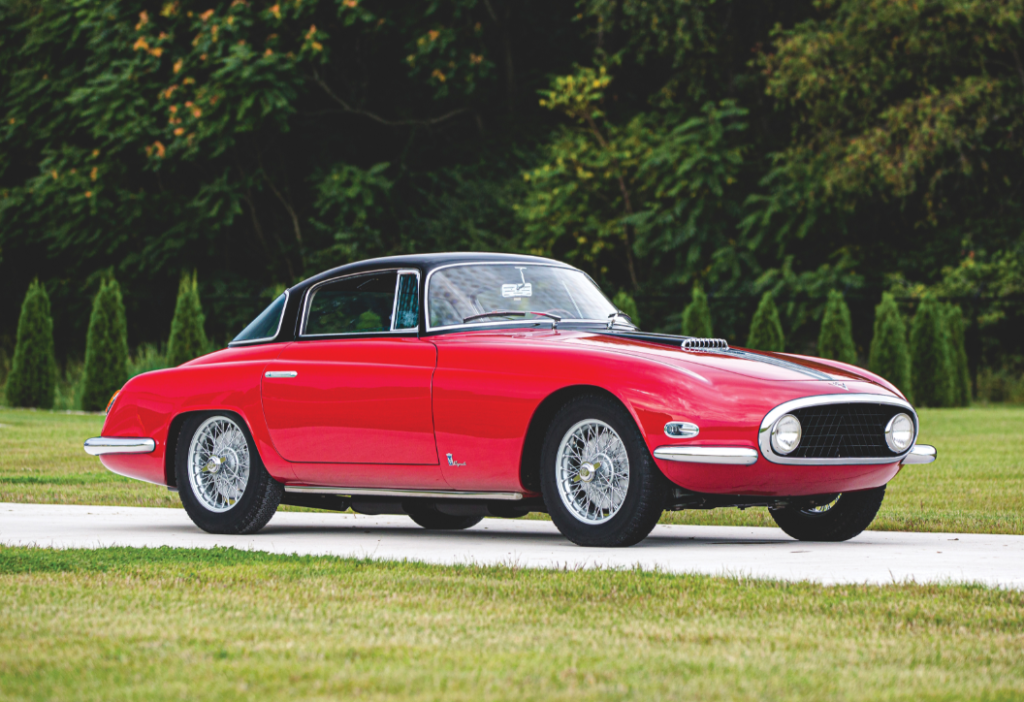
1954 Fiat 8V Coupe by Vignale

Offered by RM Sotheby’s | Elkhart, Indiana | October 23-24, 2020

Photo Courtesy of RM Sotheby’s

Can you believe that Fiat didn’t built a V8 until they introduced the 8V in 1952? They didn’t produce any eight-cylinder engines until that time, and the only reason the model is called the “8V” is because they didn’t want to get in a tussle with Ford over the use of “V8.”

Between 1952 and 1954, Fiat produced just 114 examples of its 2.0-liter V8-powered 8V. Power was rated between 104 and 125 horsepower depending on which iteration of the engine the car received, although the catalog is short on that detail.

This is the 80th example produced, and it features dramatic bodywork from Vignale. It was produced as a follow up to a Michelotti-penned show car called the Demon Rouge. 8Vs are never cheap, and short of a Supersonic, this is about the best-looking example I’ve seen. It will sell at no reserve. Click here for more info and here for more from this sale.

Arkley SS

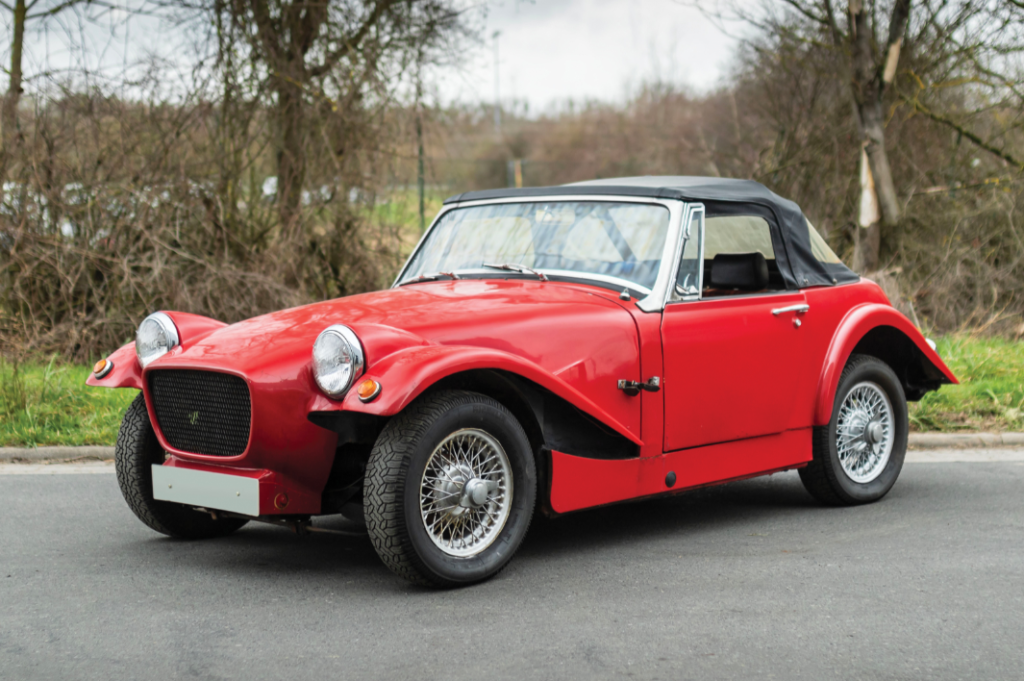
1966 Arkley SS

Offered by RM Sotheby’s | Essen, Germany | June 24-27, 2020

Photo Courtesy of RM Sotheby’s

John Britten’s Arkley was a kit car launched in 1970. The SS was a fiberglass re-body for cars such as the MG Midget or Austin-Healey Sprite. This car is based on a 1966 Austin-Healey Sprite.

Power is from a 1.1-liter inline-four from a Morris Minor, and the car features front cycle fenders with the headlights perched between them and the hood. You can still clearly see the Sprite underpinnings along the sides of the car near the doors.

About 1,000 Arkley kits were produced during the initial run. The rights were sold in the late 1980s and were available again for a short time thereafter. This one is offered at no reserve from RM’s “Essen” sale, which has been pushed back to June and is now online-only. You can read more about the car here and see more from this sale here.

Update: Sold $1,357 (really?)

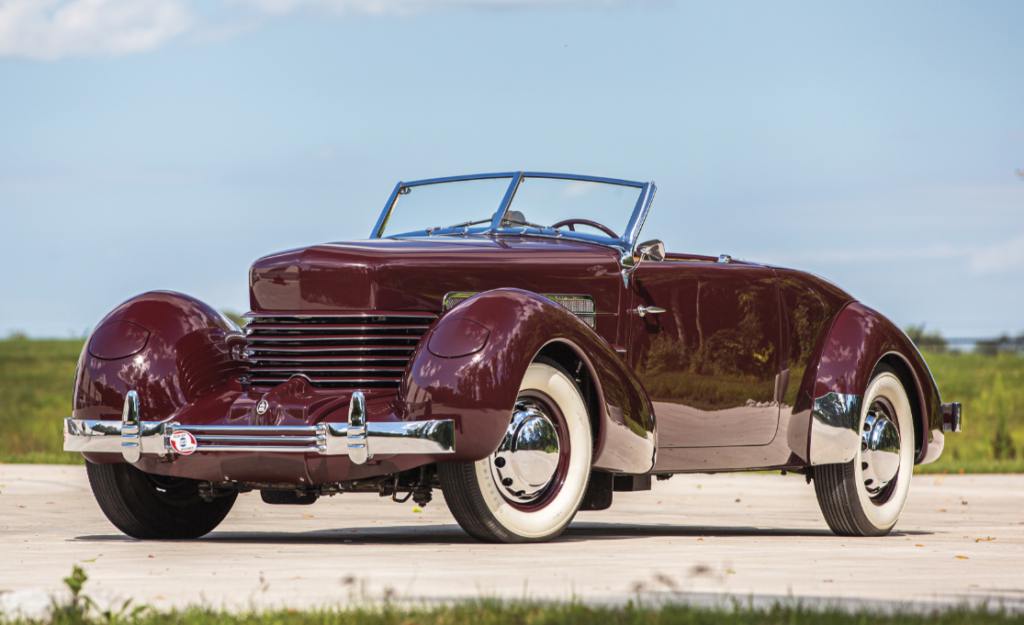
Cord 812 SC Sportsman

1937 Cord 812 SC Sportsman

Offered by RM Sotheby’s | Elkhart, Indiana | October 23-24, 2020

Photo Courtesy of RM Sotheby’s

This is the ultimate iteration of the Cord 810/812. Introduced in 1936, the front-wheel-drive 810 was styled by Gordon Buehrig and featured an independent front suspension and a design like nothing else in the world at the time. The car was renamed the 812 for 1937, which was more-or-less an attempt to spruce up the fact that they had a lot of leftover 810s from the year before. Supercharging also became an option in 1937.

The supercharger bumped power from the 4.7-liter Lycoming V8 to 170 horsepower. Two different wheelbases were used in ’37, and four body styles were offered on the shorter of the two, including the $2,585 Sportsman two-door cabriolet. The supercharger bumped the price by another $2,000, which is insane. Imagine adding 77% of the car’s price back on as options. Oh wait, you can probably do that on a Porsche.

Reliability issues early in production really put a wet blanket over the initial enthusiasm for the model, which was originally envisioned as a “baby Duesenberg.” About 3,000 examples were built in total, only 64 of which were reportedly SC Sportsmans. This one is now going to sell at no reserve. Click here for more info and here for more from this sale.

Update: Sold $257,600.

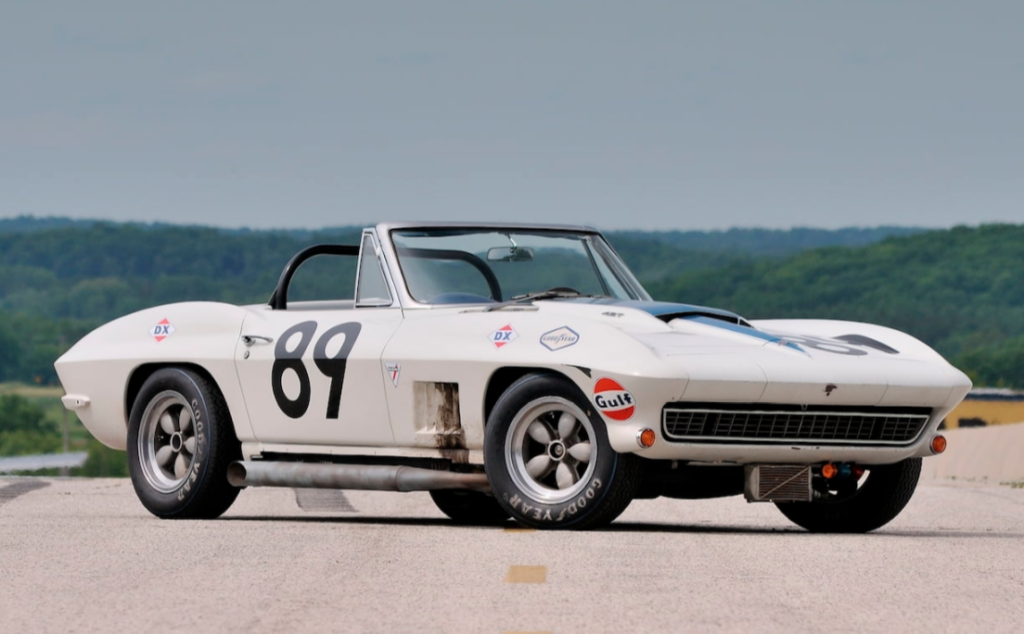
’67 L88 Convertible

1967 Chevrolet Corvette L88 Convertible

Offered by Mecum | Indianapolis, Indiana | June 23-28, 2020

Photo – Mecum

The legendary L88 Corvette was available from 1967 through 1969. That spanned two different generations of the Corvette, which means that 1967 was the only year you could have Chevy’s monstrous V8 in a C2 Corvette. Only 20 were sold that year, and I have no idea about the breakdown between coupes and convertibles.

The high-compression, 7.0-liter V8 was rated at 430 horsepower, even though the actual output was probably over 550. Unfortunately, the car was very expensive and required 103-octane fuel, which wasn’t all that easy to come by at your local service station in 1967. Of the 20 built for the model year, quite a few went direct to racing teams. After all, the car was essentially a race car that happened to be street legal. This one was raced, including at the:

  • 1970 24 Hours of Daytona – 11th, 2nd in class (with Cliff Gottlob and Dave Dooley)

The car competed for eight years, apparently winning 150 races. It was purchased by Dana Mecum in 2013, and he’s now letting it go, assuming it hits what is sure to be a stratospheric reserve (c’mon Mecum, have a little faith in your own event and go no reserve!). Click here for more info and here for more from this sale.

Update: Not sold, high bid of $3,200,000.

Shelby GT350 Convertible

1966 Shelby GT350 Convertible

Offered by Mecum | Indianapolis, Indiana | June 23-28, 2020

Photo – Mecum

The first Shelby Mustang was the 1965 GT350. It was also the best Shelby Mustang. It has those classic first-gen looks and isn’t as bulky looking as later models. Plus, they had racing pedigree. But most of those cars were hardtops.

Not this one. Yes, they built convertibles, but just a few of them. Only four were produced for 1966, and this was the first one. It’s an ex-factory test car, and the other three were more-or-less prototypes as well. It was apparently the only first-gen GT350 with gold stripes that wasn’t a Hertz car.

The GT350 is powered by a 4.7-liter V8 rated at 271 horsepower. This one wears an older restoration and will be going under the hammer at Mecum’s Indy sale, which is currently scheduled for June. Click here for more info and here for more from this sale.

Update: Sold $1,100,000.

Carrera RS Lightweight

1973 Porsche 911 Carrera RS 2.7 Lightweight

For Sale by Girardo & Co.

Photo – Girardo & Co.

The classic longhood-style Porsche 911 was produced from 1965 until 1973. It reached its peak right at the end before the impact bumpers arrived. The Carrera RS (for Rennsport) debuted for 1973 and has become one of, if not the ultimate classic 911.

Available only in 1973, the Carrera RS 2.7 was powered by a 2.7-liter flat-six that was good for 207 horsepower. That might seem puny, but this is a driver’s car. In fact, it only exists because Porsche needed to homologate the 911 for racing. They ended up building 1,580 examples in 1973.

That number was split between Touring and Lightweight models, and a majority of them were Touring cars. Only 200 featured a lack of sound insulation, thinner glass, and thinner body panels. The Lightweight also lacked a radio, clock, glovebox, and more. This was the beginning of Porsche charging more for less.

Despite all of those missing items, this car was spec’d from the factory with an electric sunroof (one of only three Lightweights with that option). It’s finished in Light Yellow with the classic lower body graphics, and it will require quite the sum to take it home. Check out more about this car here.