1919 Minneapolis 12-25


1919 Minneapolis 12-25

Offered by Mecum | Davenport, Iowa | April 4-5, 2014

Photo - Mecum
Photo – Mecum

The Minneapolis Threshing Machine Company began in 1889 building traction steam engines. In 1911 they started building tractors under the Minneapolis name and in 1929 it merged with two other companies in Minneapolis to form Minneapolis-Moline.

Engine: 25 horsepower.

Production: 1919-1924.

Produced: ?

Update: Not sold, high bid of $50,000.

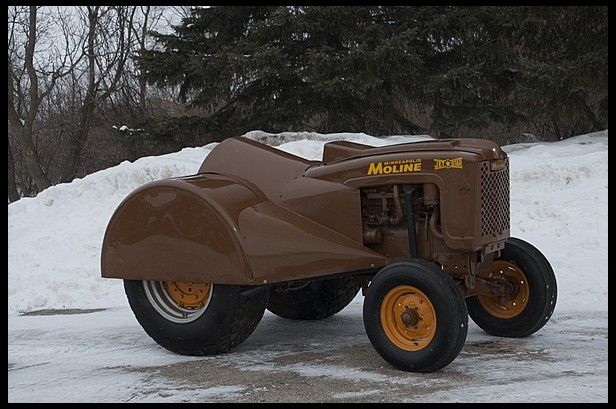
Jet Star Orchard

1963 Minneapolis-Moline Jet Star 2 Orchard

All tractors offered by Mecum | Davenport, Iowa | April 4-5, 2014

Photo - Mecum

Photo – Mecum

As you can read elsewhere, Minneapolis-Moline was founded in 1929 but the brand name was phased out in 1974 after having been acquired by the White Motor Company in the year in which the tractor you see here was built. Check out more cool tractors from Mecum here.

Engine: 3.4-liter four-cylinder. 44 horsepower.

Production: 1963.

Produced: 1,213. Only 1,100 were gas-powered. Only 22 of those were Orchard models.

Update: Sold $14,500.

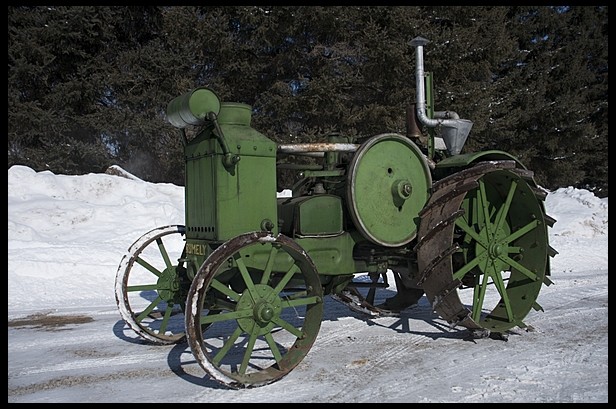
Rumely Oilpull L 15-25

1925 Rumely Oilpull L 15-25

All tractors offered by Mecum | Davenport, Iowa | April 4-5, 2014

Photo - Mecum

Photo – Mecum

Here is another rare Rumely Oilpull (I think tractors are cooler the older they get – they’re very raw machines). This tractor looks highly original.

Engine: 6.1-liter two-cylinder. 30 horsepower.

Production: 1924-1927.

Produced: 4,855.

Update: Sold $10,500.

Ford GT Heritage Edition

2006 Ford GT Heritage Edition

Offered by Auctions America | Ft. Lauderdale, Florida | March 14-16, 2014

Photo - Auctions America

Photo – Auctions America

Remember when the Ford GT came out and everyone was like “Oh, good for Ford finally doing something cool?” Well while they were doing something cool, they happened to do something even cooler – sell cars in a Gulf paint scheme.

In the 1960s there were a number of race cars that competed in the Gulf livery – that famous blue and orange – the Ford GT40 and GT40-based Gulf Mirage race cars among them. It is the coolest color combination you can get on a race car. Period. Well Ford painted a handful of GTs in this scheme and sold them as “Heritage Editions.” People didn’t want them. But now that the GT has become almost instantly collectible – these are the ones to have.

The GT is powered by a 550 horsepower supercharged 5.4-liter V-8. Top speed is 205 mph. Only 343 Heritage Editions were made out of the 4,083 total Ford GTs built. This one has only covered 80 miles since new. It should sell for between $360,000-$400,000 – far more than the original $139,995 MSRP. You shoulda bought one when Ford was trying to move them originally! Click here for more info and here for more from Auctions America.

Update: Sold $412,500.

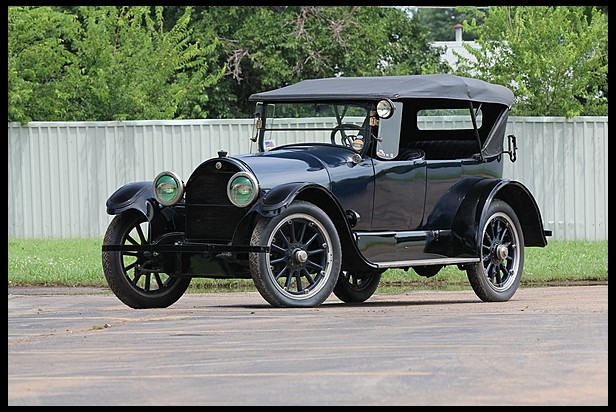
Cadillac Type 59

1920 Cadillac Type 59 Four-Passenger Phaeton

Offered by Mecum | Houston, Texas | April 10-12, 2014

Photo - Mecum

Photo – Mecum

I really love the look of 1920s Cadillacs. There were some very fancy cars available for purchase in the 1920s but it’s really hard to beat the good looks and understatement of this car.

The Type 59 was the second-to-last version of the Type 51. The Type 51 was new for 1915 and a war broke out right after that. It was Cadillac’s first V-8 powered car. The Type 59 was built for 1920 and 1921 only and uses a 5.1-liter V-8 making about 31 horsepower.

This car is in very nice and very usable shape – which is a big win for anyone looking to purchase it. You can read more here and check out more from Mecum in Houston here.

Update: Not sold, high bid of $25,000.

Update II: Sold, Mecum Kansas City, 2014 for $24,250.

March 2014 Auction Highlights Part I

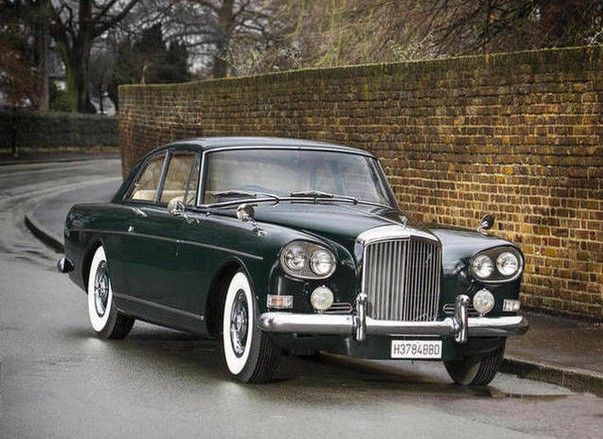
The first weekend in March was an eventful one for car auctions – and shows, with the Amelia Island Concours going on. But before we get to Amelia Island, let’s cross the pond and check out Bonhams’ Oxford sale highlights. The top sale there was this 1964 Bentley S3 Continental Coupe by Mulliner, Park Ward. It sold for $124,601.

Photo - Bonhams

Photo – Bonhams

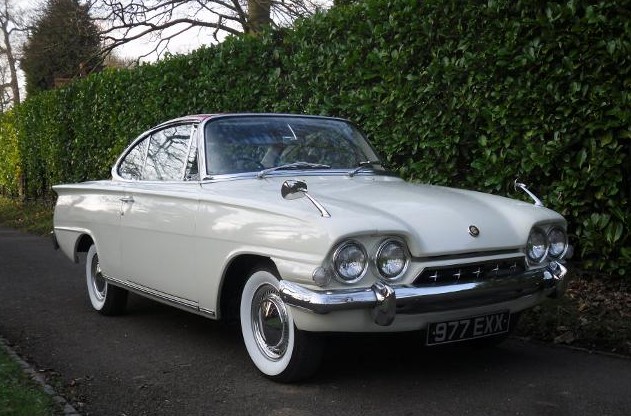
Our featured MG NB Cresta Tourer failed to sell. And our featured BSA Scout doubled the lower-end of its estimate, selling for $20,249. Style-wise, I think the coolest non-feature car was this 1962 Ford Consul Capri Coupe which sold for $14,464. Check out full results here.

Photo - Bonhams

Photo – Bonhams

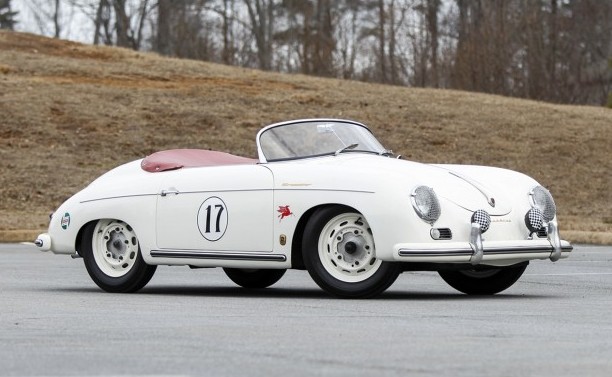
Now we get to Amelia Island and first up is Gooding & Company, where our featured Porsche 907 Longtail was the top sale at $3,630,000. The other 24 Hours of Daytona-winning Porsche, the 1983 March 83G, failed to sell. Cool cars were topped by this 1955 Porsche 356 Speedster once raced by Pedro Rodriguez. I’ve seen this car in person before and it is cool. It sold for $462,000.

Photo - Gooding & Company

Photo – Gooding & Company

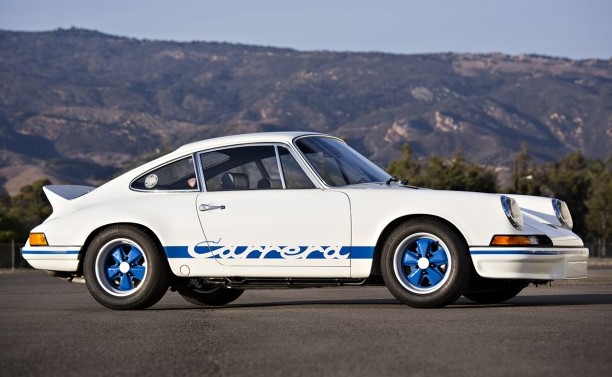
Another cool featured Porsche was our 356 Carrera 2 that sold for $550,000. This 1973 Porsche 911 Carrera 2.7 RS Lightweight brought an eye-popping $1,402,500.

Photo - Gooding & Company

Photo – Gooding & Company

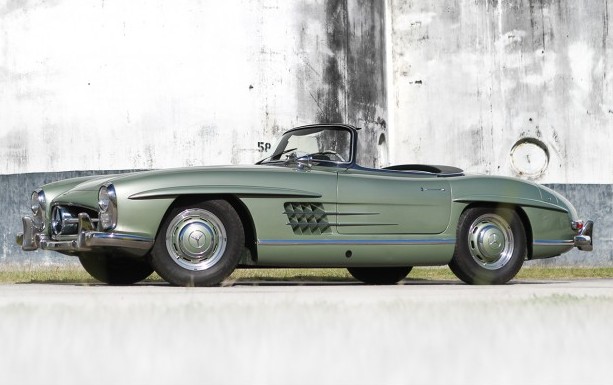
Another great German car was this stunning green 1957 Mercedes-Benz 300SL Roadster. This was as cheap as I’ve seen a 300SL in some time and the color combo makes it an even better deal at $946,000.

Photo - Gooding & Company

Photo – Gooding & Company

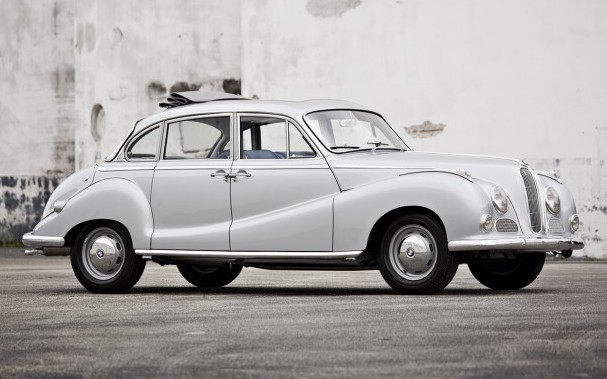
Our featured Voisin failed to sell. The Madame X V-16 Cadillac brought $264,000. And the 1909 Alco Runabout sold for $280,500. This sale also featured a very nice BMW collection. One of the lesser-seen modes was this 1958 BMW 501 A. It sold for $121,000. Check out full results here.

Photo - Gooding & Company

Photo – Gooding & Company

And finally, on to RM’s Amelia Island sale. The top selling car was easy to spot beforehand – our featured Figoni et Falaschi Delahaye sold for $6,600,000. The deal of the sale was our featured Kissel White Eagle Tourster which sold for only $60,500! Somebody made off like a thief with that car. Congratulations.

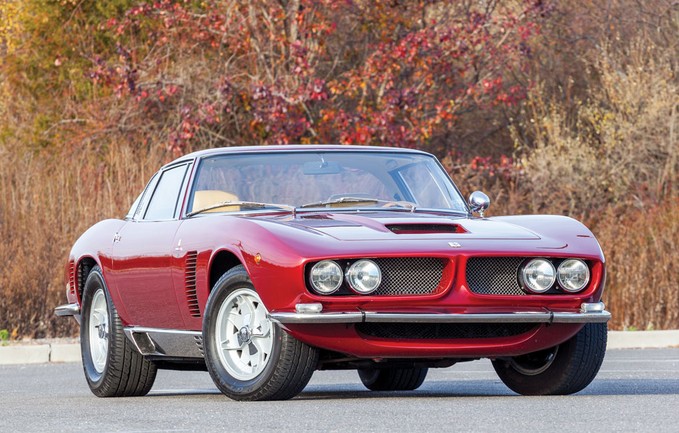
Cool cars were topped by this beefy 1974 Iso Grifo 7-Liter coupe for $440,000.

Photo - RM Auctions

Photo – RM Auctions

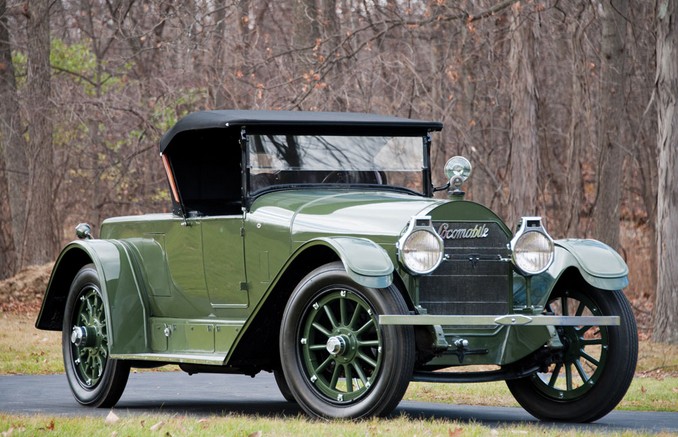
Our featured Locomobile Speedster sold for $126,500. There was another Locomobile at this sale, this sporty 1919 Model 48 Roadster by Merrimac. It brought $143,000.

Photo - RM Auctions

Photo – RM Auctions

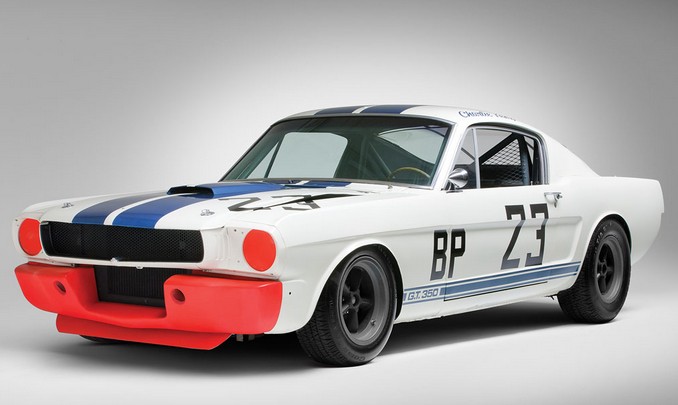
Our featured American De Dion sold for $115,500 and the all-original B.N.C. race car $181,500. This 1965 Shelby GT350 R race car is the “winningest” Shelby race car of all time, notching 17 straight wins in the late-60s. It sold for $984,500.

Photo - RM Auctions

Photo – RM Auctions

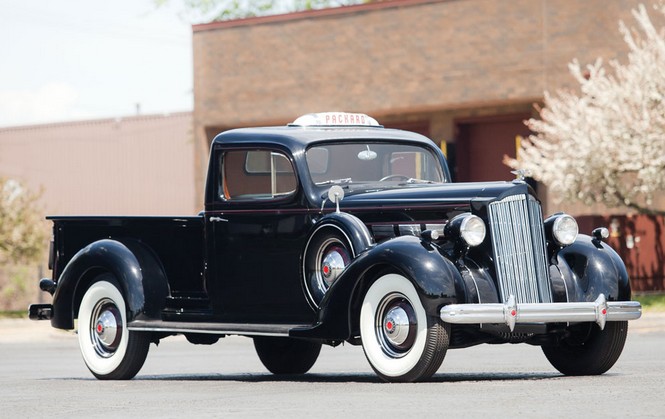
The only featured Duesenberg from the Amelia Island weekend sold for $1,567,500. And finally, there was this 1937 Packard 120 Pickup. It was custom built well after 1937 but it’s been around for a while and looks like the trucks Packard dealers used to use. It sold for $93,500. Check out full results here.

Photo - RM Auctions

Photo – RM Auctions

Car Guy History: Henry Leland

If I’m posting this, it’s probably because auction houses haven’t gotten their most current upcoming auction catalogs online – that or I decided to feature this for the fun of it. I thought I’d dig back into the history of the automobile – a topic I really love – and find some interesting tales to tell. This is the first of those…

Henry Leland

Henry Leland

Henry Martyn Leland, born February 16, 1843, is best known for founding both Cadillac and Lincoln. But before we get to how he made a career off of Henry Ford (and became one of his main antagonists), we’ll throw in a little back story. In 1870, he opened a machine shop that would later supply engines to Oldsmobile (his first taste of the automobile industry). He had previously worked for Colt (firearms) – both of these gave him insight into the use of interchangeable parts – something successful early automotive pioneers championed heavily.

Trivia tidbit: he also invented electric barber clippers.

So here’s part one of how Henry Leland made a career off of Henry Ford: Cadillac. What does Henry Ford have to do with Cadillac? Well, he inadvertently founded it. Backtrack: in 1899, Henry Ford founded the Detroit Automobile Company with the backing of the mayor of Detroit, a senator, and William Murphy – father of Walter M. Murphy, who would later be a successful coachbuilder in Pasadena, California.

The Detroit Automobile Company built about 20 cars and went bankrupt and was dissolved in January 1901. In November of that same year, after Henry Ford had some minor racing success, he was able to convince some men (including William Murphy, again) to back him. Thus, from the remnants of the Detroit Automobile Company, the Henry Ford Company was founded. The following spring, Ford got into an argument with his backers. They gave him $900, the rights to his name, and showed him the door.
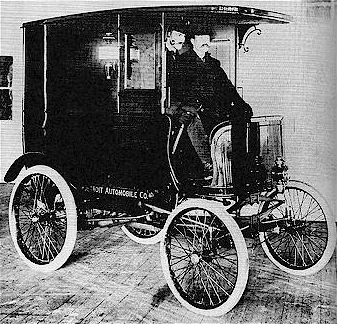
1900 Detroit Delivery Truck

1900 Detroit Delivery Truck. the first car built by a henry ford-owned company.

Ford founded the Ford Motor Company in 1903 and we all know how that went. But the Henry Ford Company still had to be dissolved. Henry Leland was brought in to appraise the tooling and factory so it could be liquidated. Leland appraised everything and then offered his unsolicited advice: don’t liquidate – start a new company. He then offered them the idea to build a car using an engine he had developed for Oldsmobile. William Murphy said “Okay!” and quickly renamed the Henry Ford Company “Cadillac.”
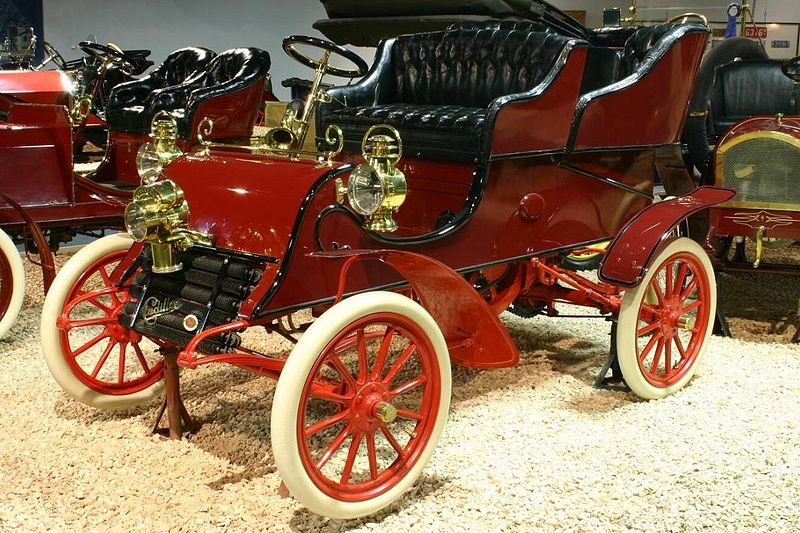
1903 Cadillac Model A

1903 Cadillac Model A. built by leland-owned cadillac using the leland-desgned single-cylinder engine he developed for oldsmobile.

Cadillac was building cars by the end of 1902, before Henry Ford got his “Third Time’s A Charm” thing going. In 1905, Leland merged his machine shop into Cadillac. He also introduced interchangeable parts. In 1909, Leland sold Cadillac to General Motors for $4.5 million and remained a GM executive until 1917. That’s how Leland made his first fortune off of Henry Ford.

Now for Round 2: In 1917, World War I was in full swing. GM was still in the control of its founder, William Durant (who deserves his own Fun History Lesson). Durant was a pacifist and did not want to make anything for the military. Cadillac had been asked by the government to build Liberty aircraft engines. Durant refused. So Leland walked out.

And what did he do? He took the $10 million contract from the government and founded the Lincoln Motor Company with his son. He named it “Lincoln” after his hero, Abraham Lincoln – the man he voted for in 1864 (okay, so Leland made his second fortune off of the government, and not necessarily Henry Ford). When the war ended, Leland retooled the factory to build luxury cars. By 1922, the retooling had taken its toll and Lincoln was out of money – but their factory was worth about $16 million.
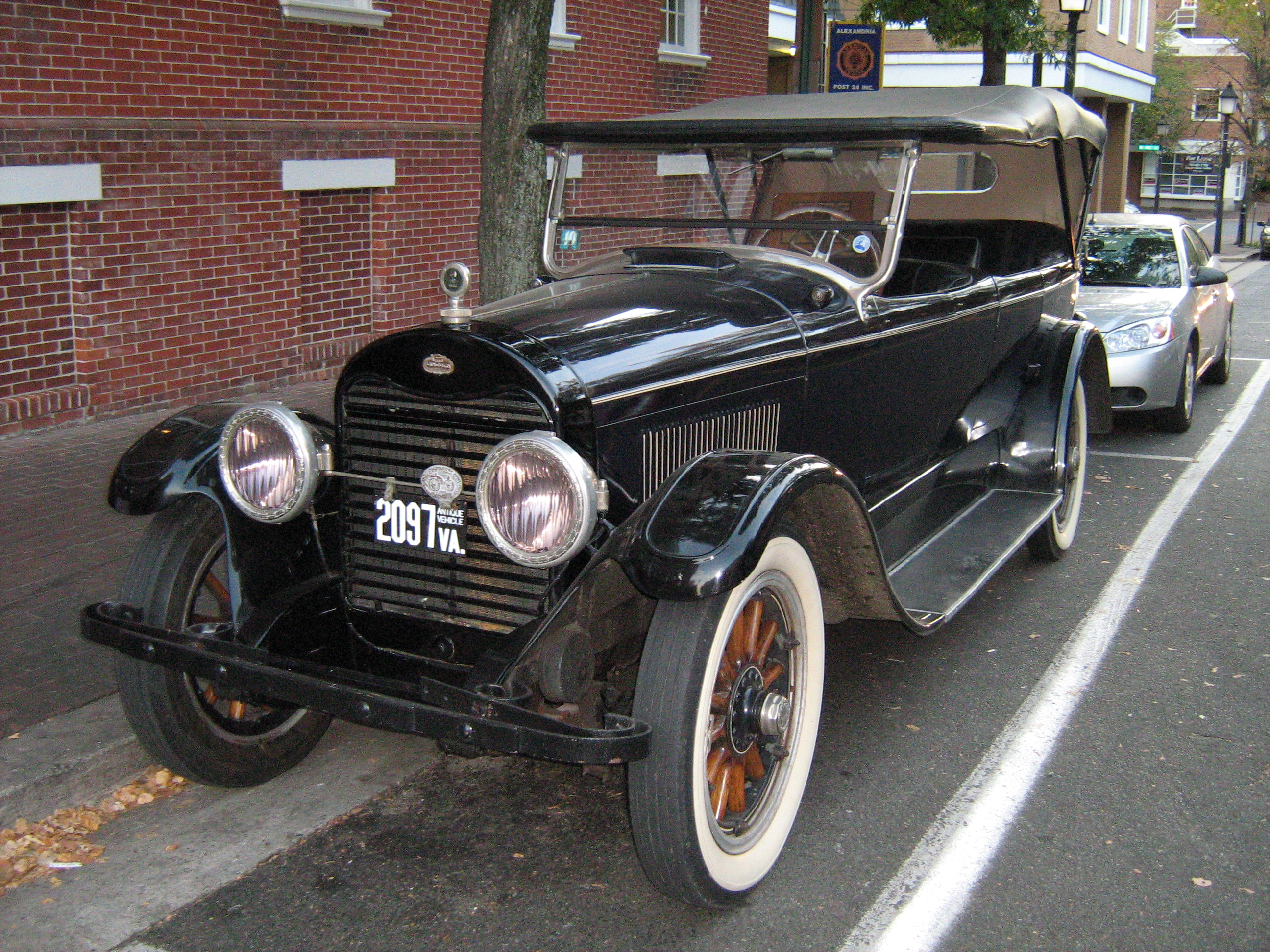
1922 Lincoln L-Series Touring

1922 Lincoln L-Series Touring. The L-Series was designed by lincoln under Leland ownership and remained in production long after he left.

Henry Ford sent in a bid of $5 million to buy Lincoln, which was rejected by a judge. He upped it to $8 million – the only bidder on the insolvent company. Ford was still bitter at Leland for his success with Cadillac and wanted to pay as little as possible for Lincoln – just to demoralize the Lelands. The $8 million mostly went to pay of creditors, but Leland (and his son, Wilfred) remained as employees – not to run the company as originally promised by Ford, but to get it to a point where it wouldn’t go bankrupt again – i.e. throw quality out the door to save costs, which was, quite possibly, Leland’s most-loathed thing about the then-current automobile industry. A couple months later, an executive acting on Henry Ford’s authority, showed up to force Wilfred to resign. When Henry Leland realized Henry Ford was directly responsible for this, he, again, walked out as well.

Remarkably, both companies founded by Henry Leland still survive 100 years later – and I’m pretty sure he’s the only person to hold that distinction. Sure, he didn’t make a fortune from Henry Ford the second time around, but he did force Ford (out of spite) to spend $12 million (there was additional $4 million tax bill tacked on). Henry Leland had to be one of Henry Ford’s biggest adversaries for a majority of his career. And for that, he should be considered an automotive hero (let’s be honest, for all of Ford’s successes, he wasn’t exactly a saint).

In any case, Henry Leland (and his son, Wilfred) were engineers. They held quality above all things. And they were among the last of their kind. The companies they founded were transferred into the hands of penny-pinchers who wanted to build the most for the least. During Leland’s reign, Cadillac become known as “The Standard of the World” and there was a reason for that. Henry Leland is one of my automotive heroes – if for nothing else, than being a thorn in Henry Ford’s side for over 20 years.
A British Talbot

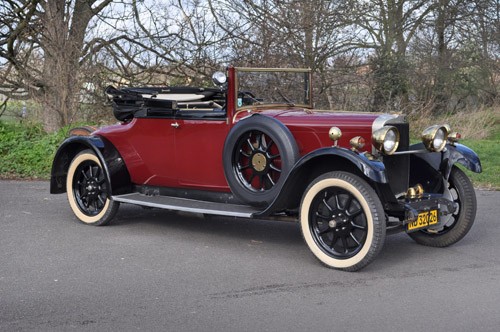
1927 Talbot 14/35 Drophead Coupe

Offered by Coys | London, U.K. | March 11, 2014

Photo - Coys

Photo – Coys

Talbot is one of the most confusing marques in automotive history. The car you are looking at here is a British-built Talbot (the French cars were almost all hyphenated with another name). The standalone British Talbot began producing cars in 1904. And, as a separate make, Talbot ceased to exist in 1938 – before it was resurrected in 1980 (in France). It died again, unceremoniously, in 1987.

In 1919, Talbot was bought by Sunbeam – giving them access to superior engineering. This car uses a 1.7-liter straight-six making 35 horsepower. This car spent most of its life in its home country of the U.K. but the current Austrian owner acquired it a few years ago.

This is a very old car that is in very good condition. Only a few Talbot 14/35s are known to exist. This one should sell for between $13,000-$20,000. Click here for more info and here for more from Coys in London.

Update: Sold $21,800.

Porsche 356 Carrera 2

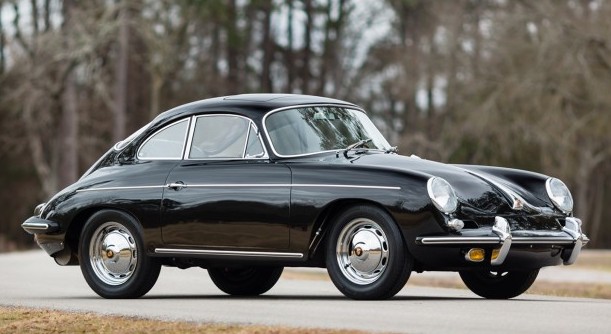
1963 Porsche 356 Carrera 2 Coupe

Offered by Gooding & Company | Amelia Island, Florida | March 7, 2014

Photo - Gooding & Company

Photo – Gooding & Company

The first Porsche road car was the 356. It became available to the public in 1948 and it lasted through 1965 via a number of different series and limited edition models. The Carrera 2 was one such limited edition model that was introduced at the Frankfurt Motor Show in 1961.

The engine is a 2.0-liter (thus the “2” in Carrera 2. And Carrera, of course, refers to the Carrera Panamericana road race) flat-4 making an impressive 130 horsepower (that’s 15 more horsepower than the next-most-powerful 356). This was the fastest 356 road car ever built. The car you see here has a factory-installed electric power sunroof and an expanded 70-liter fuel tank.

This car has had many owners of the years and the mechanicals were freshened in 2011. Only 436 examples of the super quick 356 Carrera 2 were built and this is one of the nicest, best-optioned examples in the world. It should sell for between $550,000-$650,000. Click here for more info and here for the rest of Gooding & Company’s Amelia Island auction lineup.

Update: Sold $550,000.

Voisin C14

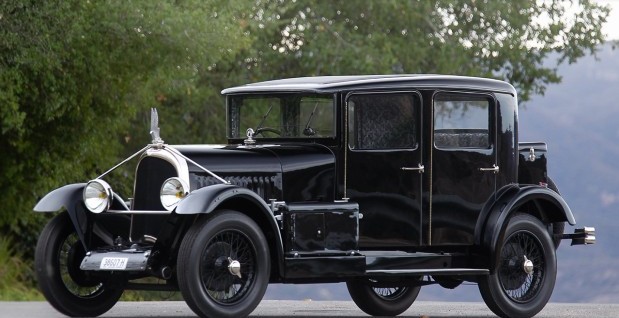
1930 Voisin C14 Berline

Offered by Gooding & Company | Amelia Island, Florida | March 7, 2014

Photo - Gooding & Company

Photo – Gooding & Company

Make sure to head over to Gooding & Co.’s site and check out the interior on this car. Like many other Voisin automobiles, it’s wild. If you take a quick glance at this car, it looks like an old, boring, upright sedan. But then you look closer and start to notice all the quirky little details: the weird positioning of the doors, the fender-to-radiator connectors, the strange proportions. And that’s just the exterior.

Under the hood is a 2.3-liter straight-six sleeve-valve engine making 66 horsepower. This certainly isn’t the most intensely Art Deco Voisin ever built but it’s still super rare. This car was discovered in the 1990s in France and the restoration was finished before 2007.

Like most Voisin’s, the body is lightweight aluminium. Only 1,795 C14s were built between 1927 and 1932 – making it one of the company’s most popular models. This one should sell for between $250,000-$300,000. Click here for more info and here for more from Gooding & Company in Amelia Island.

Update: Not sold.