Offered by Historics Auctioneers | Brooklands, U.K. | November 25, 2023
Photo – Historics Auctioneers
The Cresta was Vauxhall’s executive car, the largest in the lineup when it went on sale in 1954. The second generation, the PA, arrived three years later in 1957 sporting very American styling, with tailfins and chrome galore.
Between 1957 and 1962, 81,841 examples of the Cresta were built between the four-door sedan and wagon. For the first few years of production, the cars featured a 2.3-liter inline-six carried over from the previous generation. It made 82 horsepower. A 2.7-liter unit would appear in 1961.
It took five years to restore this example, which is one of just 32 still registered in the U.K. It’s big by British standards, and stylish too. The estimate is $22,000-$32,000. Click here for more info.
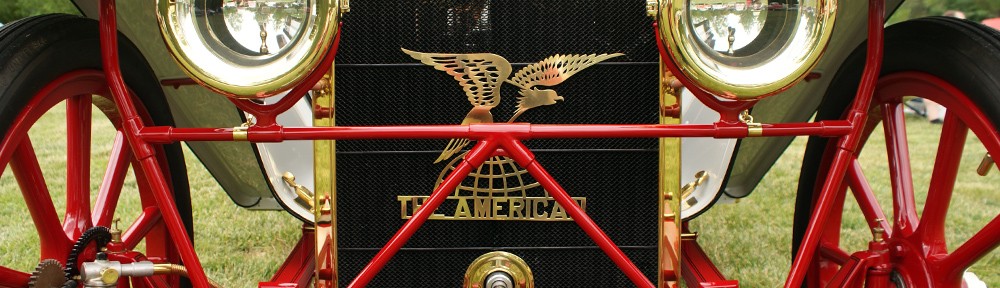
Carden Engineering launched their cyclecar amidst the craze of the 1910s. It went on sale in 1914 and was designed by John Carden, who would later design tanks. This couldn’t be farther from that.
The company returned after WWI with a new design in 1919. Later that year Carden sold the design off and came up with something else, which he also sold and would eventually be produced as the New Carden from 1922 through 1925.
This car is powered by an air-cooled (apparently flat?) twin that shares its casting with the gearbox. About 1,000 of these were built, and this one is definitely in project status, coming off of static display. Click here for more info.
Offered by Aguttes | Paris, France | November 26, 2023
Photo – Aguttes
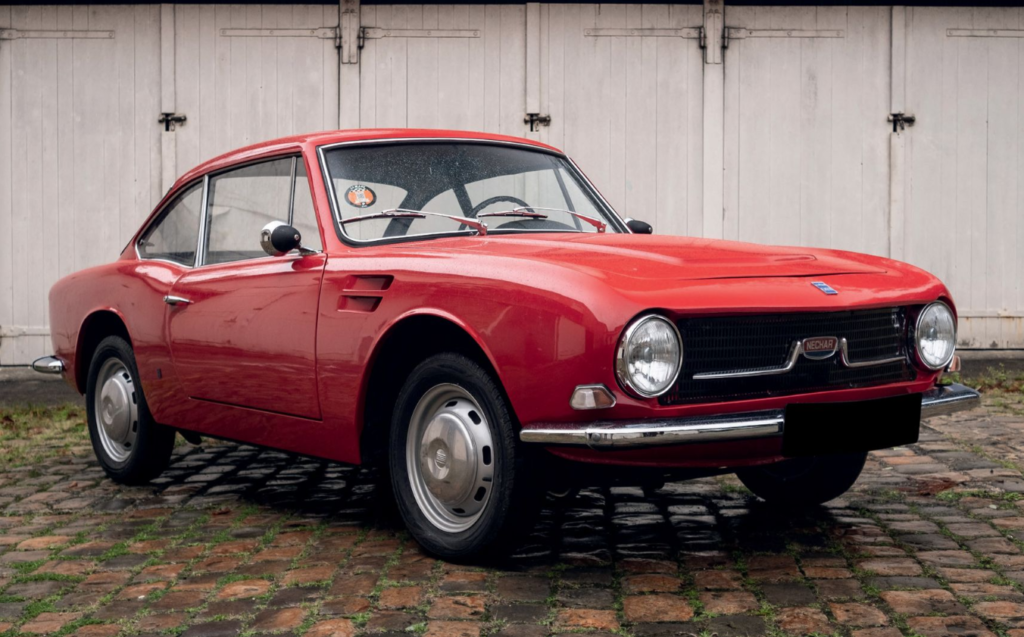
NSU sold Fiats under license beginning in 1929 under the NSU-Fiat marque. NSU sold the Heilbronn, Germany-based factory to Fiat in 1932, and in 1957, then name Neckar replaced NSU-Fiat as the marque until it ceased existing in 1971.
All Neckars were just re-badged versions of something else, in this case the already-obscure OSI 1200, which was a Michelotti-styled variant of the Fiat 1200 Spider. It’s got a Fiat 1.2-liter inline-four.
Aguttes says 280 convertibles and 70 coupes were built, all of which apparently by OSI and then branded differently for various markets. The pre-sale estimate is $27,000-$38,000. Click here for more info.
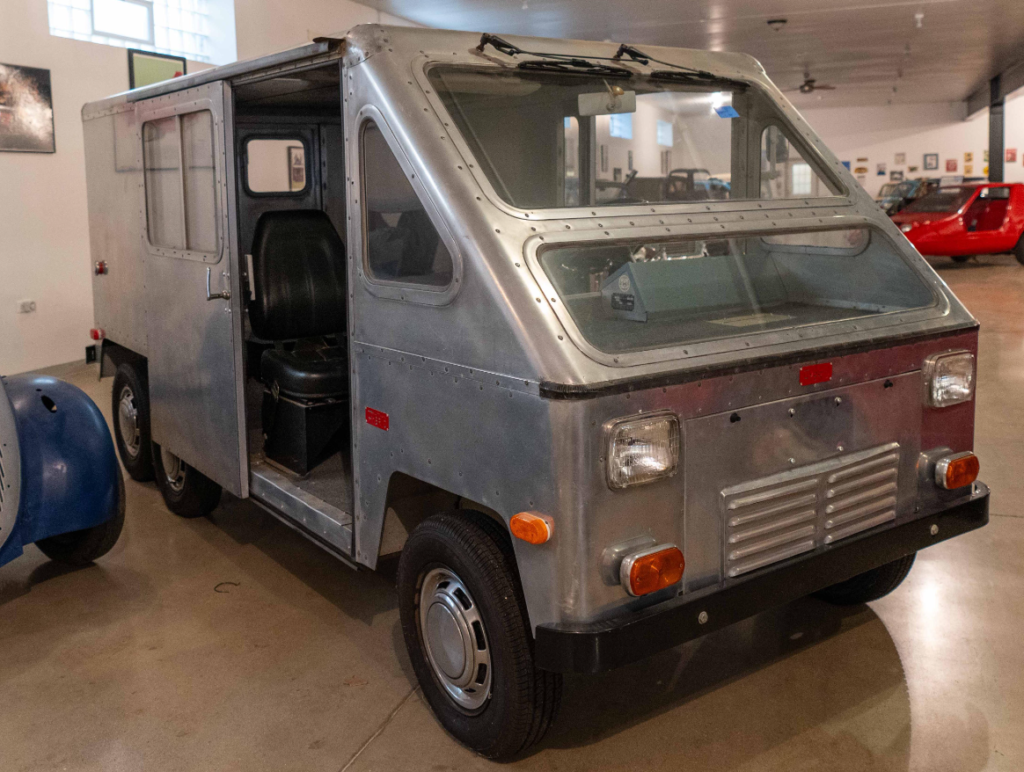
Marathon Electric Vehicles produced a lone road-going vehicle between 1976 and 1981. The company was based in Montreal, and their C-300 was a kind of odd, open-top Jeep-type thing that resembled, well, a Volkswagen Thing.
This, the C360, was purportedly purchased by Briggs & Stratton and turned into an early hybrid test vehicle. Yes, it has three axles and sliding side doors. The body is also made out of Alucobond, which is two sheets of aluminum over a urethane-filled core. The Briggs & Stratton twin is mounted up front, and the van is missing its electric motor and batteries.
Consider it a project, but an interesting one from a forgotten early electric upstart. Check out more about it here.
Offered by RM Sotheby’s | New York, New York | December 8, 2023
Photo Courtesy of RM Sotheby’s
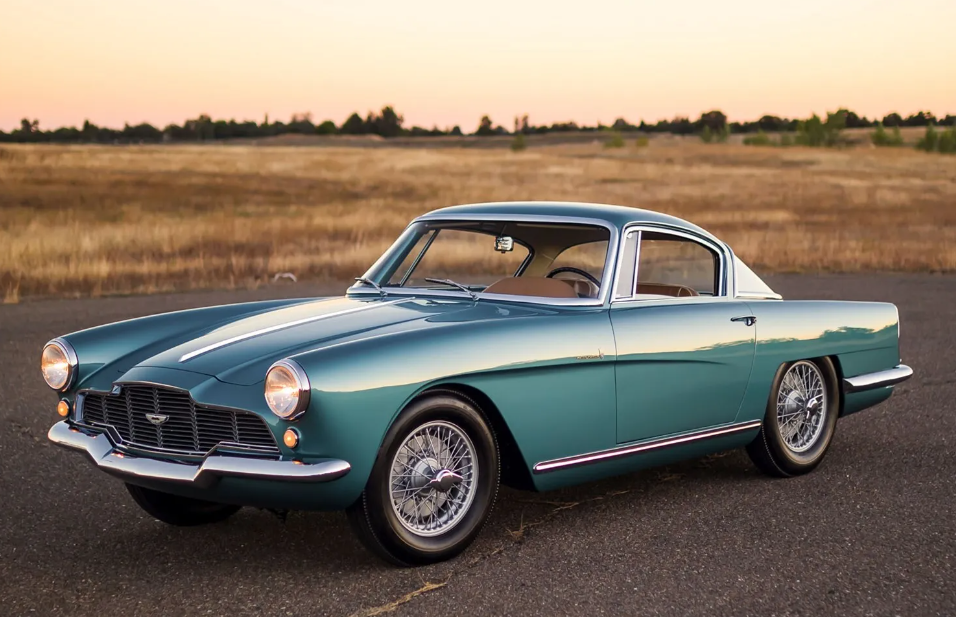
The DB2 was Aston’s first real post-war car, as they only made 15 DB1s. In 1953, the DB2 was heavily revised for a new model call the DB2/4, which would remain on sale through 1957. Three factory body styles existed: drophead coupe, two-seat coupe, and 2+2 hatchback. But a number of coachbuilt versions were also produced.
Among them are a some really striking designs by Bertone. There were seven Bertone DB2/4s in total (out of a production run of 764 total DB2/4s), and all of them were commissioned by Stanley “Wacky” Arnolt. This was the only coupe among them.
RM’s write-up makes no mention of the engine, but it’s a 2.9-liter inline-six, the larger of two engines offered during the model’s run. The restoration of the car started in 2019 and completed in time for Pebble Beach in 2023. The estimate here is $1,200,000-$1,600,000. Click here for more info.
Offered by Bring a Trailer Auctions | November 2023
Photo – Bring a Trailer
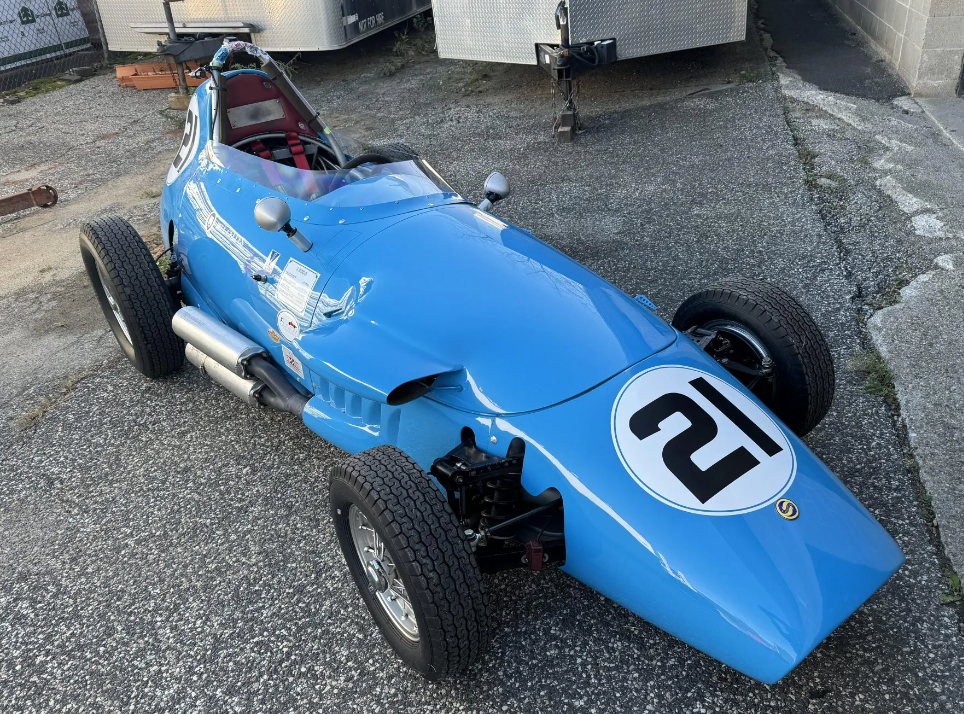
Automobili Stanguellini started producing Fiat based cars after WWII, including a handful of road cars. But the company’s most popular and famous product were their formula junior race cars.
Formula Junior was a precursor to Formula Two that existed between 1958 and 1964. Right place, right time, for Vittorio Stanguellini. This car is one of three originally purchased by Briggs Cunningham and was raced by Walt Hansgen for his team. Power is from a 1.1-liter Fiat inline-four.
This car was restored in the 2000s and has been used in historic and vintage racing events over the next 20 years. These are rare and sought-after old race cars. This one has a few days left, and you can read more about it here.
Offered by RM Sotheby’s | Munich, Germany | November 25, 2023
Photo Courtesy of RM Sotheby’s
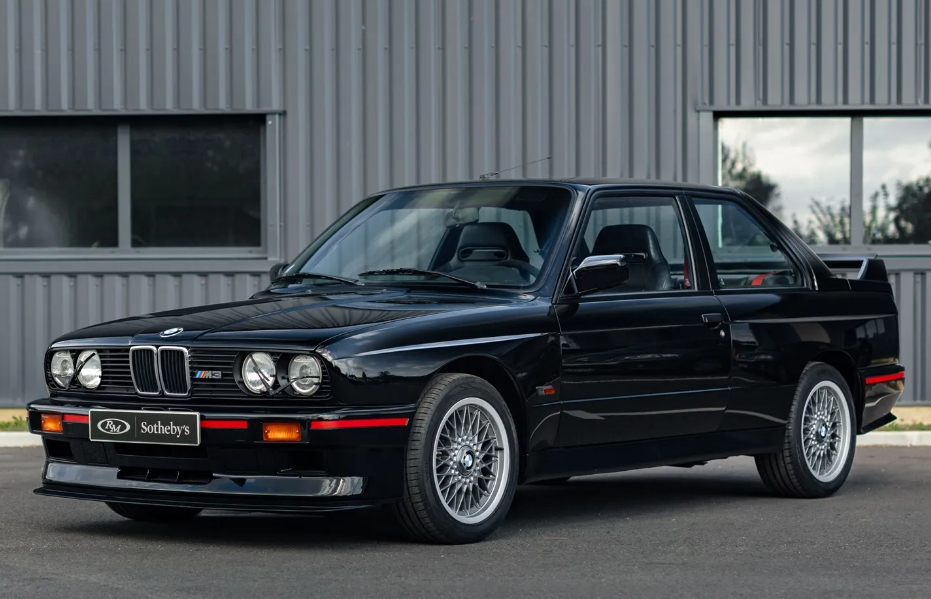
The first BMW M3 was built on the company’s E30-generation chassis, and it was only offered as a two-door coupe (or a relatively rare convertible). BMW also used it as a springboard into DTM in Germany, and thus a few homologation models were developed.
There were two “Evolution” models introduced in the late 1980s that saw power increases. Then came 1990’s Sport Evolution model, which was the final – and top – model in the E30 M3 family. This one is titled as a 1992, which is probably when it was first registered. But all Sport Evos were built in a four-month span ending in March 1990. Just 600 were produced.
While the standard M3 (and first two Evos) had 2.3-liter engines, the Sport Evolution is powered by a 2.5-liter inline-four that made 235 horsepower. Sport Evos got a DTM-style rear wing and could’ve only been had in black or red. This one has an estimate of $195,000-$215,000. Click for more info here.
Offered by Bonhams | Abu Dhabi, UAE | November 25, 2023
Photo – Bonhams
Well, F1 cars don’t come much more famous or significant than this. Bonhams has littered their listing with superlatives and a lot of words, so let’s try to distill it down a bit. The Type 79 was developed in late 1977 and would debut midway through 1978, dominating and being carried over for the 1979 season as well.
The car was advanced for its time, with the aerodynamics taking advantage of “ground effects”, sucking the car to the road in the corners. It’s powered by a 3.0-liter Ford-Cosworth DFV V8 that made about 475 horsepower. The competition history for this chassis, 79/4, includes:
1978 Dutch Grand Prix – 1st (with Mario Andretti)
1978 Italian Grand Prix – 6th (with Andretti)
1978 Canadian Grand Prix – 8th (with Andretti)
1979 Argentine Grand Prix – 5th (with Andretti)
1979 Brazilian Grand Prix – 23rd, DNF (with Andretti)
1979 French Grand Prix – 13th (with Carlos Reutemann)
1979 British Grand Prix – 23rd, DNF (with Andretti)
1979 Austrian Grand Prix – 18th, DNF (with Reutemann)
1979 Dutch Grand Prix – 22nd, DNF (with Reutemann)
1979 Italian Grand Prix – 7th (with Reutemann)
A few other notes. For 1978, the team ran the cars in the John Player Special livery, but the 1979 paint scheme was Martini. This car was also used in Mario Andretti’s 1978 championship season (in which he won the driver’s championship and Lotus the constructor’s).
Lotus kept the car until selling it in 1983. It suffered a big crash in a vintage event in 1989. Later rebuilt, the car changed hands next in 1999, when the current owner bought it. This car has an estimate of $6,500,000-$9,500,000 – the high end of which is short of RM’s low estimate on their modern Mercedes F1 car. Which seems backwards. Click here for more info.
Offered by Mecum | Las Vegas, Nevada | November 9-11, 2023
Photo – Mecum
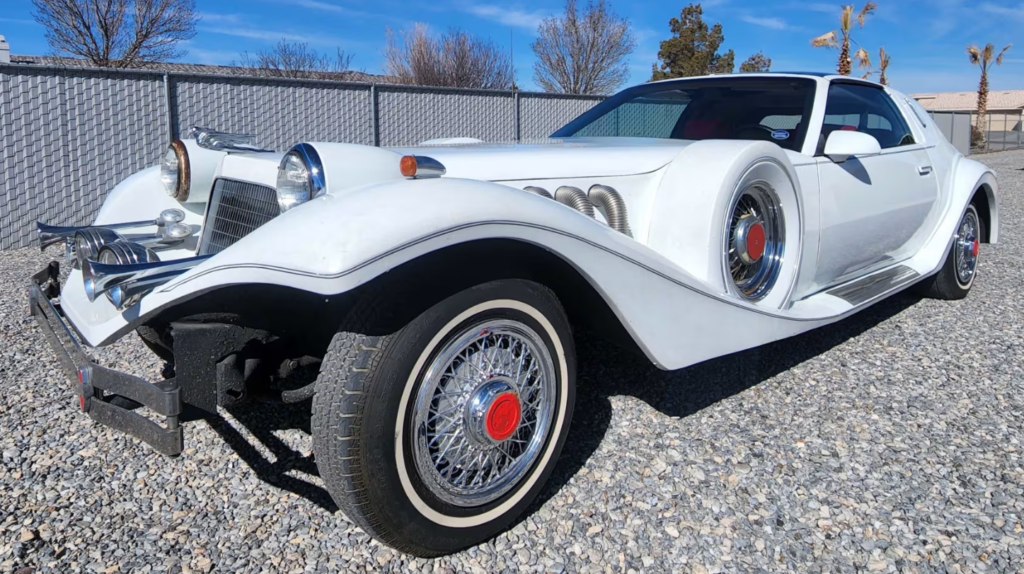
The Johnson Phantom is a lesser-known neo-classic from the 1990s. In the vein of Zimmers and Excaliburs, the Johnson is one of quite a few other such cars offered, like the Tiffany or the Spartan.
The Johnson Motor Car Company was based in Dania Beach, Florida. Why were so many of these companies based in Florida? The Phantom is based on the third-generation Camaro (think, IROC-Z), and this one is powered by a 5.0-liter V8.
If you look at the greenhouse on most of these neo-classics, you can usually see the base car from the A-pillar and door profile. This one sure looks Camaro-ish. About 60 of these were built, and this one will sell at no reserve. More can be found here.
Offered by Osenat | Lyon, France | November 12, 2023
Photo – Osenat
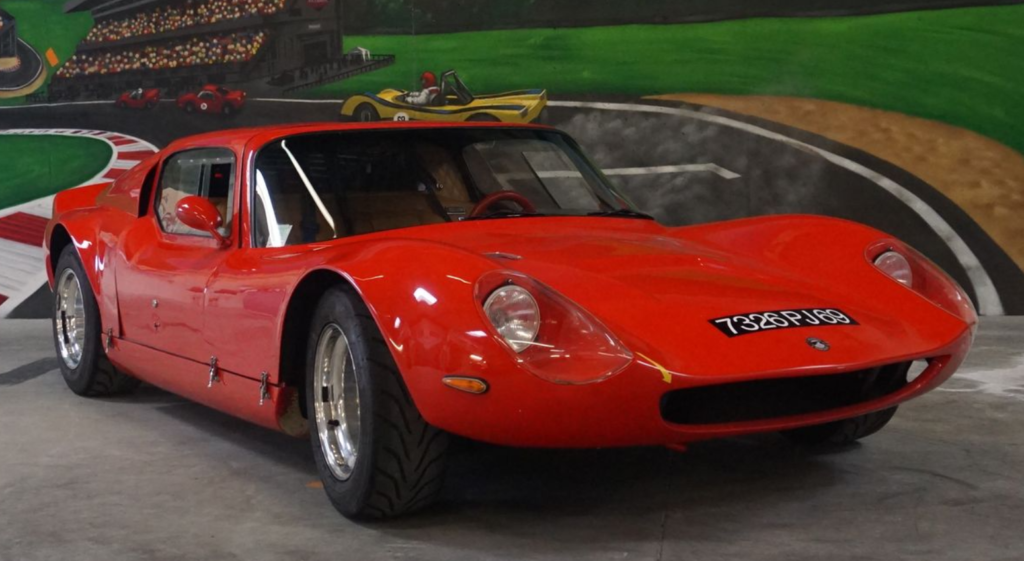
The André Marcadier and Marcel Fournier partnership produced some interesting cars. First there was the Barquette, which was an open-top race car, which was also France’s first kit car. The Barzoi, which was introduced in 1965, was kind of a coupe version of the Barquette.
It has gullwing doors and a fiberglass body. Various engines could be fitted as they were sold as kits, and this one has a Renault 8 Gordini inline-four (displacement unknown). Output is estimated at 150 horsepower.
This car was discovered by its owner still in kit form and subsequently completed in 1990. It’s since been used on various European rallies. Fournier-Marcadier followed up later with a Barzoi 2, which looks more like a spaceship than a sequel to this sporty little thing. The estimate here is $32,000-$42,000. Click here for more.