Ferrari 166 MM

1950 Ferrari 166 MM Barchetta by Touring

Offered by RM Sotheby’s | Amelia Island, Florida | March 11, 2017

Photo Courtesy of RM Sotheby’s

You’re looking at one of the earliest Ferraris. The 166 MM was one of the first Ferrari models – produced after only the 125 S, 159 S, 166 S, and the 166 Inter. The “MM” stood for “Mille Miglia”, the famous Italian road race that Ferrari won (actually finished 1-2) in 1949 with cars similar to this.

The cars are powered by a 2.0-liter V-12 making 140 horsepower. The Barchetta body is by Touring and, of Touring’s 25 Barchettas, this is #23. Only 32 166 MMs were built in total. One of the first owners of this car was a racing driver. And he took it racing. The competition history for this chassis includes:

  • 1951 Mille Miglia – 6th in class (with Eugenio Castelotti and Giuseppe Rota)
  • 1953 Mille Miglia – DNF (with Ambrogio Arosio and Italo Di Giuseppe)

In early 1954, the car was already owned by someone else and racing hard in the United States. It’s been a respected car in the collector community pretty much since, winning awards at Pebble Beach as early as 1979. It’s Ferrari Classiche certified and retains all of its major original components. A Ferrari 166 is a hard to come by, but must-have for any serious collector. This is a great example and it’s expected to bring between $8,000,000-$10,000,000. Click here for more info and here for the rest of RM Sotheby’s lineup.

Update: Not sold.
ReVere Touring

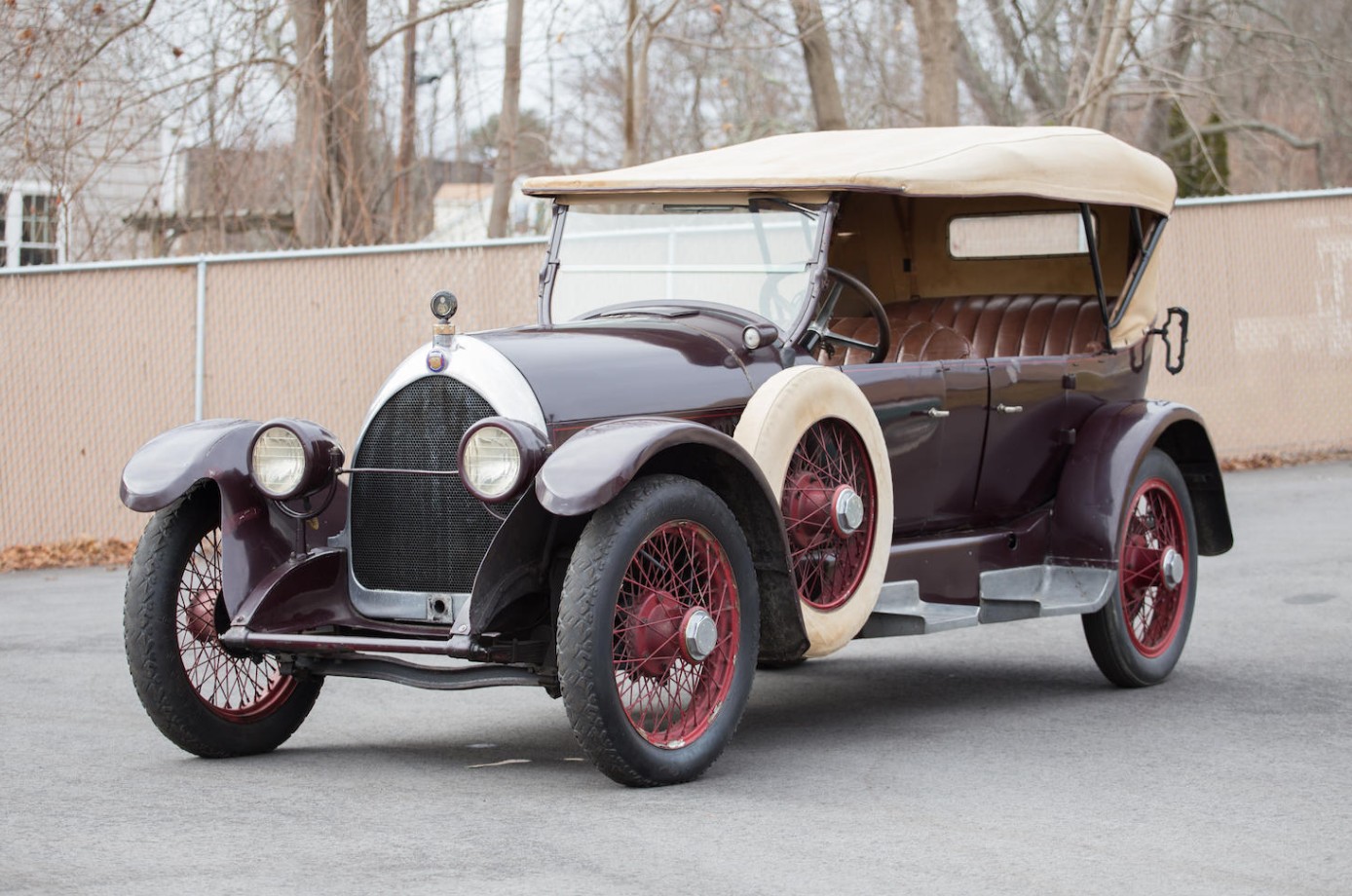
1920 ReVere Model A Four-Passenger Touring

Offered by Bonhams | Amelia Island, Florida | March 9, 2017

Photo – Bonhams

Named for Paul Revere, the ReVere Motor Car Corporation of Logansport, Indiana, was founded in 1918. It sprung up with a lot of fanfare and its chassis engineer was none other than Gil Andersen, the Norwegian-born pole sitter for the second running of the Indianapolis 500.

The first ReVere models were built in 1919 and the 1920 models were exactly the same. The Model A featured a marvelous engine from Duesenberg. It’s a 5.9-liter straight-four making 106 horsepower. It is touted as the most powerful American car of its day. The body is aluminium – it was made to go fast. And why wouldn’t it? It had three keys of speed going for it: an engine designed by the Duesenberg brothers, a factory within an hours drive of Indianapolis, and two race car drivers on the development payroll. Demonstration runs in the cars were performed by Cannonball Baker.

Unfortunately, the people at the top of the managerial heap at ReVere were more interested in robbing investors. The company was more or less a front to sell stock and rip people off. It worked and they raised a lot of money – but only built a few cars. The company was shut down in 1922 and one of the early founders (Adolph Monsen) tried to relaunch it, but ReVere was gone for good after 1926.

It is believed that only six ReVere automobiles exist today. Despite being run by con artists, the company managed to build great cars. This one is mostly original and does run and drive. It should bring between $125,000-$175,000. Click here for more info and here for more from Bonhams.

Update: Sold $137,500.

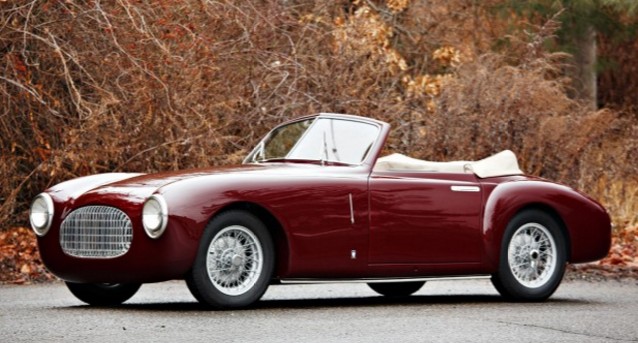
Cisitalia 202 SC

1947 Cisitalia 202 SC Cabriolet by Vignale

Offered by Gooding & Company | Amelia Island, Florida | March 10, 2017

Photo – Gooding & Company

From 25 feet (or, you know, in photos), this Cisitalia might look like any number of postwar sports cars. But it’s coachbuilt – by Vignale, no less – and the details on this car are fantastic.

The 202 was Cisitalia’s main road car, introduced in 1947 and produced through 1952. There were some pretty exotic versions of it, including the CMM and the famed SMM Spider Nuvolari. It’s borderline blasphemous to call any Cisitalia “pedestrian” but I think the attractive yet subdued styling on this Cabriolet, coupled with the fact that it lacks any real racing pretensions, is what makes it special.

This car is powered by a 63 horsepower, 1.1-liter straight-four. Coupes came first, but the Cabriolet is rarer, with only about 60 built (of a total 202 production run of 170 cars). This example was discovered in Argentina before coming stateside in 2003. The restoration dates all the way back to 2016 and the chassis number is an early one. It is expected to bring between $525,000-$625,000. Click here for more info and here for the rest of Gooding’s Amelia Island lineup.

Update: Sold $550,000.

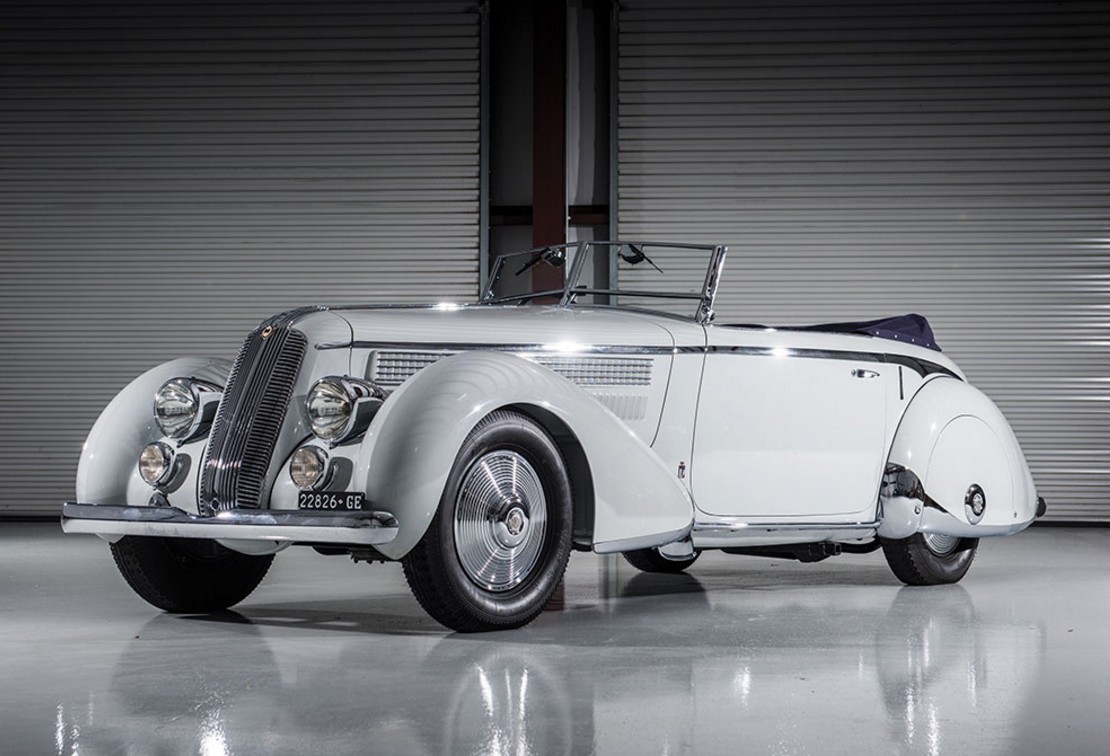
Tipo Bocca Astura

1936 Lancia Astura Series III Tipo Bocca Cabriolet by Pinin Farina

Offered by RM Sotheby’s | Amelia Island, Florida | March 10, 2017

Photo Courtesy of RM Sotheby’s

The Astura was Lancia’s large car, built between 1931 and 1939. While production overlapped with the Dilambda that the Astura was to replace, it was Lancia’s flagship car and the competitor to the big Alfa Romeos, Delehayes (and the like) of the era. Built in three series, this Series III car is one of 1,243 examples built between 1933 and 1937. It was the most popular series.

The Series III was powered by an 82 horsepower 3.0-liter V-8. While power seems a little light (it was), the car was relatively light as well, with Lancia suggesting that external coachbuilders keep the coachwork to a specific weight. Coachbuilt Asturas are pretty cars, this one being no exception. Pinin Farina’s sleek design was every bit as stylish as the cars coming out of France in the mid-1930s. Also, it has a power top. How many cars from 1936 can say that?

This is one of 328 short wheelbase Series III Asturas built. It is also one of six “Tipo Bocca” (as Pinin Farina called them) Cabriolets built for one specific Lancia dealer in Italy (these six were split between short and long wheelbase chassis). The car made its way to America in 1947 and the current owner acquired it in 2011. It was exquisitely restored thereafter and won awards at both Amelia Island and Villa d’Este. And rightfully so – it’s gorgeous. Price when new? A not insignificant $4,200. Price today? An even less insignificant $2,000,000-$2,600,000. Click here for more info and here fore more from this sale.

Update: Sold $2,145,000.

Update: Sold, RM Sotheby’s Monterey 2022, $1,380,000.

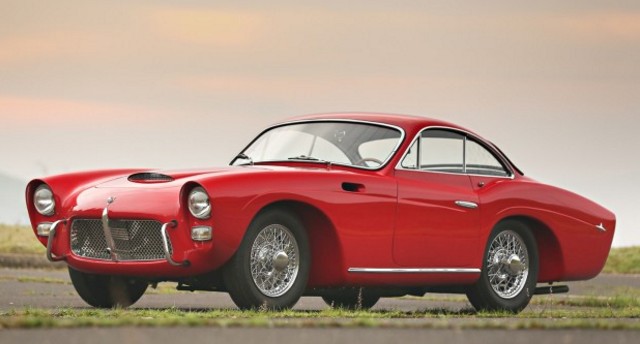
Pegaso Coupe by Saoutchik

1955 Pegaso Z-102 Series II Coupe by Saoutchik

Offered by Gooding & Company | Amelia Island, Florida | March 10, 2017

Photo – Gooding & Company

The Z-102 from Spanish manufacturer Pegaso is the most exotic car to come out of post-WWII Spain. The cars were built in Barcelona, but bodied by some of Europe’s finest coachbuilders, in this case by Saoutchik of Paris.

This Z-102 is powered by a 2.8-liter V-8 producing 170 horsepower. This Saoutchik Coupe was one of seven built (there was also a Cabriolet). It’s one of the most striking designs of 1950s sports cars – at the same time sexy and aggressive.

Sold new in Paris, it was later owned by Bill Harrah and in 2002 came into the possession of the Imperial Palace Collection. It’s second restoration was completed in 2008. Only 84 Z-102s were built and each one is highly sought after. Costing approximately $17,000 when new, this car should bring between $600,000-$800,000. Click here for more info and here for more from this sale.

Update: Not sold.

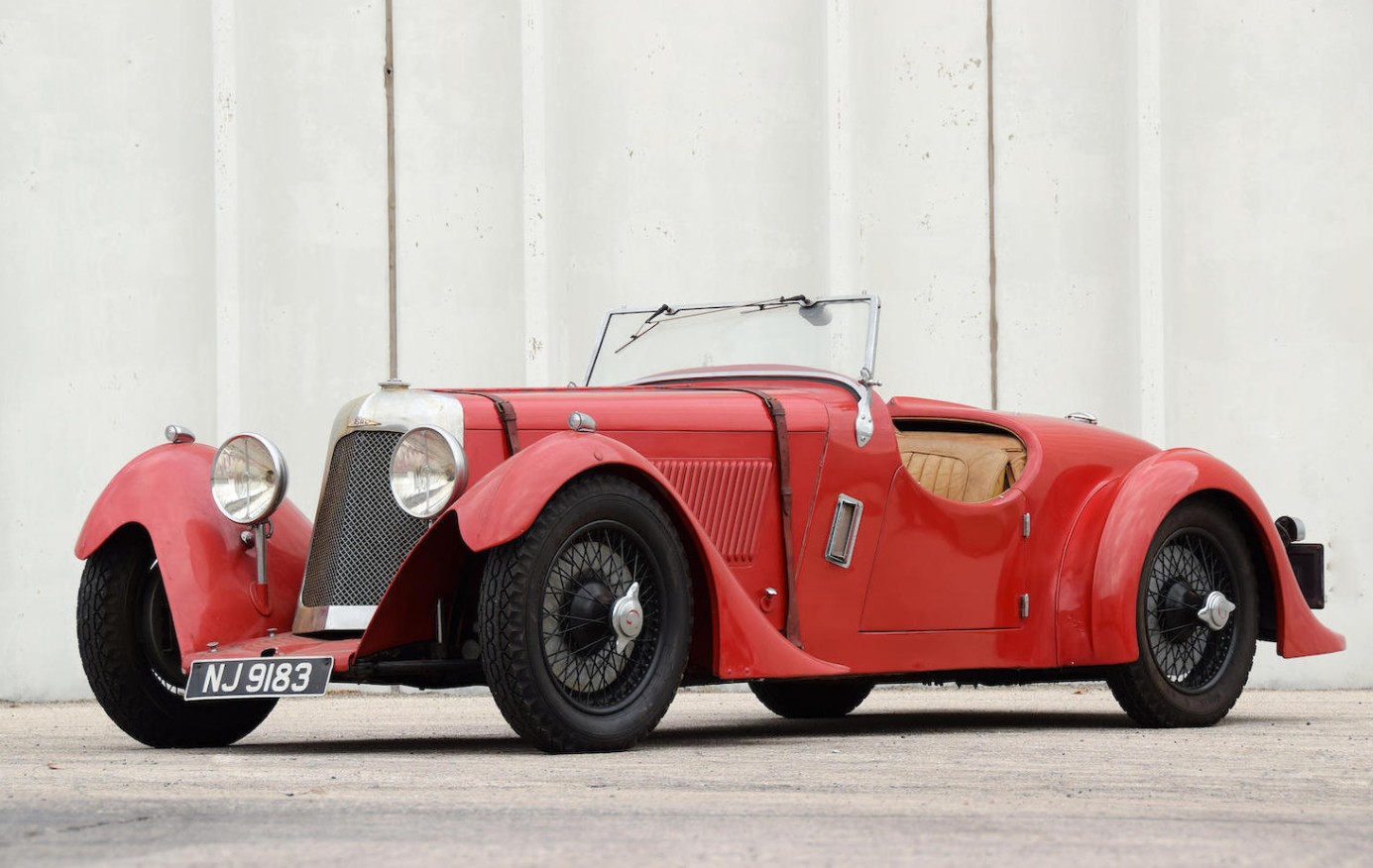
Godsal Sports

1935 Godsal Sports Tourer by Corsica

Offered by Bonhams | Amelia Island, Florida | March 9, 2017

Photo – Bonhams

Charles Godsal was the son of an inventor and in 1930s Britain, he decided to put some of that inherited mechanical know-how to work and designed his very own automobile. The final product would cost him over £3,000 but would result in a well engineered, stylish sports car.

He built his own chassis and got the rear end from Bentley. For the engine, he took an 85 horsepower, 3.6-liter Ford Flathead V-8. The body was done by Corsica of London and the car itself was actually constructed by a London-based company and not by Godsal himself. Unfortunately, as well-built as the car may have been, Godsal was unable to raise any funding to begin production, so only this prototype was ever built.

He sold the car to a friend and its history from that point on is unknown until it appeared in a movie in 1969. A man in England purchased the car in 1977 but at that point, no one knew what it really was. Luckily for us, he did the research and it’s here still today. The next owner acquired it later that year and had it in storage in the U.S. for the past 24 years. It’s mostly original and should bring between $225,000-$275,000. Click here for more info and here for the rest of Bonhams auction lineup.

Update: Sold $214,500.

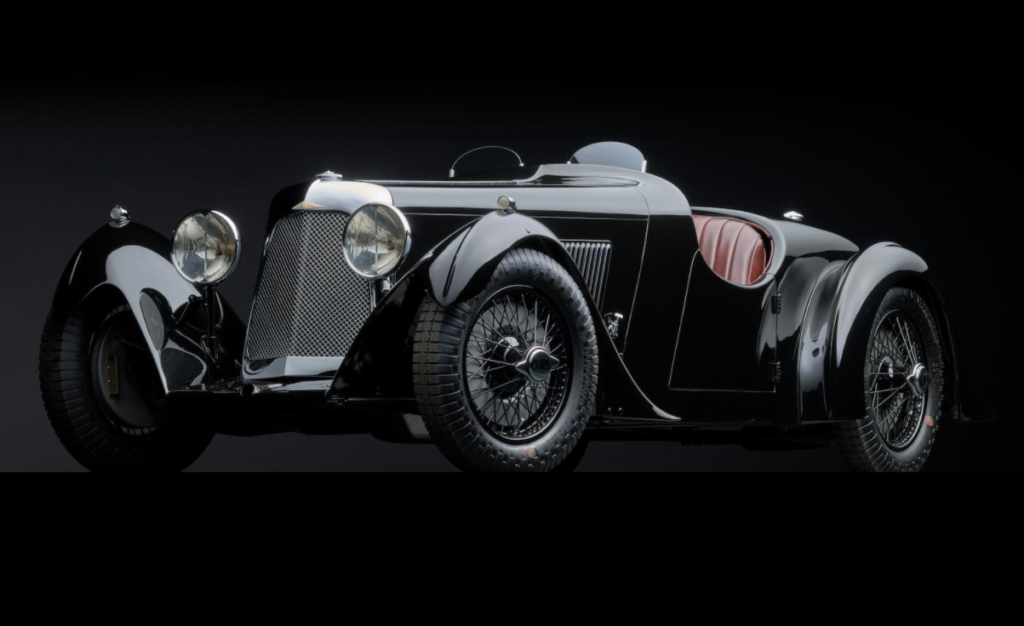
Update: Sold, Bonhams Amelia Island 2021 for an unknown amount. Probably so some dealer can mark it up and try to rip off the next guy. Oh, and below is a poorly-lit photo of the restored black car on a black background.

Photo – Bonhams

Mazda 767

1989 Mazda 767B

Offered by Gooding & Company | Amelia Island, Florida | March 10, 2017

Photo – Gooding & Company

No, this is not the Le Mans-winning Mazda 787B. This is the model of IMSA GTP class racing car that came before it. Mazda’s program actually started with the 717C in 1983 and a couple of iterations later, the car you see above was built. The 767 was built by Mazdaspeed for the 1988 season and then it was updated to 767B spec for 1989.

This car, sporting the perfect orange and green livery, is powered by a 2.6-liter 4-rotor Wankel that makes an insane 630 horsepower. It is one of three built and was a Mazda factory race car. It’s competition history includes:

  • 1989 24 Hours of Le Mans – 12th (with Yojiro Terada, Marc Duez, & Volker Weidler)
  • 1990 24 Hours of Le Mans – 20th (with Terada, Takashi Yorino, & Yoshimi Katayama)

Mazda sold the car in 1991 to a privateer who continued to campaign it through 1992. The next owner acquired it in 2003 and the current owner bought it in 2013. It has been restored and comes with the body work from Le Mans in 1989. It’s an extremely rare prototype race car, a direct ancestor of a Le Mans-winning racer. Gooding & Co. estimate that it will bring between $1,800,000-$2,400,000. Click here for more info and here for more from this sale.

Update: Sold $1,750,000.

The First Volga

1962 GAZ M-21 Volga Series 2

Offered by Brightwells | Leominster, U.K. | March 8, 2017

Photo – Brightwells

This Russian sedan – that looks like an American sedan from the 1950s – was built in 1962 by Gorkovsky Avtomobilny Zavod. It was the first such car to carry the “Volga” name – a model that GAZ would continue to produce in many forms through 2010 (though the last of which was a re-badged Chrysler Sebring). The first body style was built in three subtly different series between 1956 and 1970.

This Series 2 car is powered by a 2.4-liter straight-four making 75 horsepower. The M-21 wasn’t quite as nice as other GAZ cars, but they were extremely reliable – which is what the frigid, cracked roads of the Soviet Union required. This was an export model (thus it had slightly more power than the home market version) and it was sold new in the U.K.

The car was purchased by its most recent owner (now deceased) in 1996 and was restored as needed. The light blue paint is quite cheery considering this car was built behind the Iron Curtain. It is roadworthy and comes with a large set of spares. It should sell for between $4,300-$5,600. Click here for more info.

Update: Sold $4,619.

Microplas Mistral

1967 Microplas Mistral

Offered by Historics at Brooklands | March 4, 2017

Photo – Historics at Brooklands

Imagine if you and a group of your car-loving friends decided to start building your own car because one of your friends’ family was big into the fiberglass business? Well that’s pretty much exactly how it went down for Microplas Ltd. In 1954, six members of a British car club formed a company that built shells to turn ordinary British cars into sports cars.

The first model was designed for the Austin Seven. The second car the company introduced was a roadster called the Mistral. It was a popular body style and a number of different companies marketed the body under various names. The Mistral, introduced in 1955, was intended for the Ford Ten, but the car you see here is based around the chassis of a Triumph TR3. And it has an engine from a TR4, which is a 2.1-liter straight-four which put out 105 horsepower when new.

The car was put together in the late 1960s and the fact that it is based on a Triumph is good news for anyone who has to work on it as parts are readily available. It’s an all-original car – a popular kit that is rarely seen today – and it should bring between $12,500-$19,000. Click here for more info and here for more from this sale.

Update: Not sold.

Jaguar XKSS

1957 Jaguar XKSS

Offered by Gooding & Company | Amelia Island, Florida | March 10, 2017

Photo – Gooding & Company

This is exciting. There are a few cars that we’ve never been able to feature on this site because, well, they just don’t trade hands often. Well now we get to cross one of the big ones off the list. A Jaguar XKSS hasn’t come up for public auction in quite a while. Last time one did, the market was markedly different.

The XKSS was Jaguar’s road-going variant of the legendary D-Type race car. What’s weird though, is that Jaguar built less road cars than racing cars. That’s because in 1956 Jaguar walked away from motorsport and still had 25 D-Types that they had yet to sell. So Sir William Lyons, the head of Jaguar during its golden years, realized he could make some serious money off of American buyers who were lusting after European sports cars.

With an as-new price of $6,900, Jaguar launched the roadster-only XKSS and planned to built 25 of them. But a fire broke out at the factory after only 16 had been completed. and that was it… until 2016 when Jaguar announced they would build, from scratch, the nine remaining cars to finally complete the 25 car run. While they will be exacting in their construction, the newer cars will never have the same appeal as the originals. This car features the correct 3.4-liter straight-six making 250 horsepower. Top speed is listed at 149 mph, with 60 arriving in 5.2 seconds – a time that is still respectable today.

Of the 16 built, 12 were sold new in the U.S. and some of them, this car included, saw track time in their day. It has known ownership history from new and has been in the possession of the consignor since 2000. The restoration is glorious.

It could be another decade before another XKSS comes up for sale, as most of them are locked away in long term collections. It’s a legendary road car – and one of the rarest and most sought after cars of any marque. It certainly tops the list of nearly every Jaguar collector as  the must-have Jag. Gooding and Company isn’t shy about what they think it will bring, slapping an estimate of $16,000,000-$18,000,000 on it. Click here for more info and here for more from this sale.

Update: Not sold, high bid of $11,900,000.