440 Max Wedge Lightweight

1964 Dodge 440 Max Wedge Lightweight

Offered by Mecum | Kissimmee, Florida | January 6-15, 2017
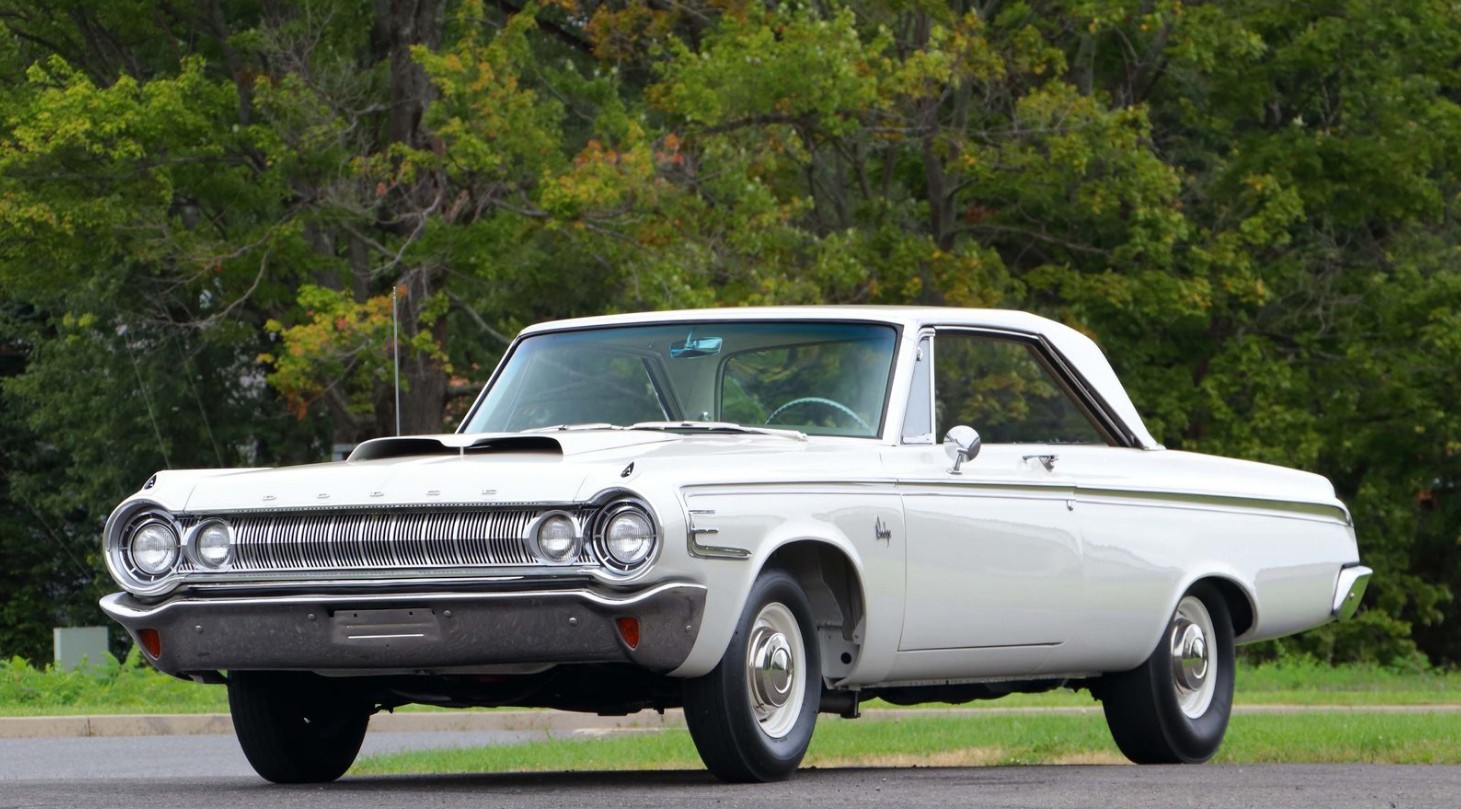
Photo – Mecum

The 440 was a trim-line on the 1962 Dodge Dart and for 1963 and 1964 it became its own full-size Dodge. Five body styles were offered and this two-door hardtop coupe will actually seat six. It was a step up from the Dodge 330 but a step below the Dodge Polara.

The engine is a 425 horsepower, 7.0-liter Max Wedge V-8 and it’s also a factory Lightweight. It’s had unnecessary weight stripped out and lightweight panels added where appropriate. Coupled with the big engine, this was a drag strip beast. It’s one of only 10 such cars built and should bring between $200,000-$250,000. Click here for more info and here for more from this sale.

Update: Not sold, high bid of $140,000.
Falcon F7

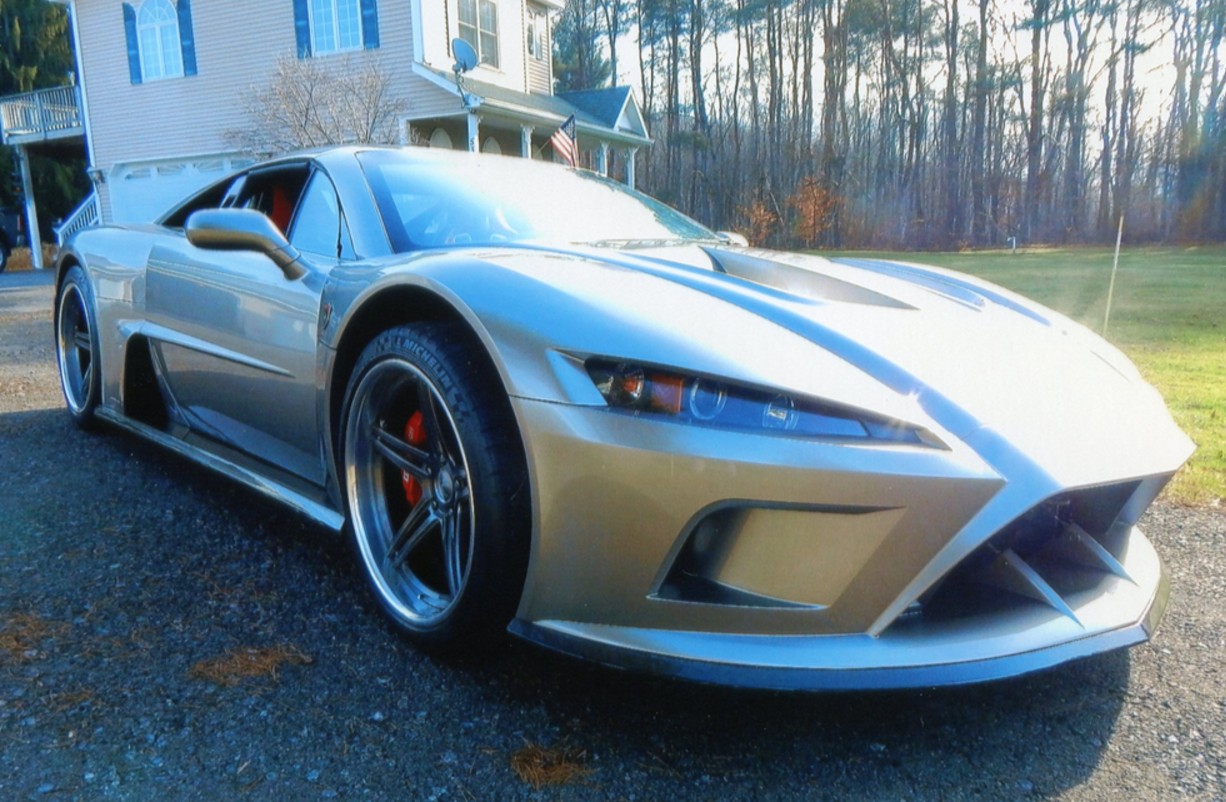
2012 Falcon F7

Offered by Barrett-Jackson | Scottsdale, Arizona | January 14-22, 2017

Photo - Barrett-Jackson

Photo – Barrett-Jackson

You may have never heard of the Falcon F7 or Holly, Michigan, based Falcon Motorsports, but they’ve done what a lot of start up supercar manufacturers struggle to do: actually build and sell a complete automobile. Founded by Jeff Lemke in 2009, Falcon showed the F7 for the first time at the 2012 Detroit Auto Show. That’s a pretty quick development process. It’s not a kit car either, this is a full on, hand-assembled supercar.

And, like most other start up supercar manufacturers that actually manage to get off the ground, the F7 uses parts and technology that other manufacturers have perfected. For instance, the engine is a 7.0-liter GM motor that has been fitted with a few Lingenfelter performance parts to generate 640 horsepower. That’s good enough for a sprint to 60 in 3.3 seconds and a top speed of about 190 mph.

The body is made of carbon fiber and Kevlar and they are wrapped around an aluminium and carbon fiber chassis. The thing certainly has supercar looks – and supercar rarity. As of 2015, the company has only built nine examples of the F7 (though it looks like they will still build you a new one if you want it). Total production is unlikely to ever surpass 25 units. When new, this car would’ve cost the owner about $250,000. Barrett-Jackson sold the first-ever F7 last year for $198,000. The car you see here is the second F7 built and should bring a similar amount. Click here for more info and here for more from this sale.

Update: Sold $148,500.

The New Pantera

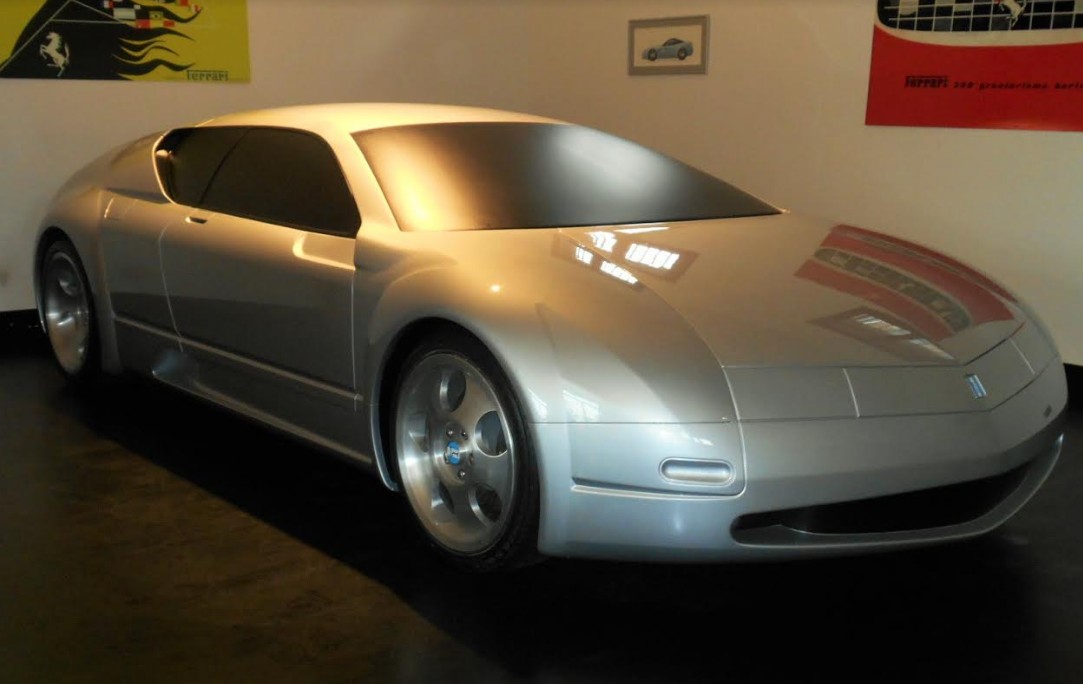
1999 De Tomaso Nuovo Pantera 2000 Concept

For Sale at Maranello Purosangue | Maranello, Italy

Photo – Maranello Purosangue

The Pantera is the car that Alejandro De Tomaso will always be remembered for. Styled by Ghia and powered by a series of big Ford V-8s, it was a raw combination of American muscle and Italian flair. It was an exotic you could buy at your local Lincoln-Mercury dealer in the U.S.

The car went out of production in 1992 after undergoing a slight restyle from Marcello Gandini, founder of Bertone. Gandini is responsible for great supercars like the Lamborghini Miura, Countach, Diablo, Bugatti EB110, and the Lancia Stratos. After the death of the Pantera, De Tomaso only managed to produce small batches of cars for the next decade and De Tomaso himself passed away in 2003.

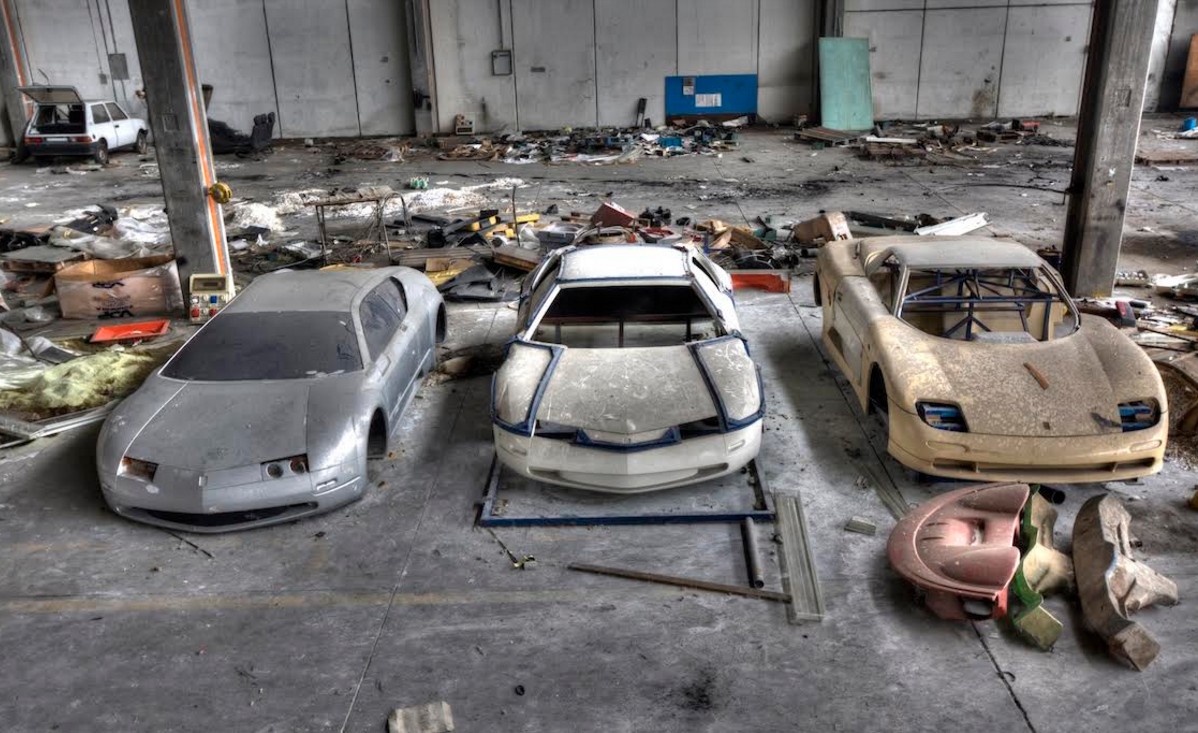
But the aura of the Pantera always lingered. So it was in 1999 that De Tomaso teamed up with Gandini to produce a new Pantera for the new millennium. The car was to celebrate 40 years of De Tomaso and it was presented near the end of 1999. It was a design study and is pure concept car. There’s no running gear or interior, but if you’re a collector that wants a piece of “automotive art” as the showpiece of your collection, look no further. This is currently for sale in Italy, and here’s a video of its exterior.

On an interesting note, here is what the car looked like before it was rescued:

Photo – Maranello Purosangue

Update: Sold, RM Sotheby’s, London 2017, $25,348.

Cord L-29 Cabriolet

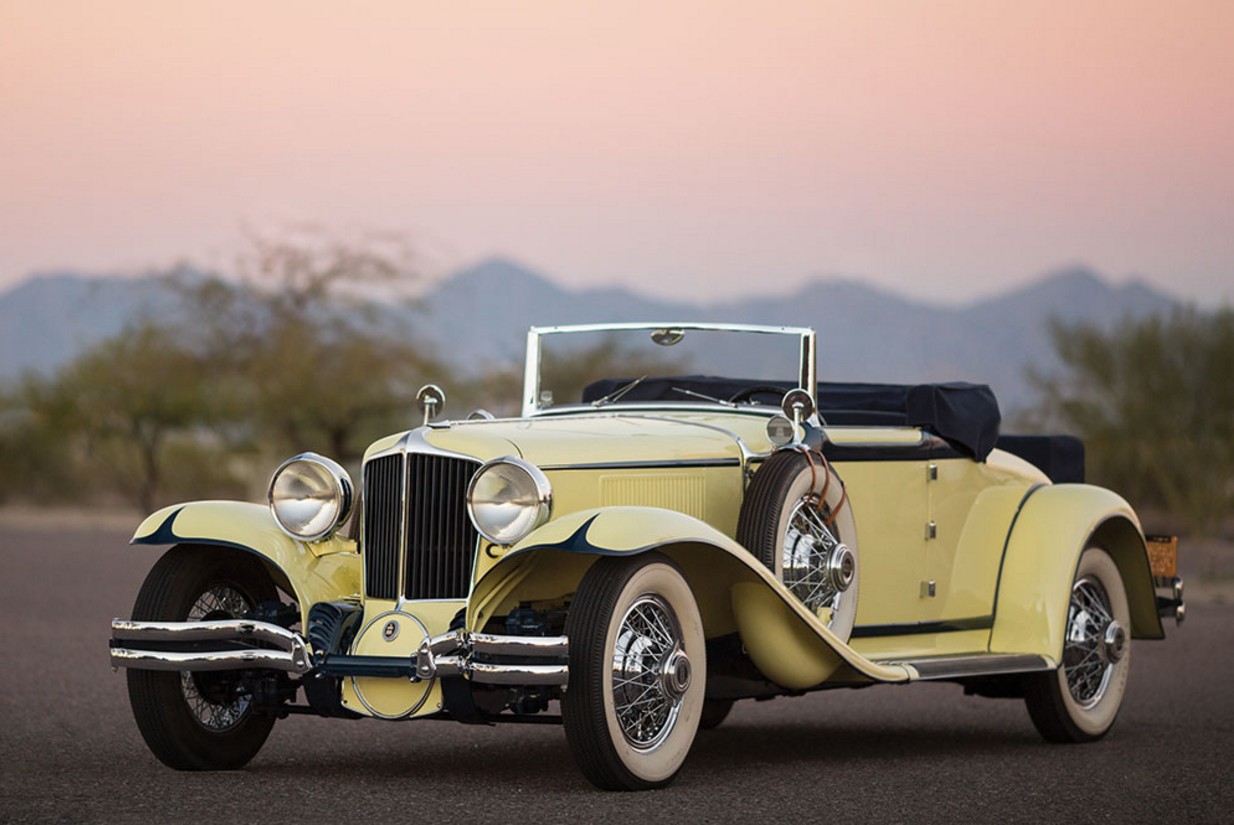
1932 Cord L-29 Cabriolet

Offered by RM Sotheby’s | Phoenix, Arizona | January 19-20, 2017

Photo Courtesy of RM Sotheby’s

1929 was a great year of E.L. Cord – well, at least the start of it. His Cord Corporation owned the Auburn, Cord, and Duesenberg marques. And he took them all upmarket, selling some of the nicest automobiles America had yet known. But then the economy tanked and his little empire fizzled out.

The first Cord-branded automobile was the front-wheel drive L-29, the first mass-produced front-wheel drive passenger automobile sold in the U.S. They were powered by a 125 horsepower 5.3-liter straight-eight from an Auburn. It was definitely underpowered, seeing as it’s sister marque, Duesenberg, was using a 265 horsepower engine for their car. What it lacked for in speed (top end was about 80 mph), it made up for in gorgeous looks. The Cabriolet (in this color at that) is the best-looking factory L-29 variant. The only thing that could make it better would be the addition of those skinny Woodlite headlights.

Only about 20 L-29 Cabriolets were built out of a total L-29 production run of around 4,400 cars and this is thought to be the last Cabriolet built, as the L-29 was only in production between 1929 and 1932. This example was restored years ago, but it still looks nice and has been with its current owner in Arizona for the last 15 years. Click here for more info and here for more from this sale.

Update: Sold $236,500.

340 America Competizione

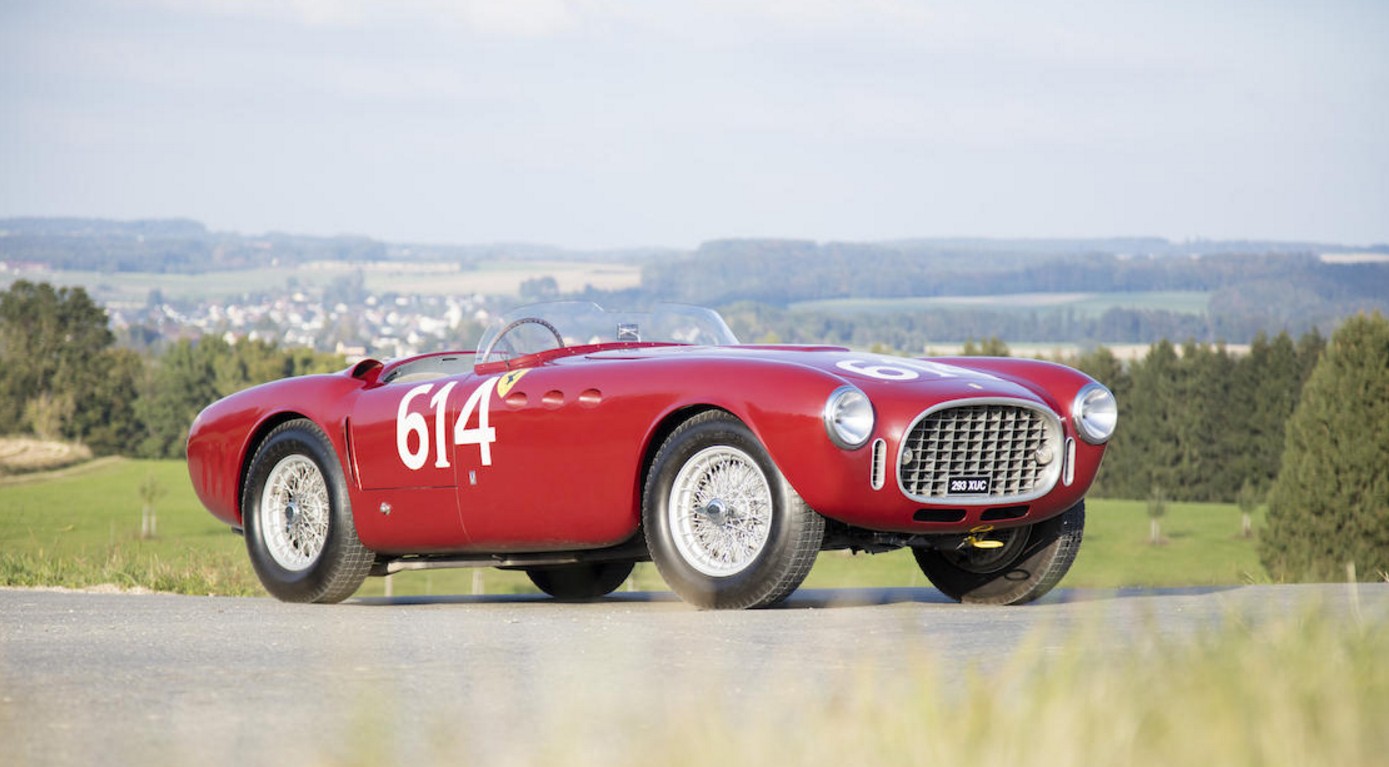
1952 Ferrari 340 America Spider Competizione by Vignale

Offered by Bonhams | Scottsdale, Arizona | January 19, 2017

Photo - Bonhams

Photo – Bonhams

The Ferrari 340 America was the first model of the Ferrari “America” cars which would reach their pinnacle in the 1960s with the Ferrari 400 Superamerica. They all wore bodies by either Ghia, Vignale or Touring. Built from 1950 through 1952, the 340 America would be replaced by the exceedingly rare 342 America.

This car is powered by a 4.1-liter V-12 making 280 horsepower. It’s stout and a performer. It was raced in period and by the factory. Its competition history includes:

  • 1952 Mille Miglia – DNF (with Piero Taruffi and Mario Vandelli)
  • 1952 24 Hours of Le Mans – 42nd, DNF (with Louis Rosier and Maurice Trintignant)

Only 22 examples of the 340 America were built – eight of which were sold as decked-out luxury tourers for the street. Of the remaining 14, only three were spec’d as Competizione models from Ferrari. This, car #17, is one of those cars (and it is also one of only four bodied as a Vignale Spider).

The consignor acquired the car in 2011 after it had passed through countless other owners. The restoration dates to 2000, but it’s been lovingly cared for and lightly used on the historic circuit – namely the historic running of the Mille Miglia. This former factory racer will bring big money when it crosses the block in January. Click here for more info and here for more from Bonhams.

Update: Sold $6,380,000.

A Brand New Isotta Fraschini

1924 Isotta Fraschini Tipo 8A Landaulet by Sala & Riva

Offered by RM Sotheby’s | Phoenix, Arizona | January 19-20, 2016

Photo - RM Sotheby's

Photo – RM Sotheby’s

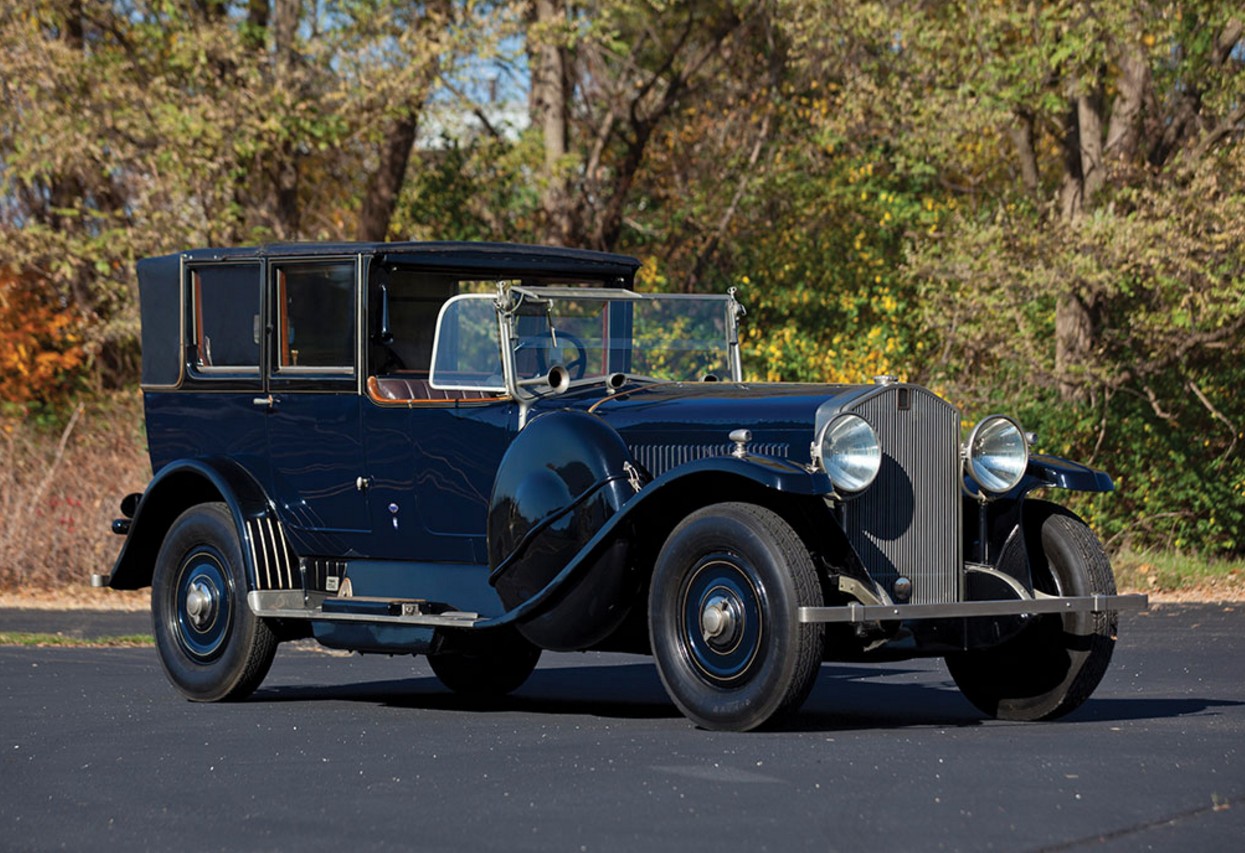
Isotta Fraschini built cars between 1900 and 1949 in Milan, Italy. When the 1920s came, Isotta jumped to the top of the heap as far as luxury manufacturers went. They were right there with Delage, Hispano-Suiza, and Voisin (among others) as the best Europe had to offer. They were so nice, that most were actually chauffeur-driven. In fact, so many were driven this way that Isotta offered drivers’ training in their large cars.

It is thought that this Tipo 8A, a car manufactured between 1924 and 1931, is the first example built (of 950 total). It was never known to have been sold and was instead used for chauffeur training. Once they were done with it, they parked it in a warehouse where it sat untouched until 1993 when the brand name was revived and sold to an Italian defense company.

That company came into possession of this car and sold it to someone in the U.S. in 2016. It has never been titled or registered, effectively making it a brand new car. The engine is a 110 horsepower 7.8-liter straight-eight and the body is by Cesare Sala with later updates by Carrozzeria Riva. This miraculously untouched, straight-off the factory floor Isotta Fraschini is being sold at auction to it’s first official owner. Click here for more unbelievable photos and here for more from this sale.

Update: Sold $434,500.

Update: Not sold, RM Sotheby’s Amelia Island 2019.

Update: Sold, RM Sotheby’s Paris 2020, $267,386.

Falcon Competition

1963 Falcon Competition Mk III

Offered by Russo & Steele | Scottsdale, Arizona | January 18-22, 2017

Photo - Russo & Steele

Photo – Russo & Steele

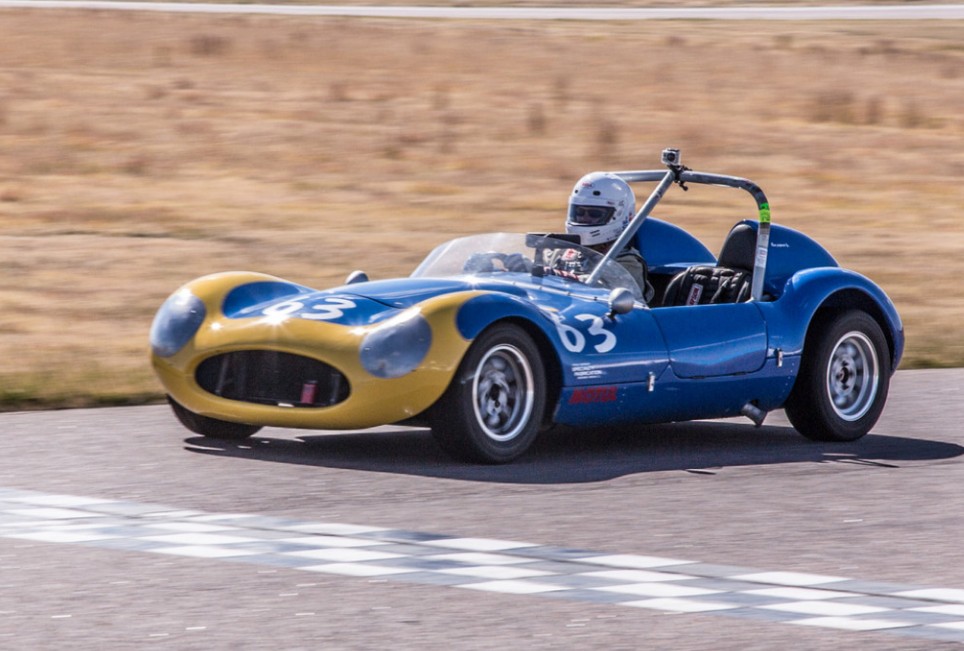
Peter Pellandine’s Falcon Shells (later, Falcon Cars) built kit cars and body shells for cars in England between 1956 and 1964. The first two models they offered were called the Mark 1 and Mark 2. The third car was called the Competition and the fourth car was introduced as the Mark III but sold as the Caribbean. What we have here is a Competition model, sometimes referred to as a Mark III because it was the third model the company built.

This sports racer was originally fitted with running gear from an MG A which has since been swapped out for a Ford Cortina’s 1.3-liter straight-four. The kit cost £560 when new and both a Ford engine and a chassis were included in that price. Or you could just buy the body shell.

This particular example has been active off and on in historic racing since 1994. It’s been recently prepped and is ready to run. It is described as the “last known” Falcon Competition “known to exist.” Either that means it is the only one left or it was the last one built… I’d lean toward the last one left. Either way, you can read more about it here and see more from Russo & Steele here.

Update: Not sold.

English Mechanic Steam Car

1903 English Mechanic Steam Car

For Sale at Thiesen Hamburg GmbH | Hamburg, Germany

Photo - Thiesen Hamburg GmbH

Photo – Thiesen Hamburg GmbH

There are always people who think outside of the box when it comes to automobiles and how to sell them. Right now there is a lot of talk about Tesla foregoing the traditional dealer model. Early on, cars like the Metz offered cars on installment plans – where they’d mail you the car piece by piece for home assembly. And then there is this, the so-called English Mechanic, which was never even a car company at all.

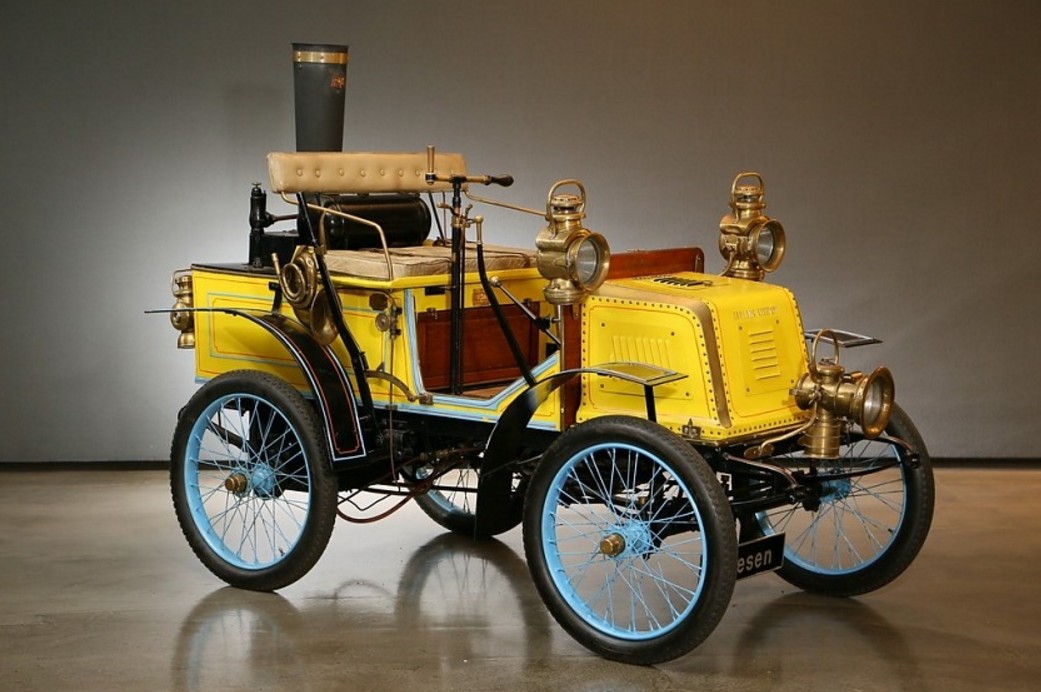
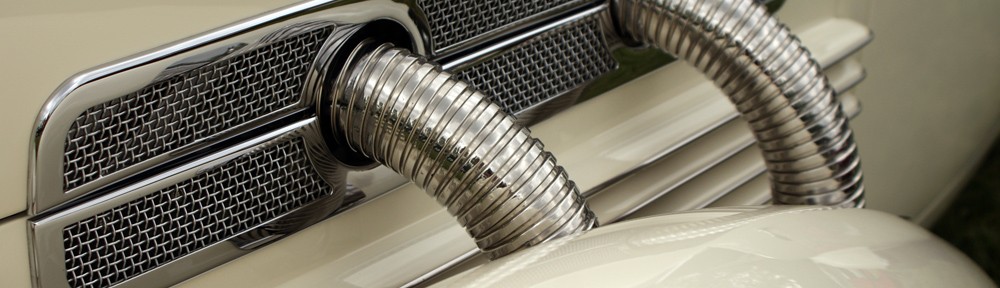
The English Mechanic and World of Science was a magazine produced in the U.K. between 1865 through 1926. In 1900, they had a series of articles about how to build a small car from scratch, including instructions on where to find parts you couldn’t (or didn’t want to) make yourself. Over the next nine years, they had instructions for five different models. And people did it.

In fact, four cars – collectively known as the English Mechanics due to their source, but not necessarily who built them – still survive. This example is the Steam Car model that uses a two-cylinder steam engine (and very locomotive-like exhaust). It’s sort of like the first kit car. No one knows who actually built it, but they’re certain the design came straight out of a magazine. It spent a lot of time in a museum and is currently for sale in Germany for about $72,000. Click here for more info.

1981 Stutz Sedan

1981 Stutz IV Porte

Offered by Auctionata | Berlin, Germany | December 15, 2016

Photo - Auctionata

Photo – Auctionata

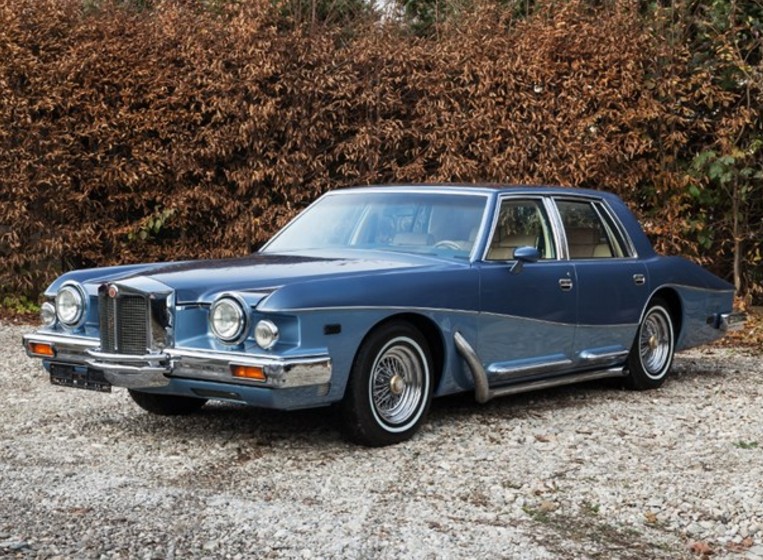
Harry C. Stutz changed the name of the Ideal Motor Company to the Stutz Motor Company in 1912 (after just one year). They built some of America’s best cars in the 1920s and into the 30s but the company closed their doors in 1935. In 1968, the Stutz name was resurrected by James O’Donnell to build a great new design by Virgil Exner.

The first cars were two-door coupes and convertibles. They began production of a sedan in 1979 called the IV Porte (four door). It was based on the Pontiac Bonneville/Oldsmobile 88 Royale of the era and this car is powered by a 165 horsepower 5.7-liter V-8. Production of the IV Porte stopped in 1981 and was succeeded by the Stutz Victoria.

Only about 50 of this model were ever built. This example has only covered about 2,600 miles and was in a German museum for 30 years. It has a partially gold plated interior, side exhaust and rear mounted spare. These are very distinctive cars and somewhat collectible. The bidding starts at $42,500. Click here for more info and here for more from this sale.

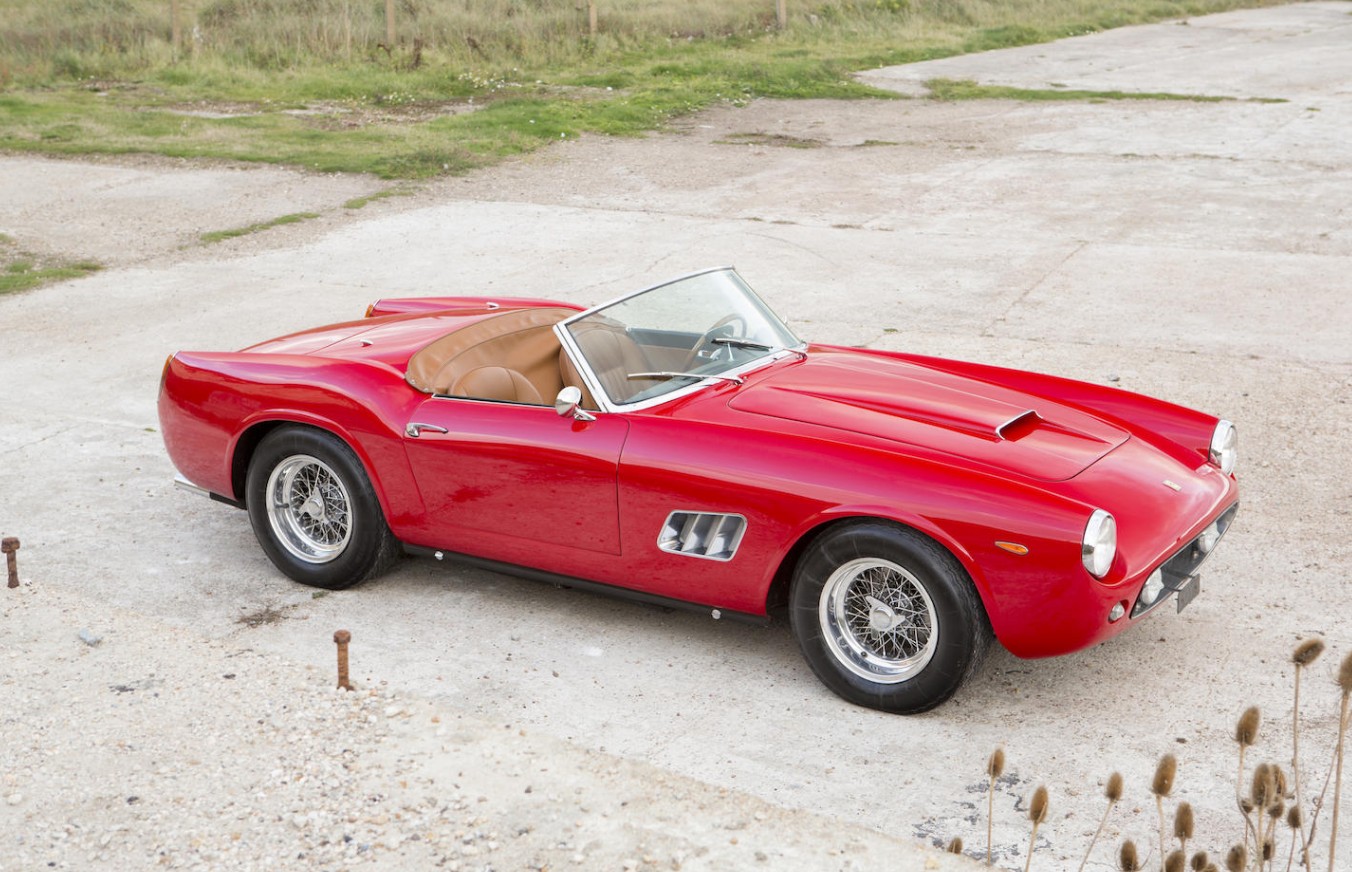
SWB California Spider

1960 Ferrari 250 GT SWB California Spider

Offered by Bonhams | Scottsdale, Arizona | January 19, 2017

Photo - Bonhams

Photo – Bonhams

The California Spider is one of the most sought-after road-going Ferraris. Prices have stair-stepped up in recent years from $4 million to $11 million and on up to the $15-$17 million range. The 250 series has a long and varied model history, but the GT cars started in 1954 and the long-wheelbase California Spider was built between 1957 and 1959.

The short-wheelbase version debuted in 1960 and was built through 1961. It is powered by a 3.0-liter SOHC V-12 making 280 horsepower. In addition to a shorter wheelbase, the cars also sported revised suspensions, brakes, and engine internals. Visually, the SWB cars did not depart much from the LWB version, but they are a little more aggressive-looking. The car you see here lacks a chromed front bumper, as it was removed by the owner of the car in the late 1960s.

Prior to being exported to America in 1968 this car was used in an Italian film. The current owner has had it since 2006 and stands to make quite a nice profit off of it at auction. Only 56 SWB California Spiders were built and they are usually the more expensive version of the ultimate drop-top 250 GT. Look for a price in excess of $10 million in January. Click here for more info and here for more from this sale.

Update: Not sold.