320 Cabriolet F

1942 Mercedes-Benz 320 Cabriolet F

Offered by RM Sotheby’s | Paris, France | February 7, 2018
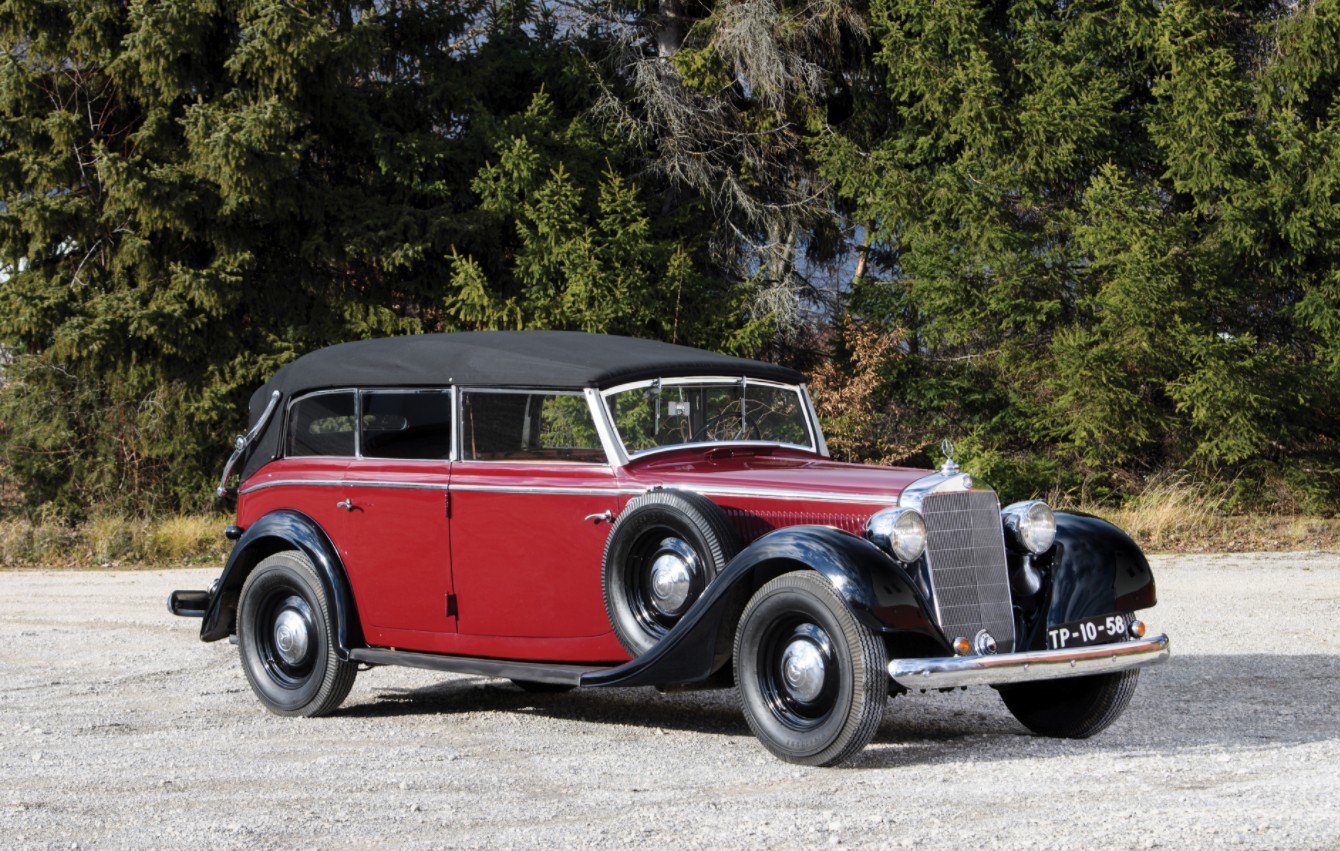
Photo Courtesy of RM Sotheby’s

This wartime Mercedes-Benz might look big and imposing (and it is), not unlike a certain other large Mercedes touring sedan we recently featured, but it is, in fact, the smaller 320 model (W142, in internal MB-speak). The 320 was the replacement for the 290, which it took over duties for in 1937. It lasted through 1942, when Germany was forced to focus all of its production might on military needs.

The 320 was offered in two wheelbases, short and long. This is a long wheelbase car and it could’ve been had with a variety of bodywork, including bodies from outside coachbuilders. The base model was a four-door limousine, but there were four convertible versions offered from in-house coachbuilder Sindelfingen as well: Cabriolets A, B, D, and this, the seven-seater Pullman Cabriolet F.

The other thing this car has going for it is that it is equipped with the optional (beginning in 1938) engine with increased cylinder bore. It’s a 3.4-liter straight-six that makes 77 horsepower (which is actually the same rating the smaller, standard engine offered). This car, which looks very much like an Indiana Jones chase vehicle, has an older restoration. Mercedes pushed out 7,017 320s in total and I’m not sure how many carried this rare body style. It should bring between $130,000-$155,000. Click here for more info and here for more from this sale.

Update: Sold $197,262
Kaiser Dragon

1953 Kaiser Dragon

Offered by Gooding & Company | Scottsdale, Arizona | January 19, 2018

Photo – Gooding & Company

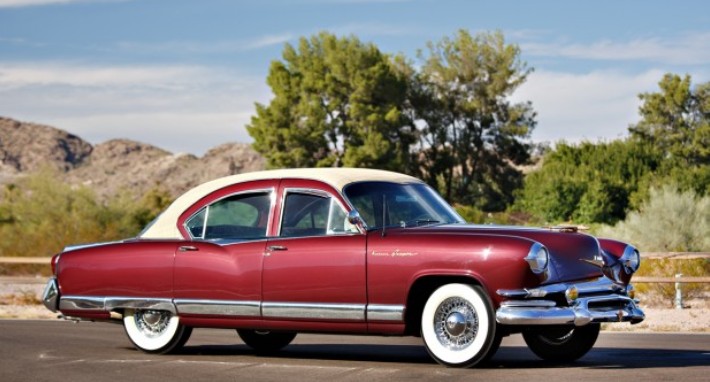
The Dragon was originally a trim level offered on 1951 Kaiser cars. Basically, they were cars equipped with faux-alligator skin interior (called “dragon skin” so no one got the impression that it was real alligator) and thick carpeting. In 1953, Kaiser, decided to build a top-shelf car also called the Dragon.

The 1953 Dragons were well-equipped and aimed at the top of the market. They were marketed as “safety” cars with featured like padded dashboards and pop-out windshields. They also had an electric clock, radio, gold-plated exterior nameplates and power steering. They were more expensive (at $3,924) than both a Buick Roadmaster and a Cadillac Series 62. Sales weren’t great because, while well-equipped, when compared with their more-expensive competition, they seriously lagged in the motor department. The Dragon is powered by a 118 horsepower, 3.6-liter straight-six. The Buick had a V-8 and 70 more horsepower.

Only built for 1953, Kaiser managed to move only 1,277 Dragons. The car is well-styled and definitely has standout looks. The vinyl top even looks like bamboo. The restoration on this car dates to 1982, but it’s still in great shape and is completely usable, as it’s been well-preserved since. This example should bring between $70,000-$90,000. Click here for more info and here for more from this sale.

Update: Sold $37,400.

Ferrari 208 GTS Turbo

1985 Ferrari 208 GTS Turbo

Offered by Coys | Birmingham, U.K. | January 13, 2018

Photo – Coys

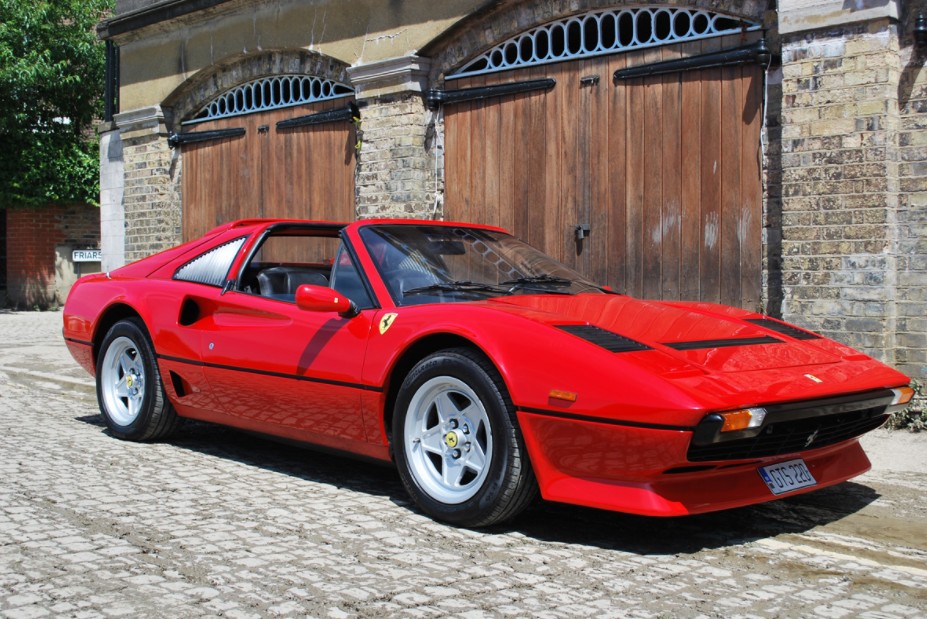
Let’s start with what we know: this looks like a Ferrari 308. Yes it does; the Ferrari 308 was a popular model in the 1980s and was, until very recently, a very affordable exotic, with prices dipping into the low $30k range about 10 years ago.

Because of the tax structure in Italy in 1980, Ferrari decided to build a 2.0-liter variant of the 308 for their home market (and for a few export markets as well). The 1980-1981 208 GTB/GTS was a very low-production model. In 1982, they strapped a turbocharger to it and the 208 GTB/GTS Turbo was born. These were available through 1985.

Powered by a turbocharged 2.0-liter V-8 making 217 horsepower, this was Ferrari’s first turbocharged road car. And it was a significant horsepower bump over the naturally-aspirated 208. In 1983, they brought out the targa version you see here. By 1985, this car was on the opposite end of the Ferrari spectrum from the 288 GTO.

Only 250 208 GTS Turbos were built, making it much rarer than it’s 308 cousin, which it shared nearly everything else besides the engine. This example was sold new in Malta and has been with the consignor for 17 years. It looks flawless and it you want something that looks “ordinary” (for a Ferrari) but is something actually much weirder rarer, then this is the car for you. It should bring between $53,500-$67,000. Click here for more info and here for more from this sale.

DB HBR5

1956 D.B. HBR5

Offered by Gooding & Company | Scottsdale, Arizona | January 20, 2018

Photo – Gooding & Company

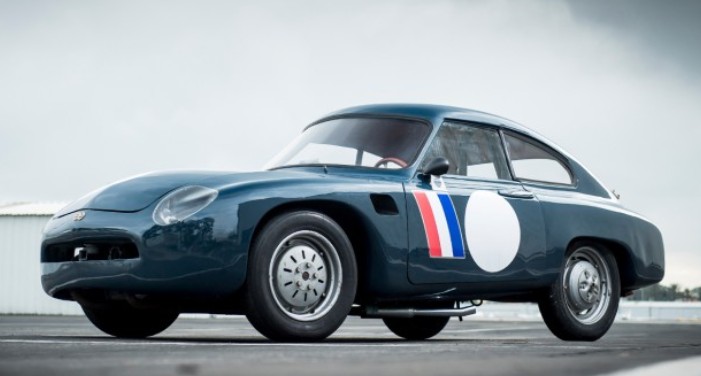
Charles Deutsch and Rene Bonnet teamed up for the first time in 1938, applying both of their surnames to automobiles. In 1947, they would shorten it to just “D.B.” and would continue building cars through 1961 when Bonnet ventured out on his own, until his new company was scooped up into Matra.

The HBR5, of which we’ve already featured a highly customized example that has different body work than this car, was a sports and racing car built between 1955 and 1961. In total, 450 were built and this one is powered by a 65 horsepower, 848cc flat-twin. That’s a decent amount of power from such a tiny engine.

But with a lightweight fiberglass body, these were stout cars in their class on the track. For example, this car, while owned by famed designer Brooks Stevens, competed in the 1957 12 Hours of Sebring, failing to finish with drivers Guy Storr and Hal Ullrich. D.B. cars don’t come up for sale often (I’ve featured nearly every one of them in the past five years and we’re now standing at “four”). This one should bring between $100,000-$130,000. Click here for more info and here for more from this sale.

Update: Sold $47,300.

Cadillac Model M

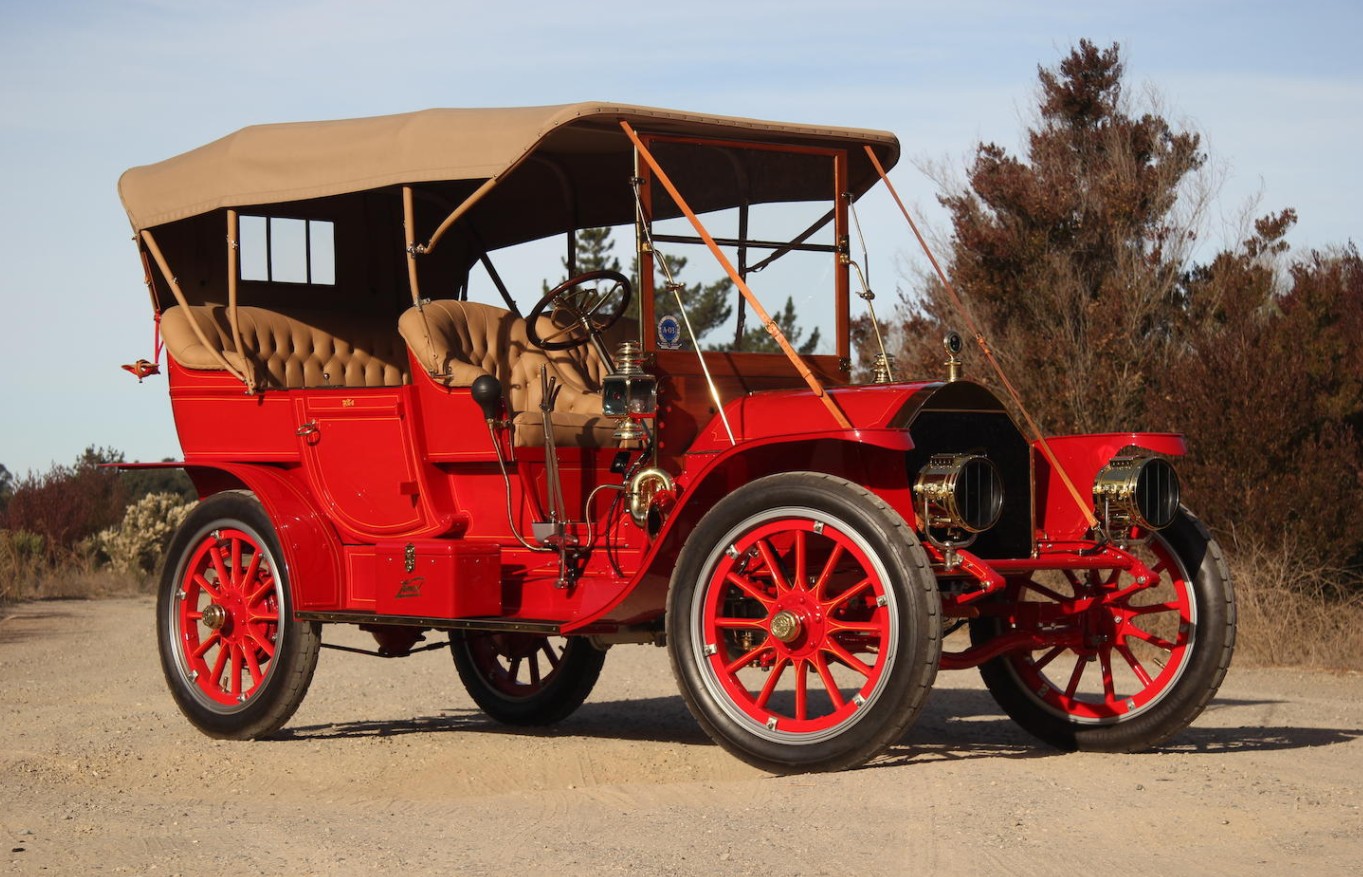
1907 Cadillac Model M Touring

Offered by Worldwide Auctioneers | Scottsdale, Arizona | January 17, 2018

Photo – Worldwide Auctioneers

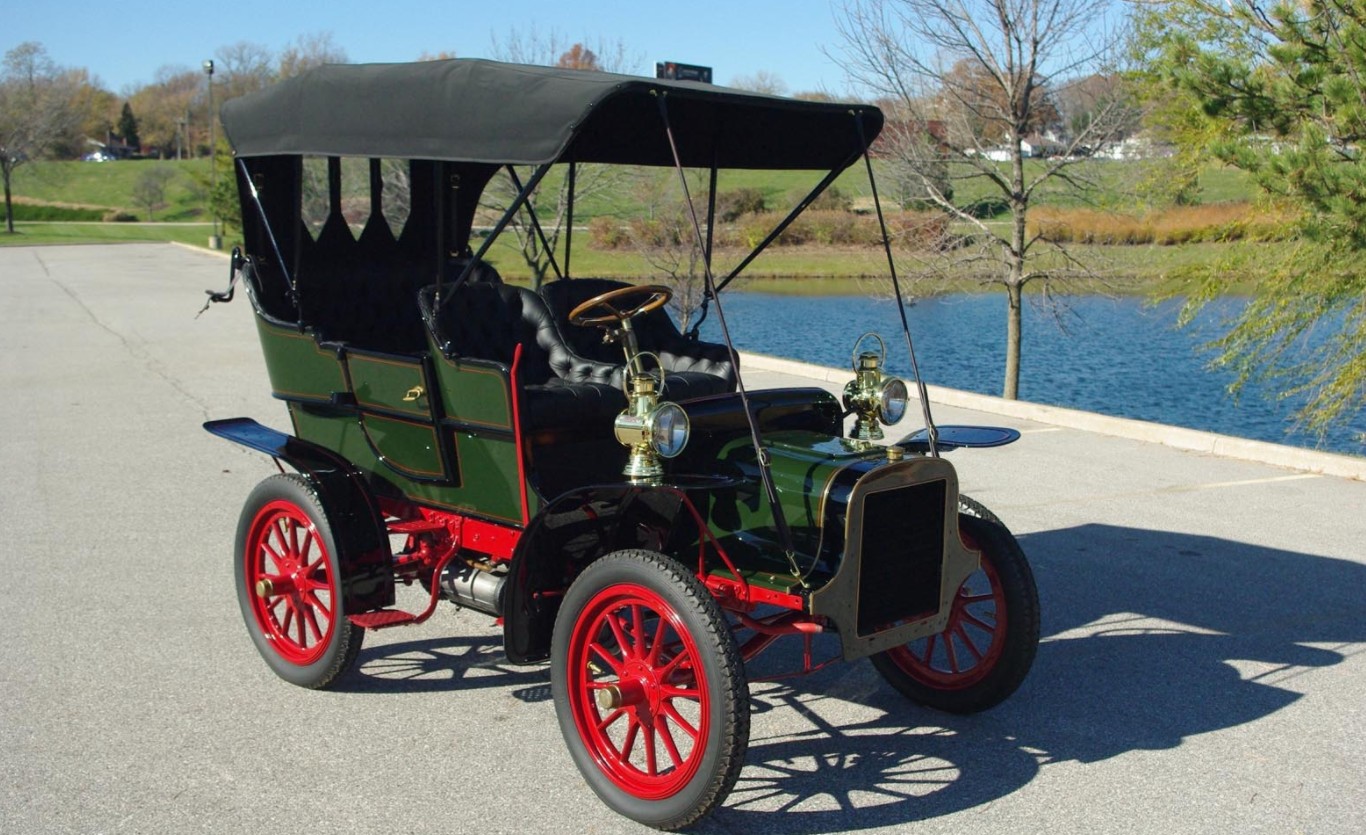
Early Cadillacs were actually designed by Henry Leland, as he had yet to sell the company to General Motors (which would happen in 1909). So this early Caddy is one from their brief independent era. The Model M was introduced in 1906 and lasted through 1908, though the models from the final year were sold as delivery vans only.

Cadillac offered two different one-cylinder cars in 1907: the Model K and Model M. The M differed from the K in that the wheelbase was an inch longer and you could purchase a few additional body styles. The engine was the same: a 1.6-liter single-cylinder, mounted horizontally that made an advertised 10 horsepower.

When new, this would have been a $1,000 car. Today, it should bring between $80,000-$100,000. The restoration is so fresh that the car has yet to be shown at any major shows. It’s an interesting – and rare – model from Cadillac’s pioneering era. Click here for more info and here for more from this sale.

Update: Sold $93,500.

Magnate Barchetta

2005 Magnate P708 Barchetta

Offered by RM Sotheby’s | Paris, France | February 7, 2018

Photo Courtesy of RM Sotheby’s

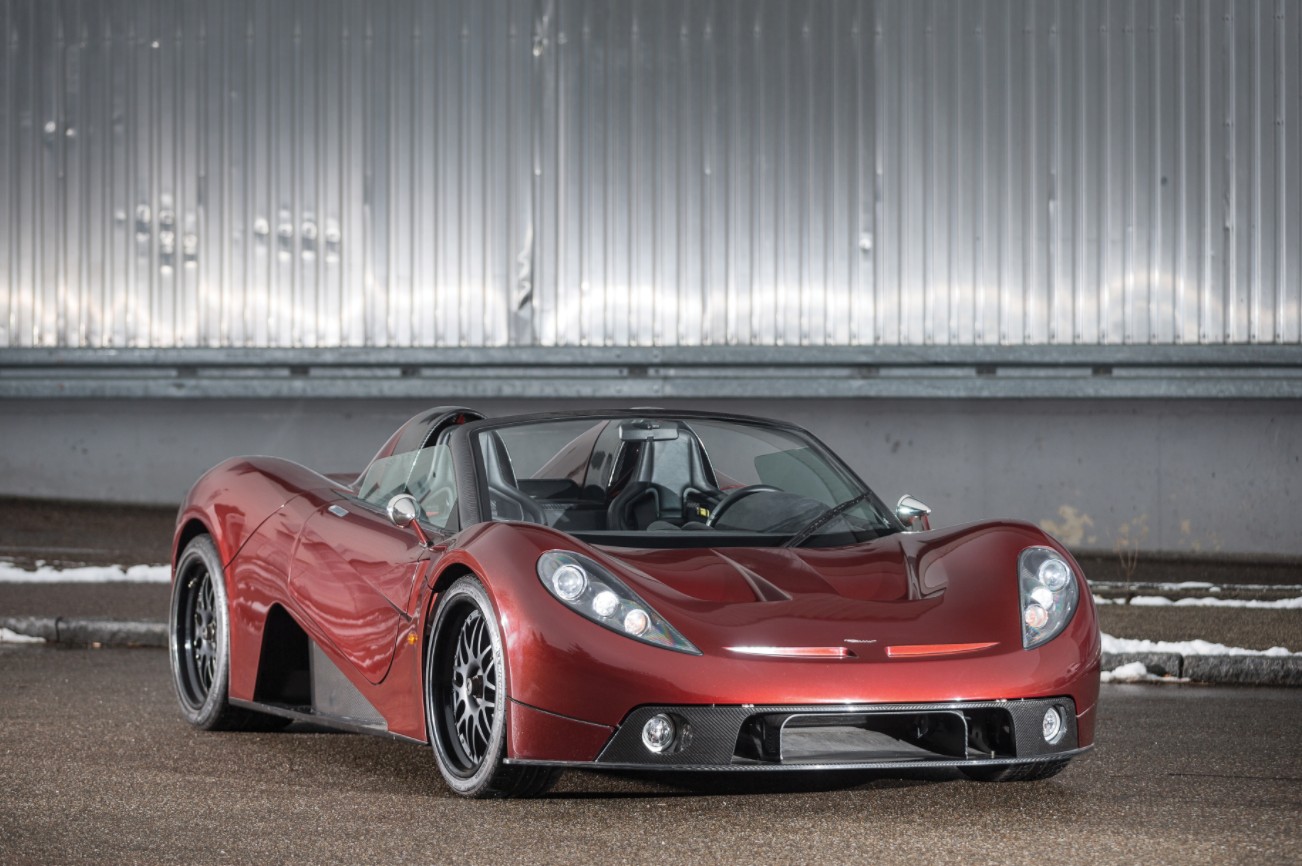
Giotto Bizzarrini stopped building “production” cars (even though they were all very limited in number) in 1969. Since then, a number of cars have shown up wearing his name, including a few P538 cars built using leftover components, and a number of concept cars.

There were concept cars using the Bizzarrini name in 1990, 1998, and a couple since the year 2000, including one called the P708 Barchetta. Developed with input from Bizzarrini himself, the P708 was shown around, seeing if there was any interest in a production version. It was supposed to be seen as a modern take on the classic P538.

Power comes from a 7.0-liter Chevrolet V-8 making 505 horsepower. The body is carbon fiber and it was built by a company called Magnate out of Thailand. It was purchased by an American in 2013 and only then was the car made driveable. It has since covered 1,000 miles. It’s listed as a “2005” because that is when construction of this car began, even if it took many more years to fully realize the final product.

At some point, the branding on the car switched from Bizzarrini to Magnate. What country of origin would you file this under? It had an Italian name, originally, but now sports a name (and body) from Thailand. It was completed in America but started out in Germany. It’s multi-national, for sure, and should bring between $335,000-$565,000. Click here for more info and here for more from this sale.

Update: Sold $109,198.

Knox Touring

1910 Knox Type O 5-Passenger Touring

Offered by Bonhams | Scottsdale, Arizona | January 18, 2018

Photo – Bonhams

Ever heard the saying “right place, right time?” Well Harry Knox lived it. He lived next door to automotive pioneer Frank Duryea who told him he should get into the auto business himself. So Knox set up the Knox Automobile Company in Springfield, Massachusetts, in 1900.

When I think of Knox cars, this is what I picture. But what we have here is a large touring car. Knox started moving this direction around 1905, but their cars really started getting big in 1908. The Type O (which I show to be a 1909 model, though this one is listed as a 1910) was offered in two different wheelbases. This is the longer of the two.

It’s powered by a 45 horsepower, 6.1-liter straight-four. The Five-Passenger Touring body style was one of four offered in this chassis configuration and it cost $3,000 when new. The restoration of this example was completed in 2011. These later Knox cars don’t show up often, and the price of this one reflects that: it carries a pre-sale estimate between $175,000-$225,000. Click here for more info and here for the rest of Bonhams’ Scottsdale lineup.

Update: Sold $145,000.

Bristol 402

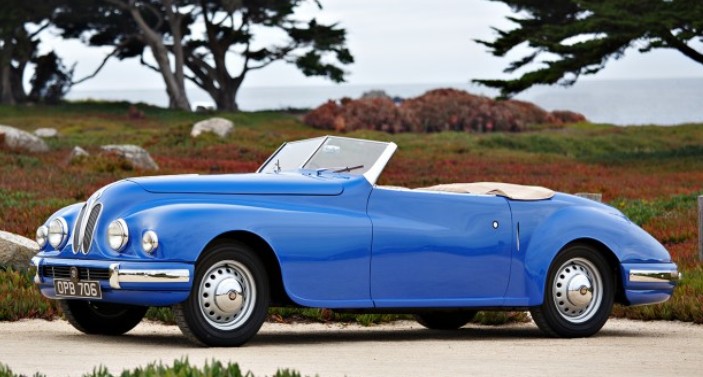
1949 Bristol 402 Cabriolet

Offered by Gooding & Company | Scottsdale, Arizona | January 19, 2018

Photo – Gooding & Company

Unlike many of their peers, Bristol did not dabble in automobiles until after WWII. Known primarily for their airplanes, they produced their first car, the 400, in 1947. The followup to that car was the 401 Sedan in 1948.

The following year, Bristol decided to build a drop-top version of the 401 and they called it the 402 Cabriolet. Some Bristol models have a sort of ungainly appearance to them, but this car is downright pretty. It’s powered by a 2.0-liter straight-six that makes 80 horsepower. It’s not quick, but it should do 90 mph.

Sold new to a Thai Prince living in England, this 402 is one of just 26 built. It’s thought that as few as 13 are still around, which is pretty few… but then again Bristol has never been about building cars in any appreciable quantities. Restored just last year, this thing is fresh. It should bring between $425,000-$525,000. Click here for more info and here for more from this sale.

Update: Not sold.

Molzon Concept Corsa

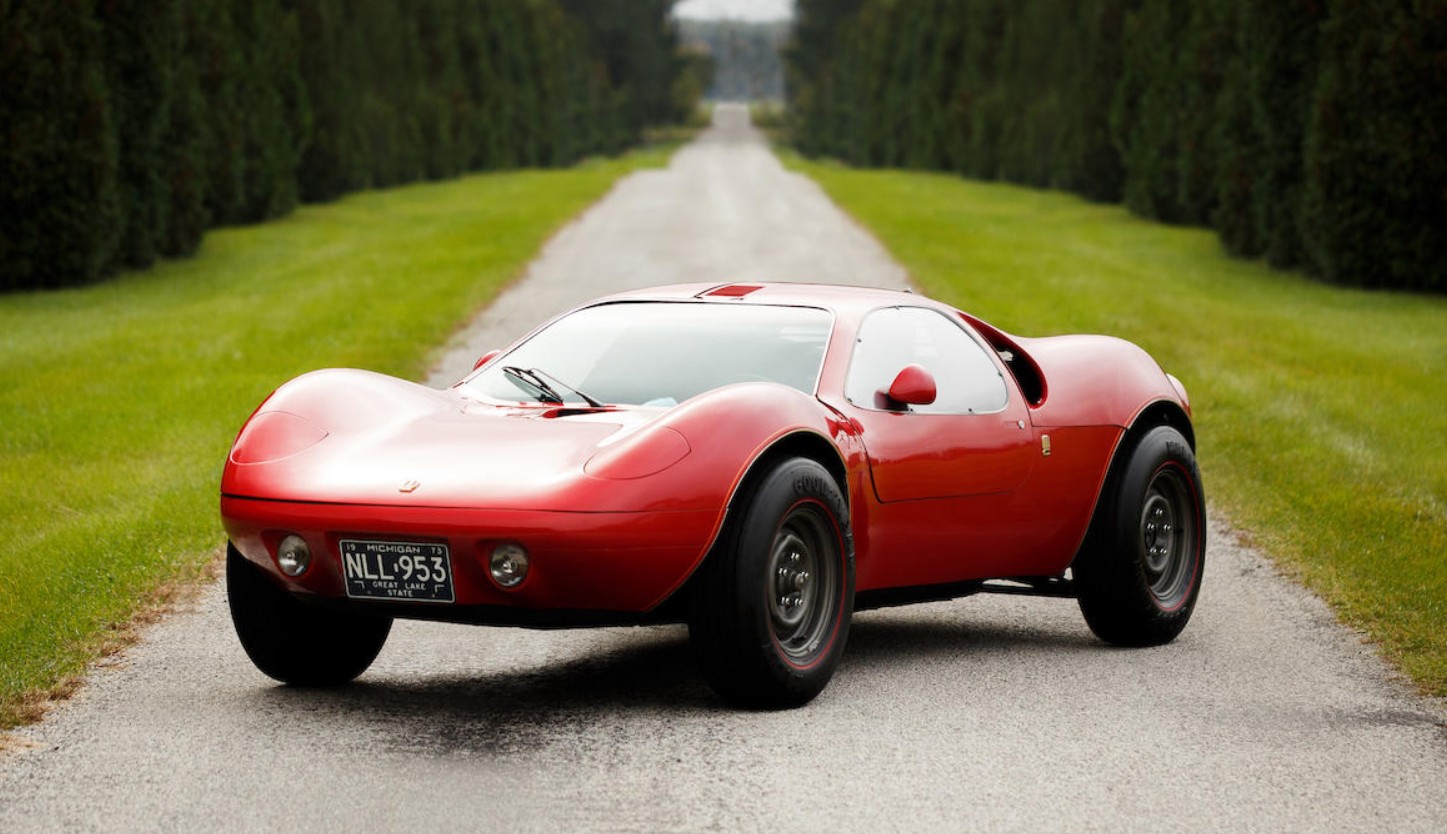
1968 Molzon Concept Corsa GT38

Offered by Bonhams | Scottsdale, Arizona | January 18, 2018

Photo – Bonhams

This aggressive-looking one-off was the pride and joy of former General Motors designer William Molzon. Molzon worked at GM under Larry Shinoda and wanted to create a sports car that was designed with both the design and engineering in mind from the get-go.

In 1963 he started his effort. The chassis is light, built using one-inch steel tubing. The engine is a race-modified 2.7-liter flat-six tuned to produce 200 horsepower. The body is fiberglass and it was hand-laid by Molzon over a Styrofoam base. The transmission is from a first-generation Porsche 911.

Weighing in at about 1,100 pounds, it’s about as nimble as things came in the 1960s. And it looks loud too, like it barks (in fact, it almost has a dog-like stance). But few people probably know just how loud it is – this car has only covered 959 since new. Molzon kept the car for 50 years, just recently departing with it earlier this year. Featured in Road & Track in 1970, the Molzon Concept Corsa GT38 should bring between $100,000-$125,000 in Scottsdale 2018. Click here for more info and here for more from this sale.

Update: Sold $41,800.

Phantom III Pillarless Saloon

1937 Rolls-Royce Phantom III Pillarless Saloon by Vesters & Neirinck

Offered by RM Sotheby’s | Phoenix, Arizona | January 18-19, 2018

Photo Courtesy of RM Sotheby’s

By definition, the Rolls-Royce Phantom III was not a sporty automobile. It was a huge car, introduced by Rolls in 1936 and it lasted through 1939. The bare chassis alone weighed in at just over two tons. It featured a big, 7.3-liter V-12 making about 160 horsepower, which was a decent amount of power, but not enough to scoot the pure massiveness of this car along at any decent clip.

But, I suppose, that has never been the point of a Rolls-Royce, V-12 or otherwise (the Phantom III was the first V-12 RR and the last one until 1998). Because these were sold as bare chassis, it was kind of up to the coachbuilder of your choice to make it seem sporty and that is where Vesters & Neirinck of Brussels succeeded wildly with this car. The low, extremely solid-looking roof, swoopy fenders and two-tone paint really do make this car look sporty. And the fact that it lacks B-pillars is icing on that design cake.

Now let’s talk about this car’s downright bizarre ownership history. It is said that during WWII this car was used by the King of Belgium and Field Marshall Bernard Montgomery. In the late 1950s the car was in Germany and a decade later it was in the U.S. where it had a series of owners. Then, in the 1980s, it was purchased by G. Gordon Liddy (of Watergate infamy). He sold it to Charles Nelson Reilly, who, because he was way before my time, became known to me thanks to Alec Baldwin’s not-as-over-the-top-as-you-might-think impression of him on Saturday Night Live.

Restored between 1992 and 1994, this car won its class at Pebble Beach and has been in the same collection for nearly 20 years. Only 727 Phantom IIIs were built and this is, so far, the best-looking example I’ve seen (though we featured another wild one a few weeks ago). It should bring between $550,000-$750,000. Click here for more info and here for more from this sale.

Update: Sold $593,500.