1903 Gladiator

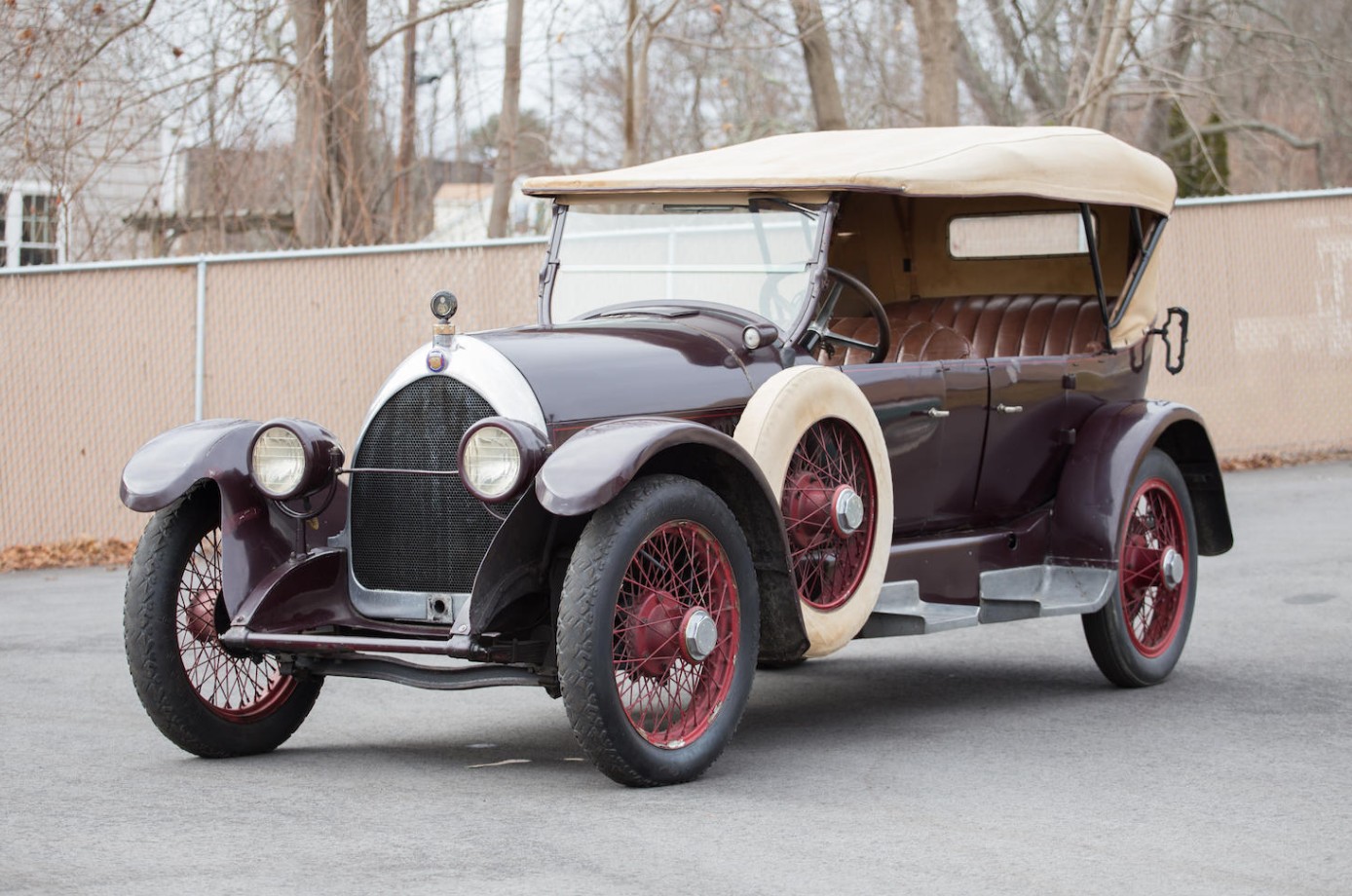
1903 Gladiator 10HP 2-Cylinder Rear-Entrance Tonneau

Offered by Bonhams | Goodwood, U.K. | March 19, 2017
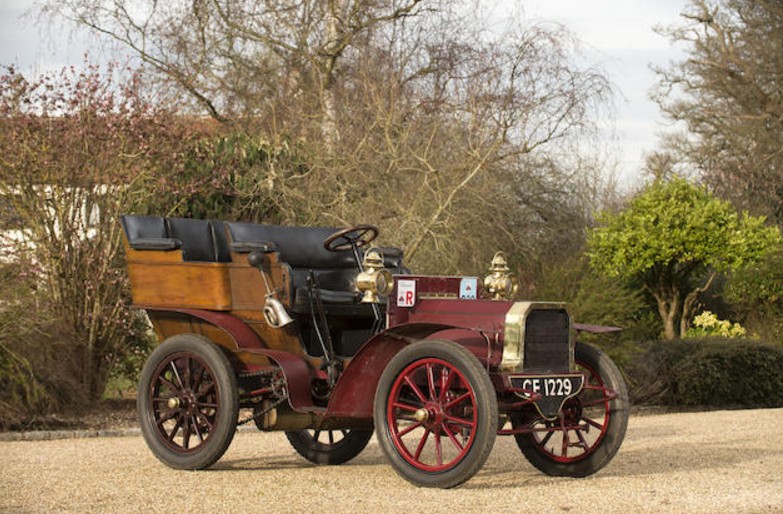
Photo – Bonhams

Alexandre Darracq co-founded the Gladiator Cycle Company with Paul Aucoq in 1891 in the northeast part of Paris. Gladiator became part of the tangled mess of companies that came into contact with Adolphe Clement. So here it goes: in 1896, Clement bought out Gladiator from Darracq (who then went on to other automotive endeavors) and renamed the company Clement-Gladiator.

Cars came around 1901 (and motorcycles from 1902). In 1903 there was a split and Clement-Talbot became its own thing, while Clement-Gladiator remained in France. All shaft-driven cars were badged Clement-Gladiator after this point, while chain-driven cars were just called Gladiators. In 1907, all cars became Gladiators after the company was taken over by Vinot et Deguingand. The brand disappeared after 1920.

This chain-drive Gladiator was produced during the Clement years and is powered by a 1.7-liter twin-cylinder Aster engine making 10 horsepower. The current owner acquired it in 1990 and had the engine rebuilt. It’s been used extensively on the London-to-Brighton run (and we mean “extensively” – it’s completed the run 24 of the 25 times it’s attempted it) and the coachwork is original, but may have had some restorative work done to it long ago. It’s a great old car, and should bring between $160,000-$200,000. Click here for more info and here for more from this sale.

Update: Sold $175,291.
1922 Salmson Race Car

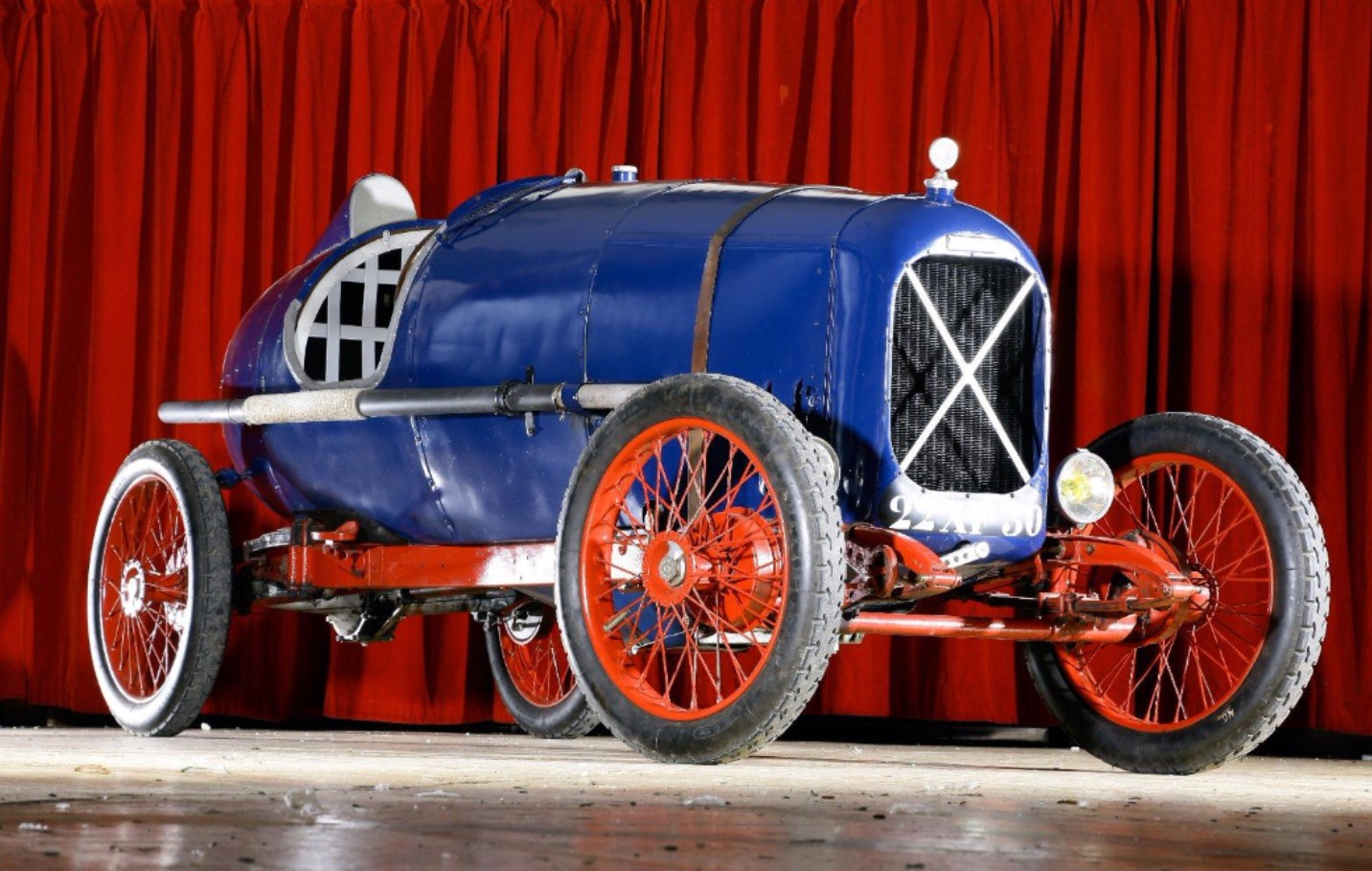
1922 Salmson AL3 GSS Course

Offered by Osenat | Fontainebleau, France | March 19, 2017

Photo – Osenat

The French Salmson company was founded by Émile Salmson in 1890. They produced a lot of airplanes and airplane engines but started building cars after WWII. The automotive arm split off from the airplane part of the company in 1922 and 1953 was the final year for Salmson automobiles.

The first Salmsons were essentially GN cyclecars built under license. The “AL” line of cars were small, lightweight cars and the AL3 – named for Andre Lombard, the man at the head of Salmson that launched the car part of the business – was part of that initial line of cars. Powered by a 1.1-liter straight-four, it has been upgraded to GSS trim. GS cars were Grand Sports – but the GSS, Grand Sport Special, featured a four-speed gearbox.

This race car has a torpedo body on it and was raced in period of a former WWI fighter pilot. It won at Brooklands and raced at Le Mans (not the 24 Hours). It ended up in the Le Mans museum in 1965 and stayed there until 1992. The current owner acquired it in 1994 and had it completely restored. In modern times, it has been driven with ease up to speeds of 82 mph, which has to be frightening. It should bring between $159,000-$212,000 at auction this weekend. Click here for more info and here for more from this sale.

Update: Sold $168,636.

March 2017 Auction Highlights

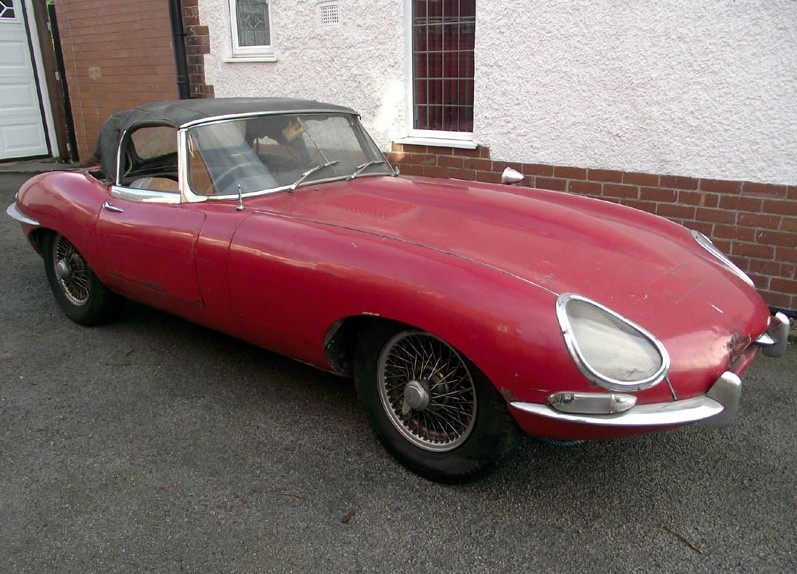
Before we dive into March, we’ve got a little unfinished business from February, starting with H&H Classics at Donington Park. We featured a Raleigh Safety Seven that failed to sell. The top sale was this 1963 Jaguar E-Type Series I 3.8 Roadster for $93,500. Click here for complete results.

Photo – H&H Classics

Next up, the road car half of Silverstone Auctions’ Race Retro sale. The top seller was this 1974 Ferrari Dino 246 GT for $546,940.

Photo – Silverstone Auctions

The Evanta Barchetta we featured sold for $47,560. More results can be found here.

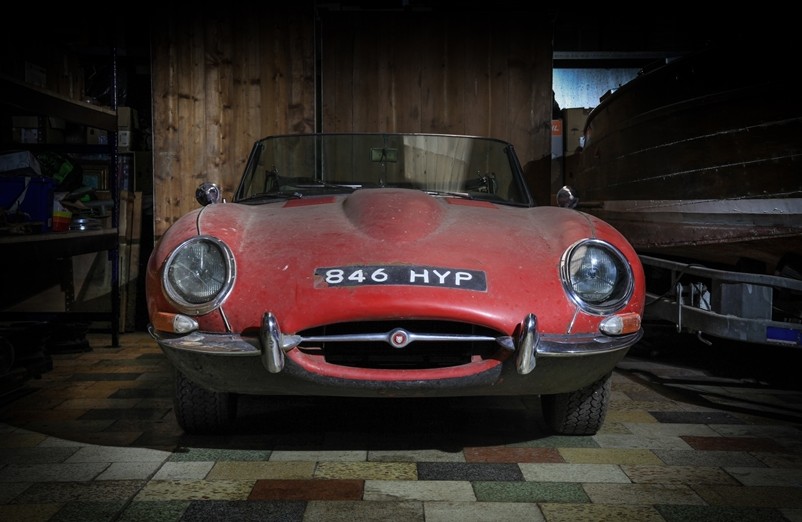
We’ll stay in the U.K. and head over to Historics At Brooklands’ March sale. The Microplas we featured failed to sell, but like at the H&H sale above, a barn find condition E-Type was the top seller. It’s a 1962 Jaguar E-Type Series I 3.8 Roadster and it brought $179,044.

Photo – Historics at Brooklands

A previously-featured Bianchi that failed to sell three years ago at a different sale ended up selling here, bringing $21,347. And the AC 378 GT Zagato sold for $165,271. Click here to see what everything else brought.

Up next, Brightwells’ March Classic & Vintage sale. We featured three microcars from this sale and two of them, the Lambretta and Moto Guzzi sold for $3,403 each. The Casalini Sulky brought $1,701. The top sale was this 1956 Austin-Healey 100/4 BN2 for $58,350.

Photo – Brightwells

The GAZ Volga we featured went for an affordable $4,619. Complete results can be found on Brightwells’ website here.

Now finally, the first of the sales from Amelia Island: Bonhams. The top sale was a previously-featured Alloy-bodied Ferrari 250 Europa that sold for $2,227,500. Our Most Interesting award goes to this imposing 1911 Pierce-Arrow Model 48 Touring for $550,000.

Photo – Bonhams

The rare ReVere Touring car brought $137,500. The even-rarer (okay, it’s a one-off) Godsal sold for $214,500 while the early Knox brought $292,600. Click here for more.

Zimmerli Roadster

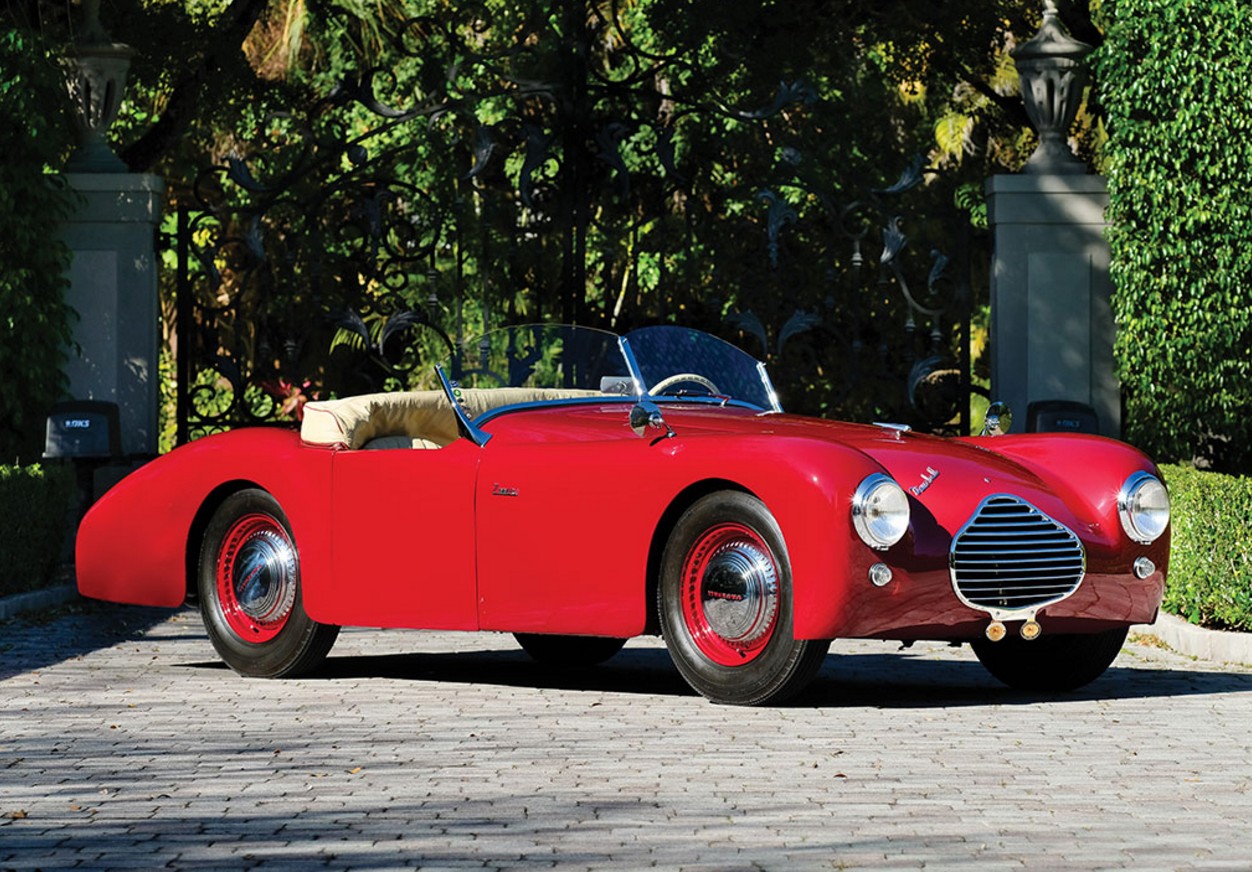
1948 Vauxhall-Zimmerli 18-6 Roadster

Offered by RM Sotheby’s | Amelia Island, Florida | March 10-11, 2017

Photo Courtesy of RM Sotheby’s

In the U.S., auto production resumed more or less immediately following the end of World War II. In most of Europe, especially Germany and France, it took a little longer to get going again. And when it did, the cars in high demand were functional vehicles. But that didn’t stop two enterprising brothers from Switzerland for attempting to build a sports car around 1950.

Switzerland has never really had an active automobile industry anyway, so for the car to spring up there is weirder still. Werner and Fritz Zimmerli (who sold Chevys and Vauxhalls in their native town) designed a pretty roadster based on the Vauxhall Velox. The car uses a custom chassis and frame, but the running gear is all Velox: a 54 horsepower, 2.3-liter straight-six and a three-speed transmission move it down the road. The body is aluminium (with steel doors).

The finished product wasn’t complete until 1950 and the Zimmerlis kept the car until 1968. The current owner acquired the car in 2008 and performed a beautiful restoration. It is technically titled as a 1949 Vauxhall, thus its hyphenated name above, but it is a one-off, and a really cool one at that. Click here for more info and here for more from this sale.

Update: Sold $71,500.

Ferrari 166 MM

1950 Ferrari 166 MM Barchetta by Touring

Offered by RM Sotheby’s | Amelia Island, Florida | March 11, 2017

Photo Courtesy of RM Sotheby’s

You’re looking at one of the earliest Ferraris. The 166 MM was one of the first Ferrari models – produced after only the 125 S, 159 S, 166 S, and the 166 Inter. The “MM” stood for “Mille Miglia”, the famous Italian road race that Ferrari won (actually finished 1-2) in 1949 with cars similar to this.

The cars are powered by a 2.0-liter V-12 making 140 horsepower. The Barchetta body is by Touring and, of Touring’s 25 Barchettas, this is #23. Only 32 166 MMs were built in total. One of the first owners of this car was a racing driver. And he took it racing. The competition history for this chassis includes:

  • 1951 Mille Miglia – 6th in class (with Eugenio Castelotti and Giuseppe Rota)
  • 1953 Mille Miglia – DNF (with Ambrogio Arosio and Italo Di Giuseppe)

In early 1954, the car was already owned by someone else and racing hard in the United States. It’s been a respected car in the collector community pretty much since, winning awards at Pebble Beach as early as 1979. It’s Ferrari Classiche certified and retains all of its major original components. A Ferrari 166 is a hard to come by, but must-have for any serious collector. This is a great example and it’s expected to bring between $8,000,000-$10,000,000. Click here for more info and here for the rest of RM Sotheby’s lineup.

Update: Not sold.

ReVere Touring

1920 ReVere Model A Four-Passenger Touring

Offered by Bonhams | Amelia Island, Florida | March 9, 2017

Photo – Bonhams

Named for Paul Revere, the ReVere Motor Car Corporation of Logansport, Indiana, was founded in 1918. It sprung up with a lot of fanfare and its chassis engineer was none other than Gil Andersen, the Norwegian-born pole sitter for the second running of the Indianapolis 500.

The first ReVere models were built in 1919 and the 1920 models were exactly the same. The Model A featured a marvelous engine from Duesenberg. It’s a 5.9-liter straight-four making 106 horsepower. It is touted as the most powerful American car of its day. The body is aluminium – it was made to go fast. And why wouldn’t it? It had three keys of speed going for it: an engine designed by the Duesenberg brothers, a factory within an hours drive of Indianapolis, and two race car drivers on the development payroll. Demonstration runs in the cars were performed by Cannonball Baker.

Unfortunately, the people at the top of the managerial heap at ReVere were more interested in robbing investors. The company was more or less a front to sell stock and rip people off. It worked and they raised a lot of money – but only built a few cars. The company was shut down in 1922 and one of the early founders (Adolph Monsen) tried to relaunch it, but ReVere was gone for good after 1926.

It is believed that only six ReVere automobiles exist today. Despite being run by con artists, the company managed to build great cars. This one is mostly original and does run and drive. It should bring between $125,000-$175,000. Click here for more info and here for more from Bonhams.

Update: Sold $137,500.

Cisitalia 202 SC

1947 Cisitalia 202 SC Cabriolet by Vignale

Offered by Gooding & Company | Amelia Island, Florida | March 10, 2017

Photo – Gooding & Company

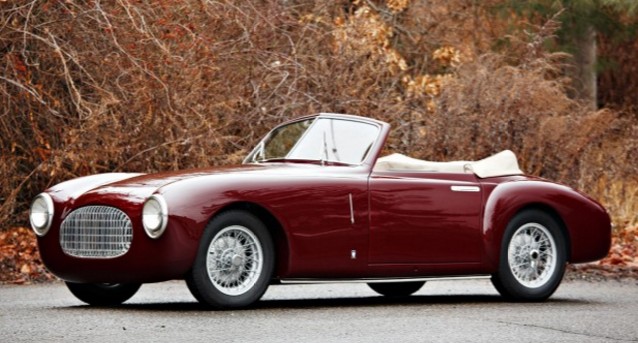
From 25 feet (or, you know, in photos), this Cisitalia might look like any number of postwar sports cars. But it’s coachbuilt – by Vignale, no less – and the details on this car are fantastic.

The 202 was Cisitalia’s main road car, introduced in 1947 and produced through 1952. There were some pretty exotic versions of it, including the CMM and the famed SMM Spider Nuvolari. It’s borderline blasphemous to call any Cisitalia “pedestrian” but I think the attractive yet subdued styling on this Cabriolet, coupled with the fact that it lacks any real racing pretensions, is what makes it special.

This car is powered by a 63 horsepower, 1.1-liter straight-four. Coupes came first, but the Cabriolet is rarer, with only about 60 built (of a total 202 production run of 170 cars). This example was discovered in Argentina before coming stateside in 2003. The restoration dates all the way back to 2016 and the chassis number is an early one. It is expected to bring between $525,000-$625,000. Click here for more info and here for the rest of Gooding’s Amelia Island lineup.

Update: Sold $550,000.

Tipo Bocca Astura

1936 Lancia Astura Series III Tipo Bocca Cabriolet by Pinin Farina

Offered by RM Sotheby’s | Amelia Island, Florida | March 10, 2017

Photo Courtesy of RM Sotheby’s

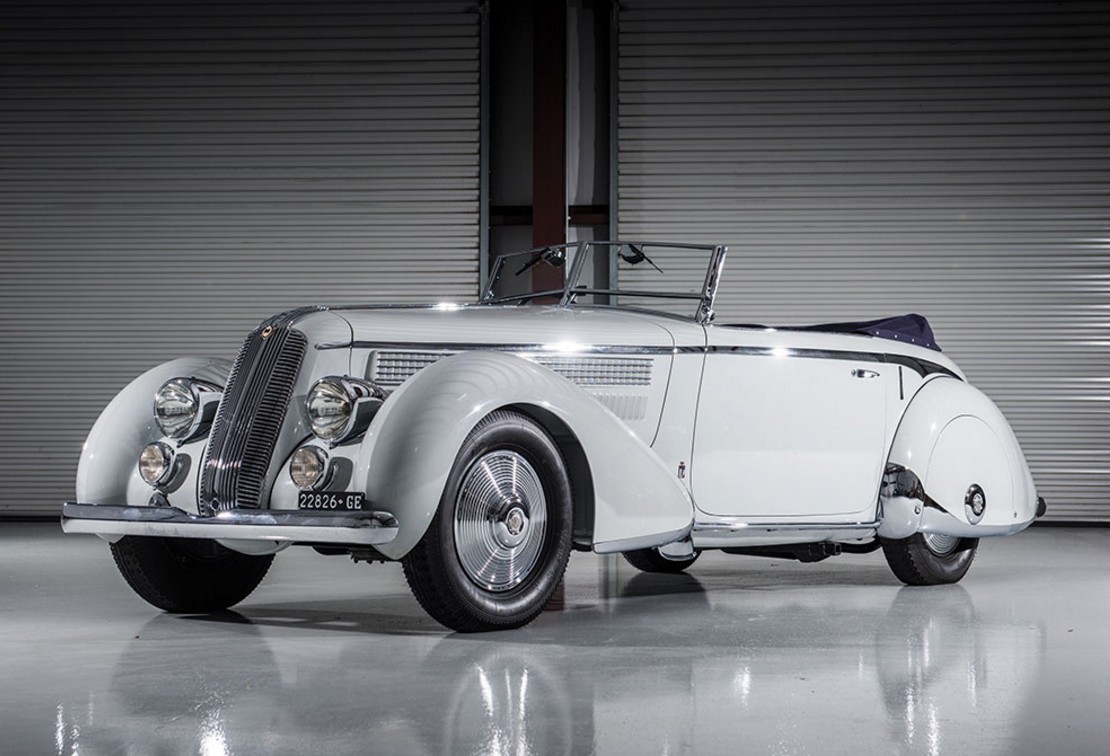
The Astura was Lancia’s large car, built between 1931 and 1939. While production overlapped with the Dilambda that the Astura was to replace, it was Lancia’s flagship car and the competitor to the big Alfa Romeos, Delehayes (and the like) of the era. Built in three series, this Series III car is one of 1,243 examples built between 1933 and 1937. It was the most popular series.

The Series III was powered by an 82 horsepower 3.0-liter V-8. While power seems a little light (it was), the car was relatively light as well, with Lancia suggesting that external coachbuilders keep the coachwork to a specific weight. Coachbuilt Asturas are pretty cars, this one being no exception. Pinin Farina’s sleek design was every bit as stylish as the cars coming out of France in the mid-1930s. Also, it has a power top. How many cars from 1936 can say that?

This is one of 328 short wheelbase Series III Asturas built. It is also one of six “Tipo Bocca” (as Pinin Farina called them) Cabriolets built for one specific Lancia dealer in Italy (these six were split between short and long wheelbase chassis). The car made its way to America in 1947 and the current owner acquired it in 2011. It was exquisitely restored thereafter and won awards at both Amelia Island and Villa d’Este. And rightfully so – it’s gorgeous. Price when new? A not insignificant $4,200. Price today? An even less insignificant $2,000,000-$2,600,000. Click here for more info and here fore more from this sale.

Update: Sold $2,145,000.

Update: Sold, RM Sotheby’s Monterey 2022, $1,380,000.

Pegaso Coupe by Saoutchik

1955 Pegaso Z-102 Series II Coupe by Saoutchik

Offered by Gooding & Company | Amelia Island, Florida | March 10, 2017

Photo – Gooding & Company

The Z-102 from Spanish manufacturer Pegaso is the most exotic car to come out of post-WWII Spain. The cars were built in Barcelona, but bodied by some of Europe’s finest coachbuilders, in this case by Saoutchik of Paris.

This Z-102 is powered by a 2.8-liter V-8 producing 170 horsepower. This Saoutchik Coupe was one of seven built (there was also a Cabriolet). It’s one of the most striking designs of 1950s sports cars – at the same time sexy and aggressive.

Sold new in Paris, it was later owned by Bill Harrah and in 2002 came into the possession of the Imperial Palace Collection. It’s second restoration was completed in 2008. Only 84 Z-102s were built and each one is highly sought after. Costing approximately $17,000 when new, this car should bring between $600,000-$800,000. Click here for more info and here for more from this sale.

Update: Not sold.

Godsal Sports

1935 Godsal Sports Tourer by Corsica

Offered by Bonhams | Amelia Island, Florida | March 9, 2017

Photo – Bonhams

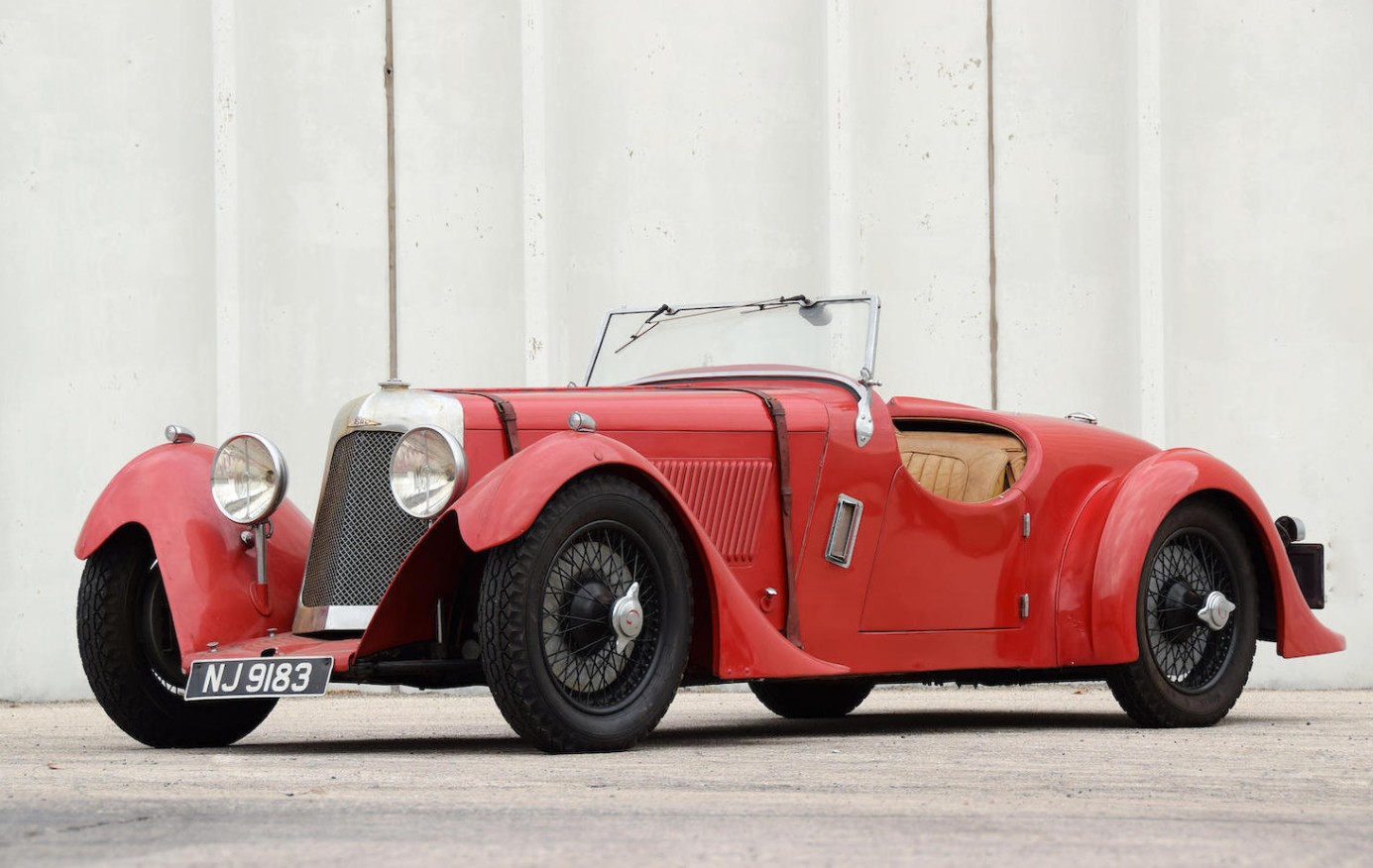
Charles Godsal was the son of an inventor and in 1930s Britain, he decided to put some of that inherited mechanical know-how to work and designed his very own automobile. The final product would cost him over £3,000 but would result in a well engineered, stylish sports car.

He built his own chassis and got the rear end from Bentley. For the engine, he took an 85 horsepower, 3.6-liter Ford Flathead V-8. The body was done by Corsica of London and the car itself was actually constructed by a London-based company and not by Godsal himself. Unfortunately, as well-built as the car may have been, Godsal was unable to raise any funding to begin production, so only this prototype was ever built.

He sold the car to a friend and its history from that point on is unknown until it appeared in a movie in 1969. A man in England purchased the car in 1977 but at that point, no one knew what it really was. Luckily for us, he did the research and it’s here still today. The next owner acquired it later that year and had it in storage in the U.S. for the past 24 years. It’s mostly original and should bring between $225,000-$275,000. Click here for more info and here for the rest of Bonhams auction lineup.

Update: Sold $214,500.

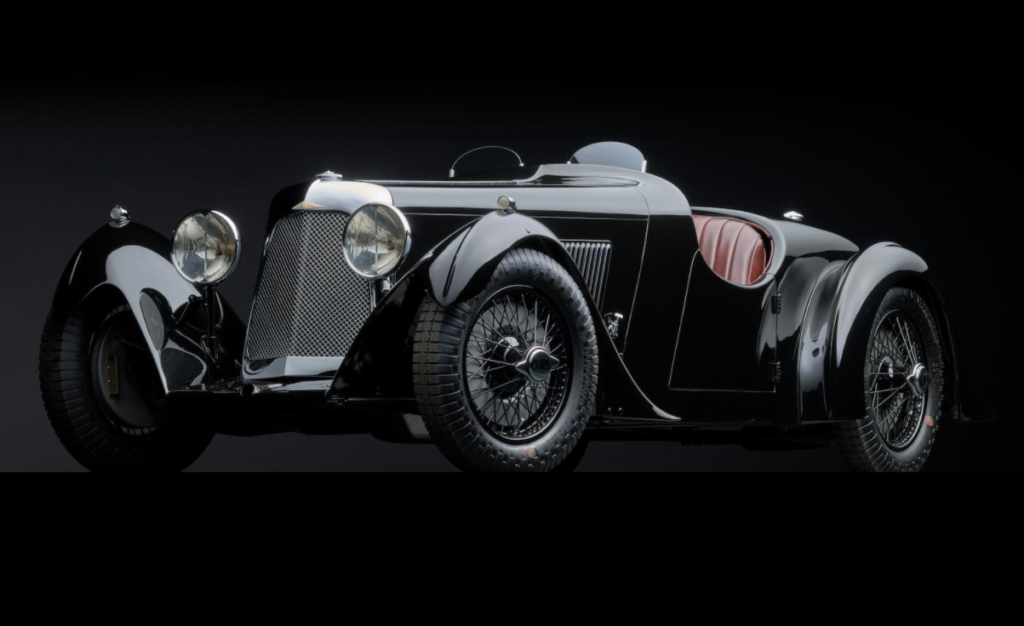
Update: Sold, Bonhams Amelia Island 2021 for an unknown amount. Probably so some dealer can mark it up and try to rip off the next guy. Oh, and below is a poorly-lit photo of the restored black car on a black background.

Photo – Bonhams